Tag: Conflict Prevention
-
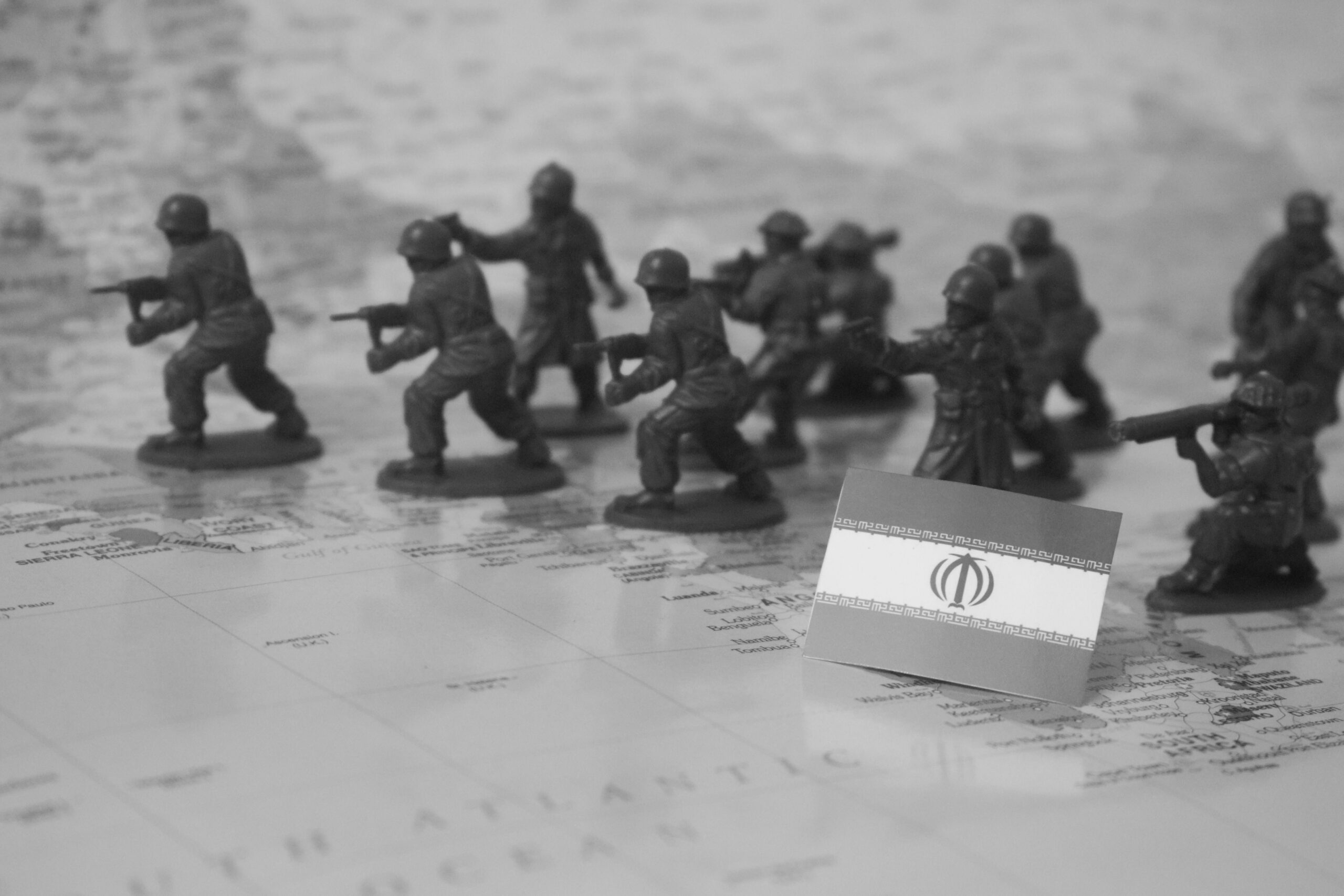
Fault Lines Eastward
The article argues that the Iranian War has reshaped Eurasian logistics, increasing the strategic importance of Kazakhstan and Uzbekistan while creating new partnership opportunities for Western countries.
-

The Baltic Shield
The Baltic states are strengthening NATO’s eastern flank with Ukraine-inspired defenses, preparing to deter both hybrid and conventional Russian threats from day one.
-

The AI Infrastructure Leverage Framework
Governments can shape AI by using infrastructure, energy, and regulation as bargaining tools to secure compute-sharing, data residency, and public benefits without nationalizing private firms.
-
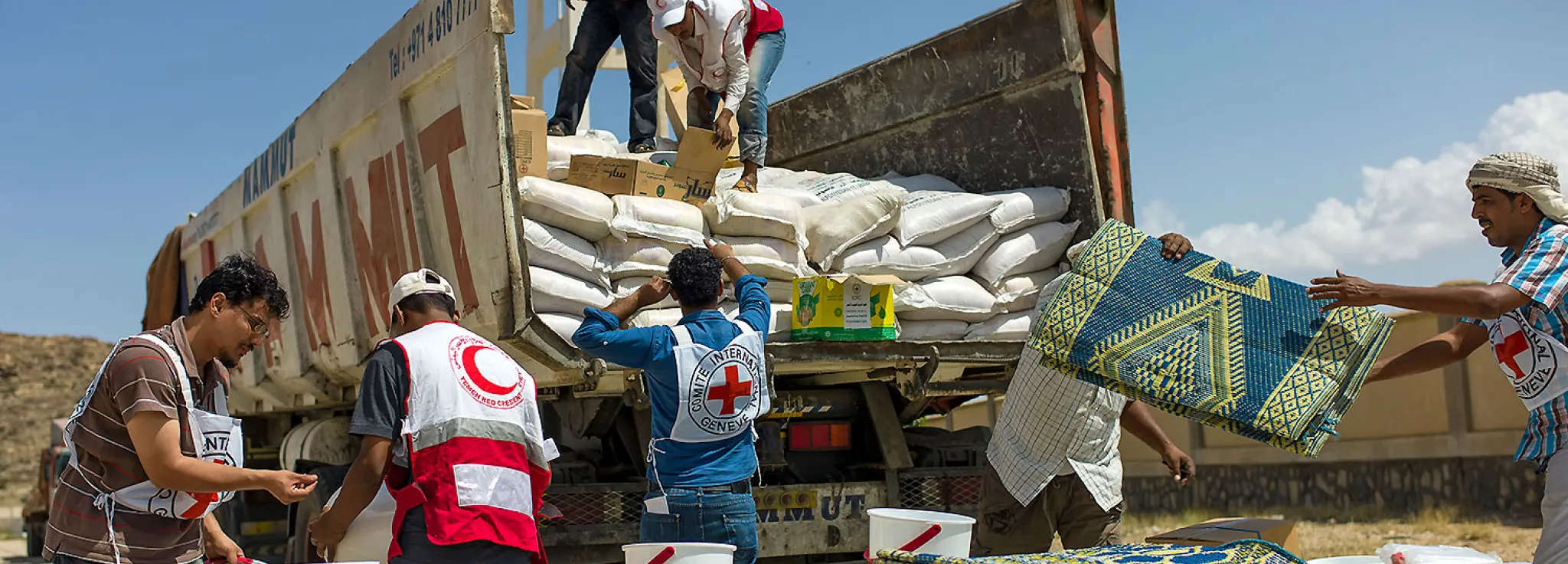
Community‑Run Aid Networks in Yemen
How have community‑run aid networks adapted to Yemen’s blockade? They have responded to severe limits on movement, resources, and access by decentralizing decisions, building local supply chains, strengthening community trust, and adopting flexible management.
-

What It Takes to Build Peace Today
In this guest contribution, Chris Coulter, Executive Director of the Berghof Foundation, examines how we can move beyond short-term deterrence to build lasting peace through local ownership, impartiality, women’s meaningful participation, societal trust, and adaptive mediation.
-
The Atomic Bomb We Haven’t Faced (Yet)
Does Anthropic’s Mythos change cybersecurity or is it overhyped? While AI lowers the barrier for cyberattacks, Europe’s biggest challenge remains enforcing NIS2, with human error still the weakest link.
-

Terrorism Spillover in the Sahel
Terrorism spillover is driven by cross-border mobility, recruitment, and local grievances. Ghana demonstrates how resilient institutions and community trust can reduce the risk of extremist expansion despite its proximity to the Sahel.
-
Ignored Warnings, Repeated Shortcomings
The EU’s inaction during the 2008 Russo-Georgian War institutionalised the failure of conflict prevention, creating the conditions for the 2022 invasion of Ukraine. Driven by path-dependent reliance on Moscow for energy security and incoherent foreign policy among its member states, the EU pursued appeasement politics towards Russia. Deep economic integration with an autocratic state compromised…
-
A Sectoral Roadmap to EU Integration
Main question: How can the EU advance cooperation and prevent loss of influence in Georgia, given structural incompatibility, political ambiguity, and dependence on Russia? Argument: The EU should apply gradual sectoral integration, prioritising energy independence, cultural networking, and regulatory alignment before political convergence. Conclusion: This pragmatic sequencing bypasses political deadlock and accelerates Georgia’s structured pathway…
-
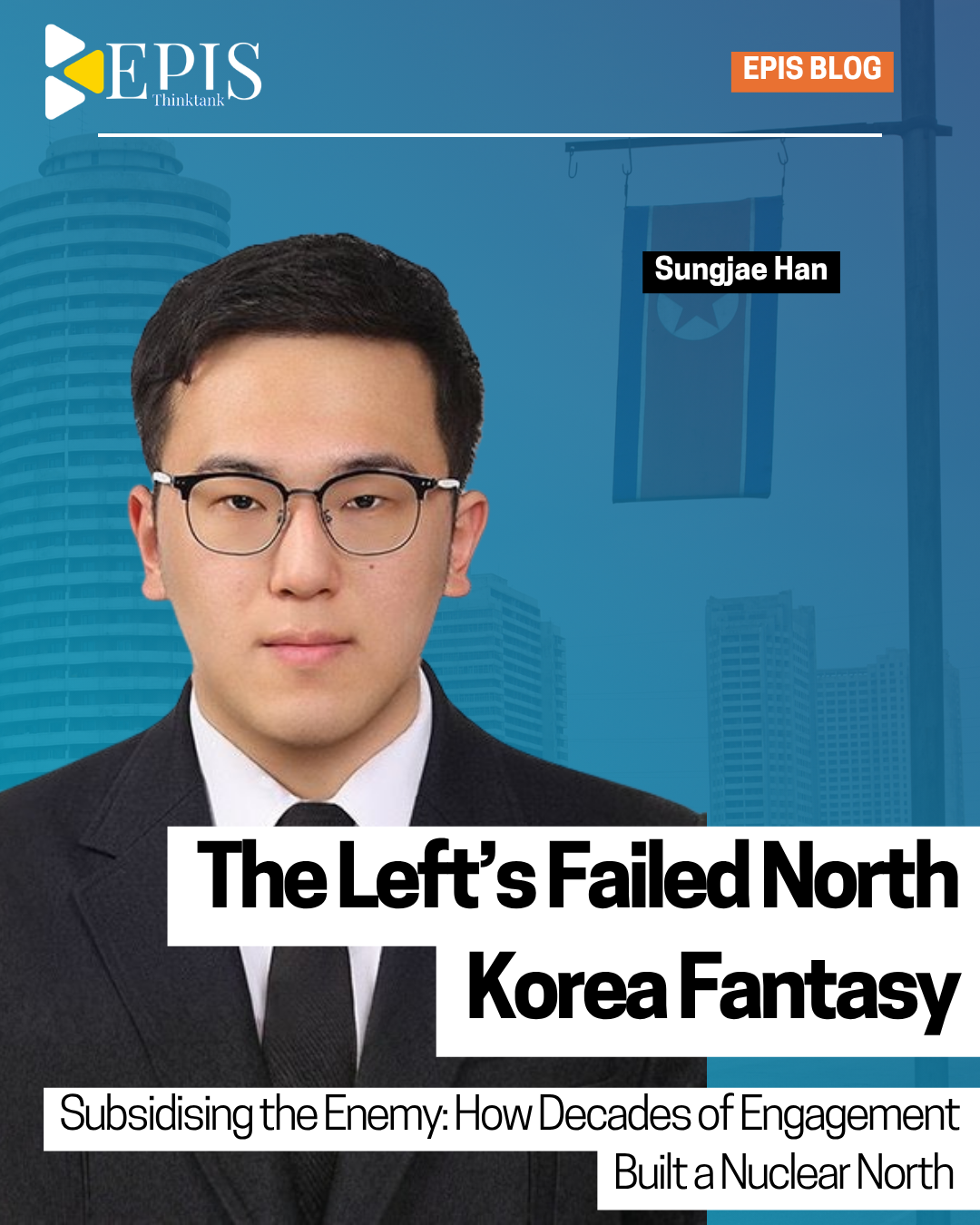
The Left’s Failed North Korea Fantasy
Can economic engagement change a hostile authoritarian regime? This article is arguing that South Korea’s left-wing policies toward North Korea failed to reduce tensions but instead enabled Pyongyang’s military expansion. By prioritizing symbolic reconciliation over deterrence, progressive administrations underestimated North Korea’s intentions, eventually strengthening a nuclear adversary than promoting peace.