Category: Human Rights & Humanitarian Aid
-
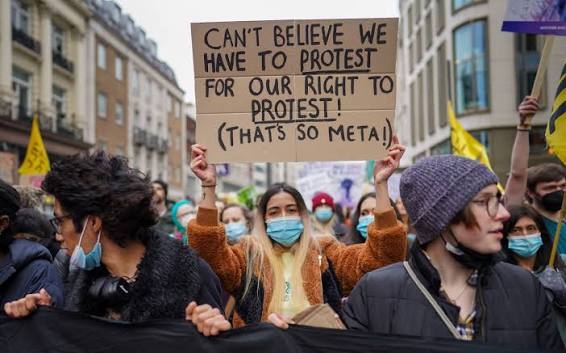
The Next Stage: Migration & Futuro Nazionale
The emergence of Futuro Nazionale represents not only another far right party in Italy, but also a new era of European migration politics, wherein securitization of migration has become so normalized that political contestation now centers on who takes the hardest line against immigration.
-

Human Rights & Aid in Post-Conflict MENA
In an interview with EPIS, Dr. Moosa Elayah examines why stopping a war isn’t the same as achieving peace.
-

It’s a (Wo)Men’s World
Gender equality requires more than formal rights. The article argues that workplace culture, leadership norms, and hidden barriers must be actively challenged to achieve lasting progress.
-

The Paradox of Tunisia’s Arab Spring
The Jasmine Revolution showed that lasting democracy depends not only on constitutional reform but also on strong institutions, accountability, and socioeconomic progress.
-
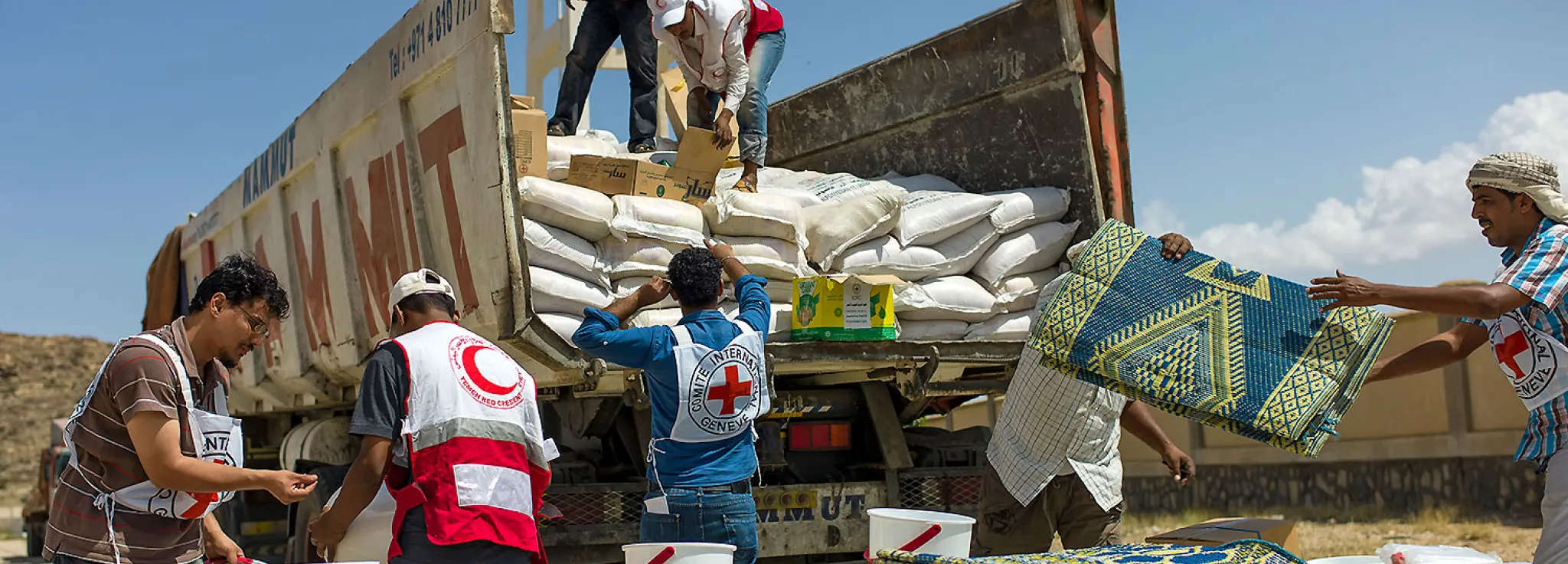
Community‑Run Aid Networks in Yemen
How have community‑run aid networks adapted to Yemen’s blockade? They have responded to severe limits on movement, resources, and access by decentralizing decisions, building local supply chains, strengthening community trust, and adopting flexible management.
-
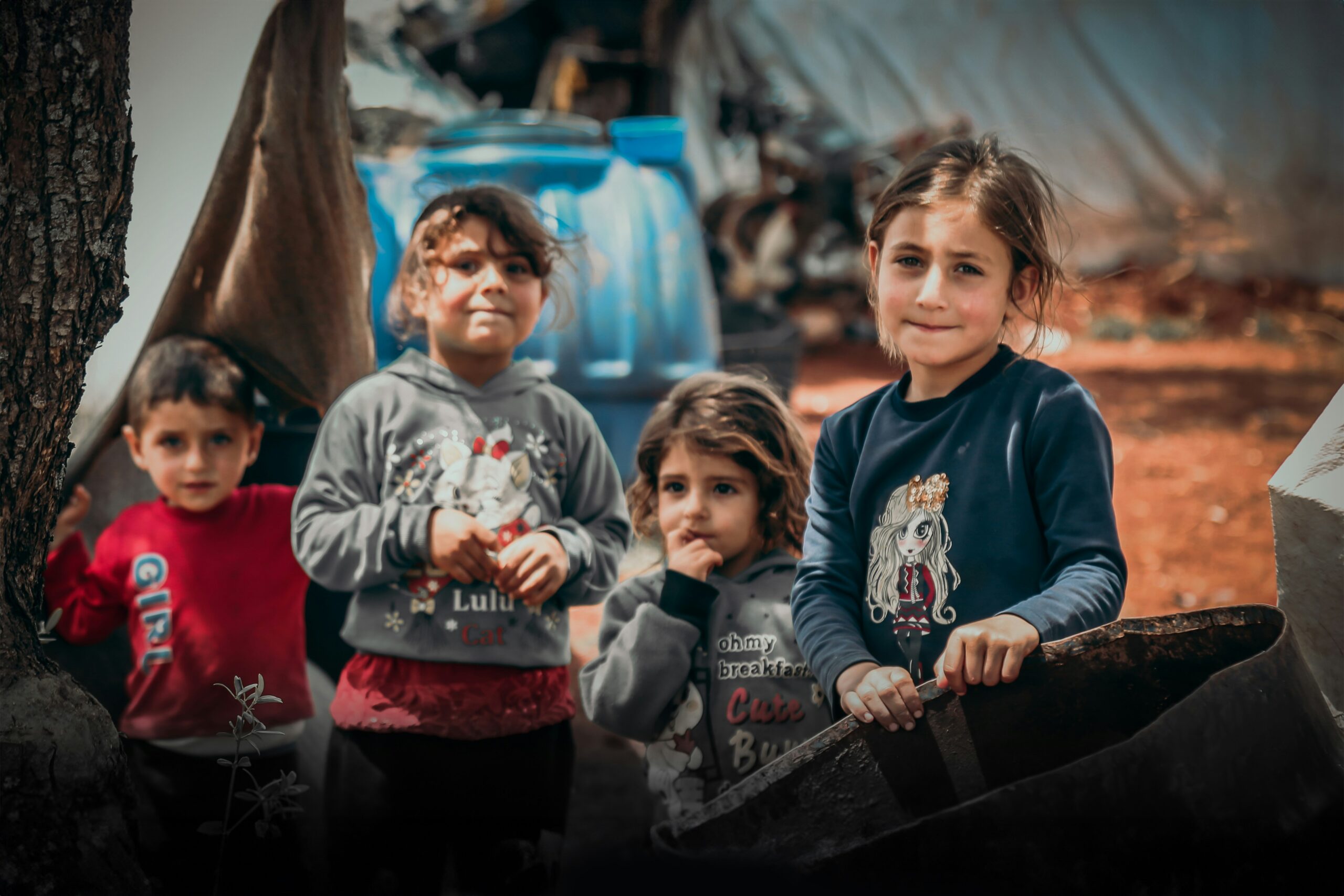
When Humanitarian Aid Becomes a Crime
Thematic Working Group Briefs – 2026 When Humanitarian Aid Becomes a Crime Across Europe, people who provide life-saving humanitarian assistance are increasingly at risk of being treated as criminals (PICUM, 2026). Gaps in the EU Facilitation Directive (2002), left by the vague definition of humanitarian assistance and flexible applicability of the term ‘facilitator’, allow governments…
-

Eyes from above
Is it possible or necessary to use satellites to prevent human trafficking and forced labour? Yes it is necessary, as this allows us to identify and combat the structures that enable such practices more quickly. There is still a great amount of work to be done before this idea can be put into practice.
-

At the Border of Rights
North American migration policies increasingly prioritise deterrence and border security over humanitarian protection. Restrictive asylum systems, detention, and border externalisation expose women and children to violence, trafficking, trauma, and insecurity. These harms are structural consequences of securitised migration governance and reveal contradictions between security priorities and human rights commitments.
-
Constitutional Identity in EU Membership
Main question: How can the EU ensure candidate states align with its core values when accession mainly measures legislative compliance rather than constitutional culture? Argument: The EU should introduce a Constitutional Identity Convergence Assessment (CICA) to evaluate candidates’ highest court jurisprudence over a decade. Conclusion: CICA would close a key legal gap and make future…
-
Breaking Down Structures of Dependency
How should the humanitarian sector adapt to the funding cuts of USAID — differentiate funding, cooperate with locals more, and more flexibility — dependency relationships are dangerous and new (flexible) mechanisms must be put in place