Category: Artificial Intelligence & Cybersecurity
-

The paradox of obedience
AI that reinforces rather than challenges military assumptions could weaken decision-making. The article argues Europe needs AI systems that embed structured dissent, not compliance.
-
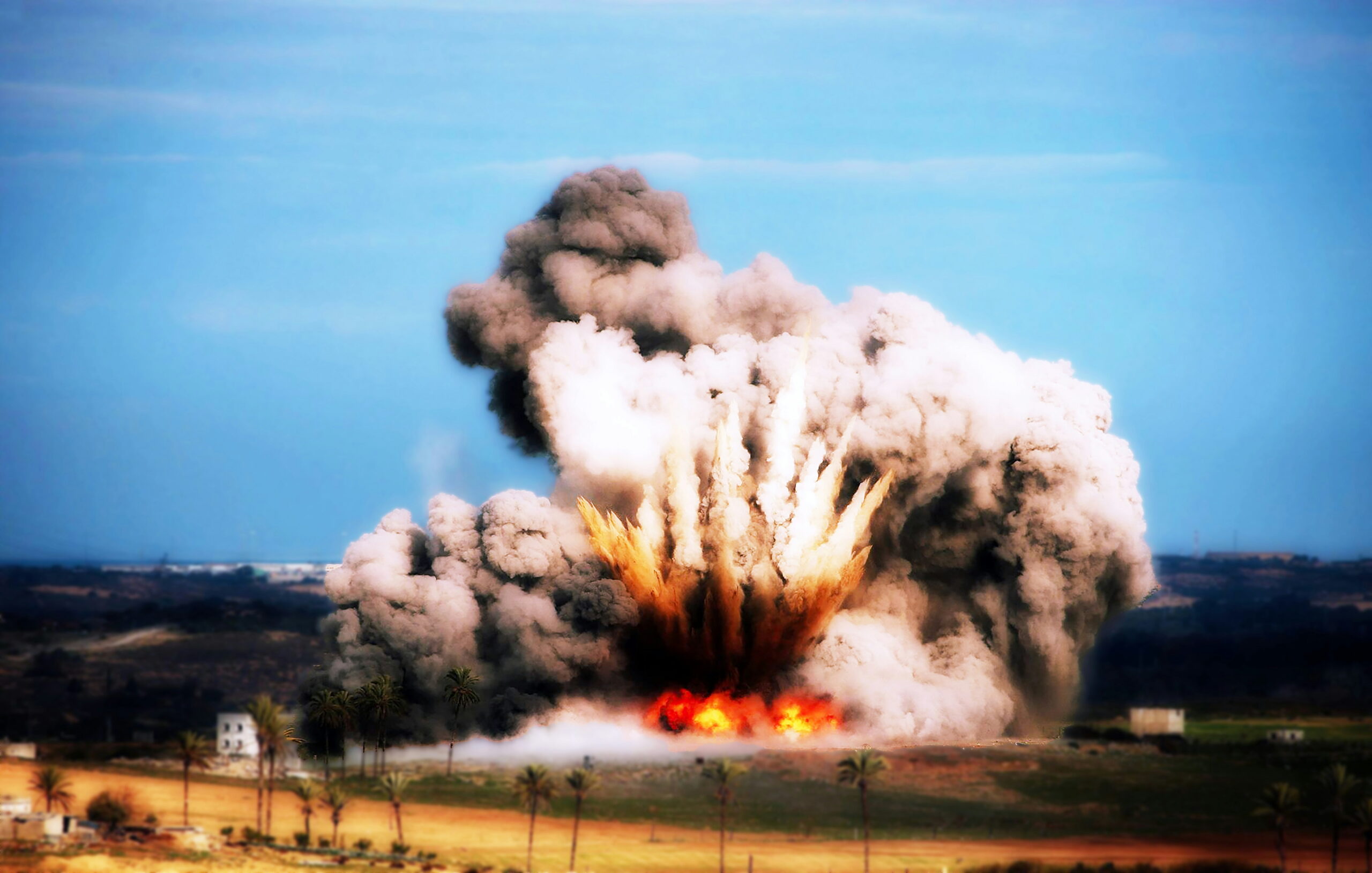
The Atomic Bomb We Haven’t Faced (Yet)
Does Anthropic’s Mythos change cybersecurity or is it overhyped? While AI lowers the barrier for cyberattacks, Europe’s biggest challenge remains enforcing NIS2, with human error still the weakest link.
-
From Medicine to Military Tech
From Medicine to Military Tech A Founder’s Journey Himmel: Dr. Andres, you are a doctor, and now you sell optics and advocate for the idea that “defence is a human right.” How did that come about? Dr. Andres: Well, I didn’t start directly in the defence sector. During my studies, I had a PDA, something…
-

Central Banks’ Geoeconomics
How do central banks and digital currencies, particularly the Digital Euro, shape geoeconomic competition and European integration? CBDCs have become tools of geoeconomic power, intensifying US–China rivalry and enabling states to reduce dependency and gain control over financial infrastructures. The Digital Euro could strengthen EU sovereignty and integration, but its success depends on managing geopolitical…
-
Surveillance State Rhymes with Digital Fate
The global export of Chinese surveillance technologies through the lens of surveillance capitalism: China’s party-state model has instrumentalised commercial data-extraction logics to construct a scalable surveillance apparatus, exported through initiatives such as the Digital Silk Road.
-
The Contradiction of EU Tech Governance
Main question: What’s the current status of whistleblower protection in the European tech sector? Argument: There is a presence of uneven implementation across EU Member States, which must be addressed. Conclusion: whistleblower protection in the tech sector is critical for democratic legitimacy and public trust.
-
Threats of Artifical Intelligence
How is the UK addressing AI’s challenges for counterterrorism? This article argues that current strategy does not fully address AI-driven risks such as radicalisation and corruption, concluding that adaptability and international cooperation are essential for future security.
-

From fragmentation to flexibility
How can the EU design digital infrastructure ensuring both security and civil rights for times of peace and crisis? The answer lies in resilience by design, through frameworks like the EUDI Wallet, NIS2 Directive, and the IEA, which create distributed, interoperable system. This proactive architecture ensures societal continuity across the bloc, making digital resilience both…
-

The EU’s Strategic Dilemma
This article investigates whether the EU AI Act can balance fundamental rights protection with economic competitiveness. While the Act strengthens a value-based approach to AI governance, its broad regulatory framework combined with considerable exceptions risk undermining both effectiveness and innovation. Ultimately, without stronger industrial support, the Act may weaken the EU’s international stance rather than…
-
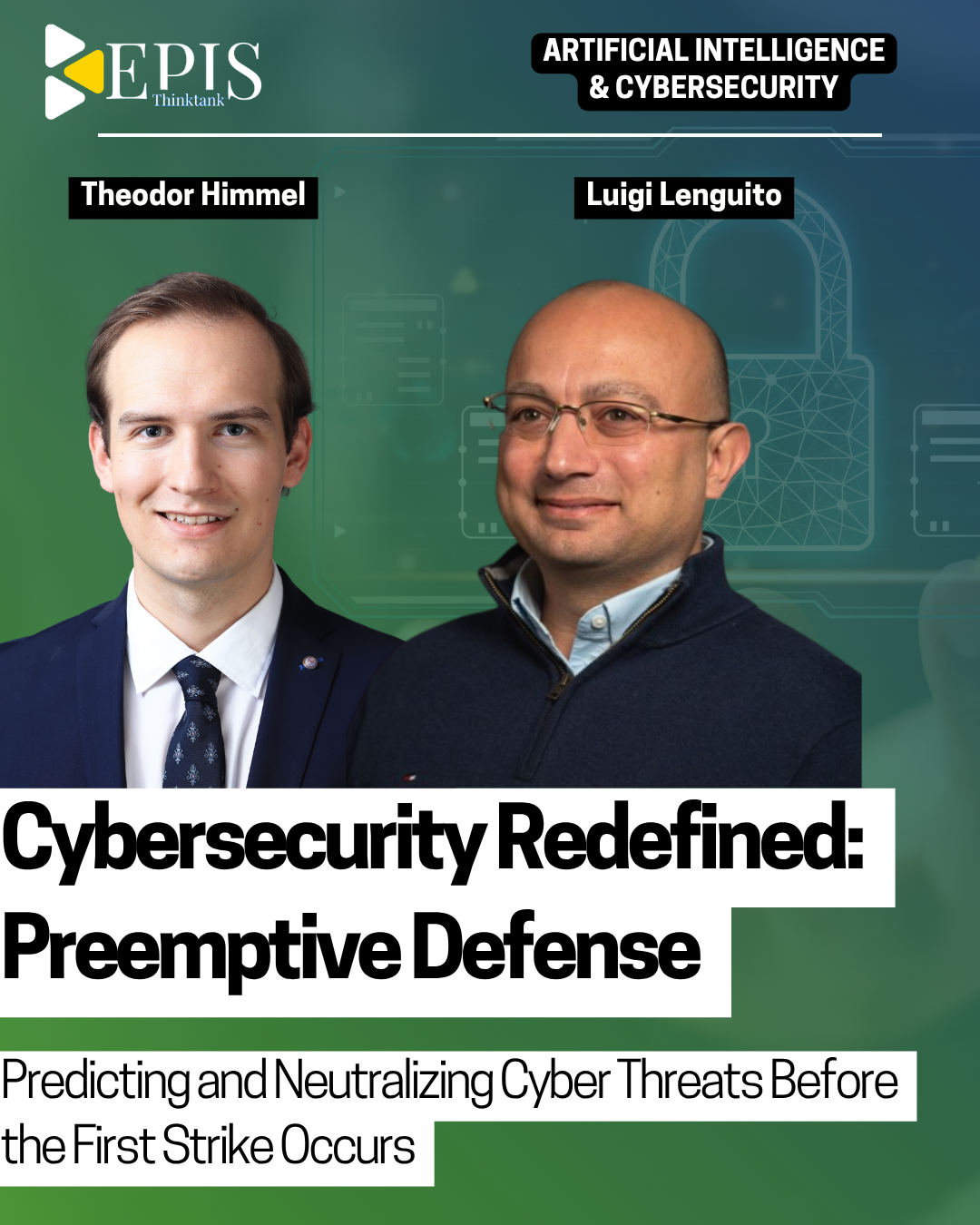
Cybersecurity Redefined: Preemptive Defense
How can organizations move beyond a “reactive” cybersecurity mindset that only addresses breaches after they have caused damage? By utilizing “Active Defense” and intelligence, companies can identify malicious infrastructure deployment weeks before an attack, allowing for preemptive disruption of network communication. Shifting the industry standard from “detection” to “preemption” creates a powerful global deterrent by…