Category: International Relations & Diplomacy
-
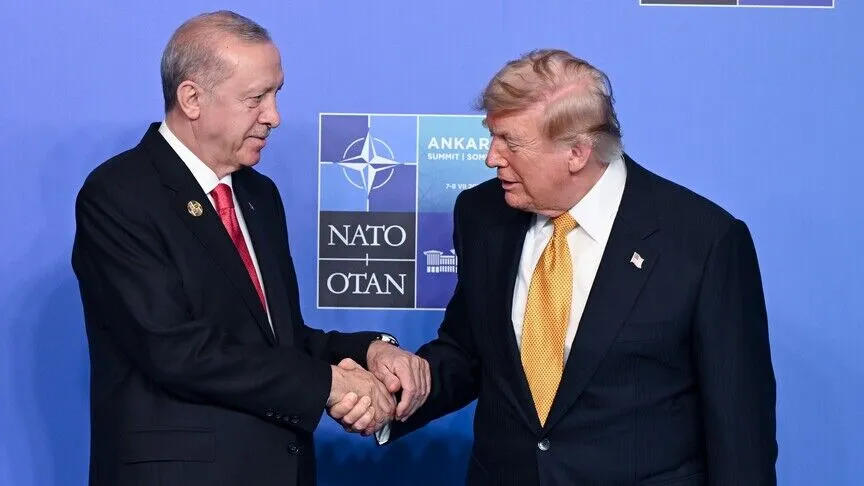
NATO Summit in Ankara
The 2026 NATO Summit in Ankara marked a shift toward “NATO 3.0,” focusing on increased defence spending and burden-sharing. Key outcomes included U.S. plans to lift sanctions on Türkiye, 70 billion dollars in aid for Ukraine, new multinational defence deals, and heightened tensions over Greenland.
-
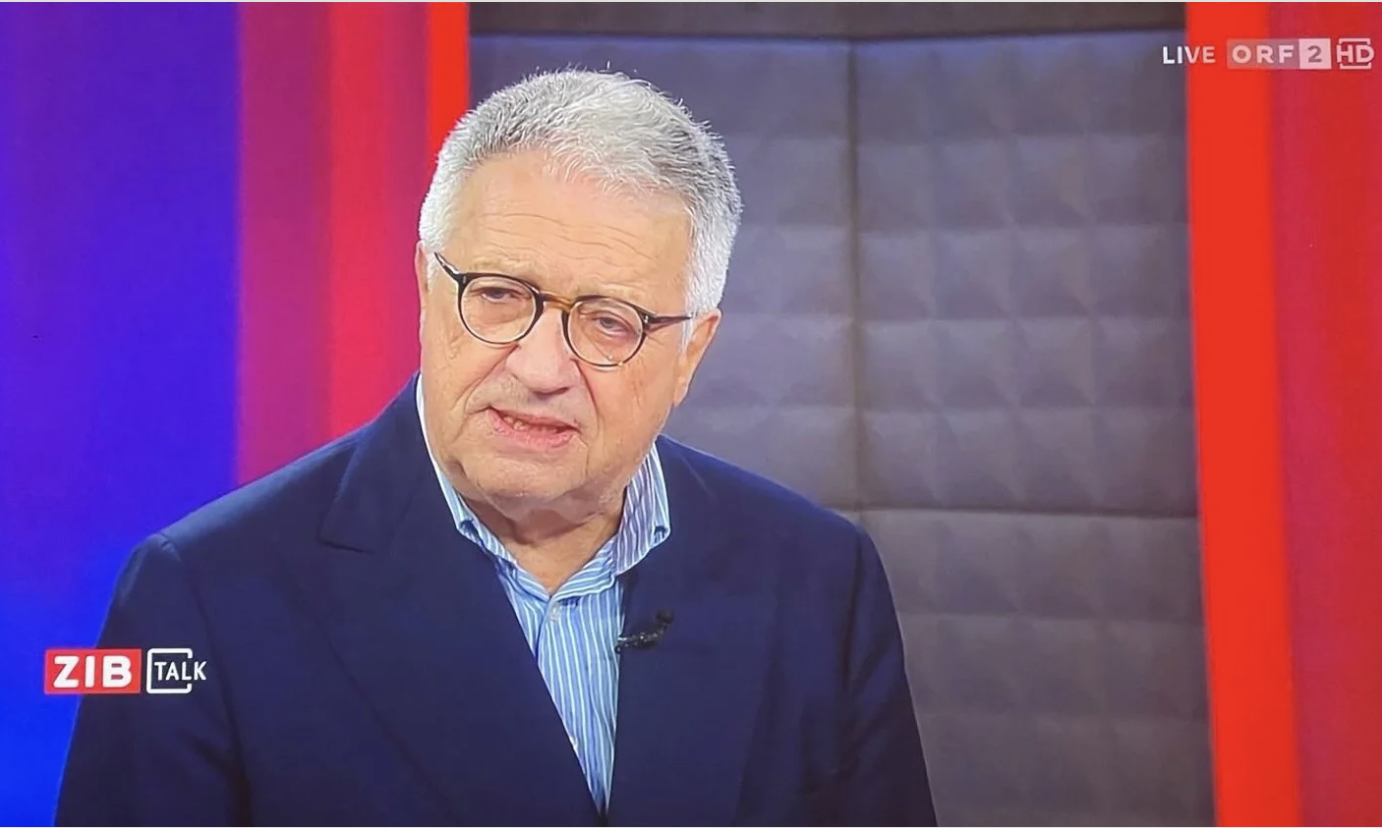
Art of Diplomacy
In an interview with EPIS, Ambassador Wolfgang Petritsch reflected on his diplomatic career, conflict negotiation, and the decline of multilateralism. He stressed engaging non-state actors for peace, the vital role of middle powers, and the need for patience, empathy, and human rights in diplomacy.
-

India Between Two Tables
India uses multi-alignment diplomacy to strengthen strategic autonomy, balancing partnerships such as BRICS and the Quad while maintaining foreign policy flexibility.
-

The ‘Emergency Government’: Kast’s First 100 Days
Kast has advanced his agenda rapidly, but early setbacks and cabinet reshuffles suggest that governing through a constant sense of emergency may be difficult to sustain.
-

Plaid Cymru, SNP, and the Cracking Union
The UK elections renewed debate over independence as Plaid Cymru advanced in Wales and the SNP strengthened its position in Scotland, keeping constitutional questions in focus.
-

Somali State Building and Sub-State Actors
This article examines how Somali leaders Ahmed Madobe and Saeed Abdullahi Deni use political competition to strengthen their influence while remaining constrained by external support and institutional limits.
-

Lessons from the Black Sea Forum
Interview with former German Defence Minister Annegret Kramp-Karrenbauer on Ukraine’s resilience, Europe’s responsibility, and why political will and civic engagement remain essential for lasting peace.
-

Dependency Theory
Main Question: Why do some countries remain economically dependent despite participating in the global economy and attracting foreign investment? Argument: Dependency Theory argues that the benefits of international economic integration are distributed unevenly, with core economies often benefiting more than peripheral economies. Conclusion: The theory remains relevant because it continues to inform debates about foreign…
-

Making Geopolitics Accessible
How can geopolitics remain accessible in an age of shrinking attention spans? Andreas Grassl discusses trust, short-form content, polarization, and the changing future of political communication.
-
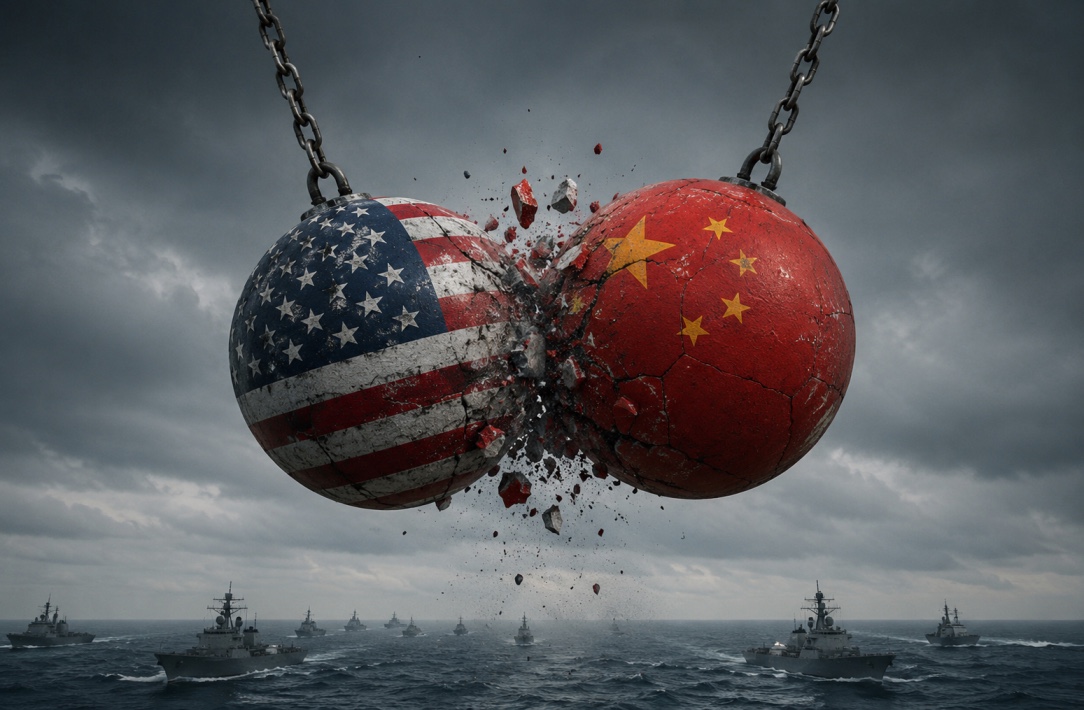
The Paradox of Power
The U.S. remains unmatched in military reach, yet sustaining prolonged conflict increasingly depends on fragile supply chains, industrial capacity, and critical materials shaped by China.