Category: International Relations & Diplomacy
-

The Arab Springs in Yemen : A stolen revolution
This article examines how external intervention in the Yemeni revolution contributed to one of the most severe humanitarian crises of our time. By prioritizing foreign interests over those of the local population, the Gulf Cooperation Initiative neglected the urgent needs of Yemeni society, driving the country into a regional conflict and deeper instability than before.…
-

What Post-Brexit Britain Can Learn From the Past
Britain’s strategy has long relied on alliances, balancing Europe, and deterring Russia. Today, sustaining that approach requires adapting to new global realities and rebuilding domestic strength.
-
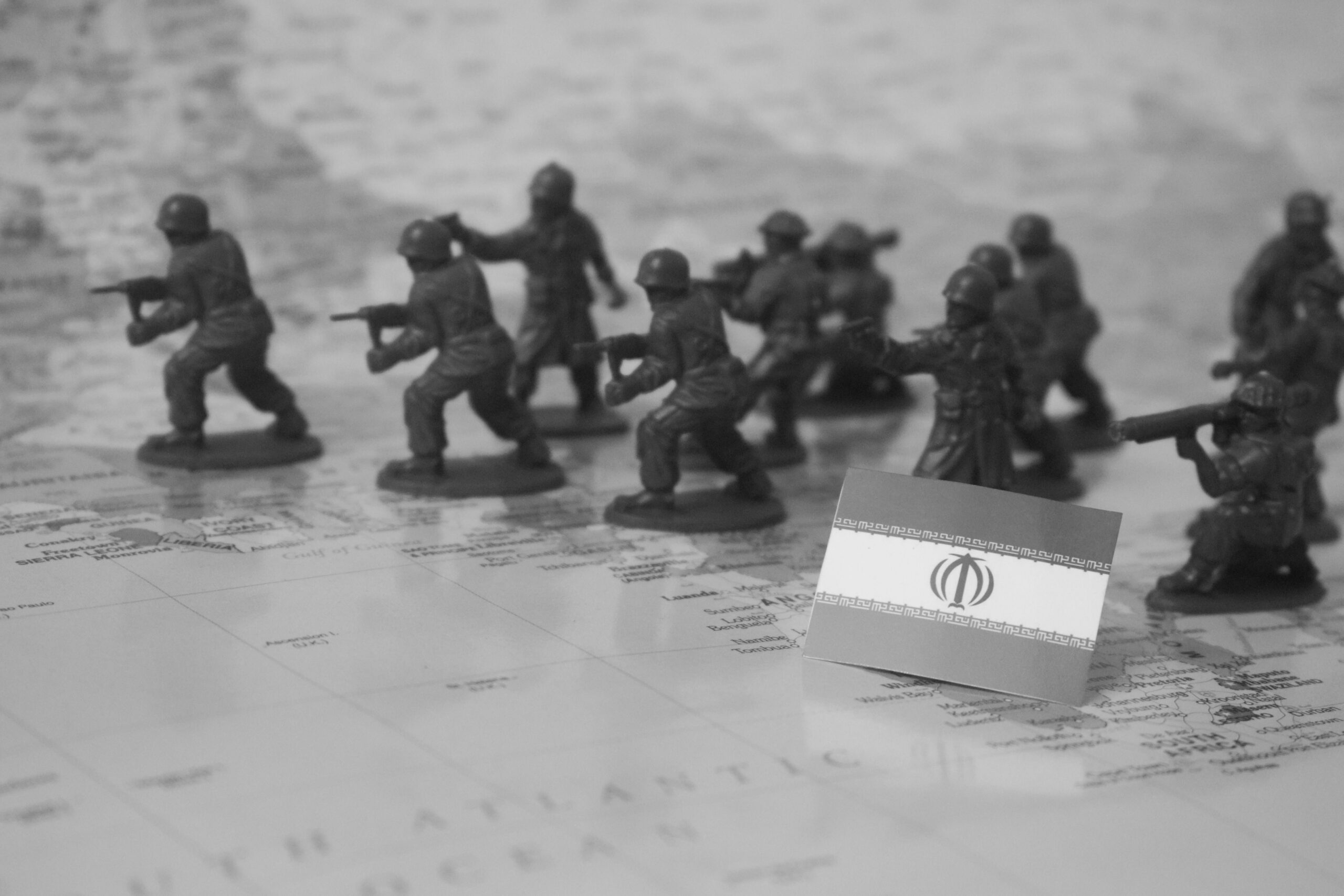
Fault Lines Eastward
The article argues that the Iranian War has reshaped Eurasian logistics, increasing the strategic importance of Kazakhstan and Uzbekistan while creating new partnership opportunities for Western countries.
-

Beyond the Pitch
When FIFA awarded the 2026 World Cup to a joint bid from the United States, Canada, and Mexico, the decision was widely celebrated as a testament to North American cooperation. The tournament would be the largest in football history, spanning three countries, sixteen host cities, and millions of spectators. More importantly, it would demonstrate how…
-
Limited Statehood
Limited Statehood: How Armed Groups Fill Governance Gaps in Sub-Saharan Africa When state authority is weak or absent, armed groups may seize the opportunity not only to fight national authorities, but also to create rules, tax civilians, regulate behaviour, impose their own concept of justice, and act as de facto governments claiming authority over civilian…
-

Saudi Arabia and the Abraham Accords
HeadlineSaudi Arabia and Israel: A Complicated Route Toward Normalisation AuthorsJoseph Ayinla & Marcel Lesik Working GroupMENA Overall SummarySaudi Arabia’s approach to Israel reflects its broader ambition to become a leading regional and global power, using normalisation as leverage for US security support, economic modernization and influence over the post-war Middle East. One-Sentence Summary of Each…
-
Democratic backsliding in Latin America
Democratic backsliding in Latin America: erosion from within and the case of Argentina In modern politics, Latin America has often served as a perfect real-world laboratory for studying major political changes. The “Third Wave” of democratization, which swept the region during the late twentieth century, systematically replaced military dictatorships with institutional architectures grounded in electoral…
-

Terrorism Spillover in the Sahel
Terrorism spillover is driven by cross-border mobility, recruitment, and local grievances. Ghana demonstrates how resilient institutions and community trust can reduce the risk of extremist expansion despite its proximity to the Sahel.
-
United States and China Strategic Competition
Main Question: Does China’s rise threaten North American security and economic interests? Argument: Military modernization, supply chain competition, and coordinated political interference across Canada and the US exploit Western vulnerabilities while Mexico’s institutional isolation compounds regional weakness. Conclusion: Trilateral enforcement coordinating cybersecurity, supply chains, and intelligence sharing is essential to counter this threat.
-
One partnership – Three trajectories?
Main question: Why were the protests in Moldova (2009) and Ukraine (2014) successful, while they were suppressed in Belarus (2020)?