Tag: International Cooperation
-
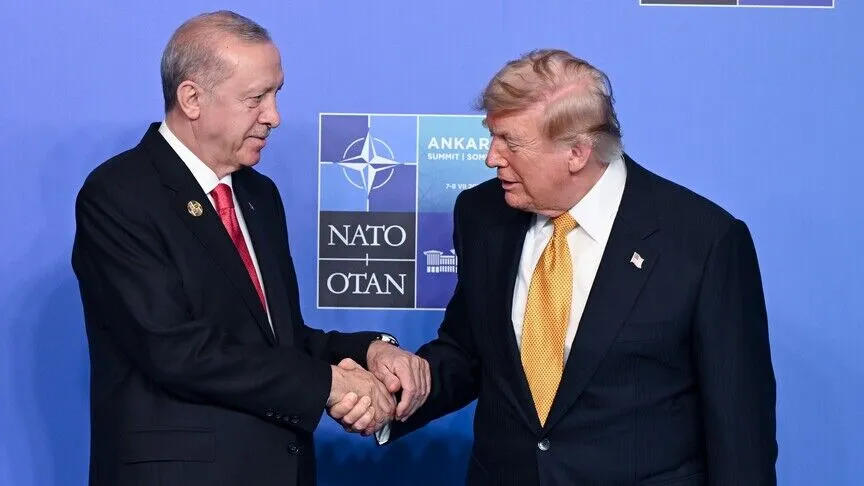
NATO Summit in Ankara
The 2026 NATO Summit in Ankara marked a shift toward “NATO 3.0,” focusing on increased defence spending and burden-sharing. Key outcomes included U.S. plans to lift sanctions on Türkiye, 70 billion dollars in aid for Ukraine, new multinational defence deals, and heightened tensions over Greenland.
-
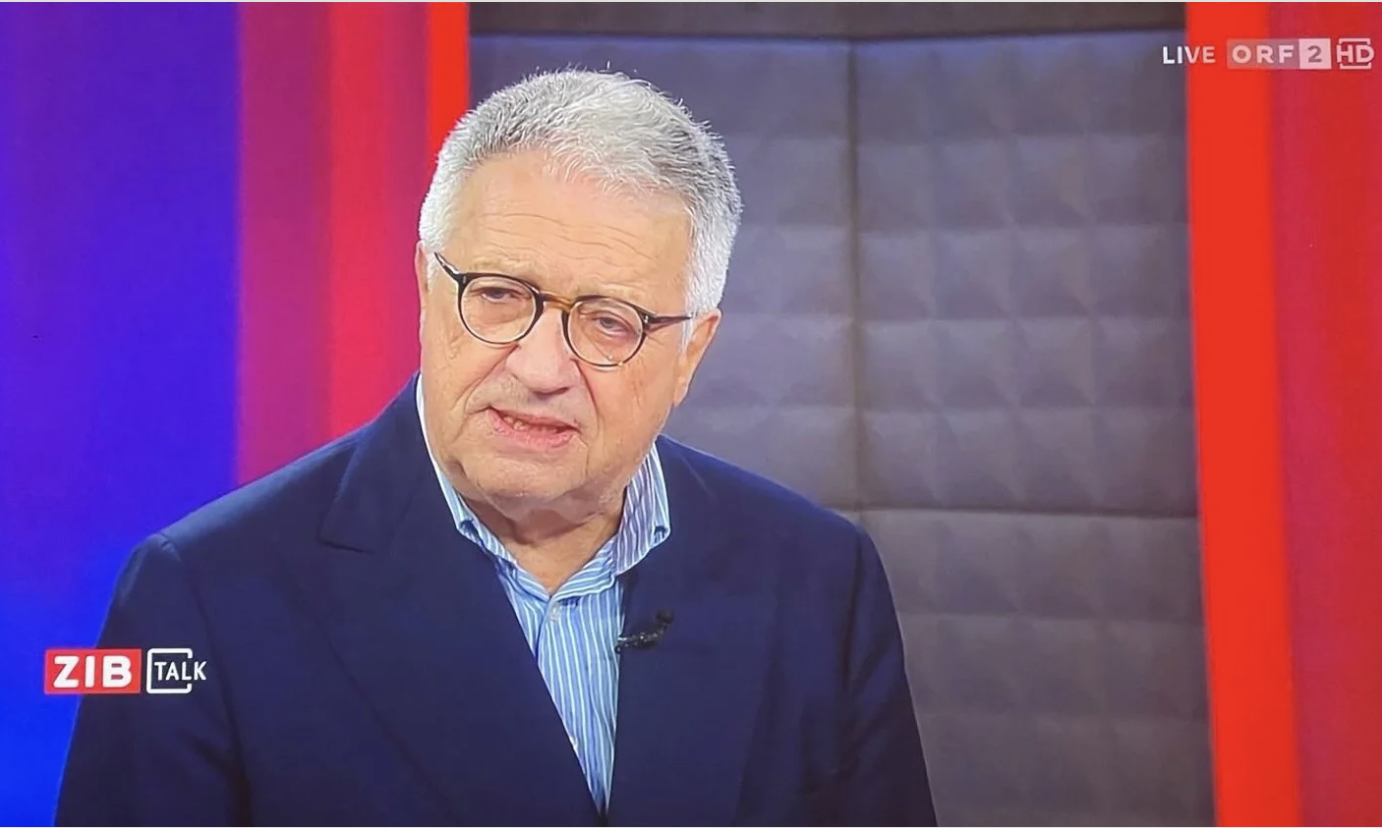
Art of Diplomacy
In an interview with EPIS, Ambassador Wolfgang Petritsch reflected on his diplomatic career, conflict negotiation, and the decline of multilateralism. He stressed engaging non-state actors for peace, the vital role of middle powers, and the need for patience, empathy, and human rights in diplomacy.
-
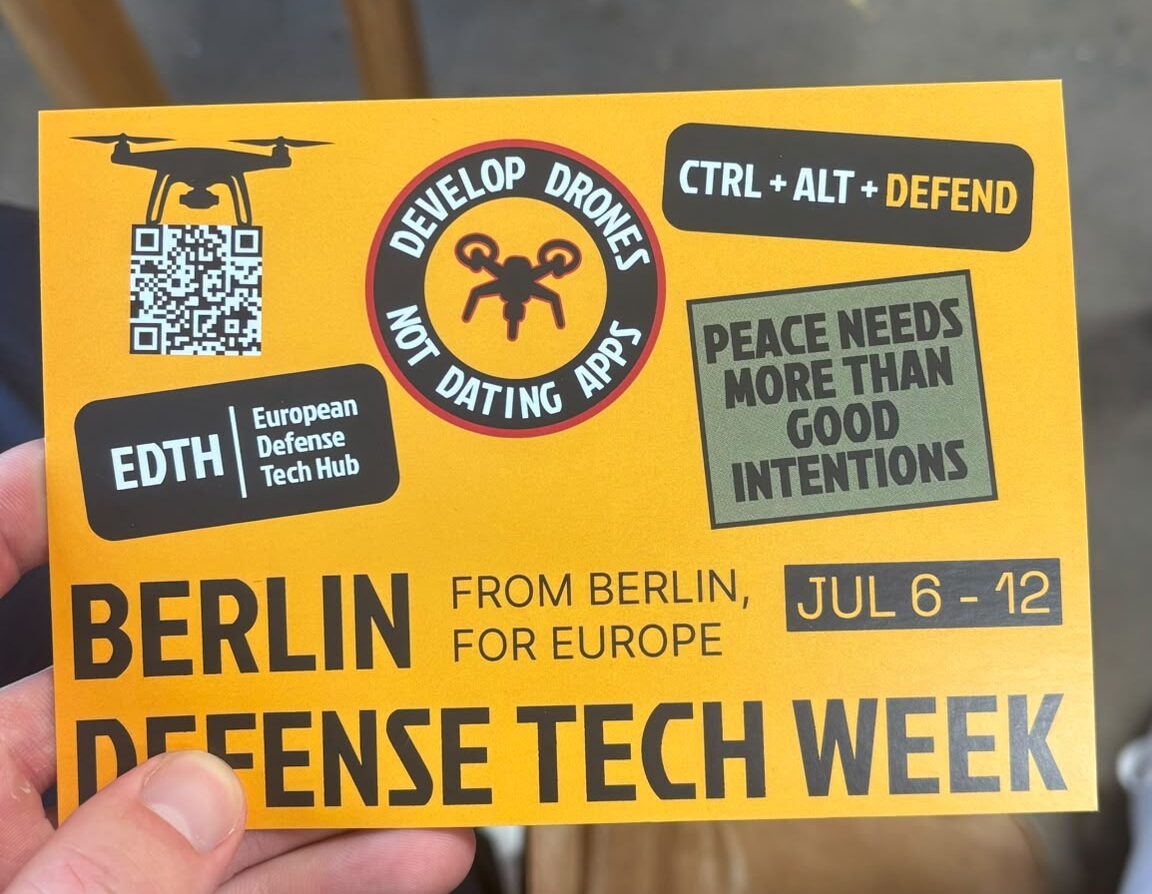
Berlin Defense Tech Forum 2026
The Berlin Defense Tech Forum 2026 highlighted that successful defense innovation must be driven by battlefield needs. Ukrainian soldiers emphasized practicality, affordability, and rapid adaptation over technological complexity.
-

Bridging Diplomacy and Sustainability
In an interview with EPIS, Halima Rahmatova talks about her journey from self-directed student in Uzbekistan to a sustainability specialist in Geneva. She discusses Central Asia’s water crises through unified policy, and why the next generation must bring bold audacity to global policymaking.
-
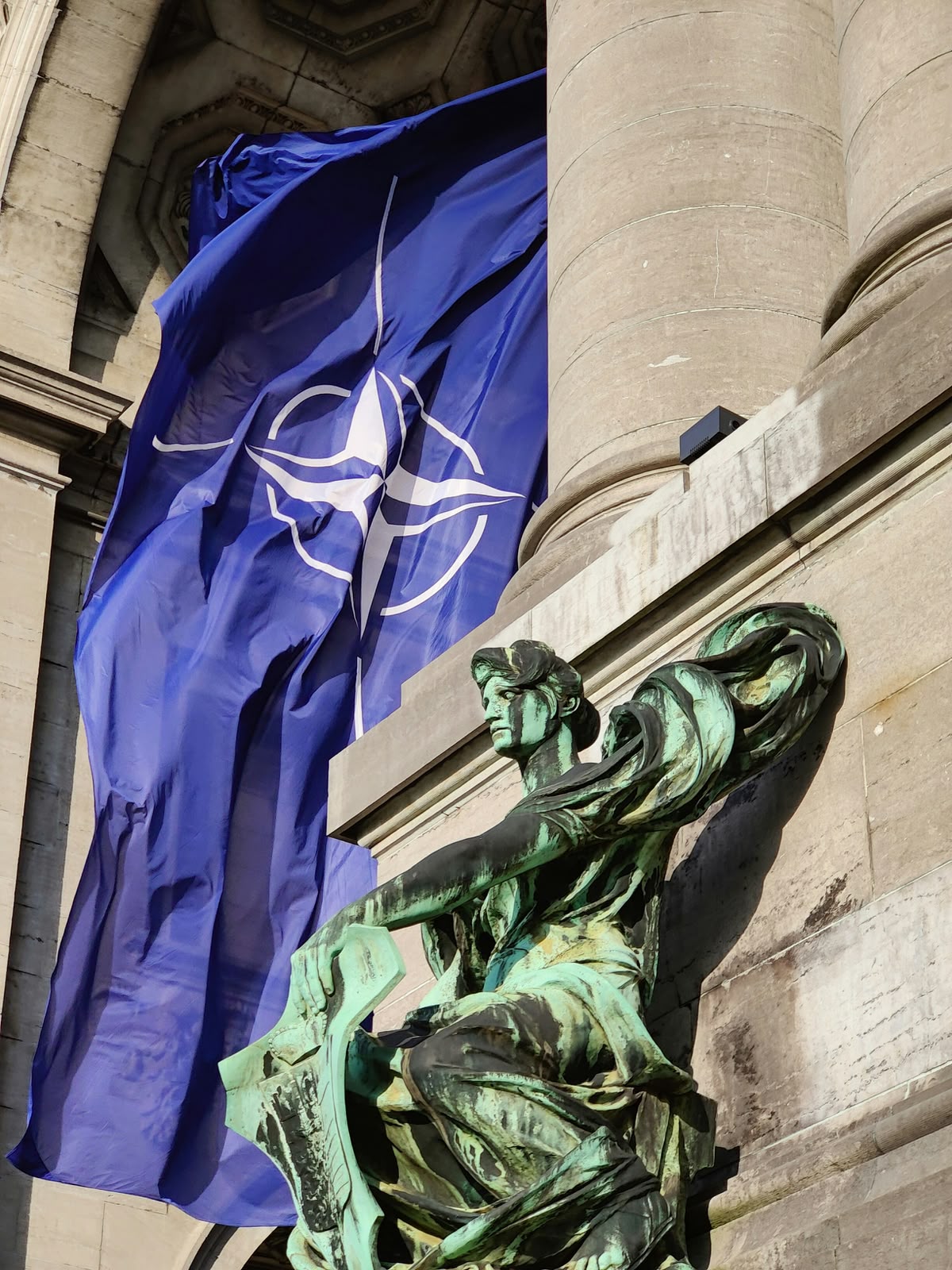
NATO 3.0: Burden-Sharing or Strategic Retreat?
On 7–8 July 2026, Ankara hosted the annual NATO summit. The gathering brought together transatlantic decision-makers to negotiate a series of major commitments and decisions.
-

It’s a (Wo)Men’s World
Gender equality requires more than formal rights. The article argues that workplace culture, leadership norms, and hidden barriers must be actively challenged to achieve lasting progress.
-
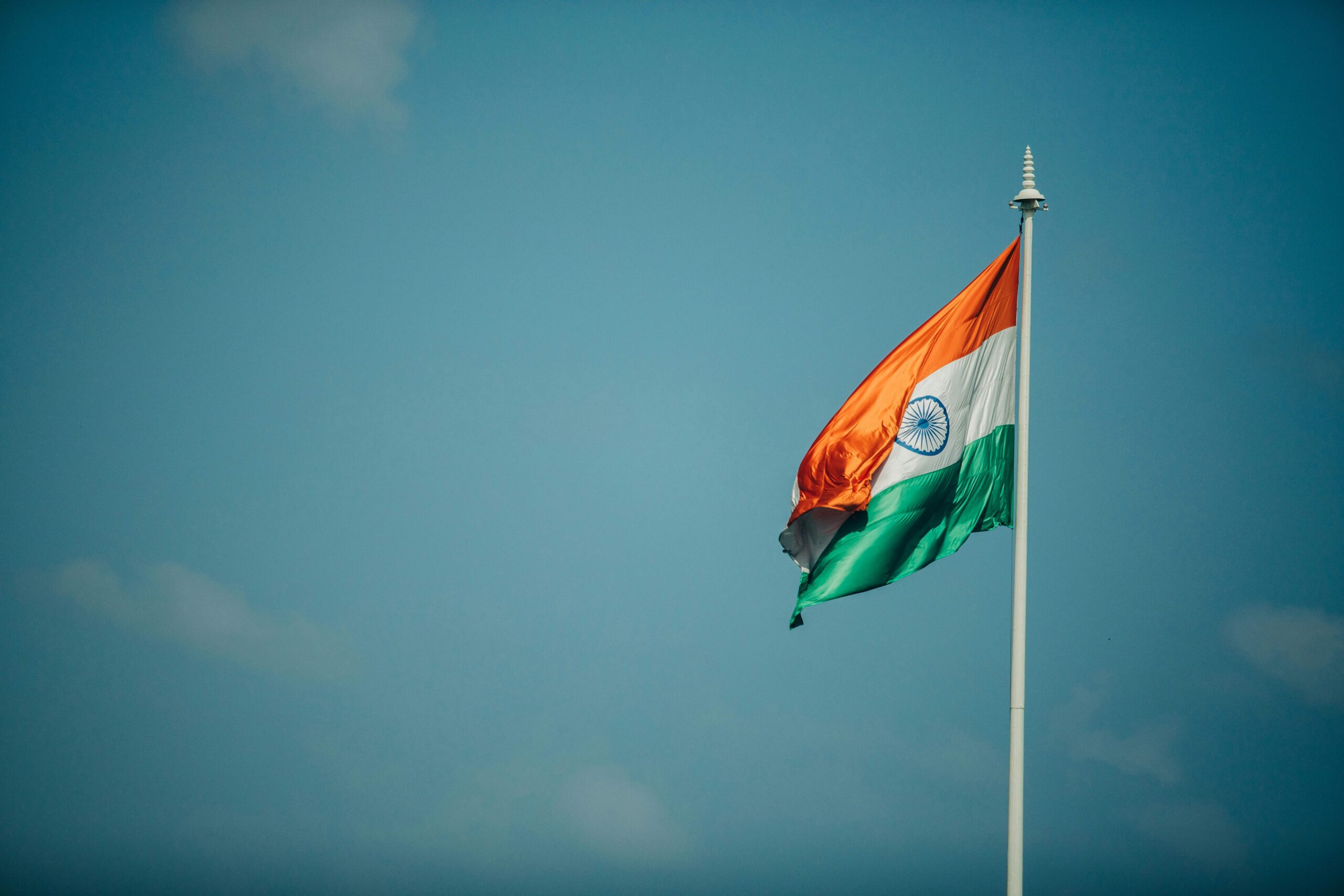
India Between Two Tables
India uses multi-alignment diplomacy to strengthen strategic autonomy, balancing partnerships such as BRICS and the Quad while maintaining foreign policy flexibility.
-
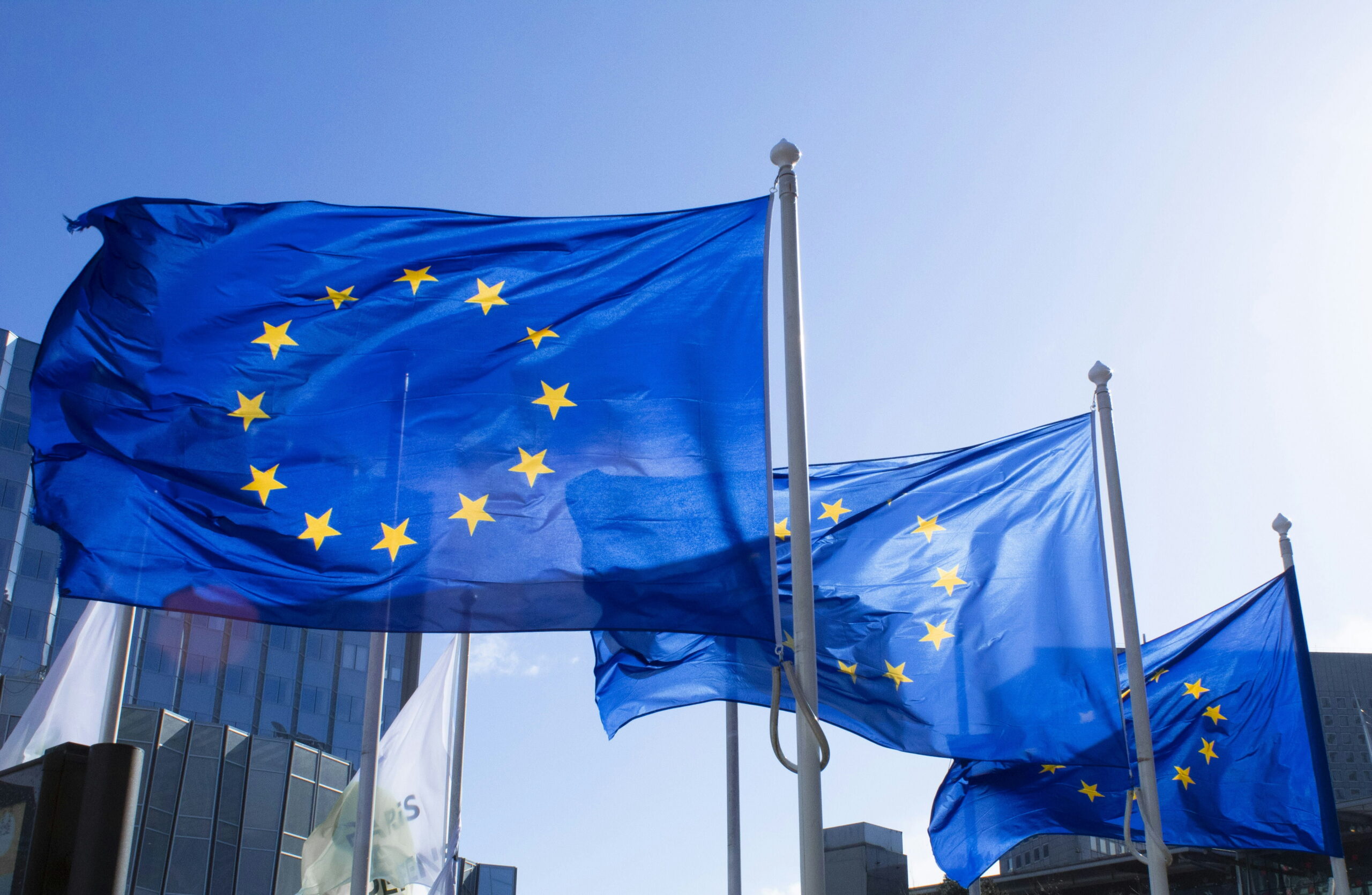
Sky is the Limit? FCAS Stress-Tests EU Defence
The FCAS collapse highlights how leadership disputes, export rules, intellectual property, and differing national priorities can undermine European defense cooperation.
-
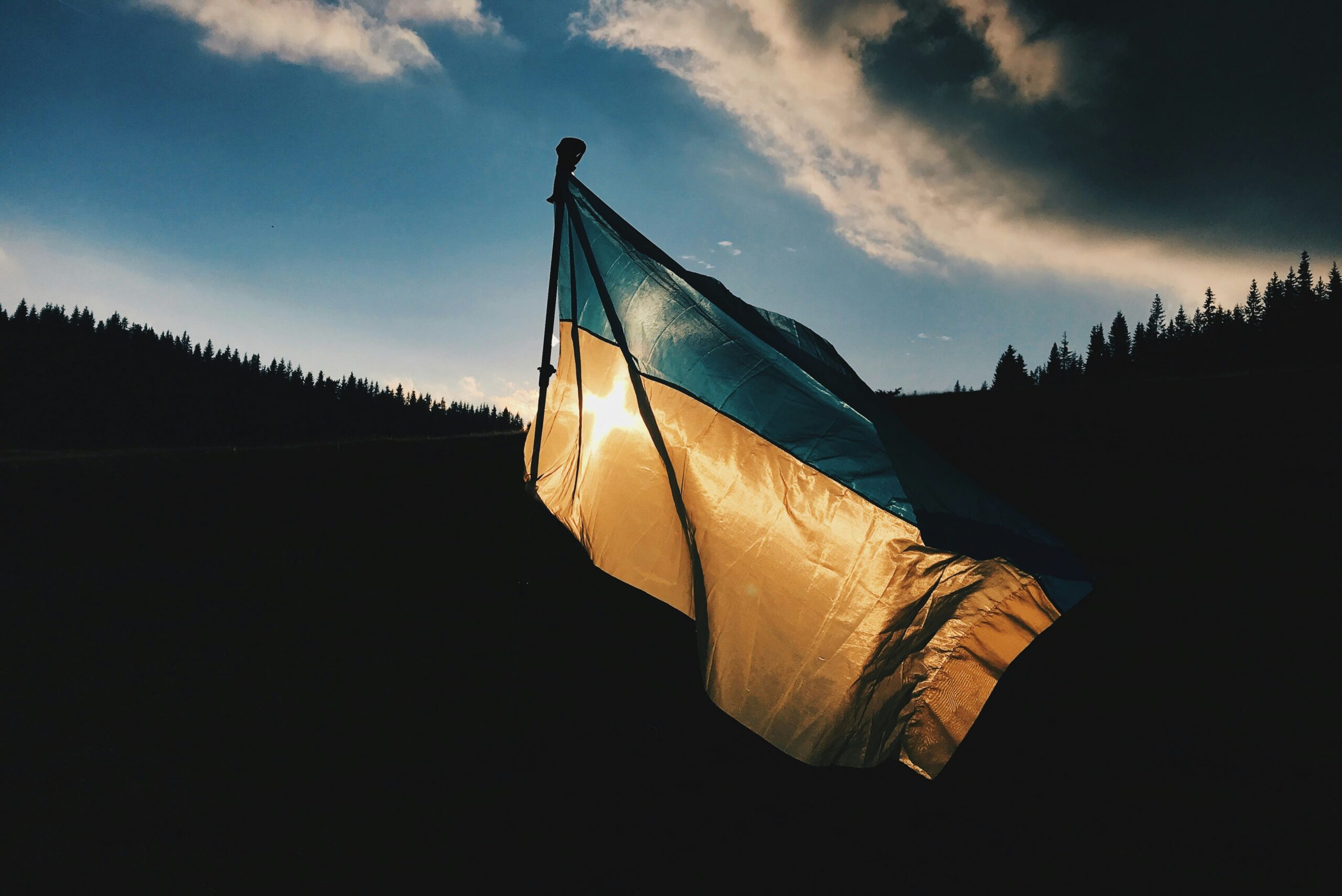
Recovery Under Fire
The Black Sea Security Forum highlighted that Ukraine’s survival, Black Sea security, and Europe’s future defense are closely linked through sustained political, economic, and military support.
-

The United States-Mexico-Canada Agreement (USMCA)
The USMCA strengthens trade by protecting businesses, innovators, and workers while promoting economic growth and closer cooperation among its member countries.