Tag: International Cooperation
-

The ‘Emergency Government’: Kast’s First 100 Days
Kast has advanced his agenda rapidly, but early setbacks and cabinet reshuffles suggest that governing through a constant sense of emergency may be difficult to sustain.
-

The Vienna Convention on the Law of Treaties
The Vienna Convention on the Law of Treaties provides the legal framework for creating, interpreting, amending, and ending treaties, forming the foundation of modern treaty law.
-

Plaid Cymru, SNP, and the Cracking Union
The UK elections renewed debate over independence as Plaid Cymru advanced in Wales and the SNP strengthened its position in Scotland, keeping constitutional questions in focus.
-

Hybrid Security Regimes in Practice
Hybrid security regimes are deliberate political strategies that expand state influence through flexible, state-aligned networks rather than relying solely on formal institutions.
-

The Paradox of Tunisia’s Arab Spring
The Jasmine Revolution showed that lasting democracy depends not only on constitutional reform but also on strong institutions, accountability, and socioeconomic progress.
-

The EU’s Support Against Russian Hybrid Threats
The EU has applied lessons from Moldova to help Armenia strengthen resilience against disinformation and hybrid threats ahead of its 2026 parliamentary elections.
-

Challenges and Opportunities of Political Communication: A Conversation with Meltem Seker
In an era dominated by rapid-fire video and algorithmic echo chambers, who gets to shape our political understanding? Political scientist and digital creator Meltem Seker sits down with Marco Valerio Tauro to dissect the structural challenges of modern media, the danger of an online “expertise vacuum,” and the vital responsibility of bringing academic nuance to…
-

The paradox of obedience
AI that reinforces rather than challenges military assumptions could weaken decision-making. The article argues Europe needs AI systems that embed structured dissent, not compliance.
-

TechNet International 2026
TechNet International 2026 highlighted the need for secure, data-centric defense, emphasizing lifecycle data protection and AI that supports—not replaces—human decision-making.
-
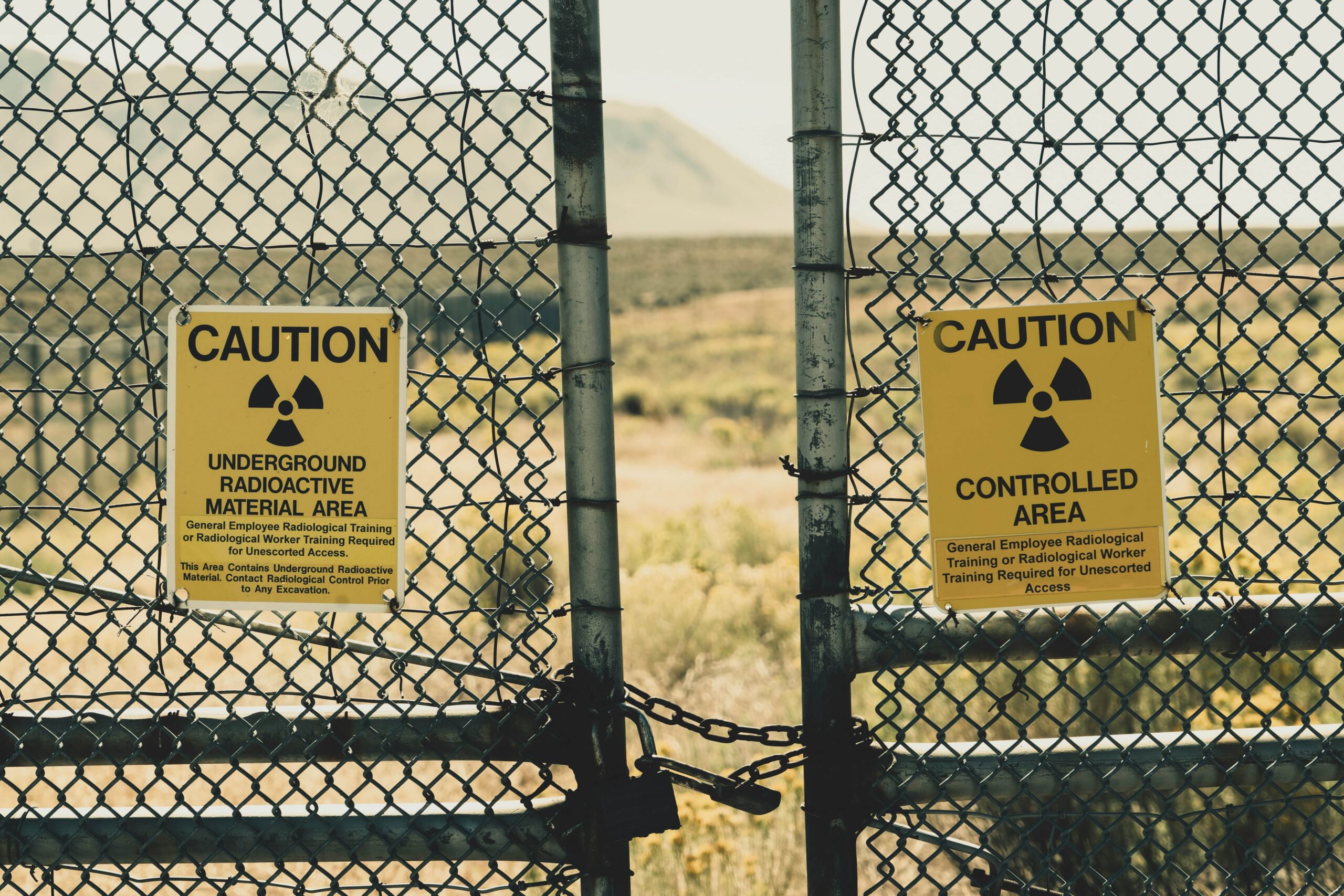
Escalation in the Dark
China’s nuclear expansion is increasing uncertainty around crisis decision-making, making deterrence less predictable and raising the risk of miscalculation, especially over Taiwan.