Tag: Human Rights Promotion
-

The Baltic Shield
The Baltic states are strengthening NATO’s eastern flank with Ukraine-inspired defenses, preparing to deter both hybrid and conventional Russian threats from day one.
-

The AI Infrastructure Leverage Framework
Governments can shape AI by using infrastructure, energy, and regulation as bargaining tools to secure compute-sharing, data residency, and public benefits without nationalizing private firms.
-
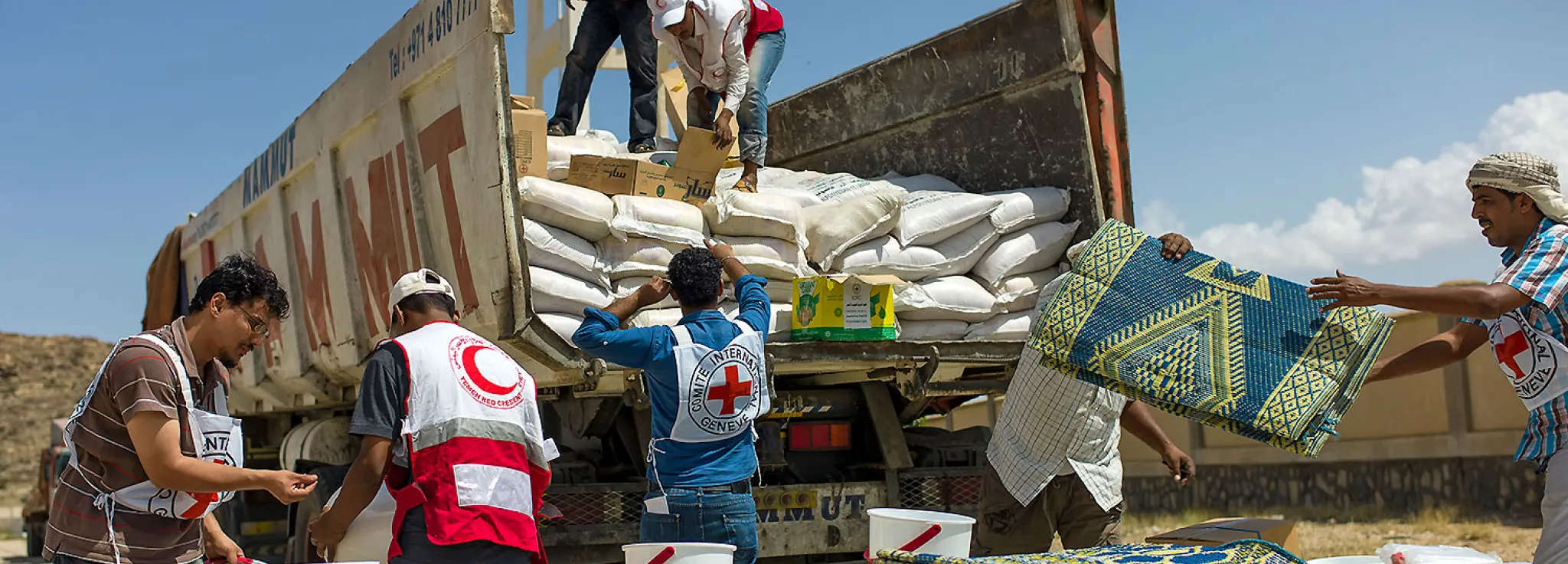
Community‑Run Aid Networks in Yemen
How have community‑run aid networks adapted to Yemen’s blockade? They have responded to severe limits on movement, resources, and access by decentralizing decisions, building local supply chains, strengthening community trust, and adopting flexible management.
-

The Atomic Bomb We Haven’t Faced (Yet)
Does Anthropic’s Mythos change cybersecurity or is it overhyped? While AI lowers the barrier for cyberattacks, Europe’s biggest challenge remains enforcing NIS2, with human error still the weakest link.
-

Terrorism Spillover in the Sahel
Terrorism spillover is driven by cross-border mobility, recruitment, and local grievances. Ghana demonstrates how resilient institutions and community trust can reduce the risk of extremist expansion despite its proximity to the Sahel.
-
Reform without inclusion?
– Main question: can BiH strengthen rule of law and fundamental rights while preserving a constitutionally exclusionary system? – Main argument: the post-Dayton framework institutionalised ethnopolitical division, while veto mechanisms and sectarian incentives obstruct reform. – Conclusion: democratic transformation depends on gradually expanding more inclusive and civic-based political participation within existing institutional structures.
-

Eyes from above
Is it possible or necessary to use satellites to prevent human trafficking and forced labour? Yes it is necessary, as this allows us to identify and combat the structures that enable such practices more quickly. There is still a great amount of work to be done before this idea can be put into practice.
-
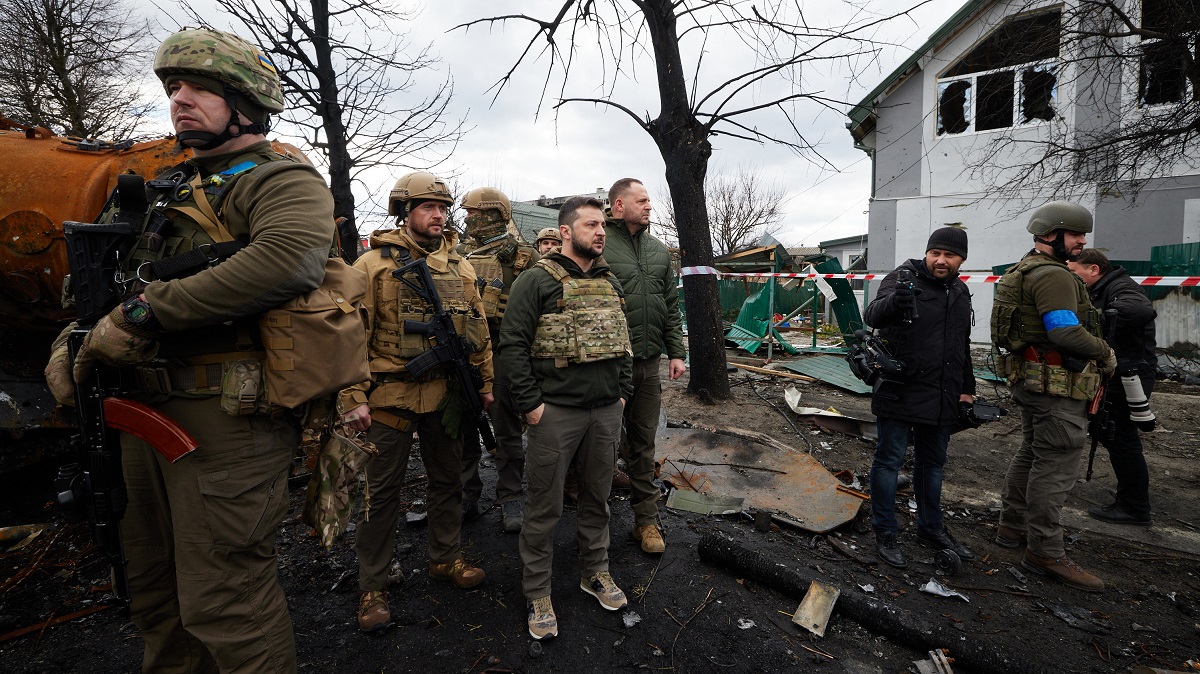
Policy Paper: The Cost of Unpredictability
Main question: how can policymakers address and navigate current geopolitical situation? Argument: Due to the absence of a central authority in the international system, states must rely on self-help. Conclusion: Policymakers should therefore adopt a hedging strategy by diversifying sector-specific partnerships in critical domains such as energy security, supply chains, and digital infrastructure, as heavy…
-
Iranian Resistence between Opression and War:
1. Sanaie links her family’s persecution to support for the NCRI and its vision of a secular democratic Iran. 2. She says protests are driven by repression, economic crisis, and violent state crackdowns. 3. Sanaie rejects foreign intervention and monarchy restoration, arguing only organized internal resistance can bring change.
-
The continued fight for democracy
the reoprt follows how different countries in the MENA region have been shaped by the arab spring, focussing on its effects on 1. the legal political systems 2. the socio-political impact 3. the role of regional/domestic and international human rights organisations – providing a comparative overview of the differences and similiarities shaping MENA