Tag: Crisis Management
-
Fault Lines Eastward
The article argues that the Iranian War has reshaped Eurasian logistics, increasing the strategic importance of Kazakhstan and Uzbekistan while creating new partnership opportunities for Western countries.
-
The Baltic Shield
The Baltic states are strengthening NATO’s eastern flank with Ukraine-inspired defenses, preparing to deter both hybrid and conventional Russian threats from day one.
-

The AI Infrastructure Leverage Framework
Governments can shape AI by using infrastructure, energy, and regulation as bargaining tools to secure compute-sharing, data residency, and public benefits without nationalizing private firms.
-
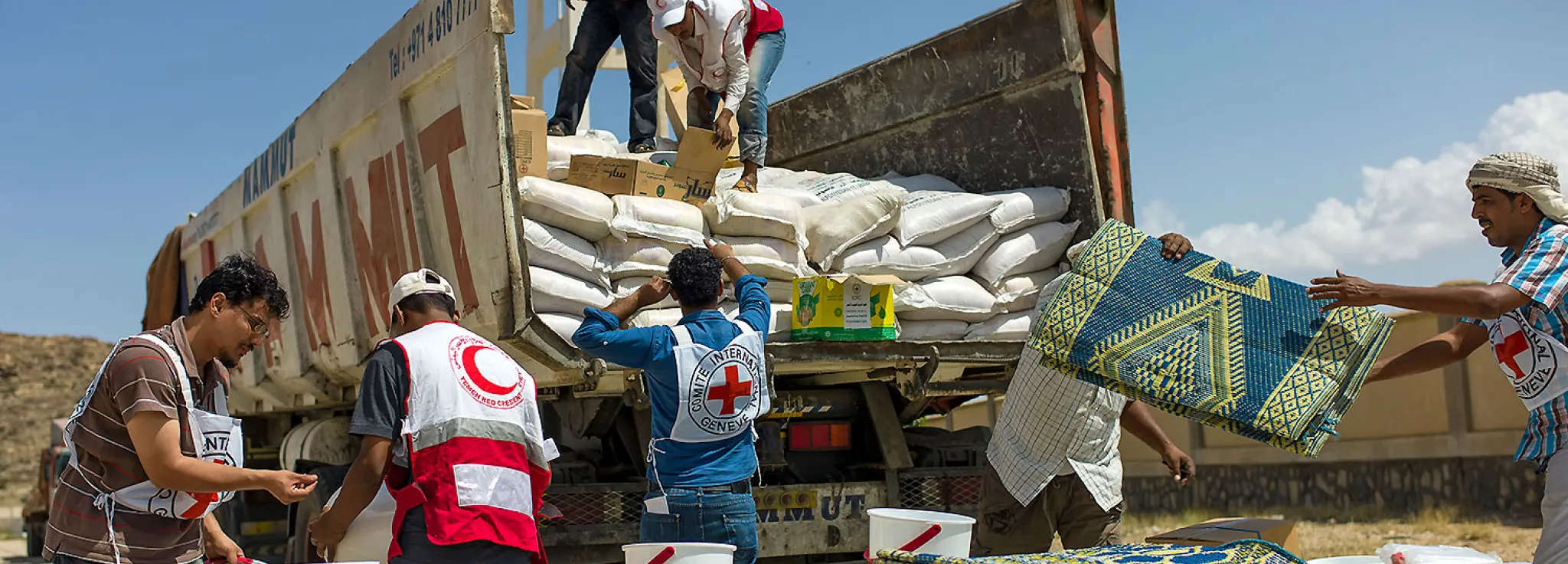
Community‑Run Aid Networks in Yemen
How have community‑run aid networks adapted to Yemen’s blockade? They have responded to severe limits on movement, resources, and access by decentralizing decisions, building local supply chains, strengthening community trust, and adopting flexible management.
-
The Atomic Bomb We Haven’t Faced (Yet)
Does Anthropic’s Mythos change cybersecurity or is it overhyped? While AI lowers the barrier for cyberattacks, Europe’s biggest challenge remains enforcing NIS2, with human error still the weakest link.
-

Terrorism Spillover in the Sahel
Terrorism spillover is driven by cross-border mobility, recruitment, and local grievances. Ghana demonstrates how resilient institutions and community trust can reduce the risk of extremist expansion despite its proximity to the Sahel.
-
South Africa – Xenophobia or Inequality?
The main question is, what is the nature of the recurring anti-immigration violence in post-apartheid South Africa, and what are its systemic causes and consequences? The violence is driven not only by structural inequality and political scapegoating, but also by the resulting microeconomic instability that deters foreign capital and deepens severe diplomatic fractures, ultimately compromising…
-

Allies in Uncertain Times
How did the EU respond to Trump-era uncertainty in U.S. foreign policy? Rather than abandoning the transatlantic alliance, it diversified its partnerships and pursued limited strategic autonomy while maintaining close cooperation with the United States.
-
Bahrain after the Arab Spring
This article asks why Bahrain’s Arab Spring uprising failed to produce democratic change. It argues that the monarchy survived through repression, opposition exclusion, sectarian framing, and regional Gulf backing. The conclusion is that Bahrain illustrates authoritarian reconsolidation: formal institutions remained, but political space became more closed.
-
Morocco’s Dual Strategy of Control
Main question: Why has Morocco experienced renewed youth-led protest (GENZ212) more than a decade after the Arab Spring, despite formal political reform and institutional stability? Argument: Morocco’s post-2011 stability is the result of a dual process of top-down reforms and repression Conclusion: The GENZ212 protests are not a new phen but the re-emergence of unresolved…