Tag: Military Alliances
-

The IDSF on security challenges in the Middle East
According to IDSF, Israel’s security relies on national resilience, technological innovation, and regional partnerships, while deradicalization remains essential for long-term Middle East stability.
-

The Unfinished Peace
Northern Ireland shows that peace is not the absence of conflict but the ability to manage political and social divisions without returning to violence.
-
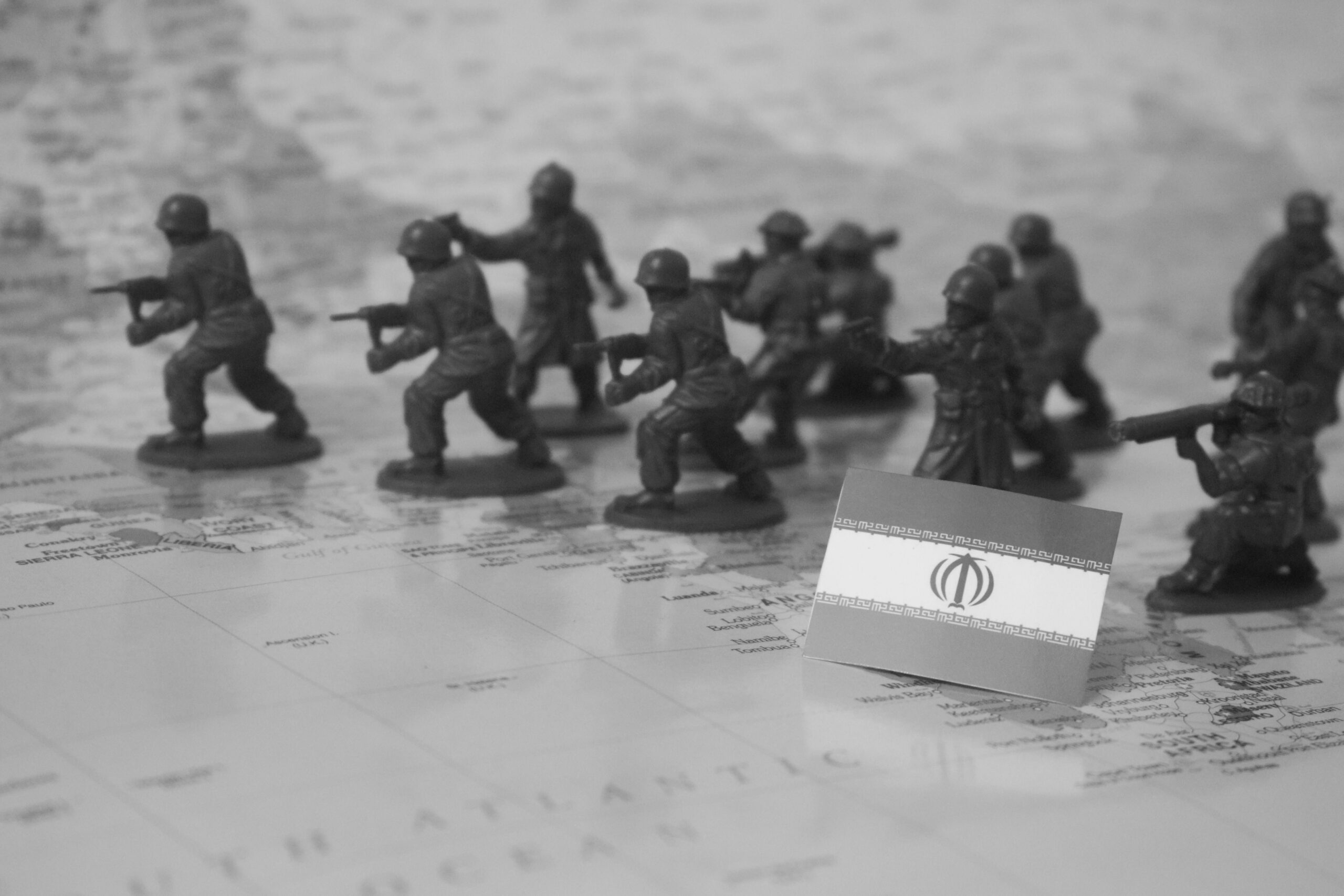
Fault Lines Eastward
The article argues that the Iranian War has reshaped Eurasian logistics, increasing the strategic importance of Kazakhstan and Uzbekistan while creating new partnership opportunities for Western countries.
-
The Baltic Shield
The Baltic states are strengthening NATO’s eastern flank with Ukraine-inspired defenses, preparing to deter both hybrid and conventional Russian threats from day one.
-

The AI Infrastructure Leverage Framework
Governments can shape AI by using infrastructure, energy, and regulation as bargaining tools to secure compute-sharing, data residency, and public benefits without nationalizing private firms.
-
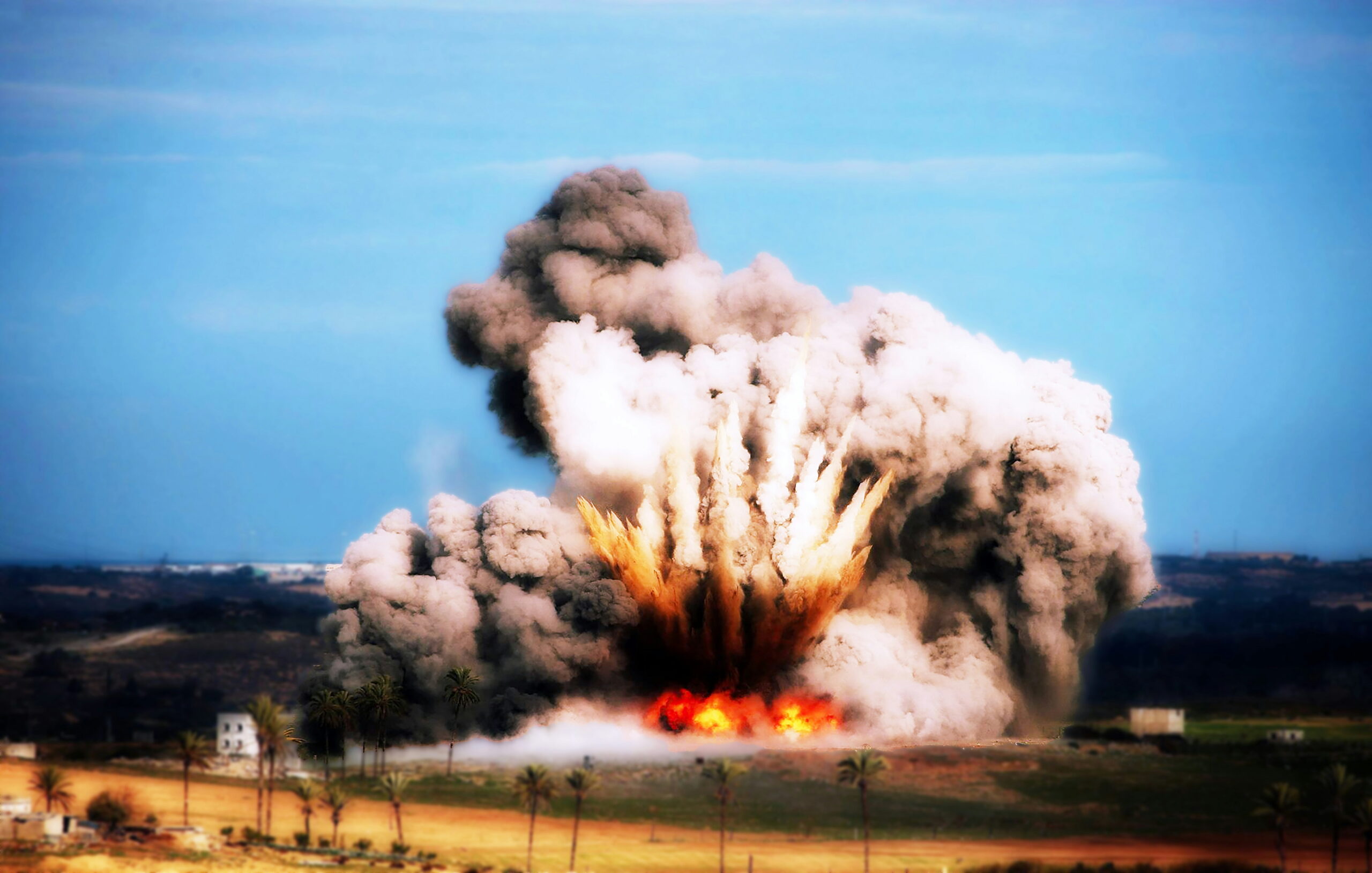
The Atomic Bomb We Haven’t Faced (Yet)
Does Anthropic’s Mythos change cybersecurity or is it overhyped? While AI lowers the barrier for cyberattacks, Europe’s biggest challenge remains enforcing NIS2, with human error still the weakest link.
-
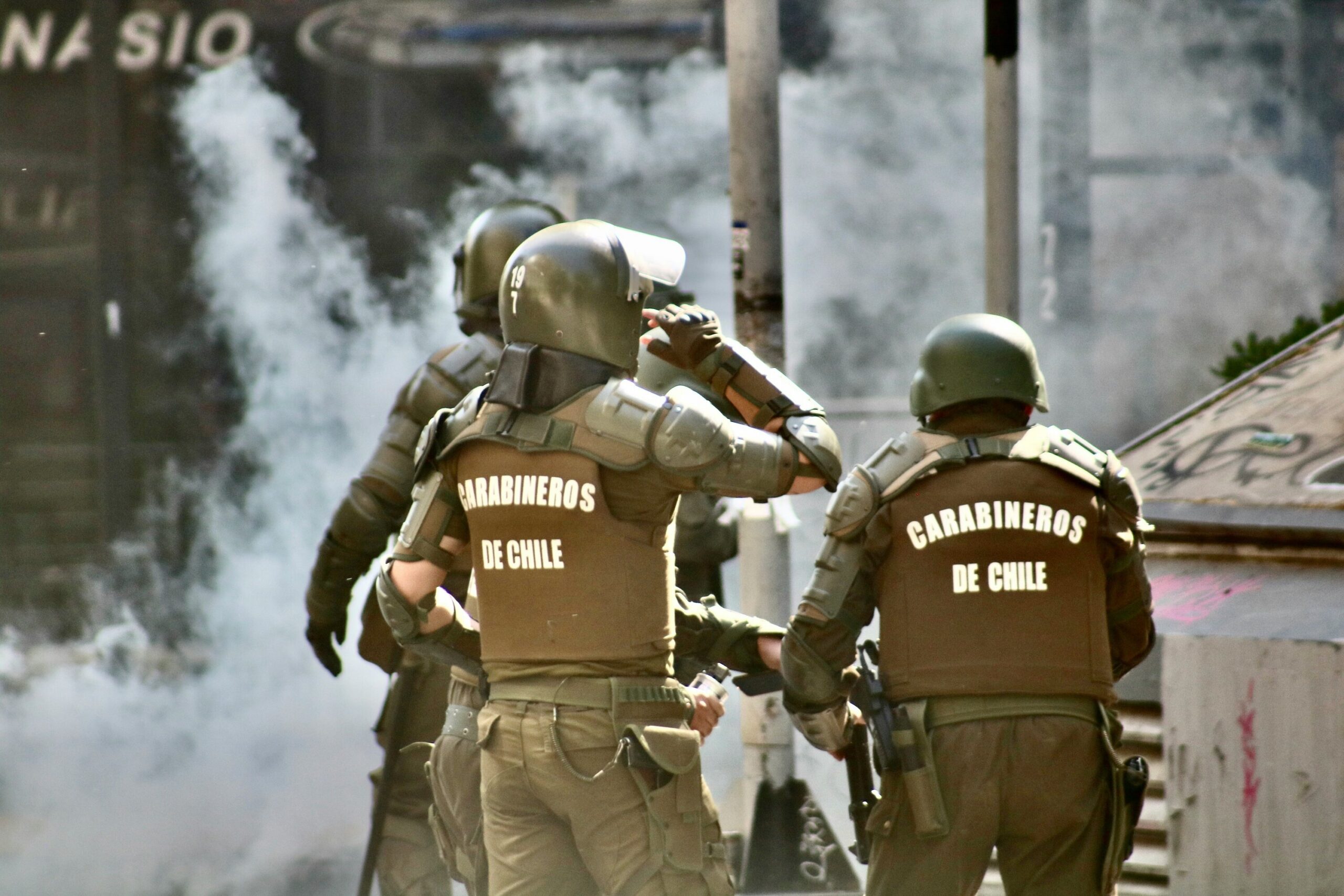
Terrorism Spillover in the Sahel
Terrorism spillover is driven by cross-border mobility, recruitment, and local grievances. Ghana demonstrates how resilient institutions and community trust can reduce the risk of extremist expansion despite its proximity to the Sahel.
-
Germany’s New Military Strategy
Germany’s new Military Strategy refocuses the Bundeswehr on Alliance defence and deterrence against Russia, aiming to be Europe’s strongest conventional army. This shift aligns Germany’s threat assessment with Poland’s, but triggers Polish anxiety about competition for the US’s ‘primary ally’ status. Instead of competing for US favour, Germany and Poland should capitalize on their newly…
-
Perpetual Conflict and European Security
Russia presents a challenge to European security with no clear answer. Baltic states viewed Russia as an immediate threat, whilst western states appeared more cautious and strategically uncertain. Concerns over weakening US commitment exposed growing divisions within the NATO alliance. The conference suggested that European security remains characterised by strategic drift and unresolved disagreement over…
-
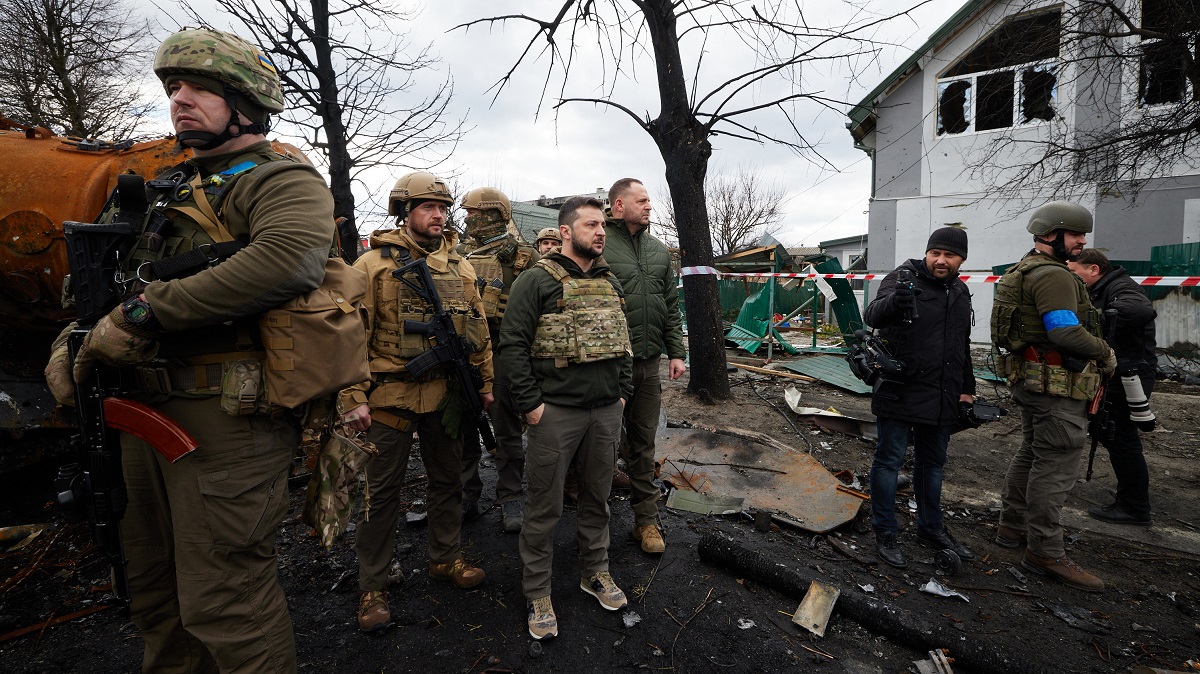
Policy Paper: The Cost of Unpredictability
Main question: how can policymakers address and navigate current geopolitical situation? Argument: Due to the absence of a central authority in the international system, states must rely on self-help. Conclusion: Policymakers should therefore adopt a hedging strategy by diversifying sector-specific partnerships in critical domains such as energy security, supply chains, and digital infrastructure, as heavy…