Tag: International Cooperation
-

The African Sky
Question: How can Africa maintain strategic autonomy while navigating the intensifying U.S.-China “space race”? Argument: Africa’s “space for development” model leverages international partnerships not for prestige, but as essential tools for data sovereignty and socioeconomic transformation. Conclusion: To avoid terrestrial patterns of exclusion, African states must foster domestic investment and benefit-sharing to ensure space remains…
-
Europe Is Strong
What are Europe’s Strengths in this New World? despite widespread pessimism, Europe remains a major global power whose true strength lies not primarily in military force but in its vast economic weight, deep interdependence, and commitment to a rules-based international order that underpins prosperity and stability. If Europe preserves its values of cooperation, economic interdependence,…
-

Compliance Is Political
How do advisory opinions matter politically if they are formally non-binding, and who is their real audience in contemporary disputes? The article argues that advisory opinions shape behavior by shifting the costs of non-compliance onto allies, donors, and international institutions rather than compelling the defendant state directly. It concludes that international adjudication is effective when…
-
COP30: Europe Under Pressure Without the US
MQ: How has Europe navigated COP30’s climate negotiations and energy transition amid the US absence? MA: With the US absent, Europe took center stage, balancing climate ambition with strategic, geopolitical, and energy constraints; youth engagement added perspective but could not replace careful negotiation planning. C: COP30 shows European leadership is contingent; ambition must be paired…
-
Implications of China–Russia Security Talks
– How durable is China–Russia security cooperation, and how do Japan and Ukraine test its limits? – The partnership is not an alliance but a flexible, institutionalised coordination that allows alignment while managing risk, asymmetry, and disagreement – China–Russia security ties will persist but remain cautious and conditional, shaped by strategic signalling in Asia and…
-
The 8th Edition of the Paris Peace Forum
Main question of the Paris Peace Forum: How can Europe find effective leadership and agency in a fractured world order marked by war, climate crisis, and inequality? Argument: Europe must act more united and autonomous, face Russia more fiercly, strengthen multilateralism, empower female leadership , and move from climate promises to implementation. Conclusion: Only coordinated,…
-
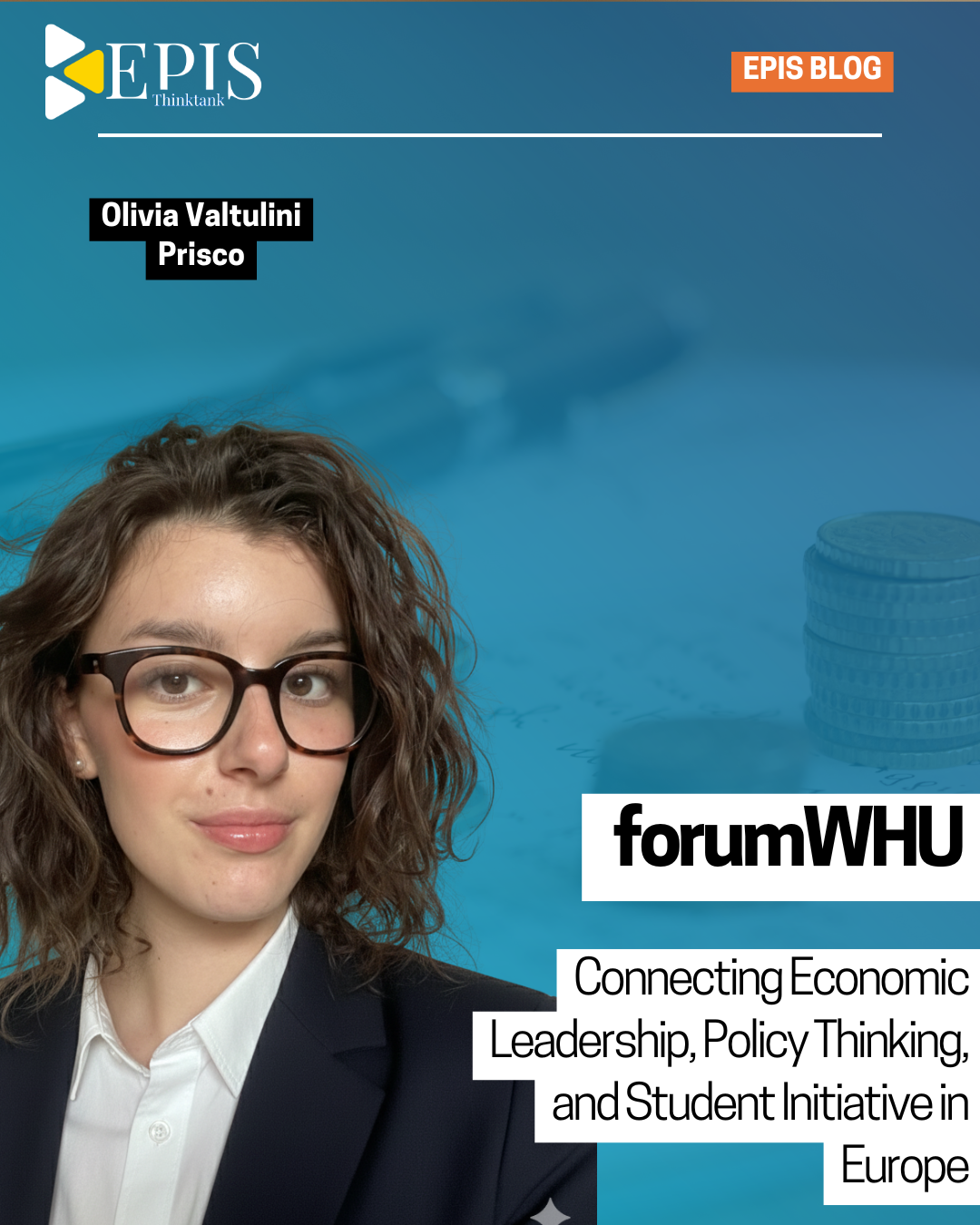
forumWHU
Main question: forumWHU’s relevance for EPIS Argument: forumWHU and EPIS share a multitude of similarities Conclusion: participation in forumWHU is strategic for EPIS
-

Listening to Young Europeans
Insights from the Pulse Z Youth Festival
-
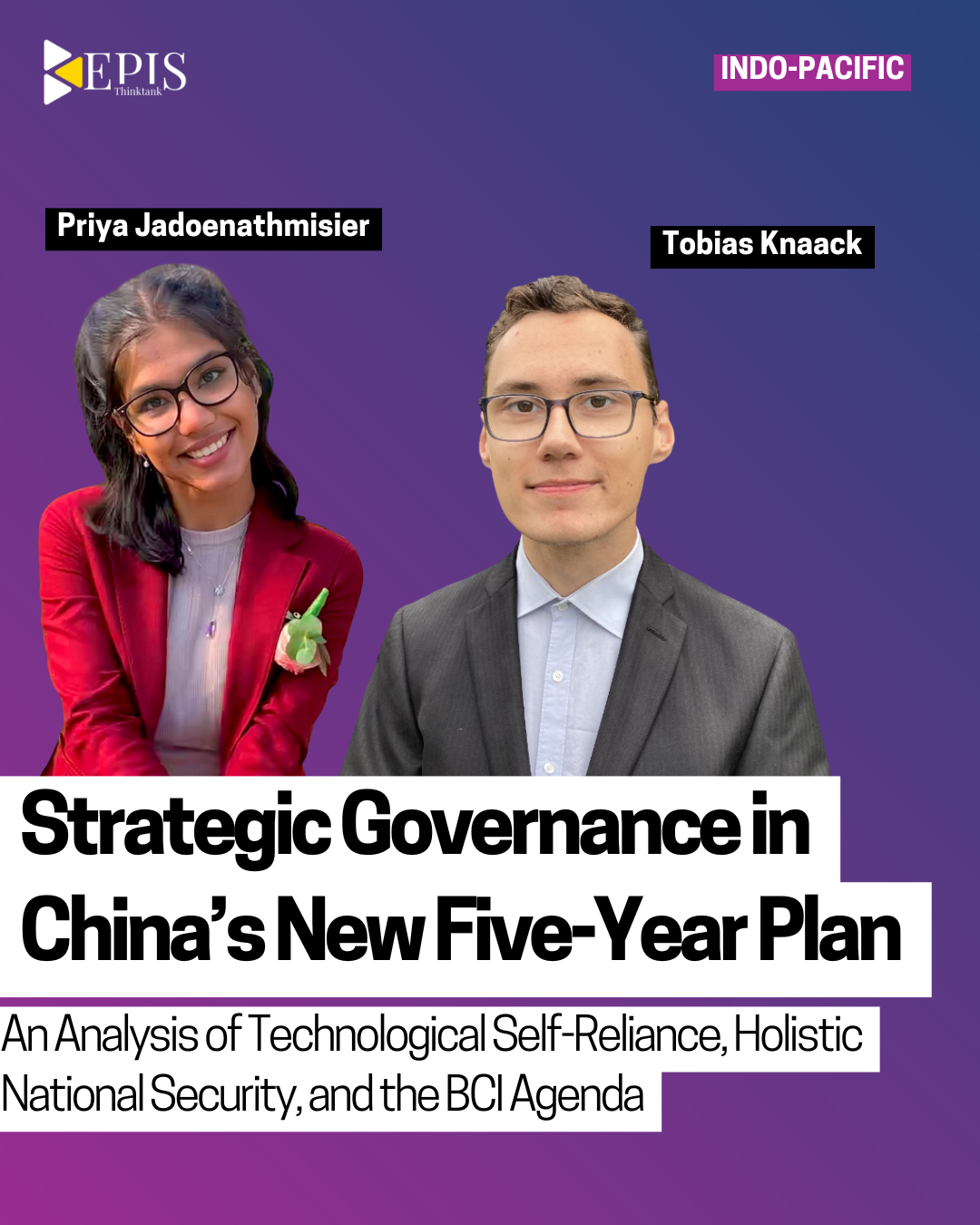
Strategic Governance in China’s New Five-Year Plan
Main question: How does China’s new Five-Year Plan strengthen technological self-reliance, national security, and ecological sustainability? Argument: The Plan integrates these domains under Xi’s holistic security framework to reduce external vulnerabilities and secure long-term stability. Conclusion: China is restructuring its economy to achieve strategic autonomy and resilience.
-
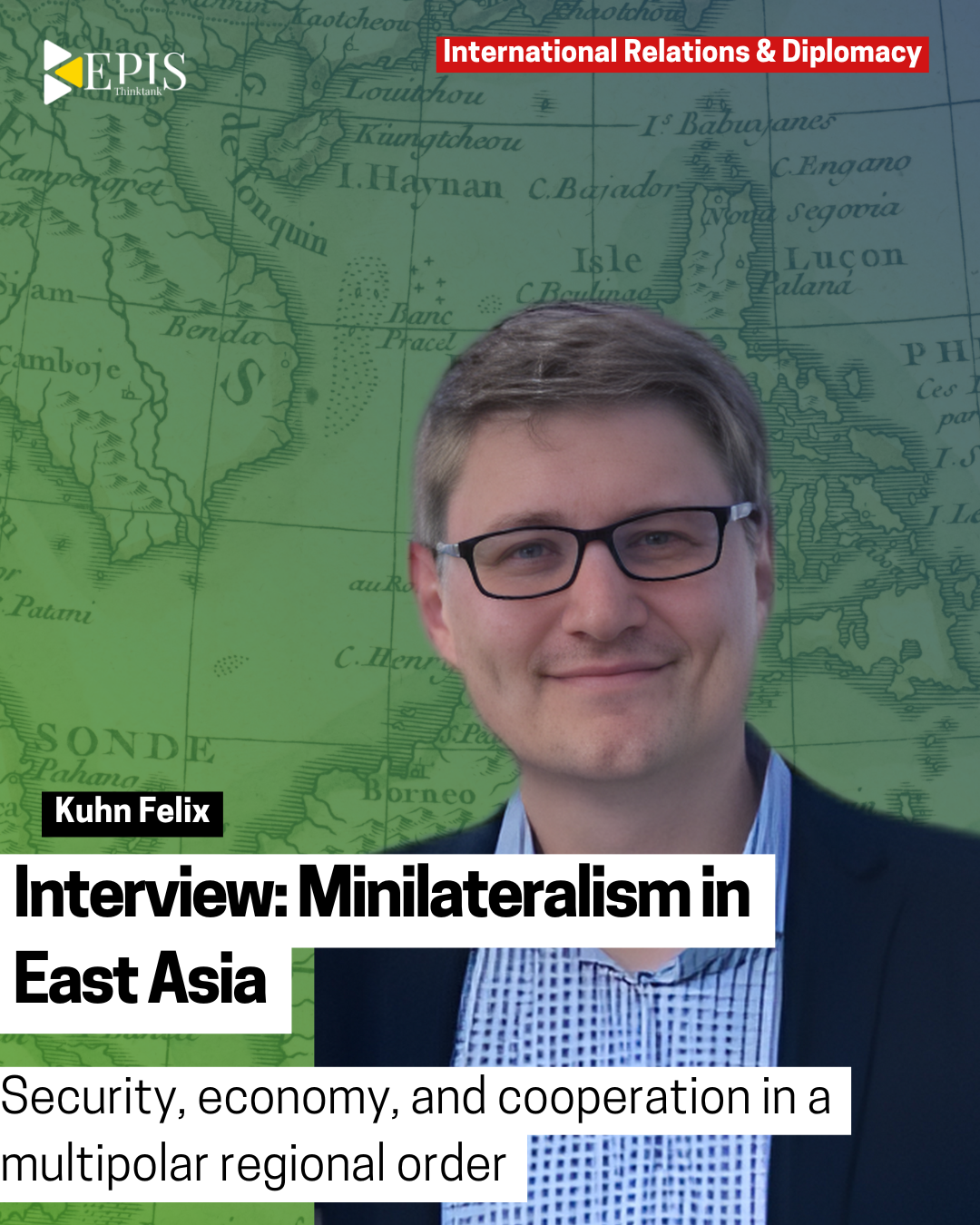
Interview: Minilateralism in East Asia
Main Question: How do minilateral arrangements shape East Asian cooperation? Argument: Forums like ASEAN provide broad frameworks, while minilaterals (Quad, trilateral dialogues) enable focused security cooperation alongside economic ties to China and reliance on the U.S. Conclusion: Minilaterals complement larger institutions, offering flexible, pragmatic, and targeted regional cooperation.