Category: Climate Policy & Environment
-

Pastures Under Pressure
Drawing on Ostrom’s theory, this paper argues that participatory, commons-based governance in Kyrgyzstan enables pastoral communities to manage shared pastures sustainably, driving climate adaptation and preventing climate-induced conflict.
-

Smart grids, same dumb trust?
The strategic importance of energy is clear – power is required for critical sectors such as transportation, manufacturing, agriculture, and healthcare. Even a temporary failure in the energy system can have devastating outcomes. Take the Texas power crisis as an example: infrastructure lacked winter flexibility, which led to power outages, leaving millions of households and…
-

Resilient Roots: EU Tech Grants for Farmers
How can the EU accelerate climate tool adoption for smallholders in Africa and SE Asia without increasing financial risk? Loan-based models create debt burdens during crop failures; thus, a grant-based instrument within the NDICI-Global Europe framework is essential to fund both technology and long-term support. These grants serve as a preventive stabilization tool, reducing global…
-

Western Balkans
Thematic Working Group Briefs – 2026 Western Balkans: EU, Environment & Accession The Western Balkan EU accession candidates (Albania, North Macedonia, Montenegro, Serbia, Bosnia and Herzegovina) together with Kosovo, as a potential candidate, face significant challenges in meeting the EU’s environmental and climate requirements. Compared with previous enlargement rounds (see Southern accession candidates; Börzel, 2009),…
-
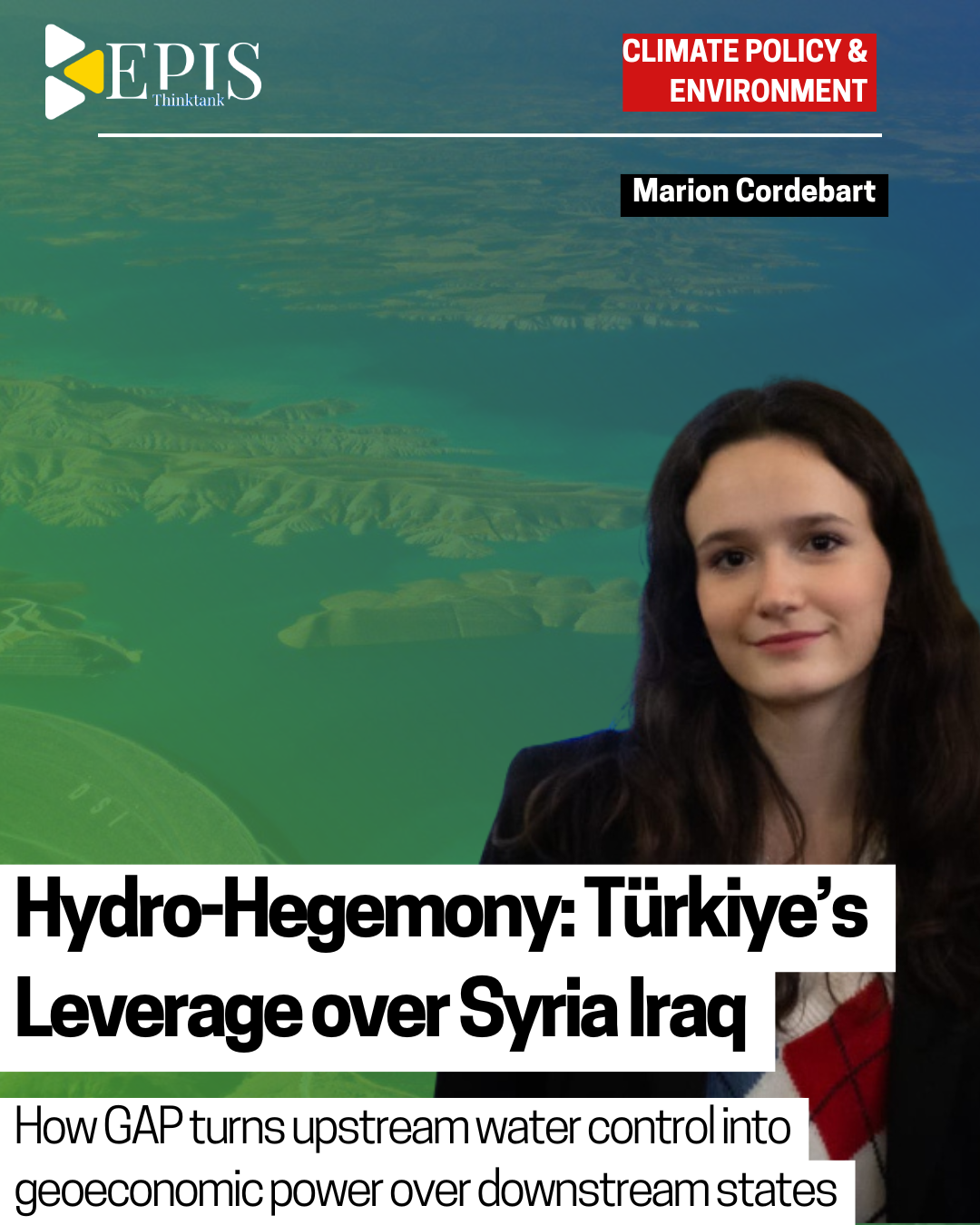
Hydro-Hegemony: Türkiye’s Leverage over Syria Iraq
How does Türkiye’s Southeastern Anatolia Project (GAP) transform upstream water control into geoeconomic leverage over Syria and Iraq? This article argues that expanded hydropower and irrigation infrastructure convert hydrological dominance into domestic economic gains, producing asymmetric interdependence and downstream vulnerability. It concludes that GAP functions as a geoeconomic instrument enabling Türkiye to extract political, security,…
-
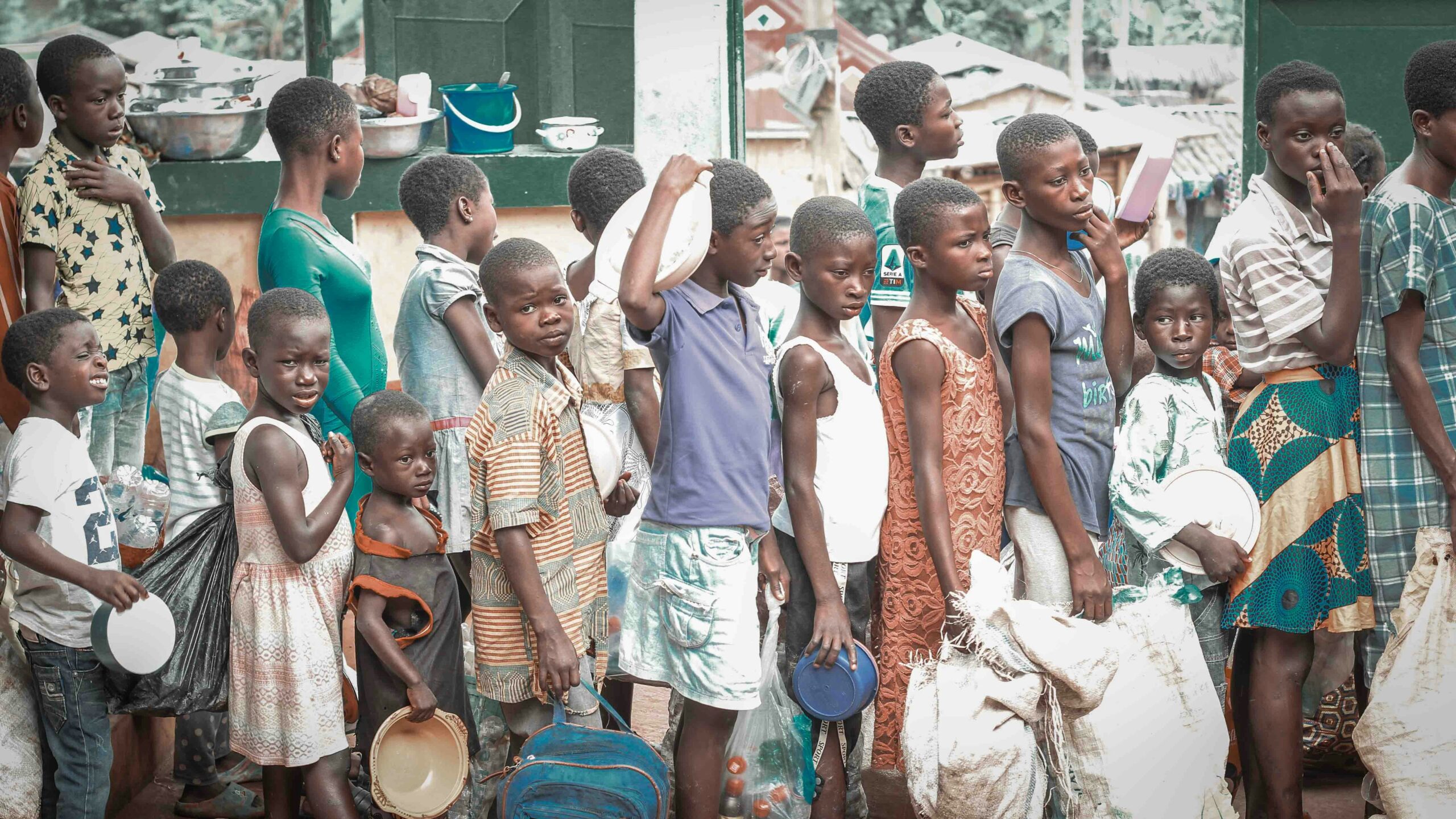
DRC: Rich land, hungry people.
Food insecurity in Eastern DRC is structurally driven by conflict, displacement, and livelihood collapse, not scarce land. Climate change, hazardous pesticides, gender barriers, and neglected crop species compound the crisis. Humanitarian aid often reinforces dependency rather than building resilience. Lasting solutions require integrated Triple Nexus strategies that link emergency response, agricultural development, and peacebuilding.
-
European Integration and EU External Action
Main question: How does legal fragmentation across EU external action frameworks—security, human rights, economic policy, and digital governance—affect its capacity to act as a unified global actor? Argument: Structural fragmentation and intergovernmental dominance create legal uncertainty, weaken enforcement, and reduce strategic effectiveness and coherence. Conclusion: The EU must clarify competences, expand selective QMV, and close…
-
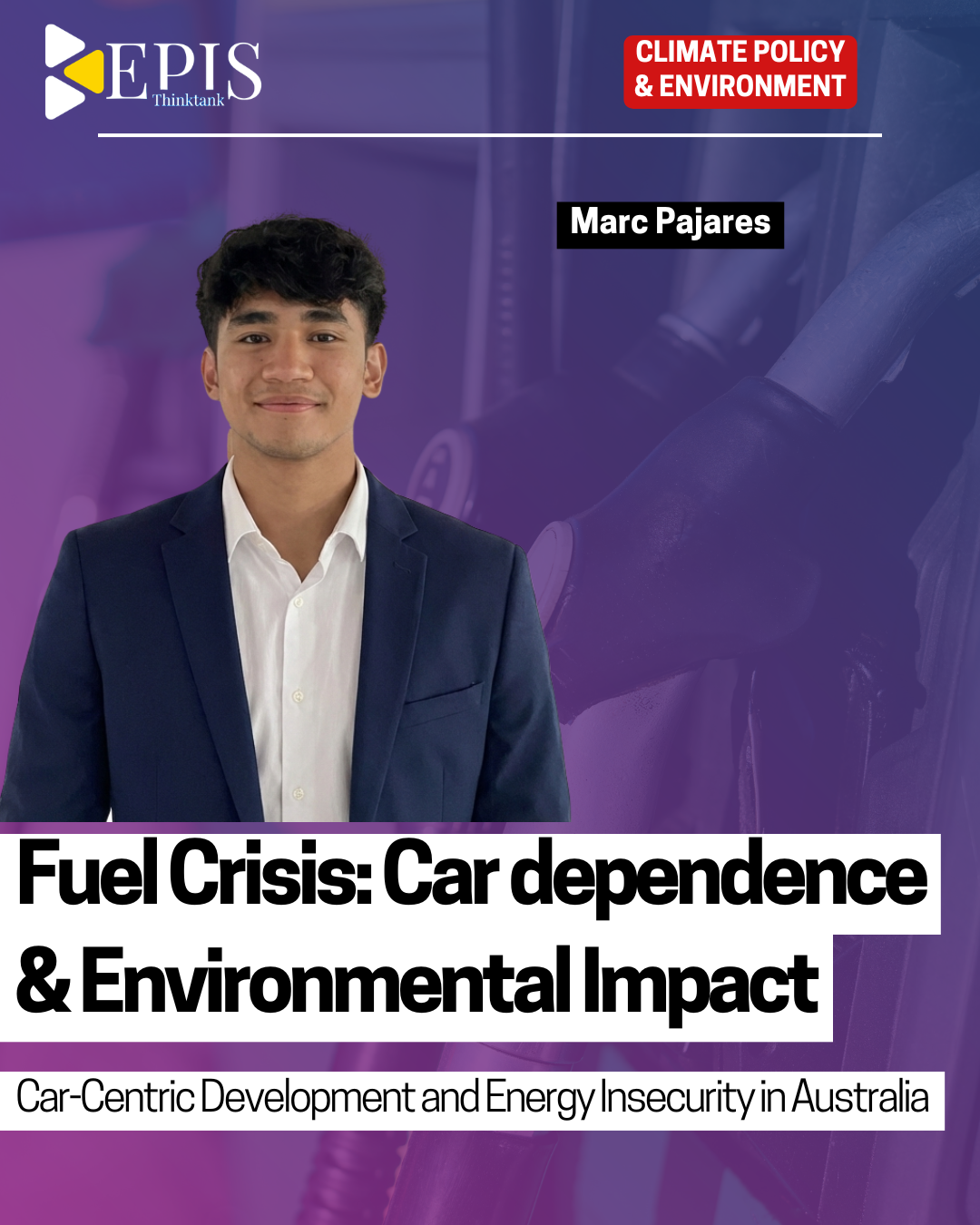
Fuel Crisis: Car dependence & Environmental Impact
Argument: How Australia’s car-dependent urban policy model and heavy reliance on imports for fuel expose Australian cities and the national economy to significant risks from global disruptions. This dependence is highlighted by the supply shocks in the Strait of Hormuz, significantly disrupting global supply flows. Revealing major gaps in Australia’s domestic production, reliance on imports,…
-
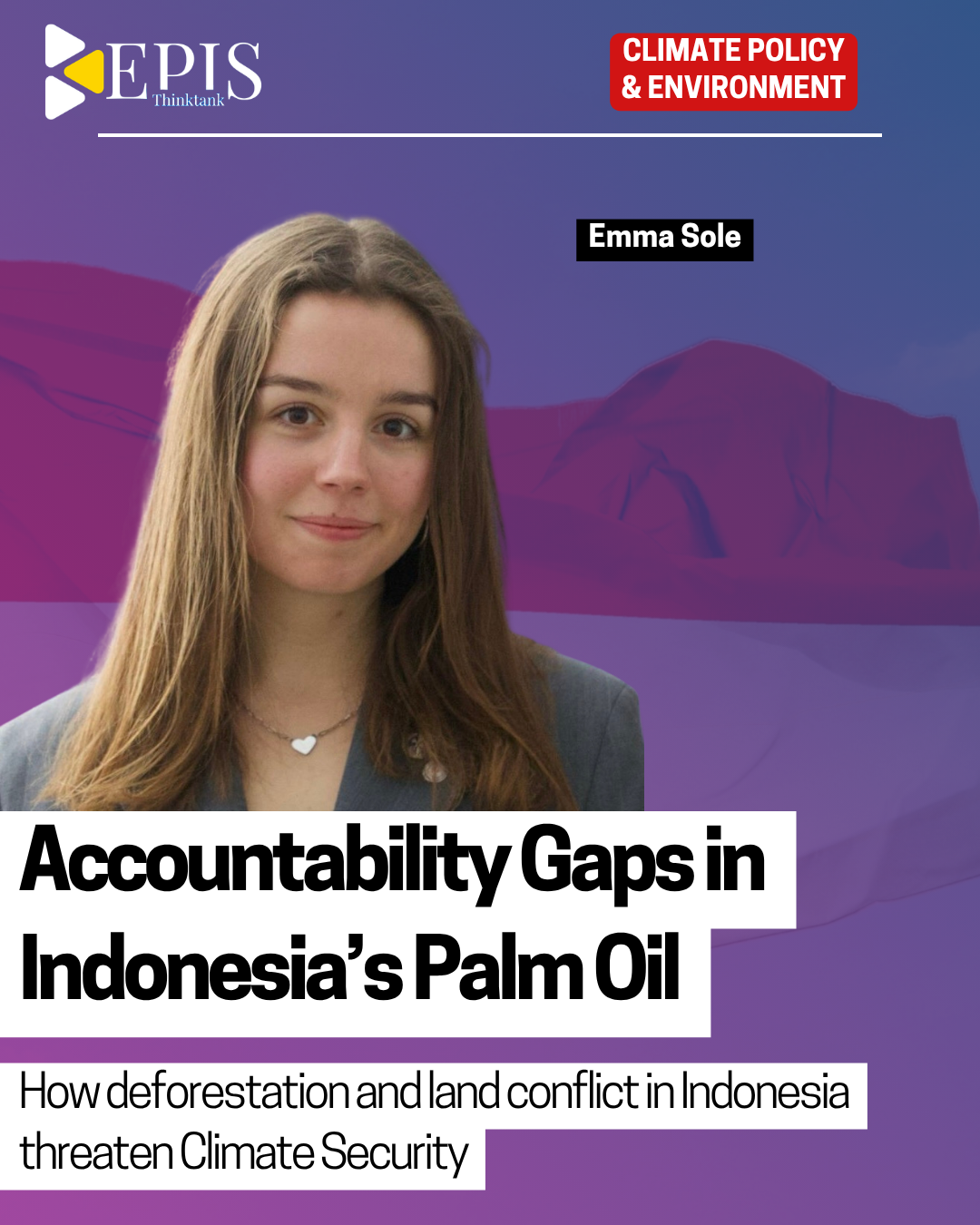
Accountability Gaps in Indonesia’s Palm Oil
How do governance failures and land conflicts in Indonesia’s palm oil sector contribute to broader climate security risks? Weak legal frameworks and export-driven growth enable corporate control and elite rent-seeking. As a result, land conflicts, labour exploitation, and environmental degradation persist, revealing major accountability gaps at both national and global levels.
-
Justice Beyond the Courtroom in Africa
In what ways does transnational litigation function as both a challenge to and a reproduction of corporate impunity in the strategies of environmental justice movements in Africa? African movements use courts to hold transnational corporations accountable, but legal action can both contest and reproduce systemic injustice, showing that true environmental justice requires collective social action…