Author: Valentin Grangier
-
The Weak Yen Trap
Q: Does Japan’s dollar exposure prevent the BoJ from raising rates? Arg: Low rates fuel carry trades that weaken the yen, while $1T+ in U.S. Treasuries ties Japan to U.S. monetary cycles — a self-reinforcing trap. Concl: Gradual normalisation is the best exit, but political pressures keep the status quo attractive.
-
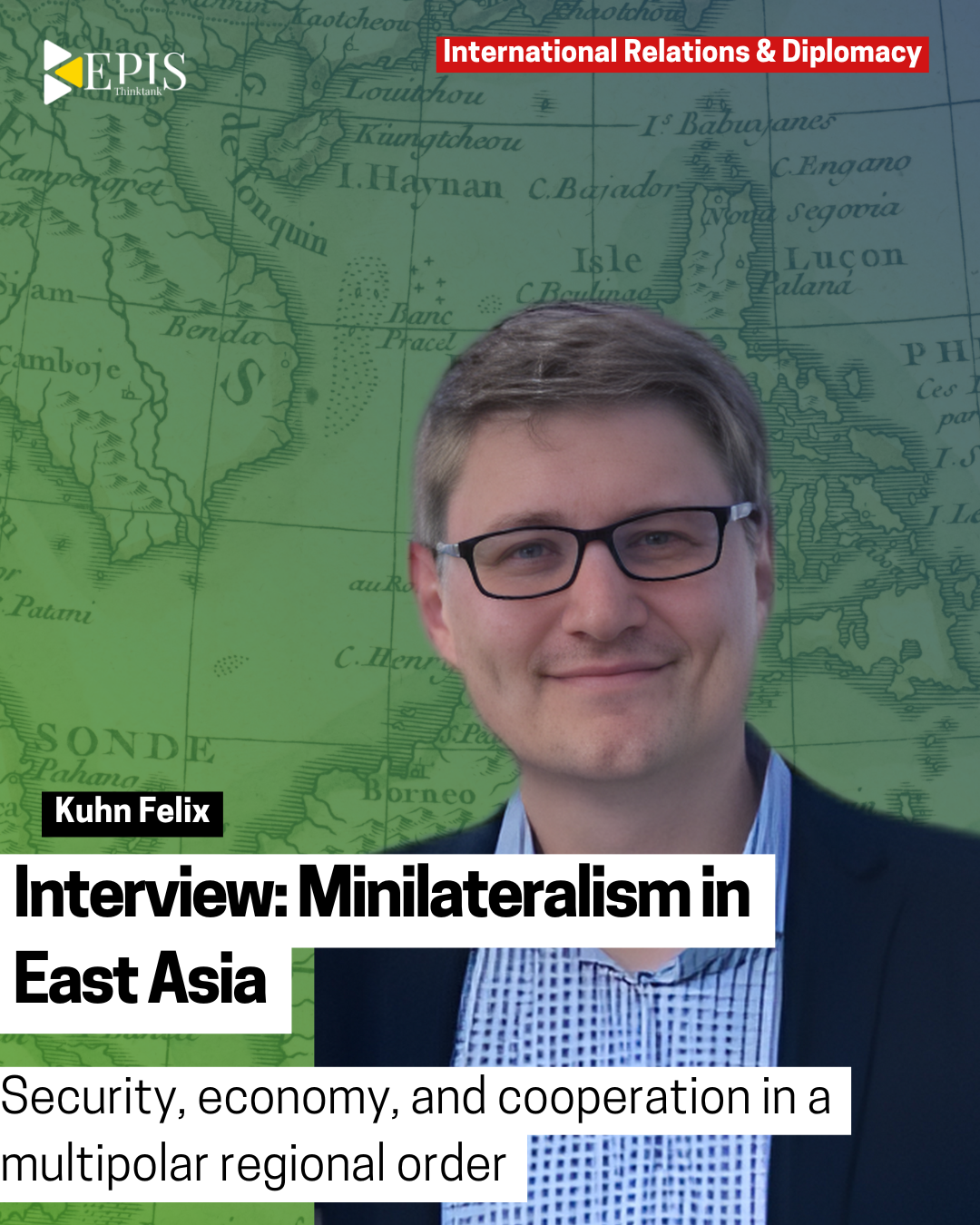
Interview: Minilateralism in East Asia
Main Question: How do minilateral arrangements shape East Asian cooperation? Argument: Forums like ASEAN provide broad frameworks, while minilaterals (Quad, trilateral dialogues) enable focused security cooperation alongside economic ties to China and reliance on the U.S. Conclusion: Minilaterals complement larger institutions, offering flexible, pragmatic, and targeted regional cooperation.
-
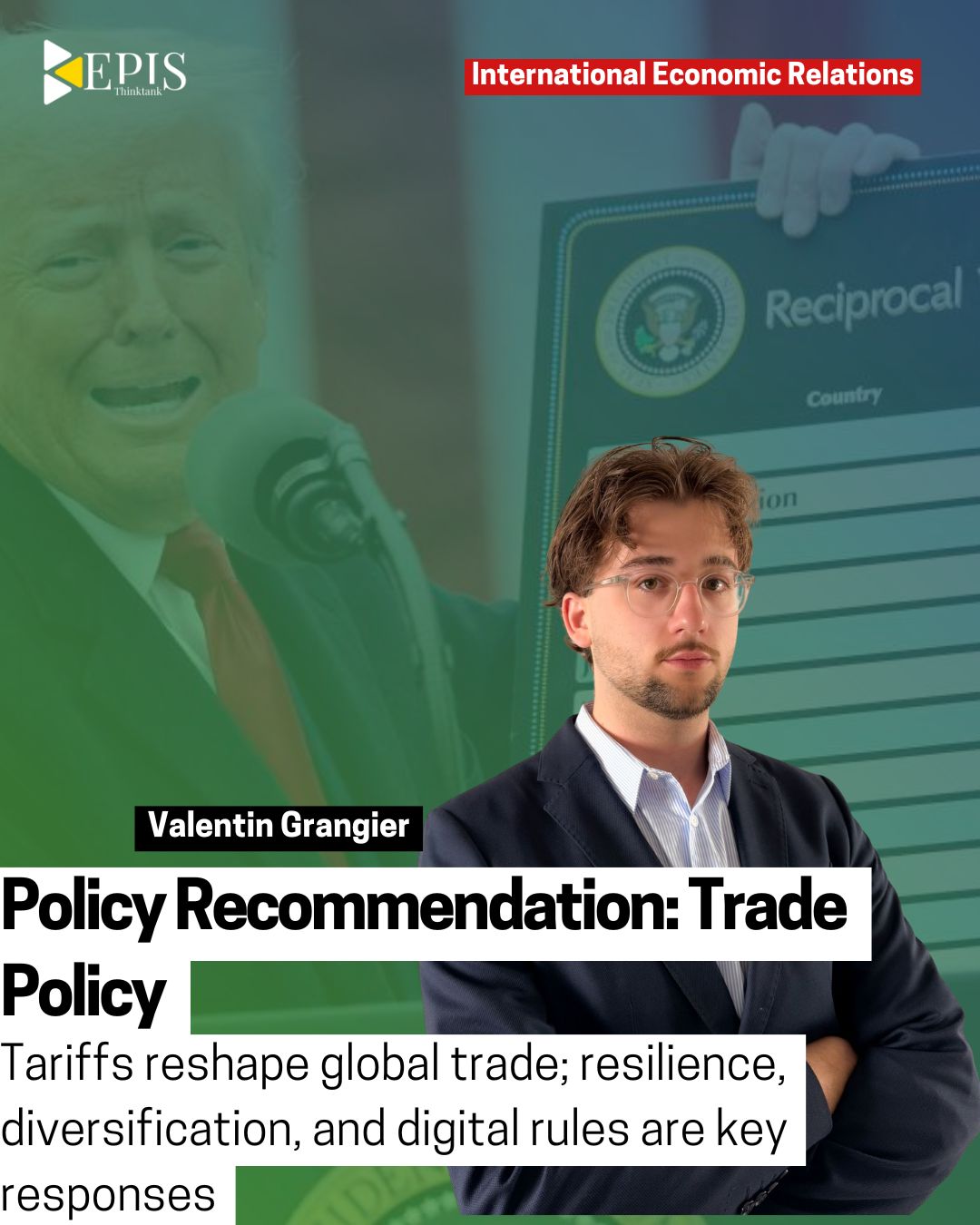
Policy Recommendation: Trade Policy
Question: How do trade wars impact global economics, and how can states respond? Argument: Trade wars disrupt supply chains, raise prices, and weaken multilateral institutions; mitigation requires diversification, digital standards, and multilateral trust. Conclusion: States can reduce trade war risks through diversified trade, anti-coercion measures, tech agreements, and multilateral engagement
-
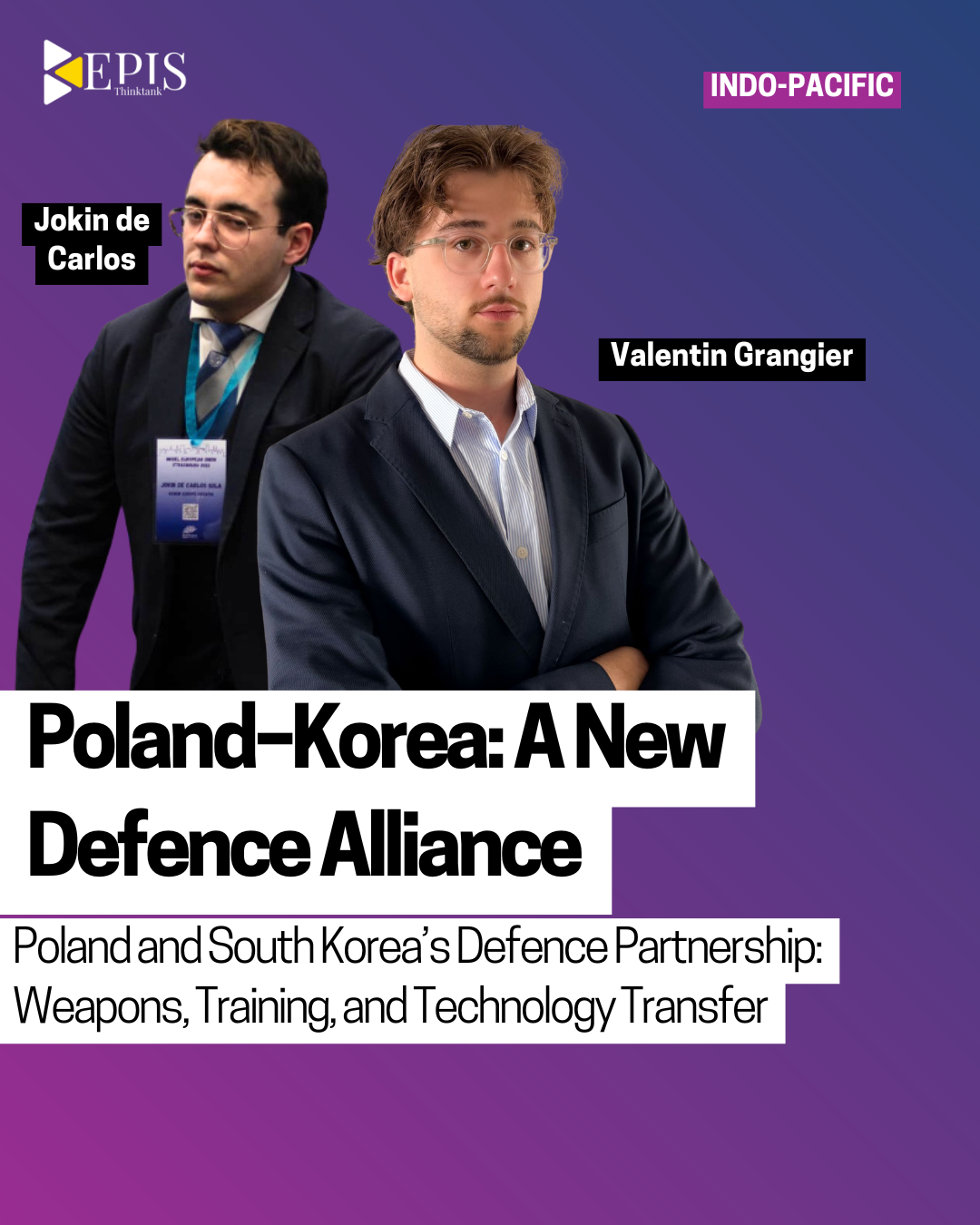
Poland–Korea: A New Defence Alliance
How are Poland and South Korea expanding defence cooperation, and what are the strategic implications? Poland gains rapid access to advanced weaponry and industrial growth, while Korea secures a strategic entry into Europe as a global defence exporter. The partnership could become a lasting model of Europe–Asia defence cooperation if localisation and NATO integration succeed.