Tag: Cyber Defence-Protection & Cooperation
-

Why Israel’s Legitimacy Faces Unique Challenges
Why does Israel face exceptional challenges to its legitimacy compared to other states? Israel’s legitimacy is contested due to conflicting historical narratives, unresolved territorial disputes, and critiques of its national identity, often amplified by anti-Zionist and antisemitic rhetoric. While Israel’s actions can and should be scrutinized, denying its right to exist hinders peace; the path…
-

Sovereignty in Cyberspace
Is an international consensus on cyber-sovereignty possible? As cyber-attacks surge globally, the urgency for defining state sovereignty in cyberspace has intensified. This article explores the difficulties of regulating this domain, addressing issues like anonymity, the rapid pace of technological evolution, and conflicting state jurisdictions. By examining cyberspace alongside traditional domains like airspace and maritime zones,…
-

Artificial Intelligence & Aggressive Intentions
Can AI reshape the future of warfare and deterrence? This article explores how advancements in AI and autonomous weapons are transforming military strategy and state power dynamics. As weapons systems grow more independent, states are redefining deterrence strategies to maintain security in a rapidly evolving technological landscape. From drones to human-machine teaming, the article examines…
-
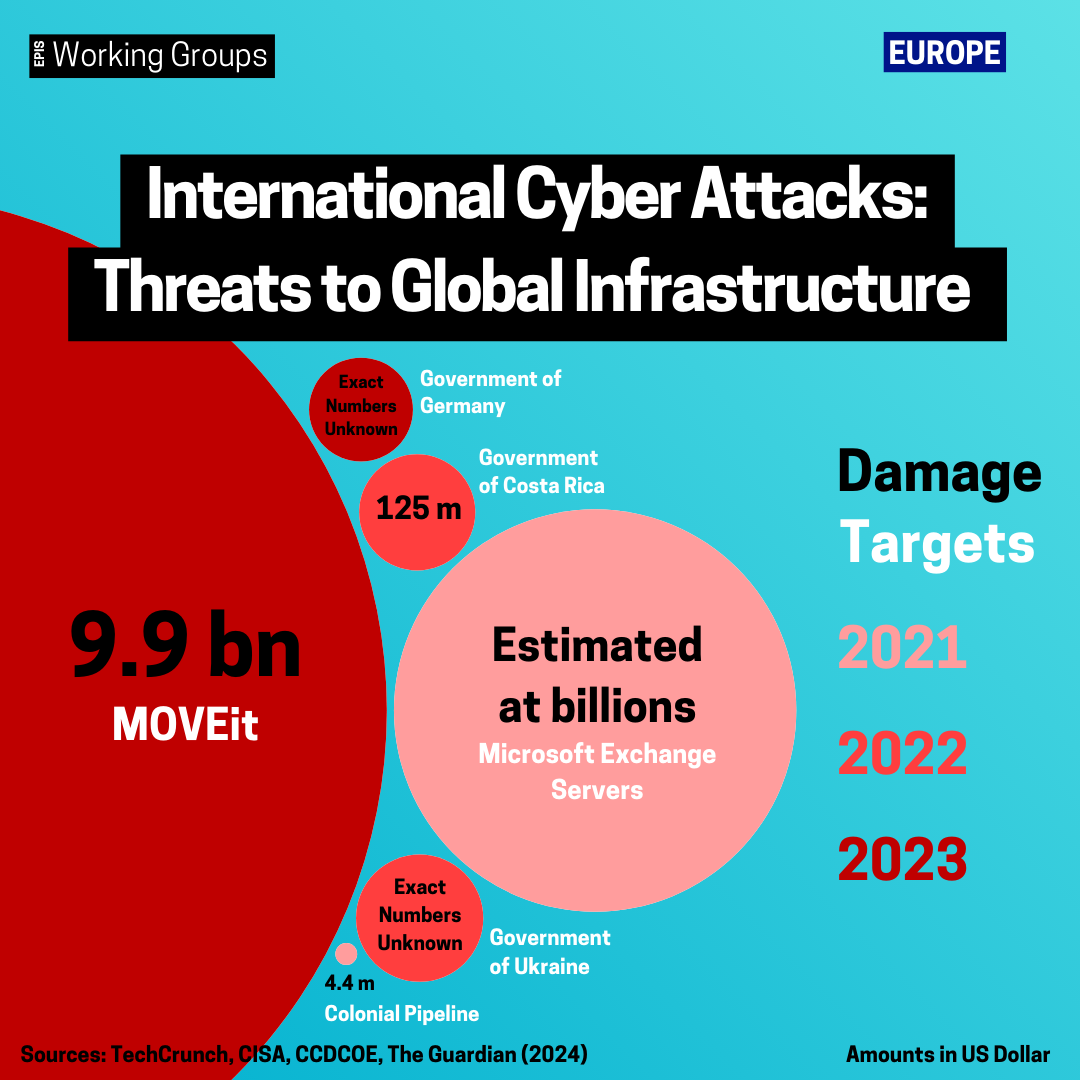
Cyber Attacks 2021-2023
The European Working Group’s map shows major cyberattacks from 2021-2023, emphasizing vulnerabilities in critical infrastructure and the need for stronger cyber defenses.
-

Habsora and Lavender Artfical Intelligence Systems
With the incorporation of AI systems, new fully automated F2T2EA models may become a reality.
-
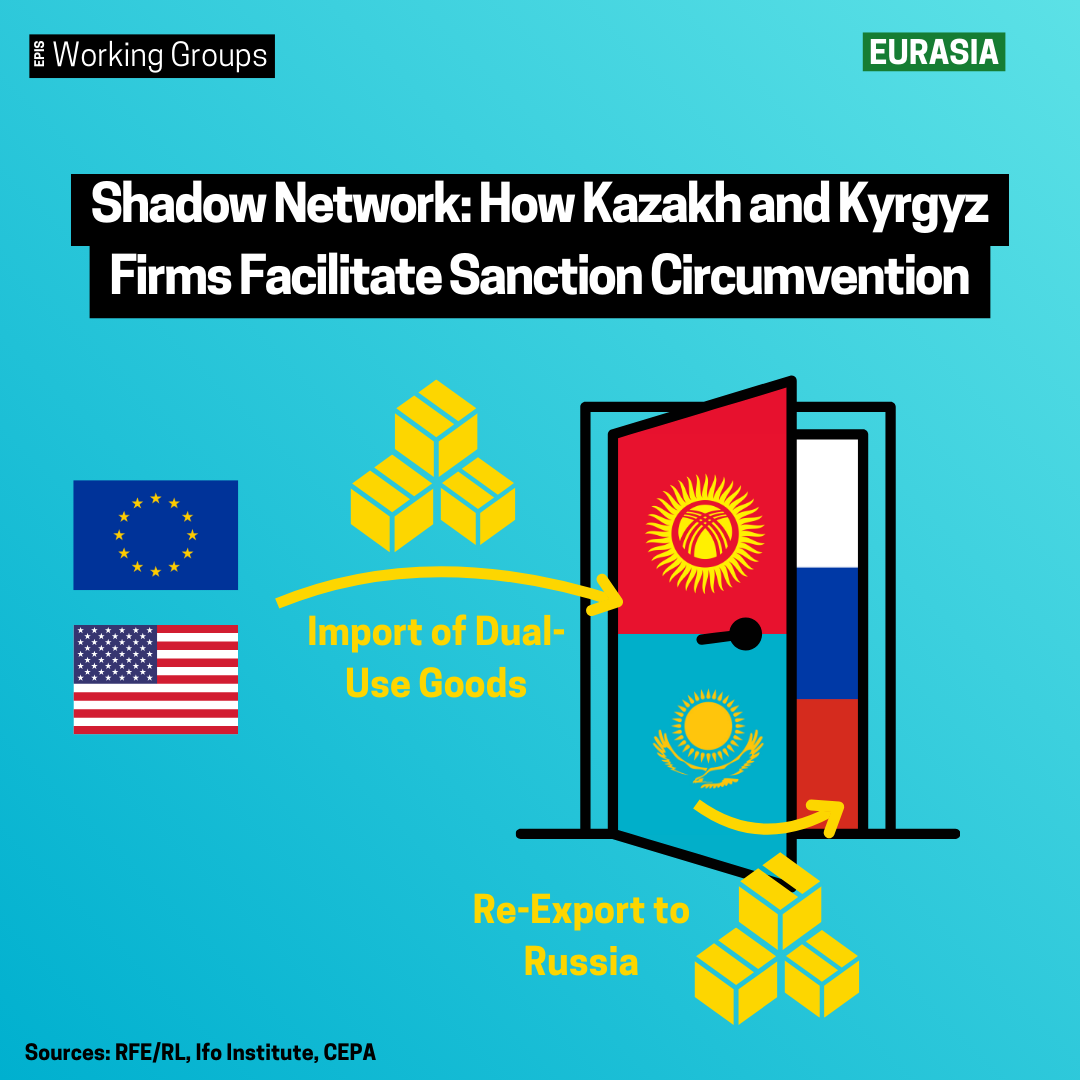
The Shadow Network
Following 2022 sanctions, Kazakhstan and Kyrgyzstan helped Russia bypass restrictions on dual-use goods, leading to tighter US and EU countermeasures.
-

The Role of AI in Supporting Women, Peace and Security Agenda
This article investigates how artificial intelligence (AI) technologies can support the Women, Peace, and Security Agenda (WPS). Through the introduction of the following technologies: automated behavioural analysis, AI consultation, predictive analytics, AI-generated event maps and machine-learning disaster robots applied to the five principles of the WPS agenda: prevention, participation, protection, relief, and recovery. The article…
-
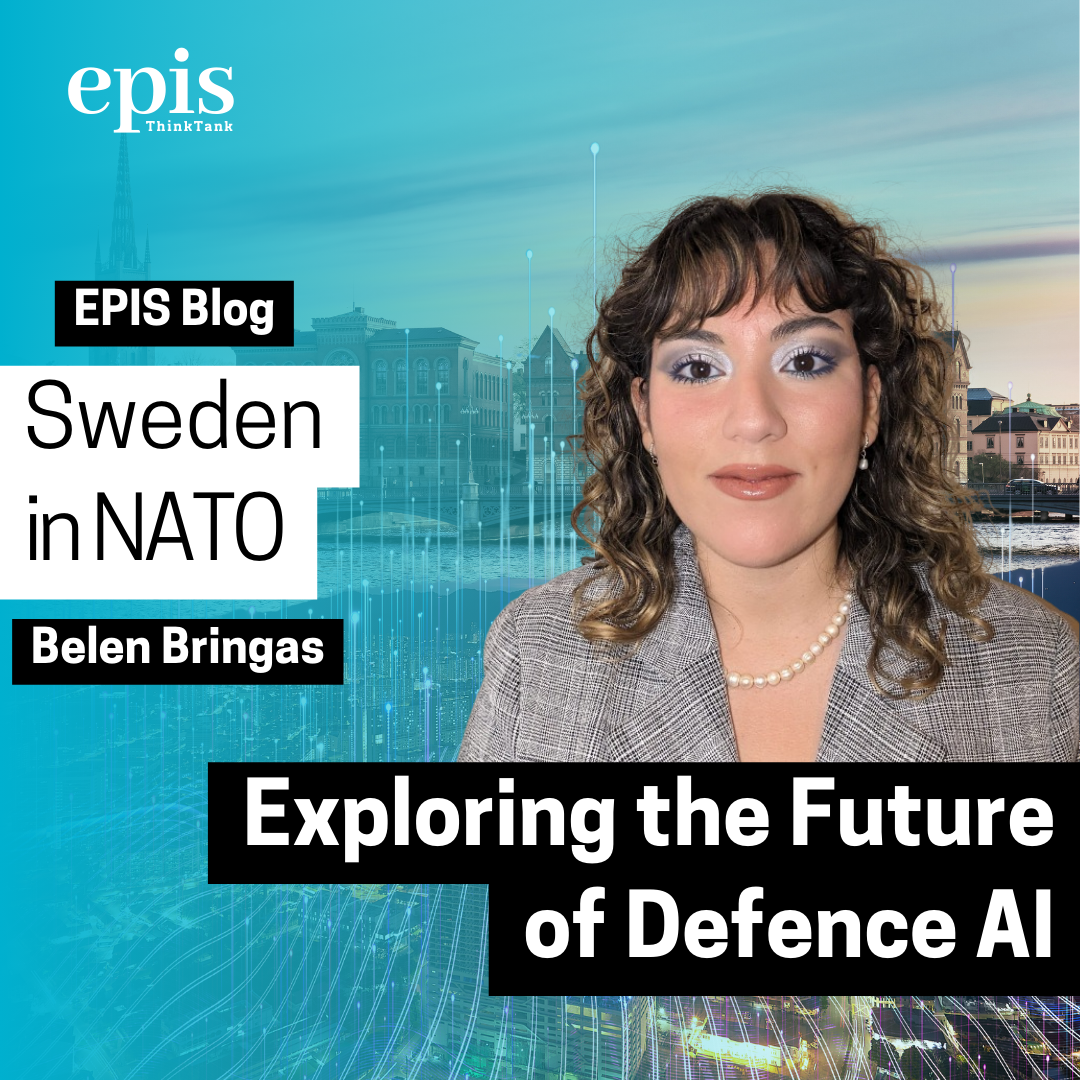
Sweden in NATO
Sweden’s accession to NATO will bring about contributions of AI technology in the defence sector.
-
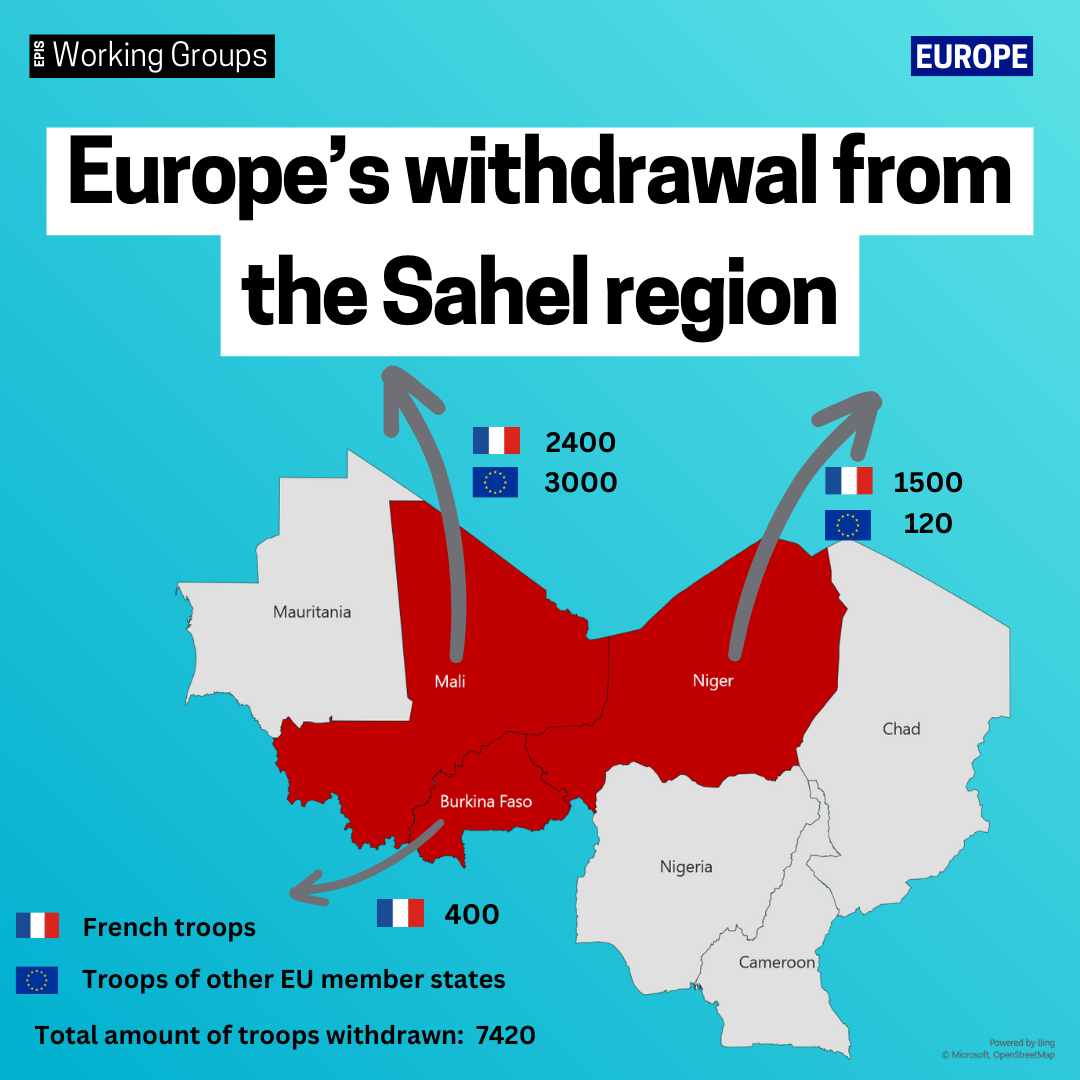
The Impact of Private Tech Companies on Cyberwar
The significance of the digital realm has increased in international conflicts – and with it, too, the impact of private tech companies.
-
Correspondence from Brussels TEPSA’s #RADARisinfo Conference
Strategies to address fake news were the focal point of #RADARisinfo conference organised by TEPSA.