Tag: Conflict Prevention
-
Algorithmic Deterrence: U.S.-China Arms Race
Main Question: How does the militarization of AI by the U.S. and China contribute to global instability? Argument: The AI arms race between the U.S. and China, especially in autonomous weapon systems (AWS), increases the risk of conflict escalation due to unpredictability, biased data, and reduced human oversight. Conclusion: International governance and responsible AI principles…
-
Satellite Security and Post-Quantum-Cryptography
Is current satellite cybersecurity sufficient to address emerging threats, especially with rising space reliance? Most commercial satellites still rely on outdated or minimal cybersecurity measures. Many use “security by obscurity,” and standard communication protocols either lack security or use weak static keys. Meanwhile, satellites are becoming critical infrastructure and increasingly targeted in cyber conflicts. Current…
-
Why building boring, unarmed ships is an indicator for war with Taiwan
China is building a new type of landing ship, unarmed but the opposite of harmless. Constructing these ships seems to have only one explanation: concrete Chinese plans for an invasion of Taiwan. Or are these ships just part of a faint to divert resources into the defense of an attack that never comes? EPIS Senior…
-
17ᵗʰ Kyiv Security Forum
1. Ukraine has become a fast, self-reliant defense innovator, urging frozen Russian assets to fund its tech sector. 2. With U.S. security guarantees less certain, Europe must back Ukraine directly—not just in solidarity, but because it now serves as the continent’s key bulwark against aggression. 3. A “Reverse Kissinger” approach to Russia won’t work; lasting…
-
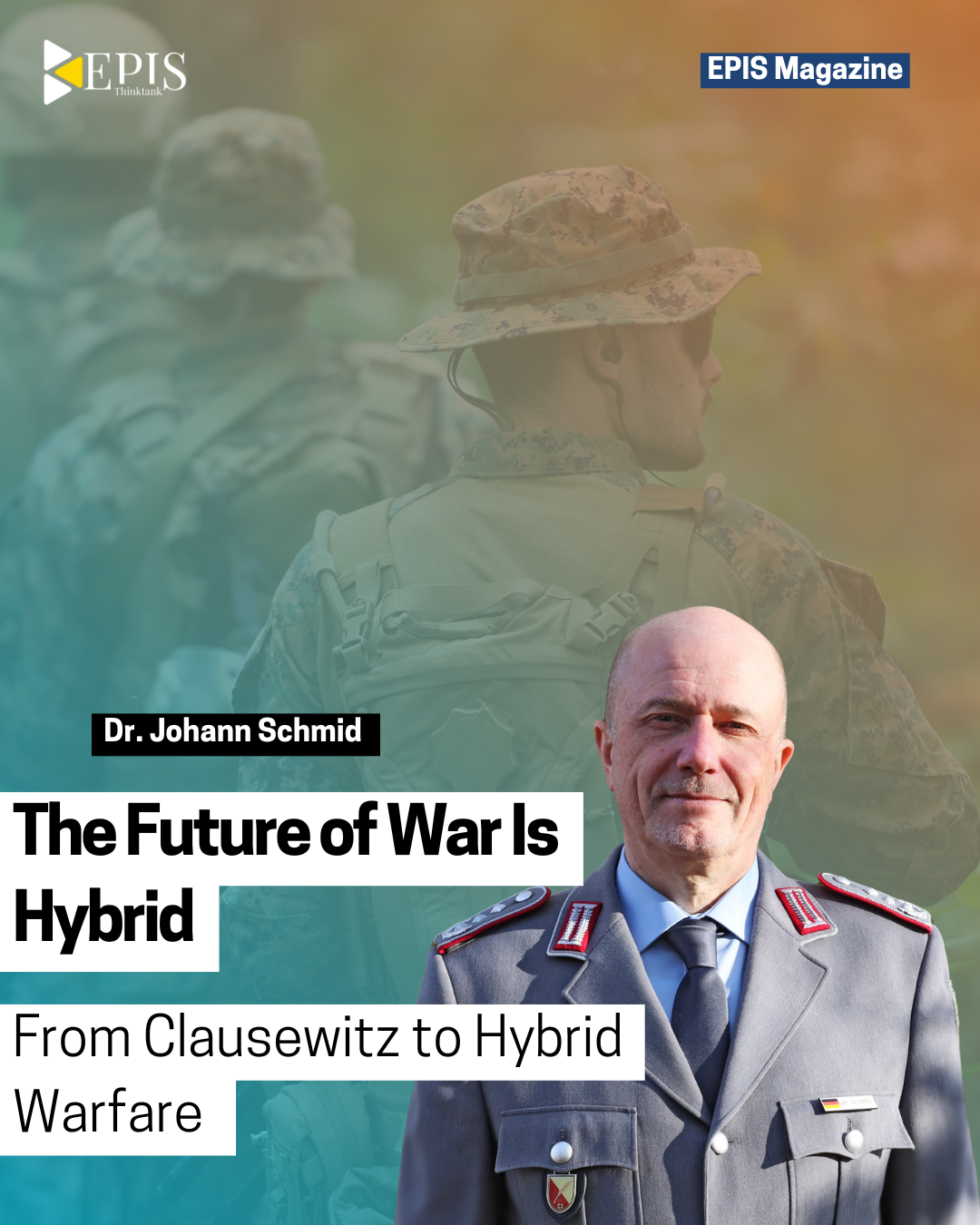
The Future of War Is Hybrid
Hybrid warfare is shaping the future of conflict by expanding battlefields beyond the military domain, leveraging political, economic, and societal pressures. Drawing from Clausewitz, Johann Schmid argues that defense remains stronger than offense, but hybrid strategies exploit grey areas and strategic ambiguity to circumvent strong defenses. As warfare blurs the lines between war and peace,…
-
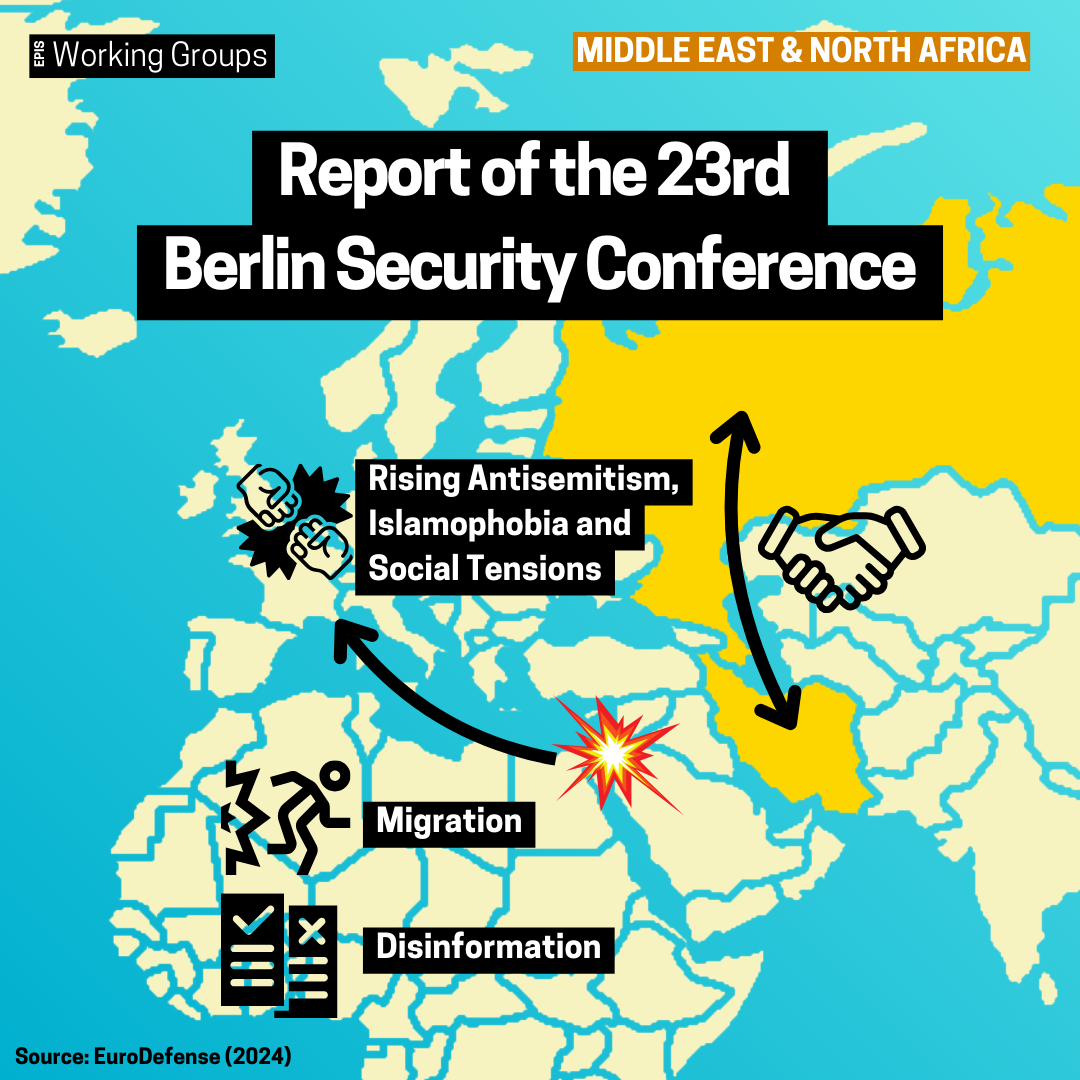
Report of the 23rd Berlin Security Conference
Main Question: How does the Middle East crisis impact European security? Argument: The conflict exacerbates societal tensions, strains migration systems, adds disinformation and polarization and strengthens Iran-Russia ties. Conclusion: A coordinated EU approach is crucial to address these challenges, balancing humanitarian aid, social cohesion, and geopolitical resilience.
-
Politics and Complexity
How can structural factors and complex systems analysis enhance our understanding of political instability? Traditional theories like realism and Marxism fail to capture the multifactorial dynamics of political systems. Structural Demographic Theory offers a superior framework by examining demographics, elite interactions and state legitimacy through feedback mechanisms. By applying SDT, policymakers gain a powerful tool…
-

The Conflict in Myanmar is Escalating
The main question is what lies in the future ahead for Myanmar. For it I make a comparison with the conflict in the Congo back in the 90s as well as see the different position of foreign actors. My conclusion is that the military might lose power but that wont necearily bring peace to region.
-

Miscalculation at Machine Speed?
Advanced AI and Machine Learning systems could challenge the nuclear balance of power by undermining mutually assured destruction.
-
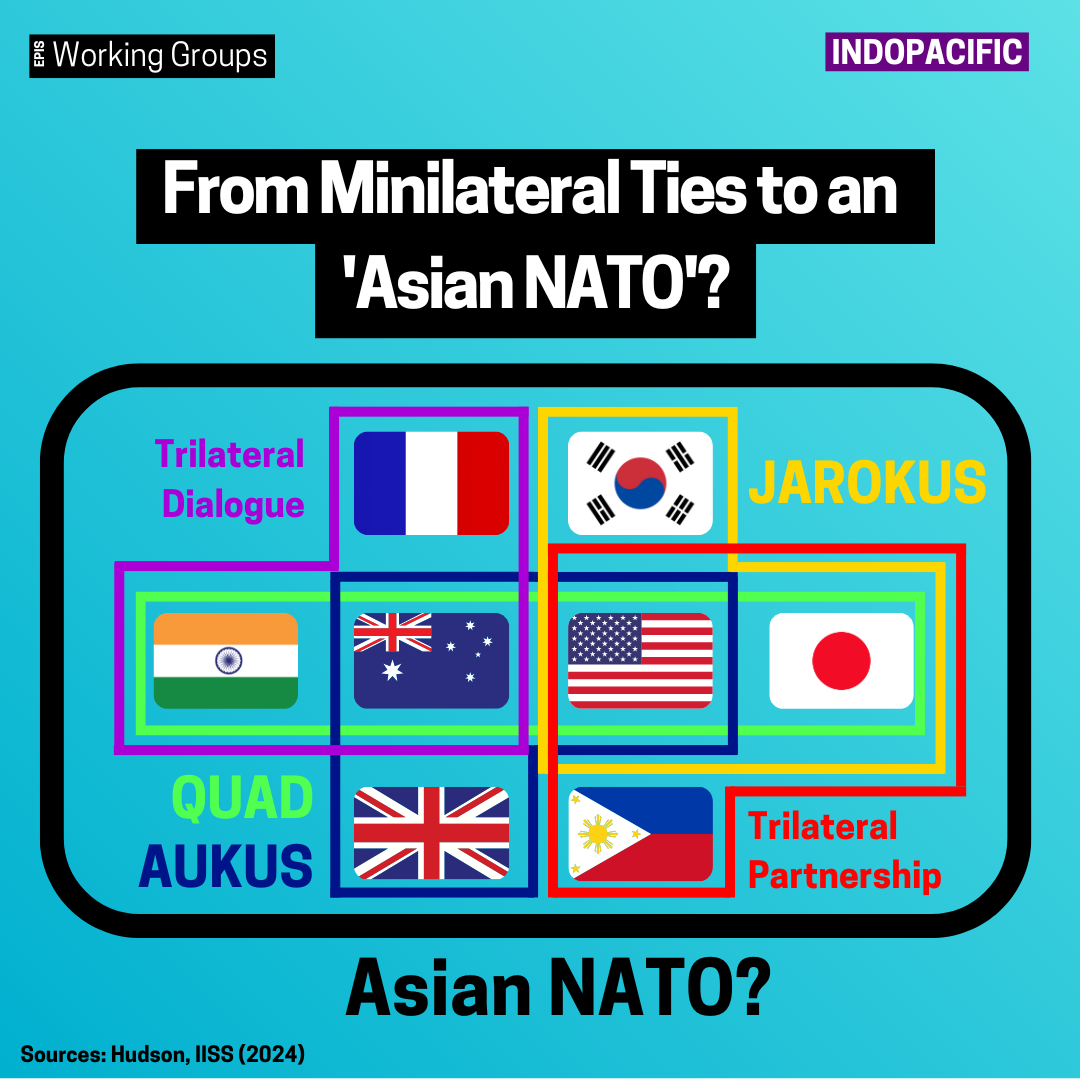
Unlocking Asia’s Defense Potential: From Minilateral Ties to an ‘Asian NATO’?
Prime Minister Shigeru Ishiba called for an “Asian NATO” to address growing security threats. However, the proposal faces criticism from ASEAN nations.