Category: International Relations & Diplomacy
-
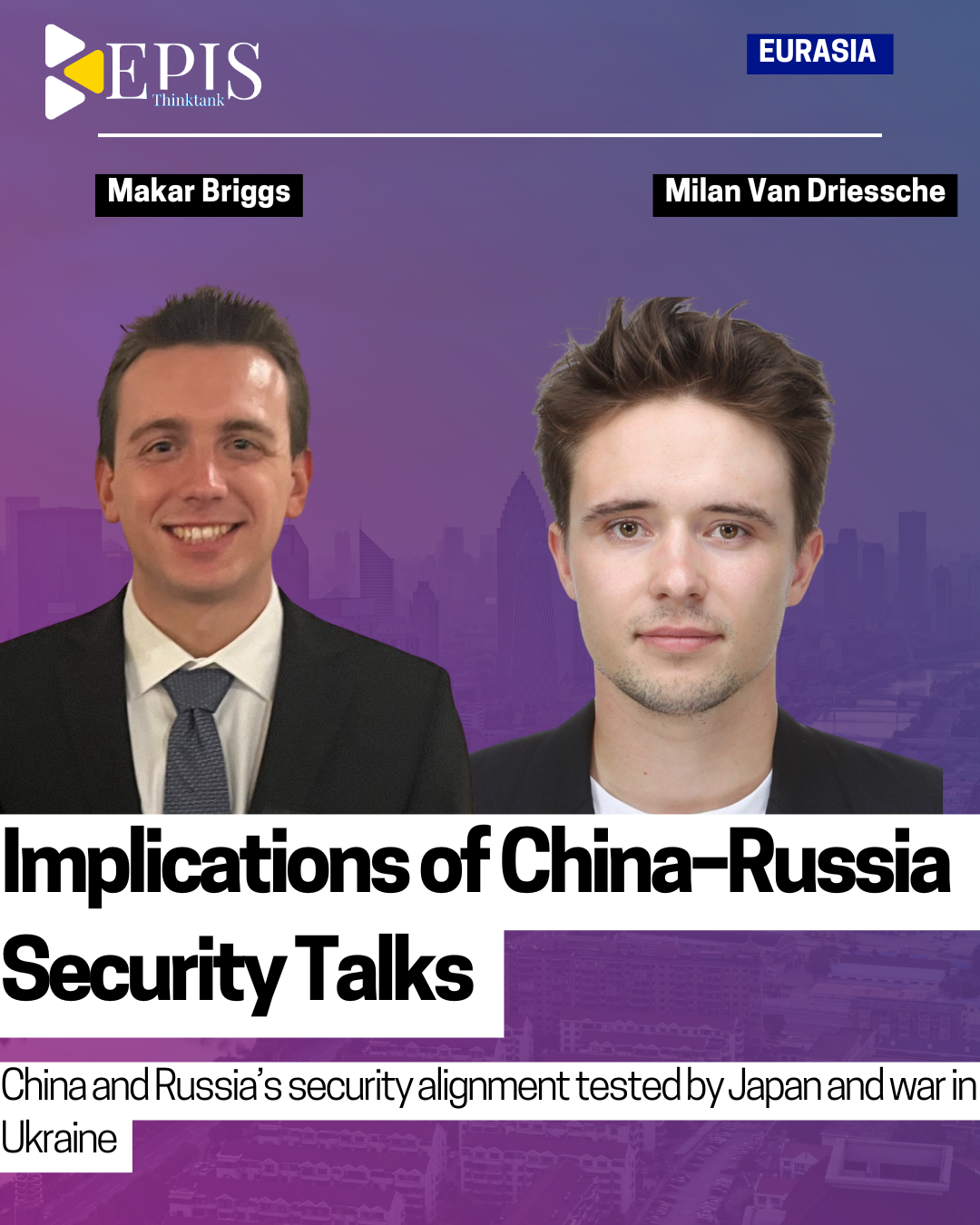
Implications of China–Russia Security Talks
– How durable is China–Russia security cooperation, and how do Japan and Ukraine test its limits? – The partnership is not an alliance but a flexible, institutionalised coordination that allows alignment while managing risk, asymmetry, and disagreement – China–Russia security ties will persist but remain cautious and conditional, shaped by strategic signalling in Asia and…
-

Wiring the Arctic
Can the Arctic become a secure alternative to vulnerable global data corridors? Climate change and rising digital demand make Arctic submarine cables viable, supporting economic activity, scientific research, Arctic communities, and military operations. Competing Western and Russian projects are turning digital infrastructure into a new arena of geopolitical rivalry, reshaping power dynamics in the Arctic.
-

The 8th Edition of the Paris Peace Forum
Main question of the Paris Peace Forum: How can Europe find effective leadership and agency in a fractured world order marked by war, climate crisis, and inequality? Argument: Europe must act more united and autonomous, face Russia more fiercly, strengthen multilateralism, empower female leadership , and move from climate promises to implementation. Conclusion: Only coordinated,…
-

The End of an Era
How does the new U.S. National Security Strategy reshape American global engagement and regional priorities under an “America First” framework? The NSS limits global leadership, revives the Monroe Doctrine in the Western Hemisphere, makes European security conditional, favors deterrence in Asia, and focuses on resources and trade in Africa. Overall, it marks a return to…
-

Listening to Young Europeans
Insights from the Pulse Z Youth Festival
-
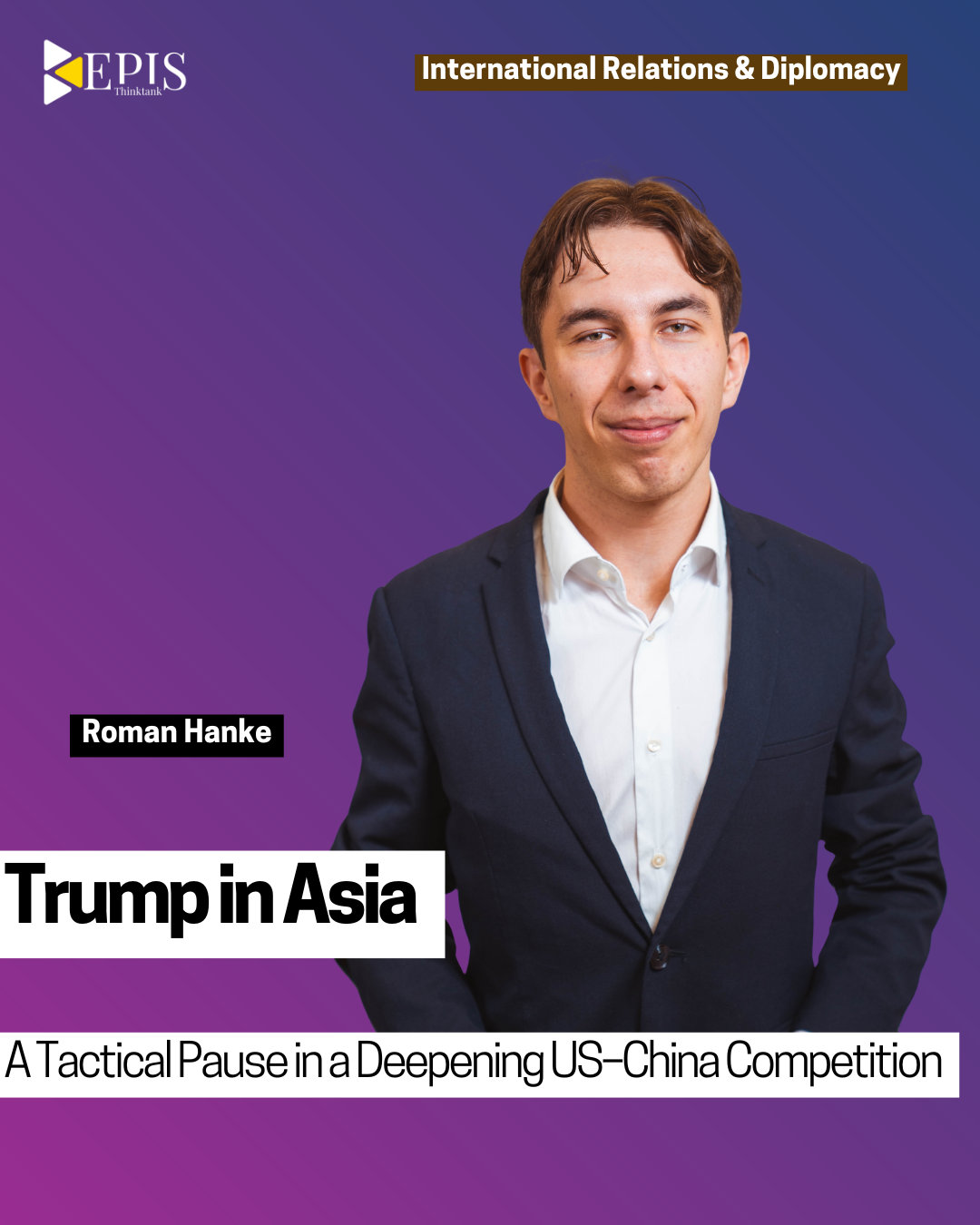
Trump in Asia
This article analyses Trump’s recent Asia trip and its potential impact on the broader regional dynamics. The article concludes that Trump’s transactional approach wins investments and a brief US–China pause but deepens uncertainty for allies. It recommends that the Indo-Pacific states must hedge, diversify, and prepare for long-term strategic competition.
-
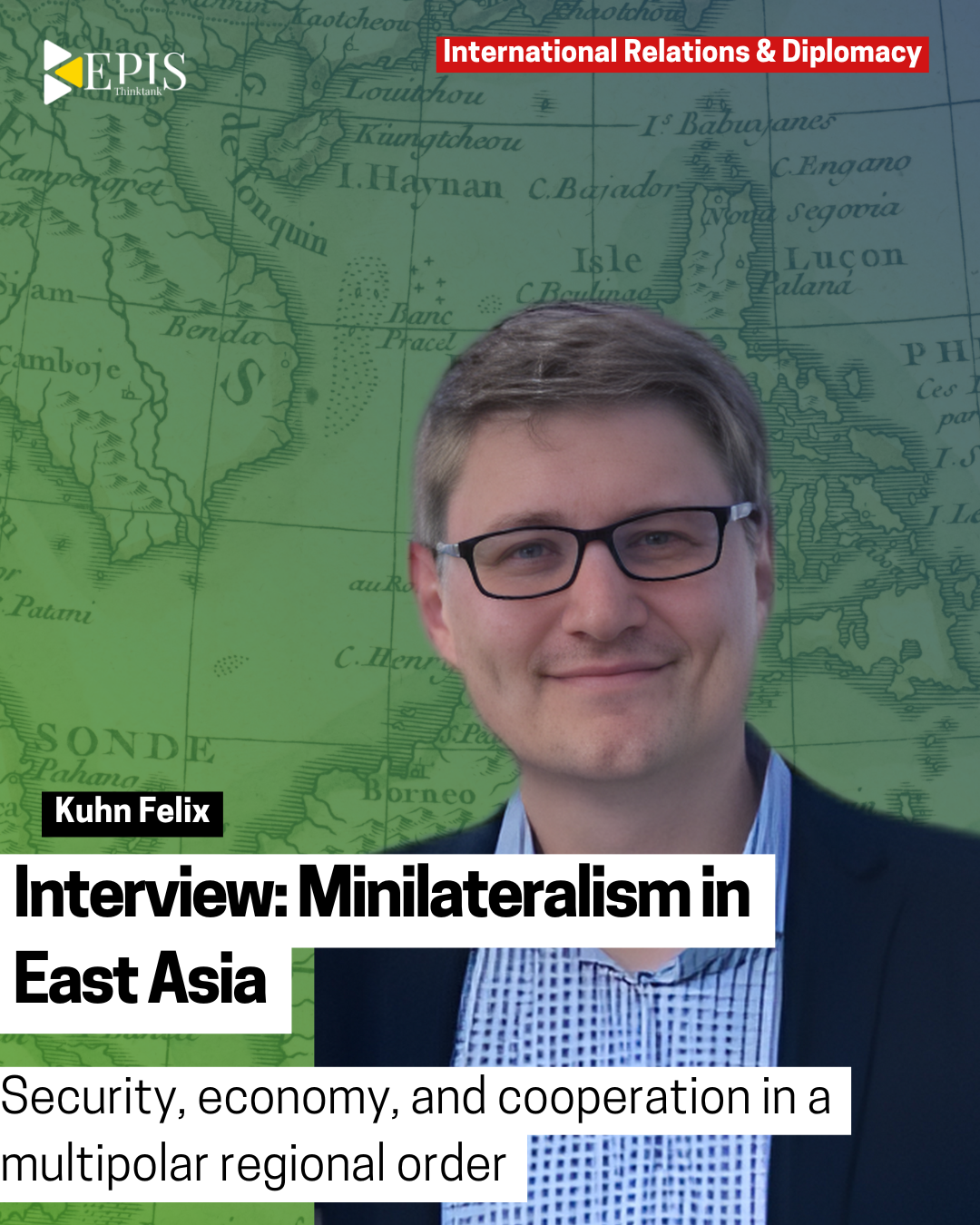
Interview: Minilateralism in East Asia
Main Question: How do minilateral arrangements shape East Asian cooperation? Argument: Forums like ASEAN provide broad frameworks, while minilaterals (Quad, trilateral dialogues) enable focused security cooperation alongside economic ties to China and reliance on the U.S. Conclusion: Minilaterals complement larger institutions, offering flexible, pragmatic, and targeted regional cooperation.
-
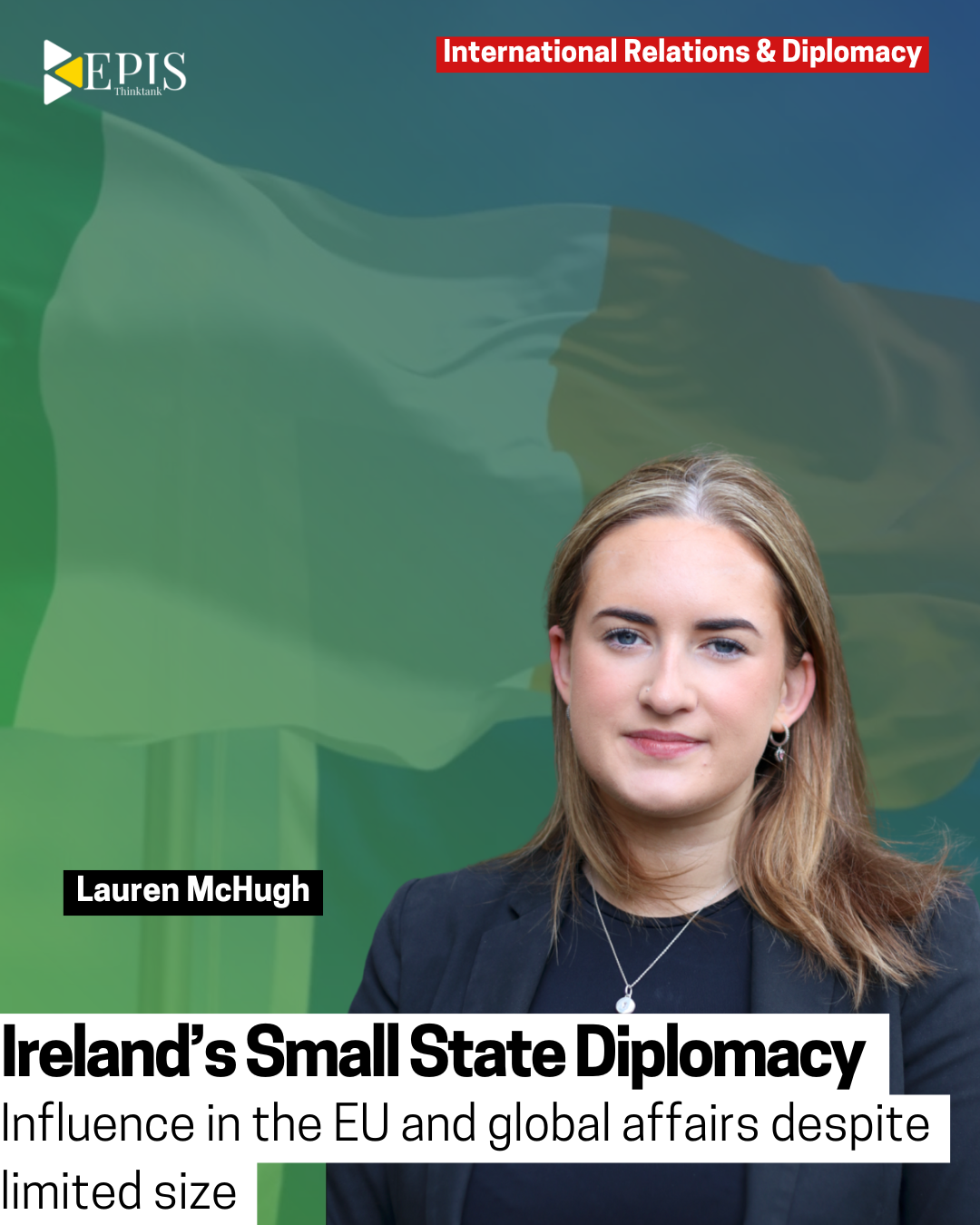
Ireland’s Small State Diplomacy
Main Question: How can a small state like Ireland exert influence in the EU and globally? Argument: Ireland leverages multilateral institutions, normative leadership, and diplomatic specialisation to amplify influence. Conclusion: Through embedding in EU structures, principled stances, and diplomatic expertise, Ireland exemplifies effective small-state diplomacy and prepares for continued influence, including the 2026 EU Council…
-
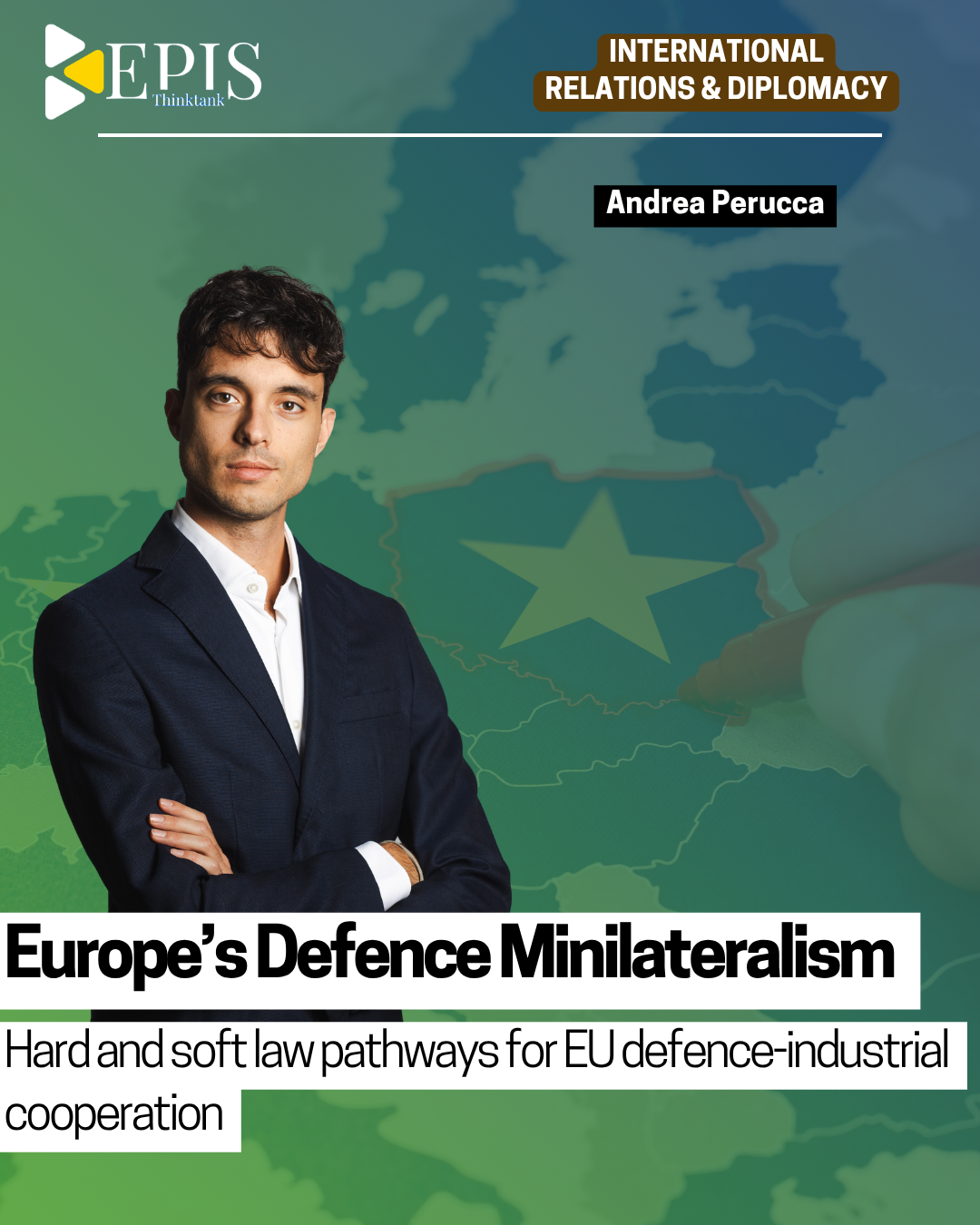
Europe’s Defence Minilateralism
1. Main Question: How do European countries advance defence-industrial integration amid limited EU consensus? 2. Argument: In response to US dependence and fragmented EU structures, states pursue minilateral cooperation through bilateral/trilateral frameworks. 3. Conclusion: Europe balances agility and durability in defence industrial policy by combining soft-law diplomacy for early alignment with hard-law instruments for long-term…
-
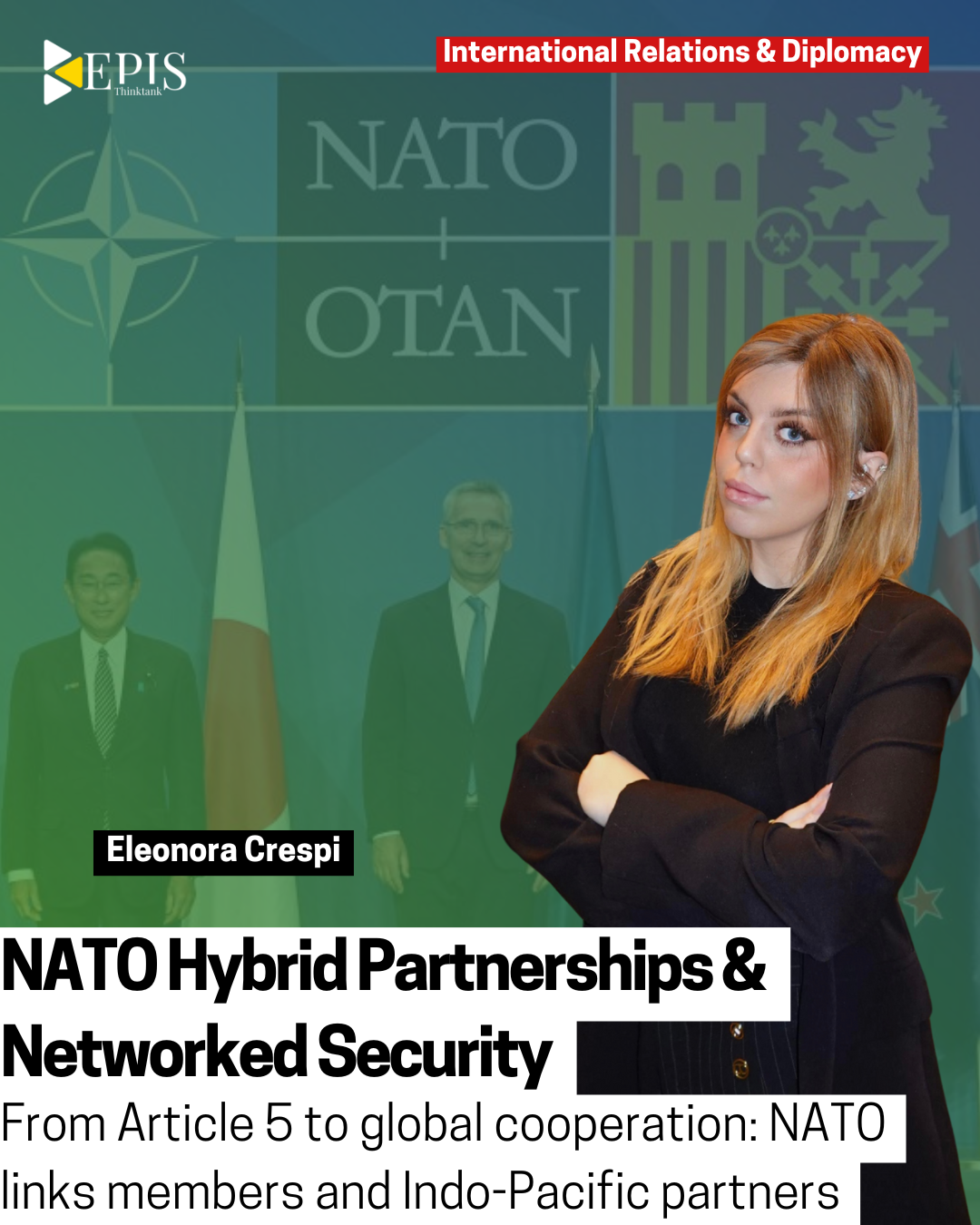
NATO Hybrid Partnerships & Networked Security
Main Question: How is NATO adapting to transnational threats through hybrid partnerships and networked security? Argument: NATO expands beyond treaty-bound members via the Partners Across the Globe framework, collaborating with Indo-Pacific Four in cyber, maritime, and capacity-building missions. Conclusion: NATO’s evolution from alliance to flexible, networked security actor demonstrates that contribution and interoperability, rather than…