Category: International Relations & Diplomacy
-
Russian Digital PSYOPS in CEE
1. Main Question: How does Russian digital diplomacy and PSYOPS influence politics and security in Central-Eastern Europe? 2. Argument: Russia leverages social media, memes, fake news, and AI tools as part of hybrid warfare to polarize societies, manipulate elections, and destabilize NATO’s eastern flank. 3. Conclusion: Digital PSYOPS have tangible political and security impacts, as…
-
Russia’s BRICS+ & SCO Strategy
1. Main Question: How is Russia using BRICS+ and the SCO to navigate Western isolation? 2. Argument: Following Western sanctions and exclusion, Russia pivots to BRICS+ and the SCO for economic, diplomatic, and ideological leverage. 3. Conclusion: These frameworks help Russia maintain global influence and pursue multipolarity, but dependence on partners like China limits full…
-
EU-India Partnership: Trade Deal Urgency
1. Main Question: How urgent is the EU-India partnership and trade deal for both sides? 2. Argument: With U.S. tariffs and China’s assertiveness, the EU and India must strengthen trade, investment, and strategic ties. 3. Conclusion: A comprehensive FTA would enhance economic cooperation, strategic alignment, and global influence, but challenges remain in regulatory and sectoral…
-
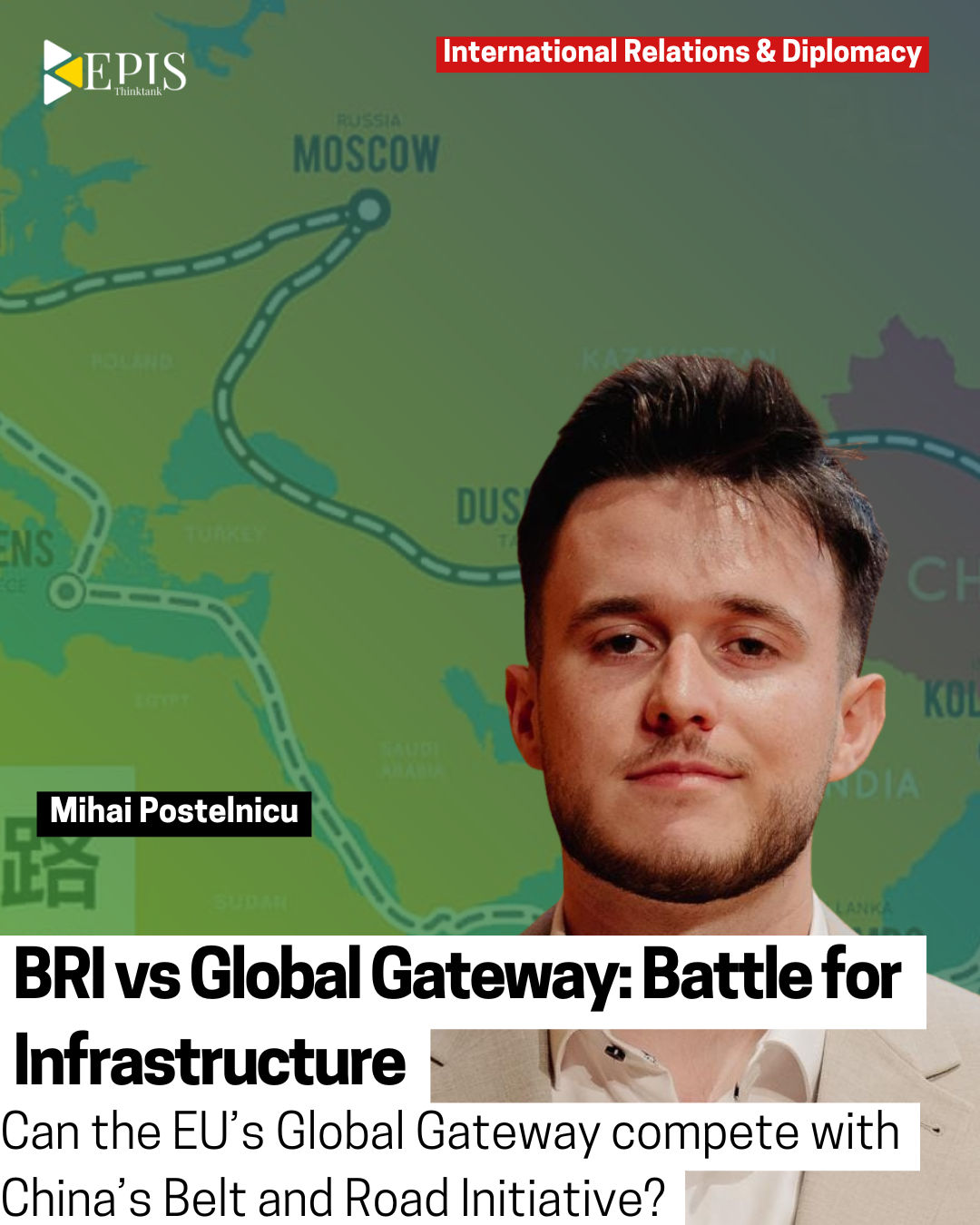
BRI vs Global Gateway: Battle for Infrastructure
1. Main Question: Can the EU’s Global Gateway be a viable alternative to China’s Belt and Road Initiative? 2. Argument: While the BRI dominates global infrastructure diplomacy, the EU’s Global Gateway leverages sustainability, grants, and governance standards to compete. 3. Conclusion: The Gateway has potential but faces promotion, differentiation, and internal cohesion challenges to rival…
-
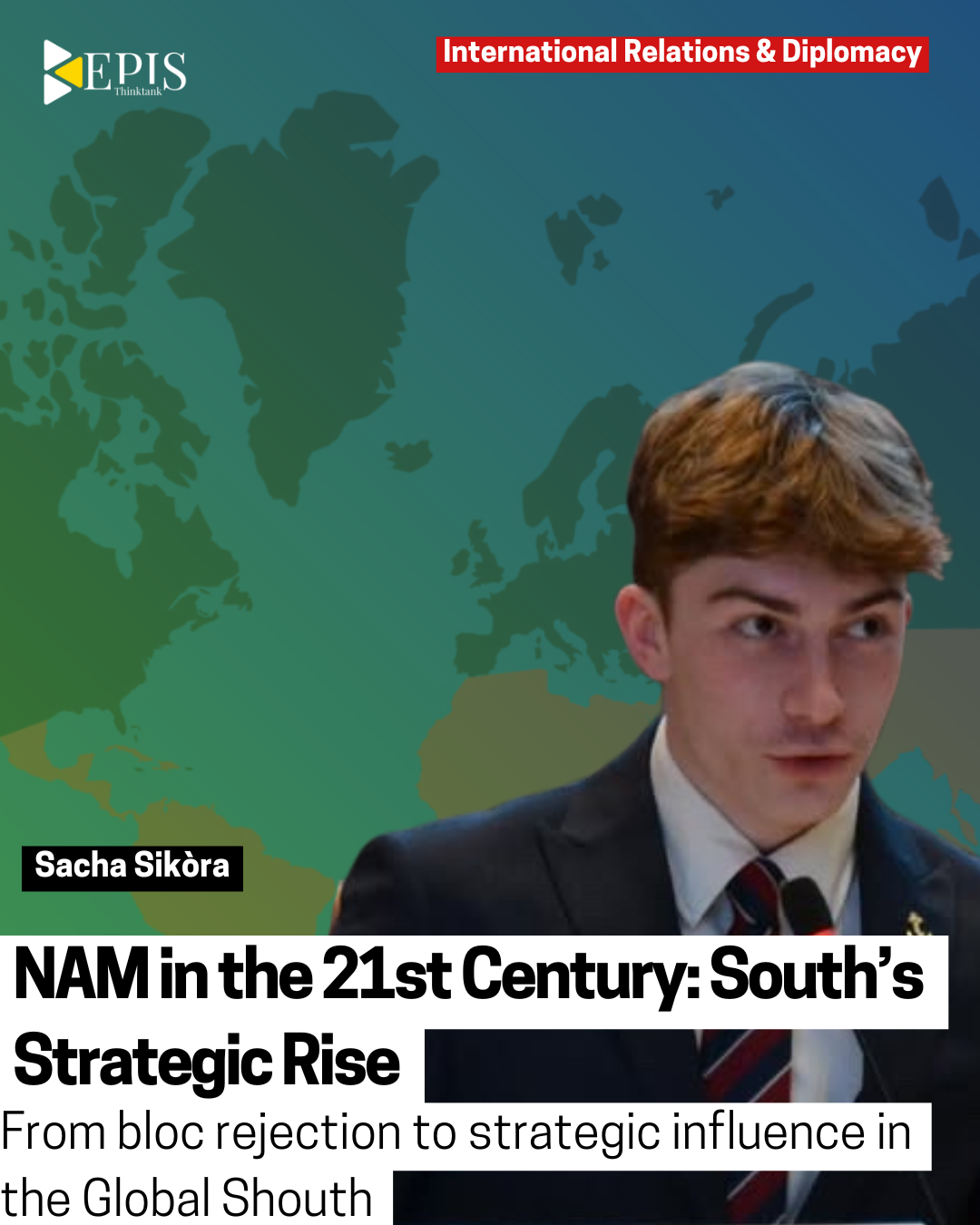
NAM in the 21st Century: South’s Strategic Rise
1. Main Question: How has the Non-Aligned Movement evolved from Cold War neutrality to a tool for Global South influence? 2. Argument: NAM now engages strategically in economic, technological, and security cooperation, leveraging BRICS+ and South-South partnerships. 3. Conclusion: The Movement remains relevant as a pragmatic platform for collective autonomy, adapting to multipolarity despite internal…
-
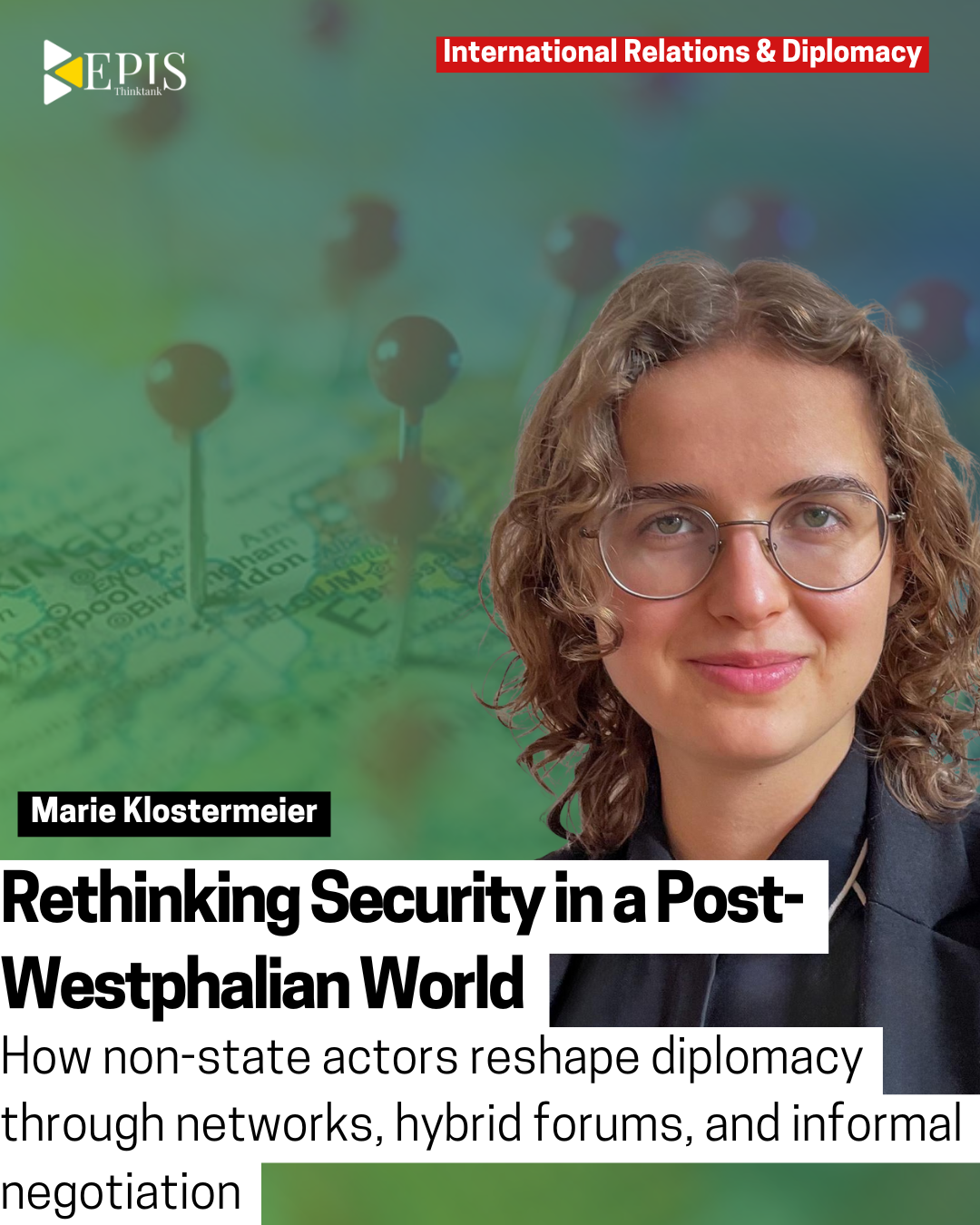
Rethinking Security in a Post-Westphalian World
1. Main Question: How does the growing role of non-state actors transform global security beyond the state’s traditional Westphalian claim to absolute power? 2. Argument: Non-state actors increasingly shape security through Track 1.5/2 diplomacy, hybrid platforms, and governance networks, softening hierarchical state control. 3. Conclusion: This shift toward decentralized, network-based security is inevitable and adaptive,…
-
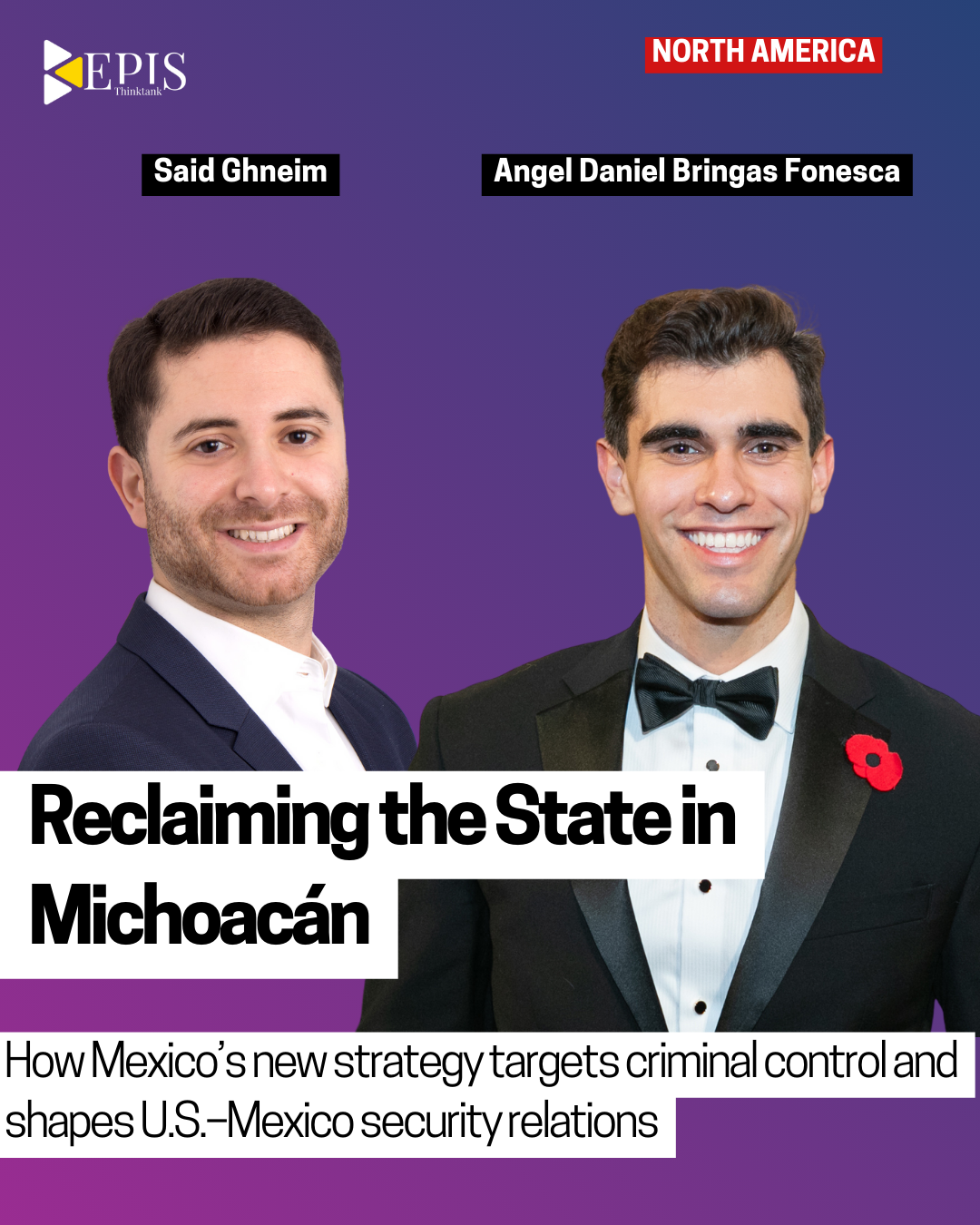
Reclaiming the State in Michoacán
The assassination of Uruapan Mayor highlighted deep-rooted organized crime and weak local policing in Michoacán. The newly proposed Michoacán Plan combines security, justice, economic, and youth programs to restore state authority and tackle systemic criminal influence. The success of the plan is yet to be seen, and the evolvement of the U.S.–Mexico security cooperation.
-
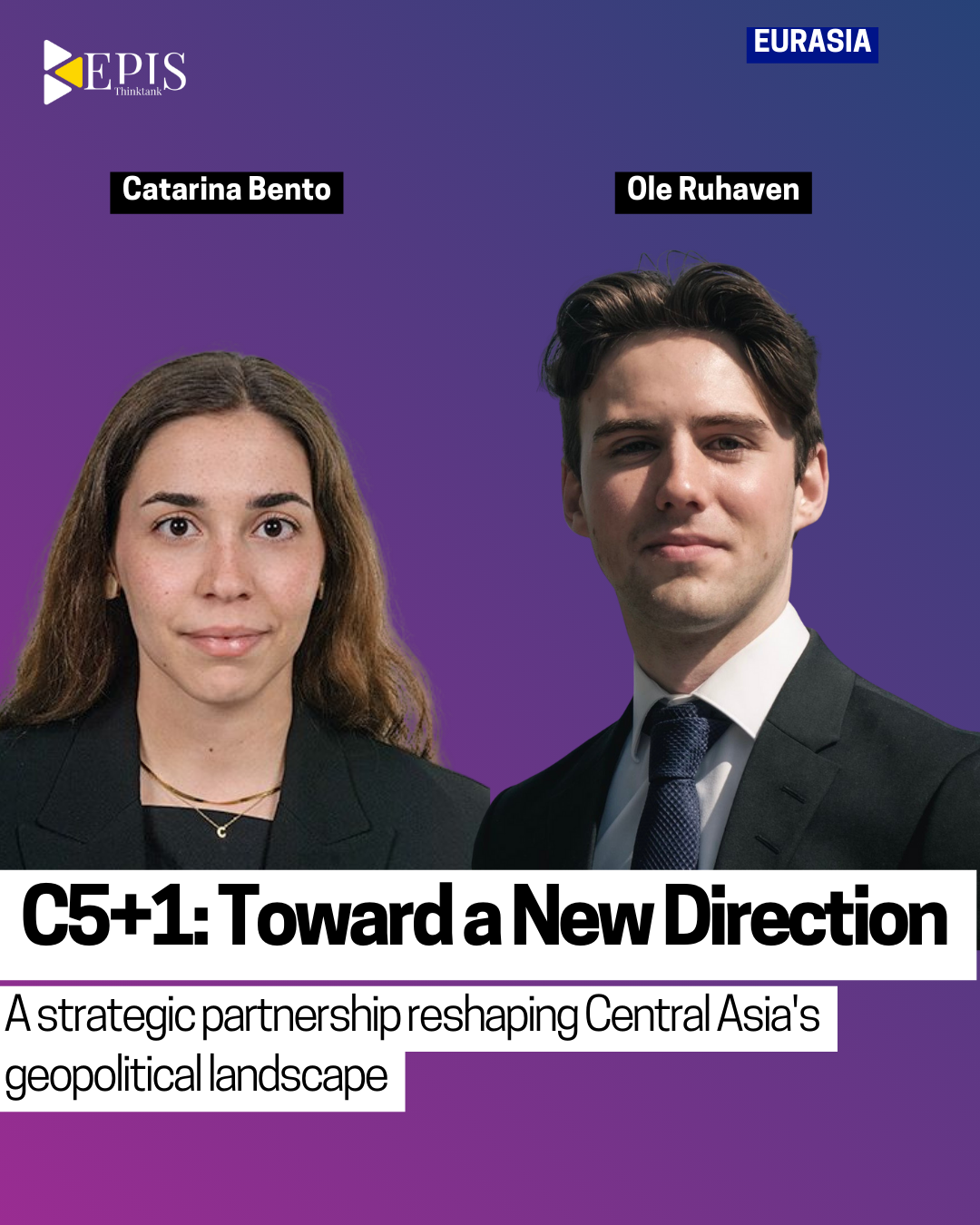
C5+1: Toward a New Direction
– How is the U.S. leveraging the C5+1 to counter Russia and China’s dominance in Central Asia? – This year’s C5+1 Summit elevated U.S. – Central Asia relations, with Washington advancing concrete economic initiatives to strengthen its position in a region long dominated by Moscow and Beijing. – C5+1’s future depends on the U.S. delivering…
-
Wolf Warrior Diplomacy
Main question: Has China’s Wolf Warrior Diplomacy been an effective foreign policy strategy? Argument: Though it strengthens nationalism and attracts some anti-Western partners, it provokes backlash from Western states, fuels security alliances against China, and undermines China’s soft power and global reputation. Conclusion: Wolf Warrior Diplomacy is largely ineffective; compared with China’s earlier charm offensive,…
-
An Examination of Syria’s Transitional Governance
Since December 2024, Syria’s political regime has undergone significant changes. Although some democratic aspects may remain unmet, the actual regime strives to appear as a strong democratic regime. This article analyses the structural flaws and crises threatening the transition’s democratic prospects. Through this brief, various points will be analyzed, such as the parliamentary elections, sectarian…