Category: International Relations & Diplomacy
-
NextGen Europe Should Embrace 360º Resilience
– Europe faces many threats: American aggrandisement, Chinese competition, Russian revanchism. – Europe’s young leaders currently emerging from Generation Z — those born roughly between 1995 and 2010, aged between 16 and 30 today — have the qualities that can Make Europe Great Again. – To do that, they should embrace the ambition of 360º…
-
South America’s Turn to the Right
Is South America’s shift to the right ideological or cyclical? Voters have turned to right-wing leaders mainly because of economic problems, crime, and frustration with prolonged left-wing governments. Hence, the shift is a short-term, corrective reaction rather than ideological in nature.
-
Beyond Tokenism
– Digital Security and Risk Awareness – Mental Resilience for Effective Leadership – Healthcare Geopolitics and Political Adaptations
-
The Nordic-Baltic Eight
Main question: How does the NB8 navigate current international crises? Argument: Strong support to Kyiv + unity and integration due to external threats + cautious reaction from internal issues + integration and security management. Conclusion: NB8’s strength lies in its multi-layered integration + NB8 must find a good balance between accommodating US strategic concerns and…
-
The Donroe Doctrine: A New Era for Cuba?
Question: Focused on the “Donroe Doctrine” vs regional stability. Argument: Centred on the use of Venezuelan energy as a coercive tool. Conclusion: Highlighted the EU’s “middleman” role via the PDCA framework.
-
The African Sky
Question: How can Africa maintain strategic autonomy while navigating the intensifying U.S.-China “space race”? Argument: Africa’s “space for development” model leverages international partnerships not for prestige, but as essential tools for data sovereignty and socioeconomic transformation. Conclusion: To avoid terrestrial patterns of exclusion, African states must foster domestic investment and benefit-sharing to ensure space remains…
-
Nordic-Baltic Eight
Main question: How Does the NB8 Navigate Current International Crises? Argument: Strong support to Kyiv + unity and integration from external threats + cautious reaction from internal issues + integration and security management. Conclusion: NB8’s strength lies in its multi-layered integration + NB8 must find a good balance between accommodating US strategic concerns and carefully…
-
Breaking Diplomatic Norms
Israel’s recognition of Somaliland at the end of 2025, Somalia’s territorial integrity, and decades of international consensus. This unilateral move reframes Somaliland’s three-decade independence as legitimate dissolution rather than illegal secession. The brief argues that state recognition is primarily driven by geopolitical interests, rather than objective legal criteria.
-
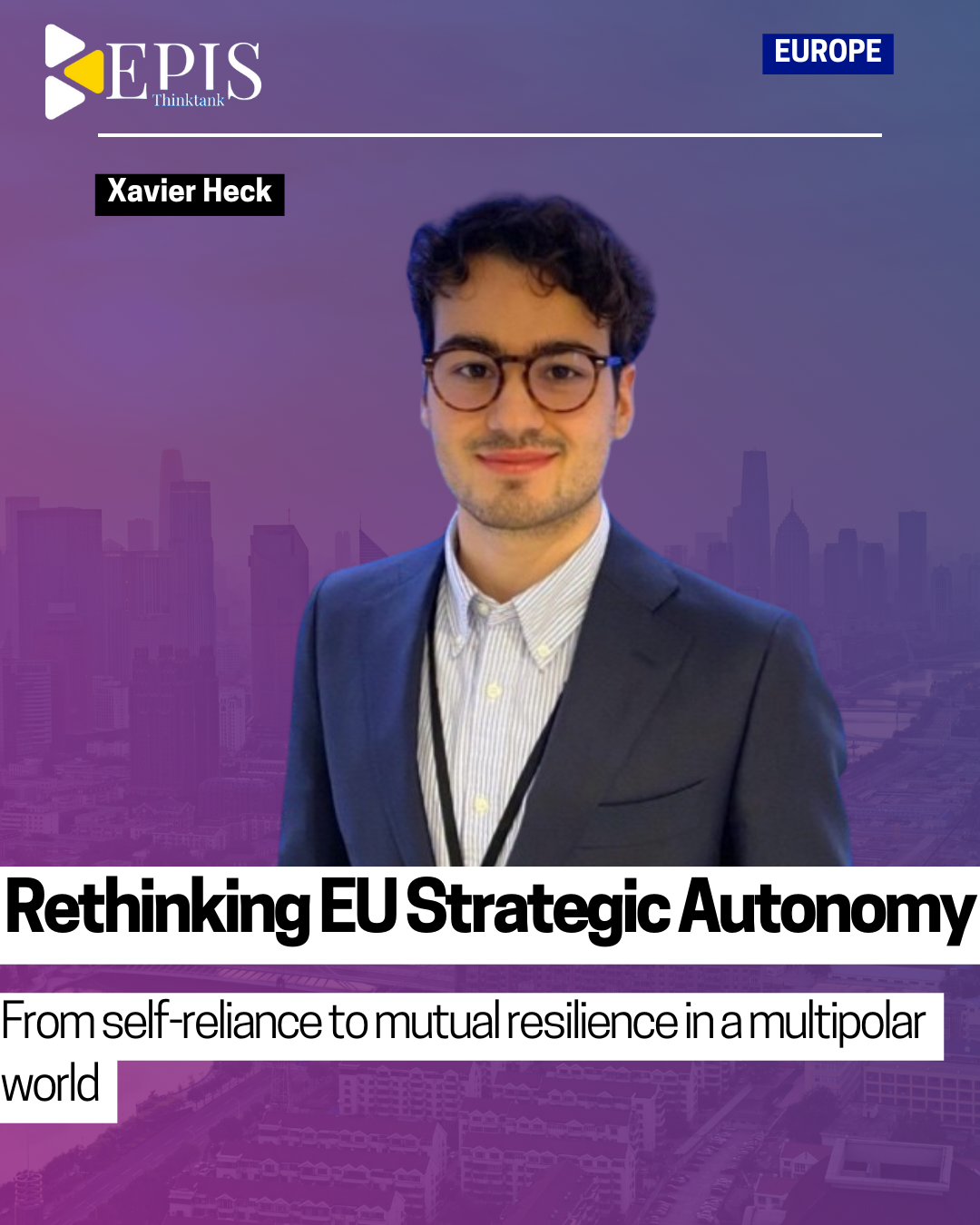
Rethinking EU Strategic Autonomy
How can the EU build strategic autonomy and relevance in a multipolar world without isolationism? Strategic autonomy must shift from self-reliance to mutual resilience through inclusive, horizontal partnerships with the Global South. An inclusive approach strengthens EU competitiveness, legitimacy, and long-term influence in a reformed multilateral order.
-
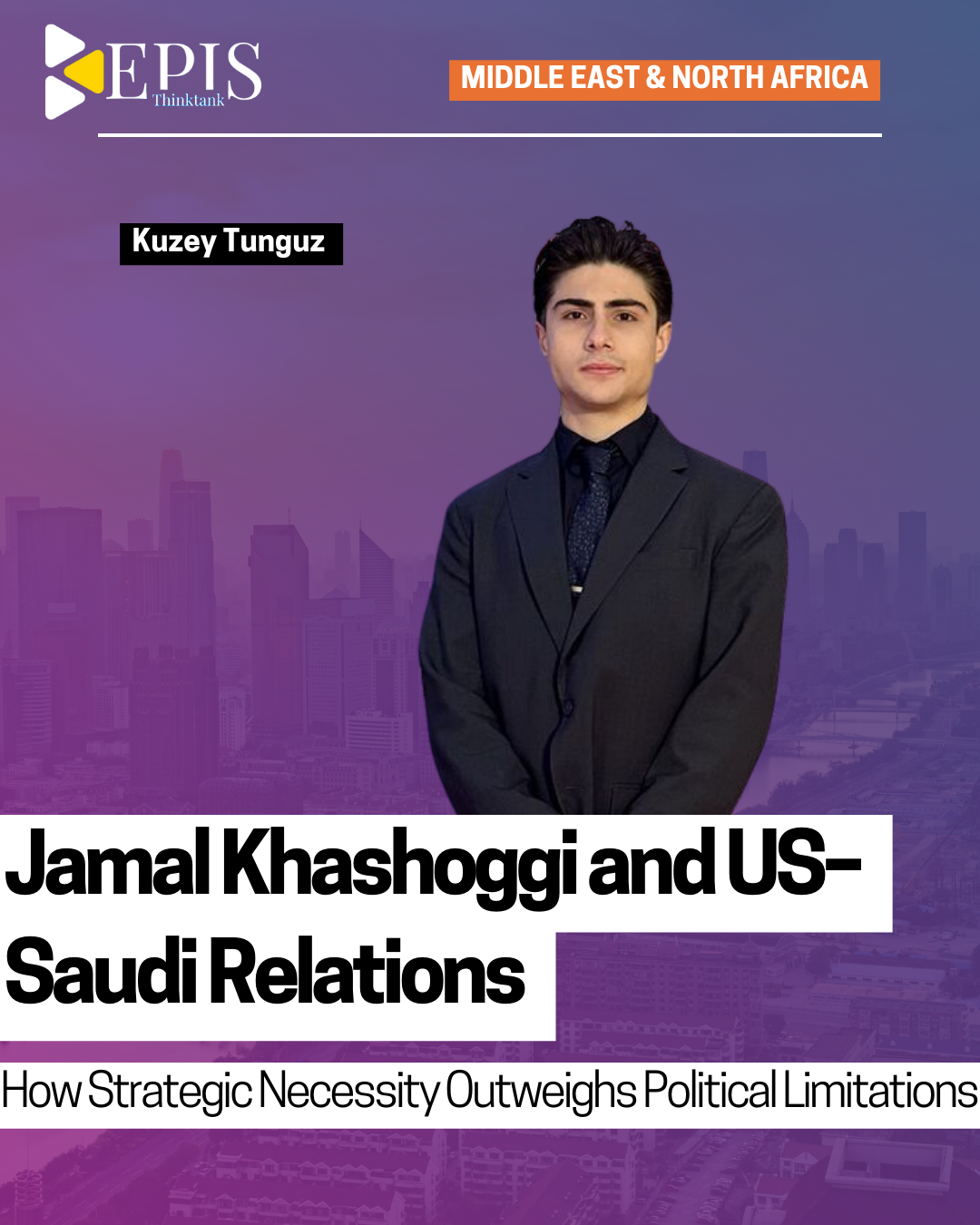
Jamal Khashoggi and US–Saudi Relations
How has Jamal Khashoggi’s murder affected US–Saudi relations? Despite intelligence linking the killing to Crown Prince Mohammed bin Salman and subsequent sanctions, both the Trump and Biden administrations largely prioritized strategic interests over accountability, emphasizing security cooperation, energy interdependence, and countering Iran. The case altered rhetoric but not the structure of US–Saudi relations, which ultimately…