Category: International Relations & Diplomacy
-
Egypt and the Nile
-Egypt has enjoyed a normative hegemony over the Nile’s waters since the period of British colonialism. -As riparian basin states seek to develop their hydrological development potential, this clashes with Egypts previously privileged position, especially regarding Ethiopia’s construction of the GERD dam project. -Increased water scarcity will lead to future inter-state conflict over shared watercourses…
-
Iran in 2026
Main question: progress of doemtic unrest and war in Iran Arguemnts: domestic unrest less important for Iran compared to War Conclusion: situation needs to be observed as it progresses
-
El Super Tazón: Bad Bunny’s Soft Power Moment
The briefing assesses how Bad Bunny’s 2026 Super Bowl performance operates as an intervention in hemispheric power relations. It contends that his deployment of Spanish language, decolonial aesthetics and pan‑Latino symbolism constitutes a form of counter‑hegemonic soft power. It concludes that the performance reconfigures soft power as resistance from subaltern positions and reasserts Latin American…
-
The Platform Trap
What are the threats posed by the second Trump administration to European democracy? Overt U.S. political interference has proven electorally ineffective, but the alliance between Silicon Valley and the GOP poses a structural challenge by targeting EU digital regulation and exploiting platform dynamics. European digital sovereignty will depend on treating platform infrastructure as a strategic…
-
Europe’s Post-War Coexistence with Russia
How can Europe find stability and security post Russia’s war on Ukraine? Unity is under strain, but it is necessary to maintain a collective European strategy as it is essential for strengthening joint military power. Europe must build up its defence capabilities before seeking negotiations with Russia, as it provides leverage. For long-term stability, Europe…
-
Beyond Formal Diplomatic Relations
Main question: How does Taiwan stay internationally present despite diplomatic isolation? Argument: It relies on strong informal economic, political, and security ties. Conclusion: These ties help Taiwan engage globally but cannot replace formal recognition.
-
Was WEF26 Truly Equipped to Address Peace?
Was WEF26 equipped to address peace given the complex geopolitical structures and tension around Greenland? WEF26 was effective in terms of dialogue and de-escalation, but structurally not capable of enforcing and ensuring peace Davos can be a tool to talk about peace, but it can’t guarantee it.
-
Agenda Shaper on Ukraine
How has the European Parliament (EP) used own-initiative (INI) reports to shape the EU’s support to Ukraine whilst advocating more EU influence? The EP urged stronger support to Ukraine via informal agenda shaping, arguing that this crisis and its values necessitate a stronger role on foreign policy for the EU and, in particular, the EP.…
-
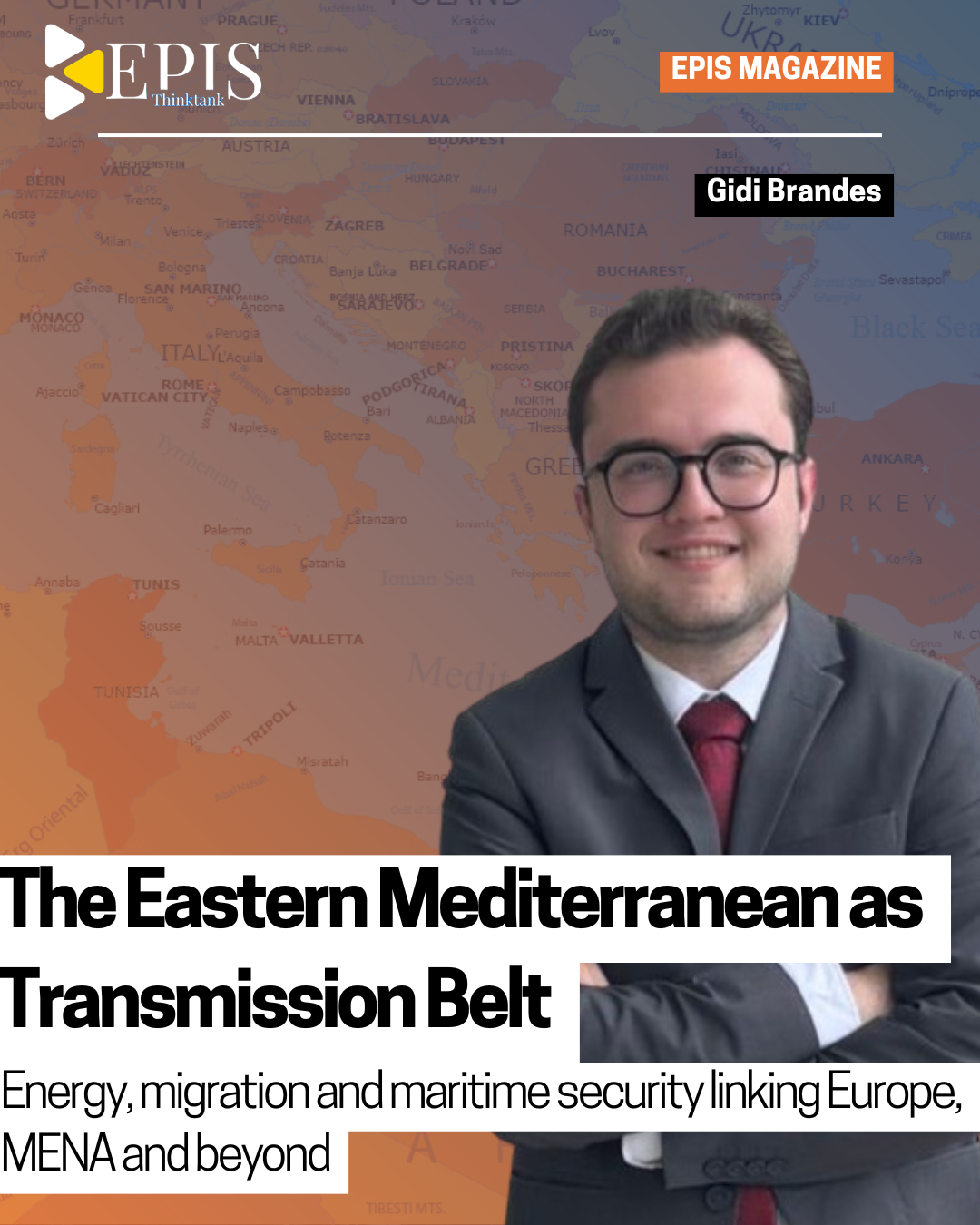
The Eastern Mediterranean as Transmission Belt
Main question: Why is a region linking multiple geopolitical systems persistently underdiscussed? Argument: The Eastern Mediterranean functions as a systemic transmission belt structured by a maritime–energy nexus across sub-, system-, and supra-levels. Conclusion: Neglecting its connective structure increases the risk of cross-regional spillover and strategic surprise.
-
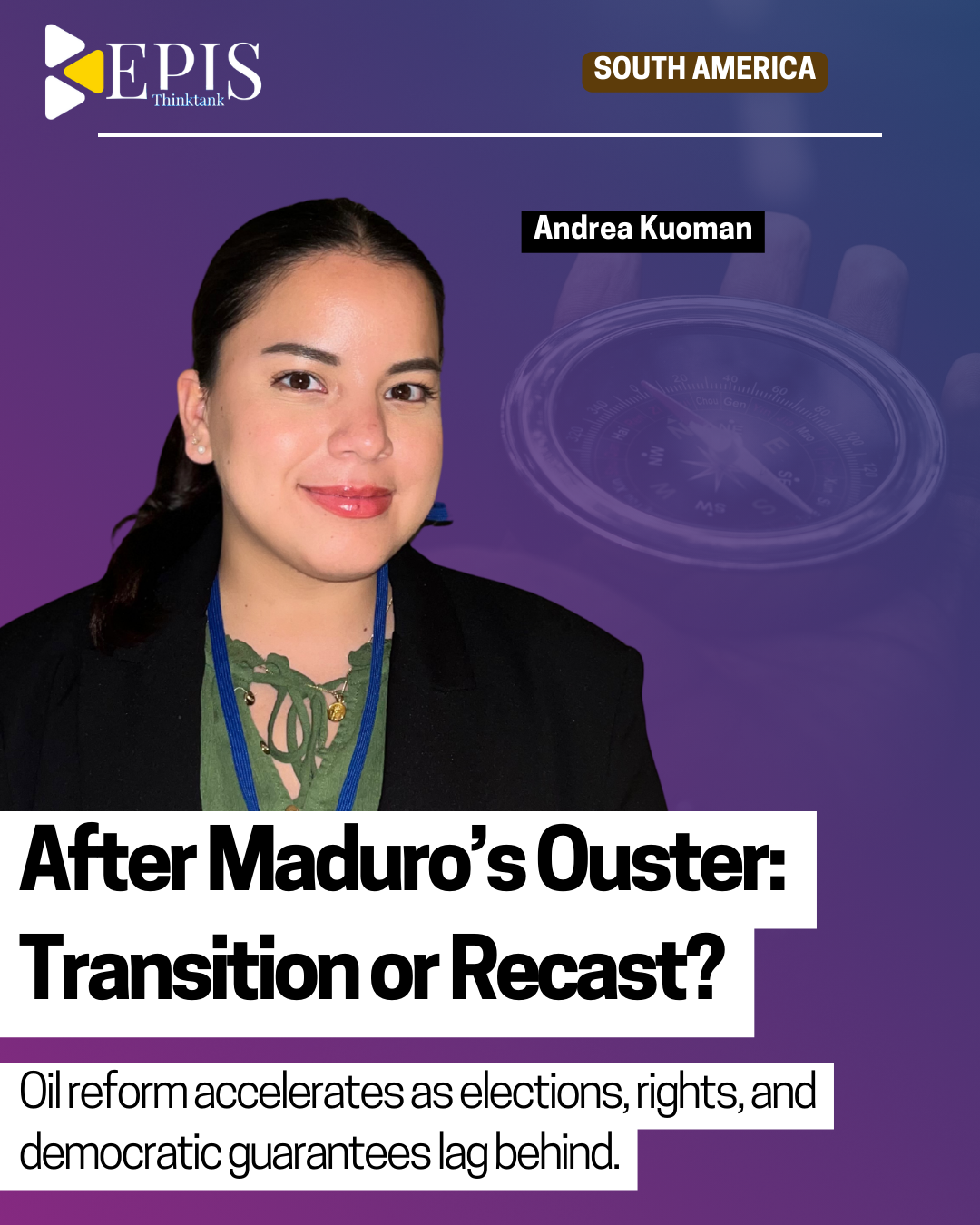
After Maduro’s Ouster: Transition or Recast?
Main Question: Is Venezuela heading toward a democratic transition or a market-authoritarian reconfiguration after Maduro’s ouster? Argument: Early changes show a fast economic opening (especially in oil) under U.S. licensing and revenue controls, while political guarantees lag amid emergency governance, fragile civic space, and reversible repression. Conclusion: So far, evidence points more to reconfiguration than…