Category: International Relations & Diplomacy
-
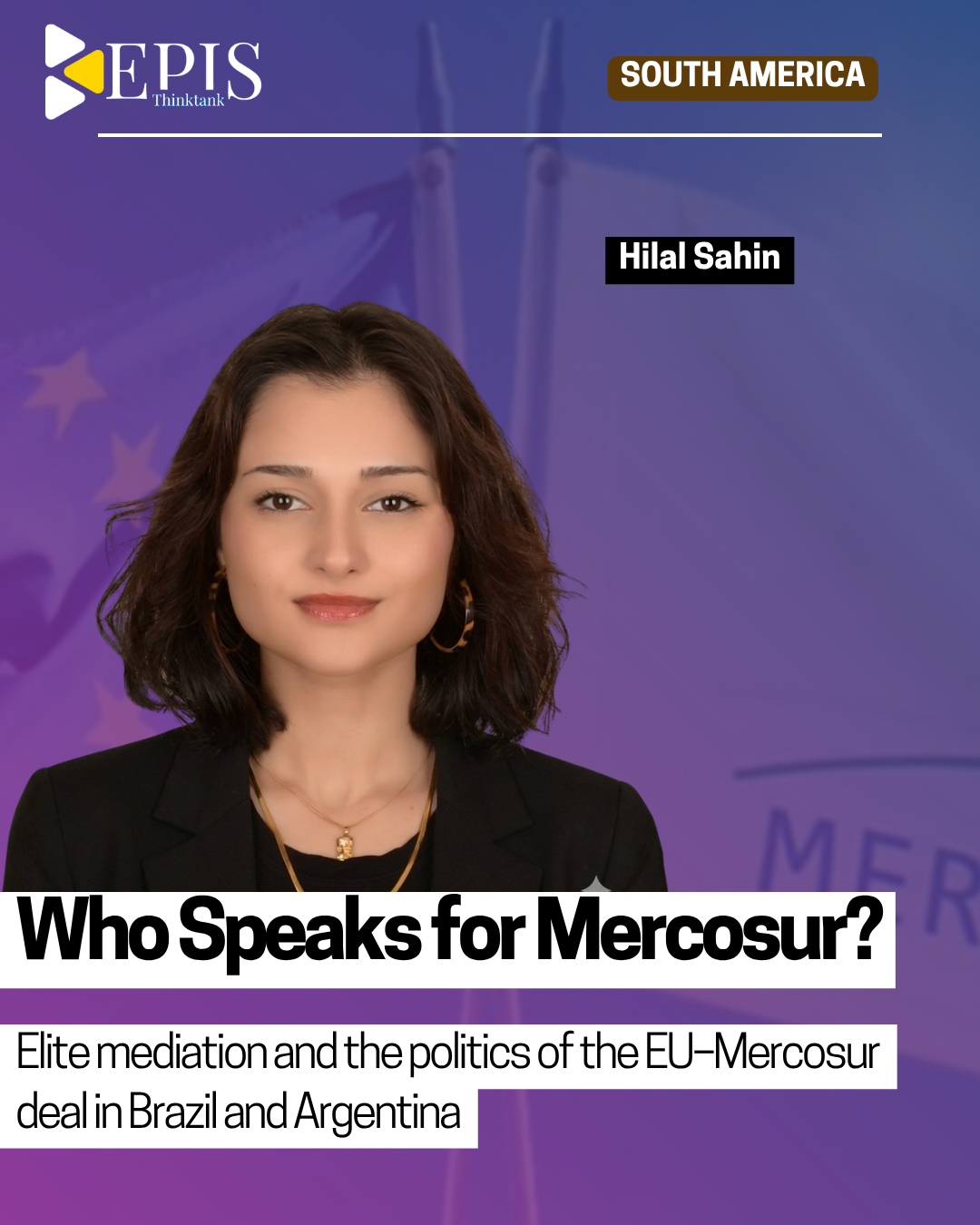
Who Speaks for Mercosur?
Main question: Who gets to speak for Mercosur in the EU–Mercosur deal? Argument: In Brazil and Argentina, the deal is filtered through elite mediation, not neutral state interest. Agribusiness, export coalitions and investor-confidence politics shape how integration is framed. Conclusion: The agreement is as much about representation and power as it is about trade.
-

The Gulf Cooperation Council Explained
Main question: Why do Gulf states cooperate within the GCC despite internal rivalries and regional instability? Argument: The GCC functions as a framework for security coordination, economic integration, and regime survival, driven by shared threats rather than deep unity. Conclusion: The GCC shows that regional cooperation can persist even with limited integration, but remains constrained…
-
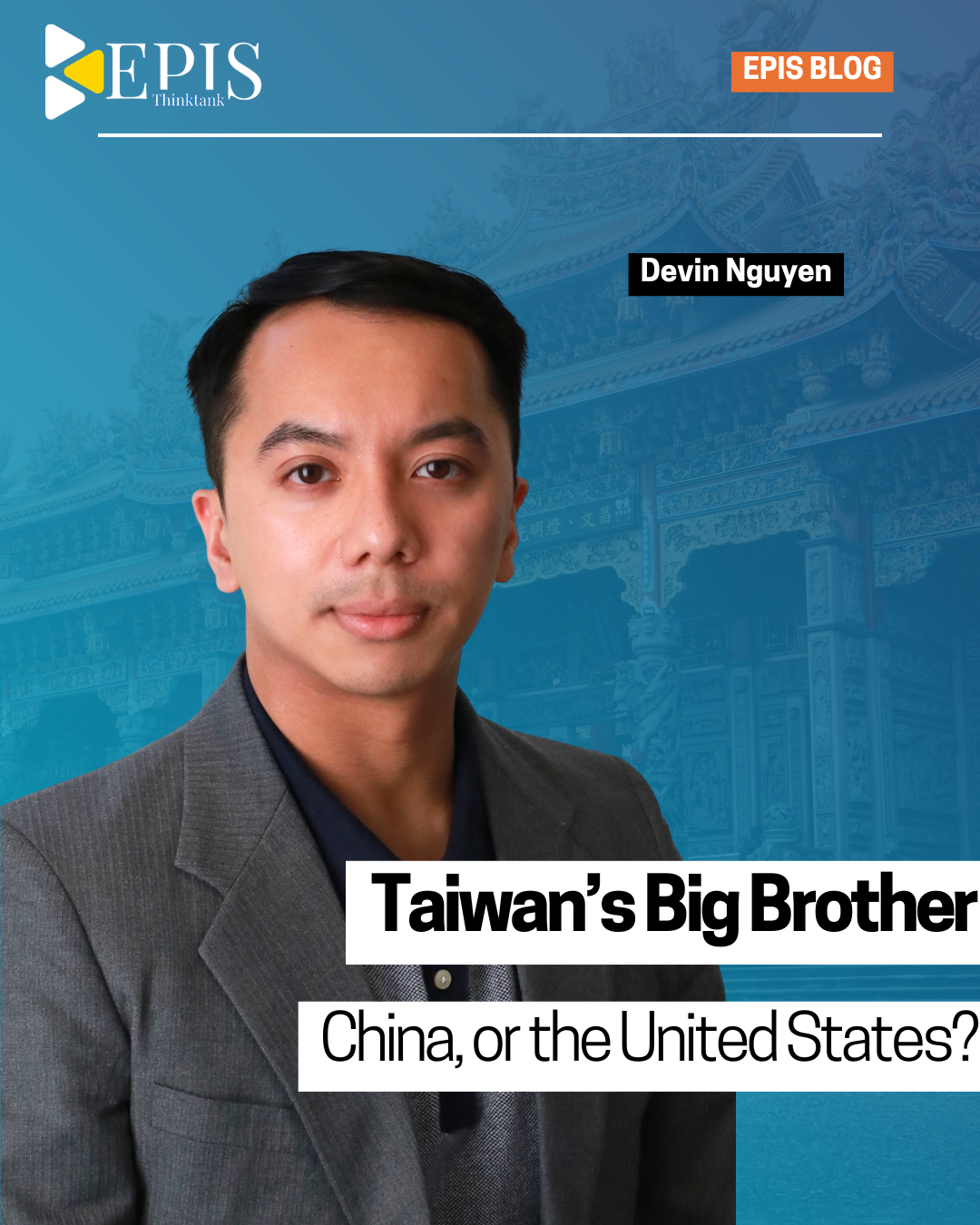
Taiwan’s Big Brother
Main question: Does Taiwan prefer partnership with the U.S. or China? Argument: Shifting opinions and geopolitics in East Asia affect Taiwan’s confidence and trust with the U.S. Conclusion: Taiwan still prefers U.S. partnership due to their decades’ long relationship.
-
Tianxia, All Under Heaven
– What is the Chinese concept of Tianxia? Can be useful in the international system? – Tianxia aimed to represent a civilised society governed by rituals, mutual benefit, and shared values, and it survives to this day in Chinese vision of international relations. – Tianxia can thus provide an interesting lens to historic and contemporary…
-
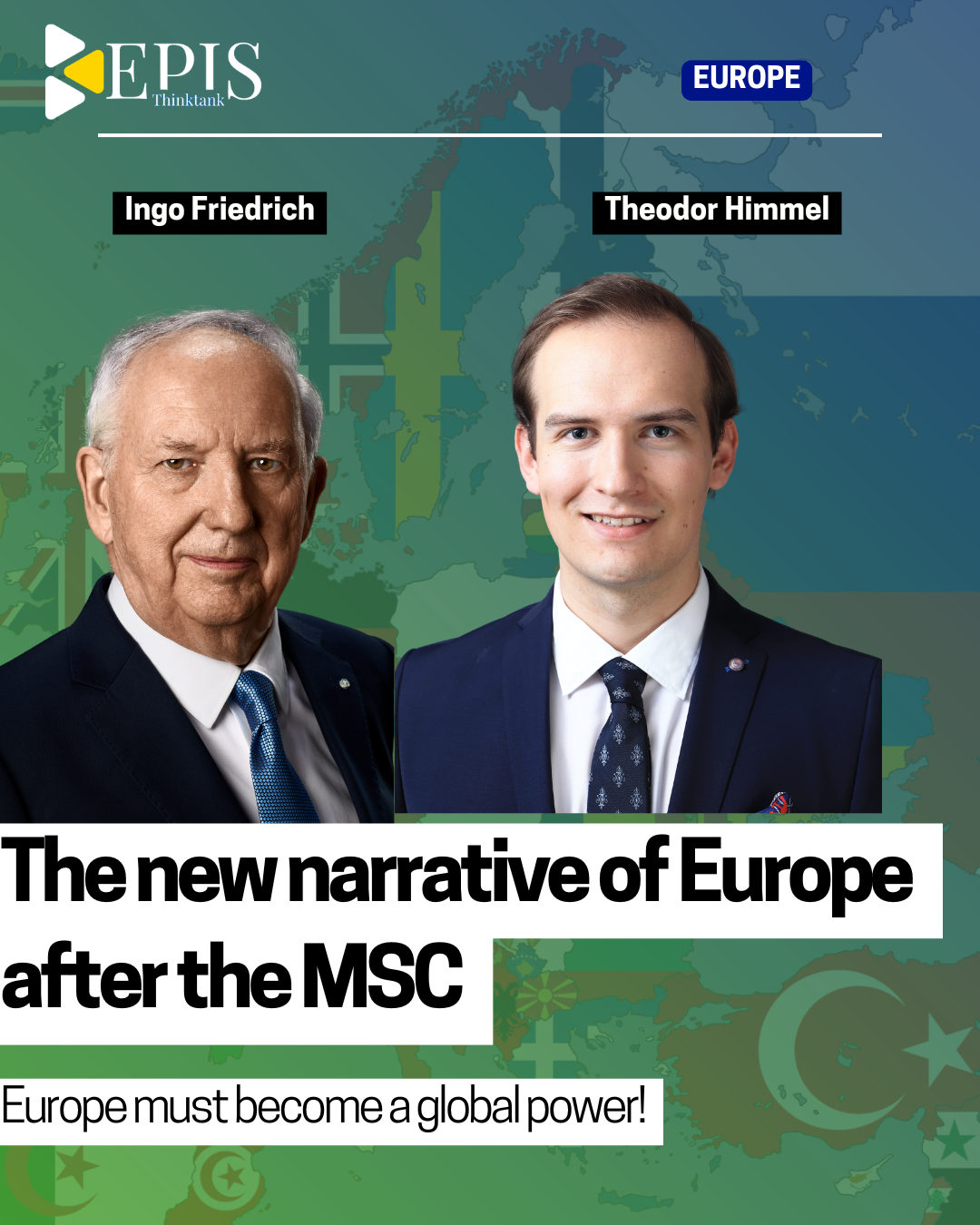
The new narrative of Europe after the MSC
Main Question: What role must Europe play following the shifts in global stability highlighted by the Munich Security Conference? Argument: Discrepancies in values with the USA and threats from Russia necessitate that Europe pursues “European Sovereignty” through independent security and military integration. Conclusion: Europe must urgently implement its own crystal-clear security guarantees and standardized armaments…
-

Unfinished Revolutions
main question: how different mena questions developed post arab spring, how did this manifest politically and legally through out the region, what are major on-going/ recent/ past developments actively shaping the countries
-
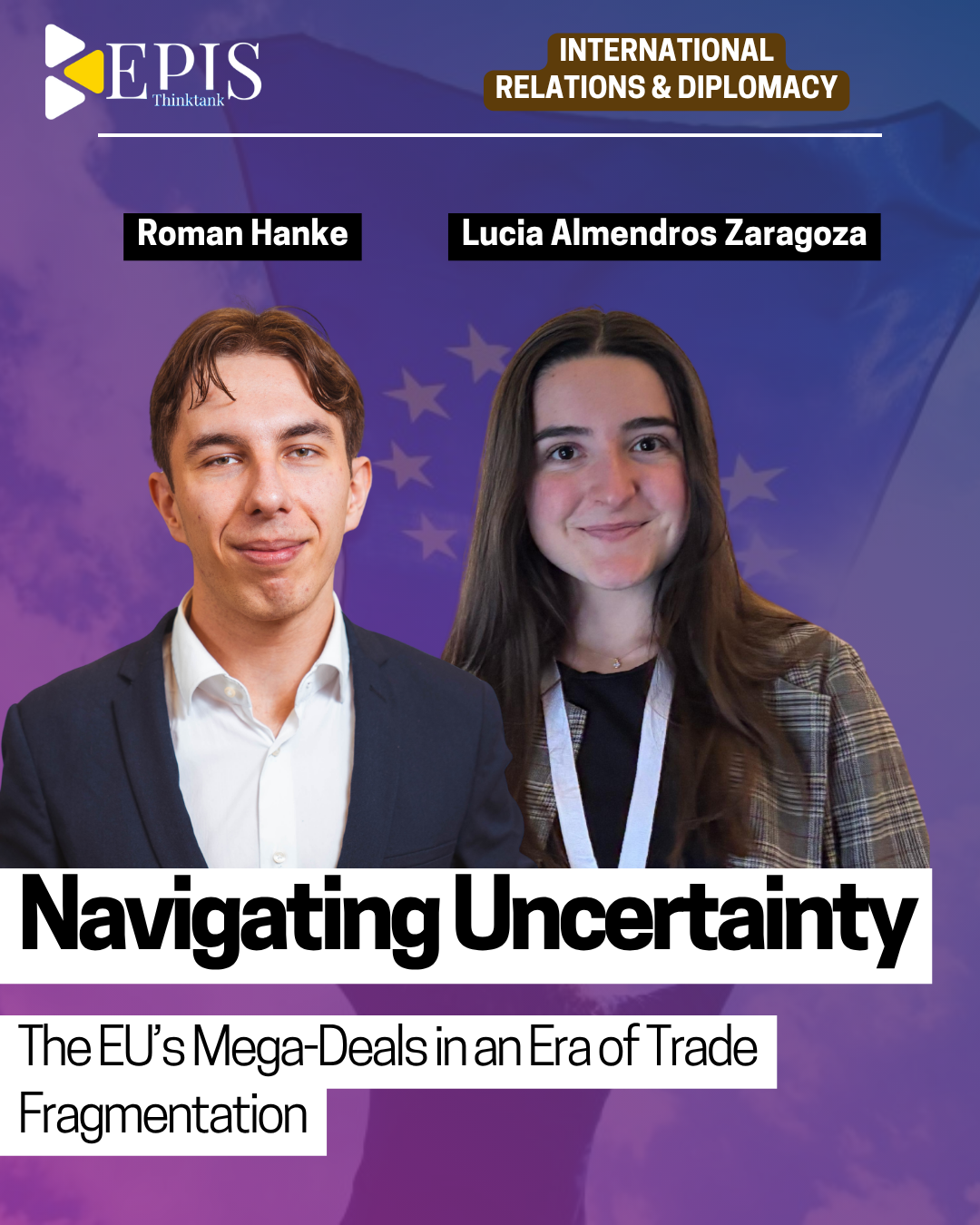
Navigating Uncertainty
To what extent has Trump’s return accelerated the EU’s trade diversification strategy? This article argues that rising protectionism and global fragmentation have pushed the EU to expand trade agreements to enhance resilience and reduce dependencies. However, internal political divisions limit the effectiveness of this strategy.
-
Gulf Instability Strains Central Asian Neutrality
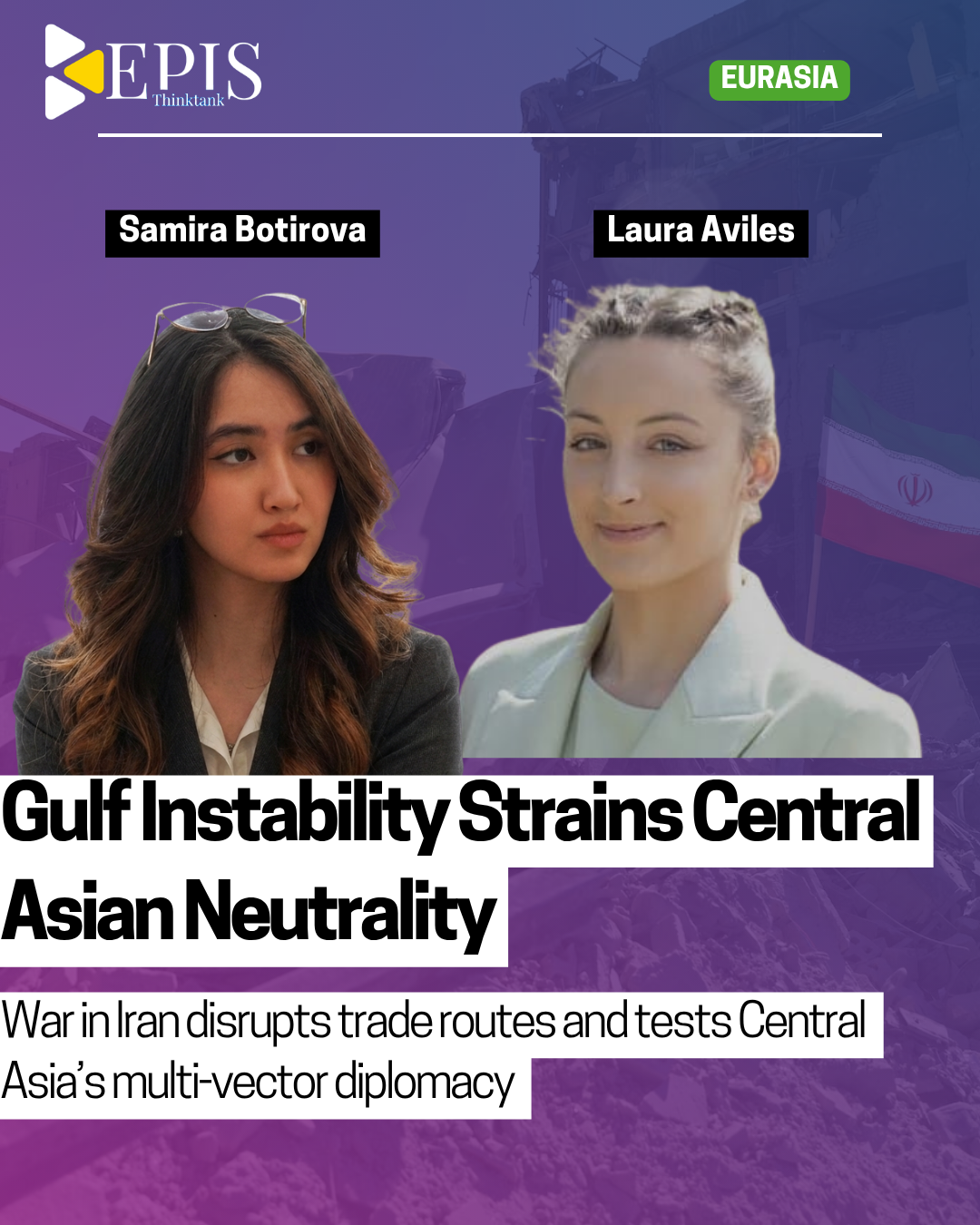
– How does the Iran war affect Central Asia’s neutrality and trade? – The conflict disrupts key transit routes, raises prices, and forces C5 states to balance ties between Iran, the US, and regional partners. – Prolonged instability will strain neutrality, pushing Central Asia to diversify trade routes and deepen reliance on alternative partners like…
-
THE STRAIT OF HORMUZ AND THE INDO-PACIFIC
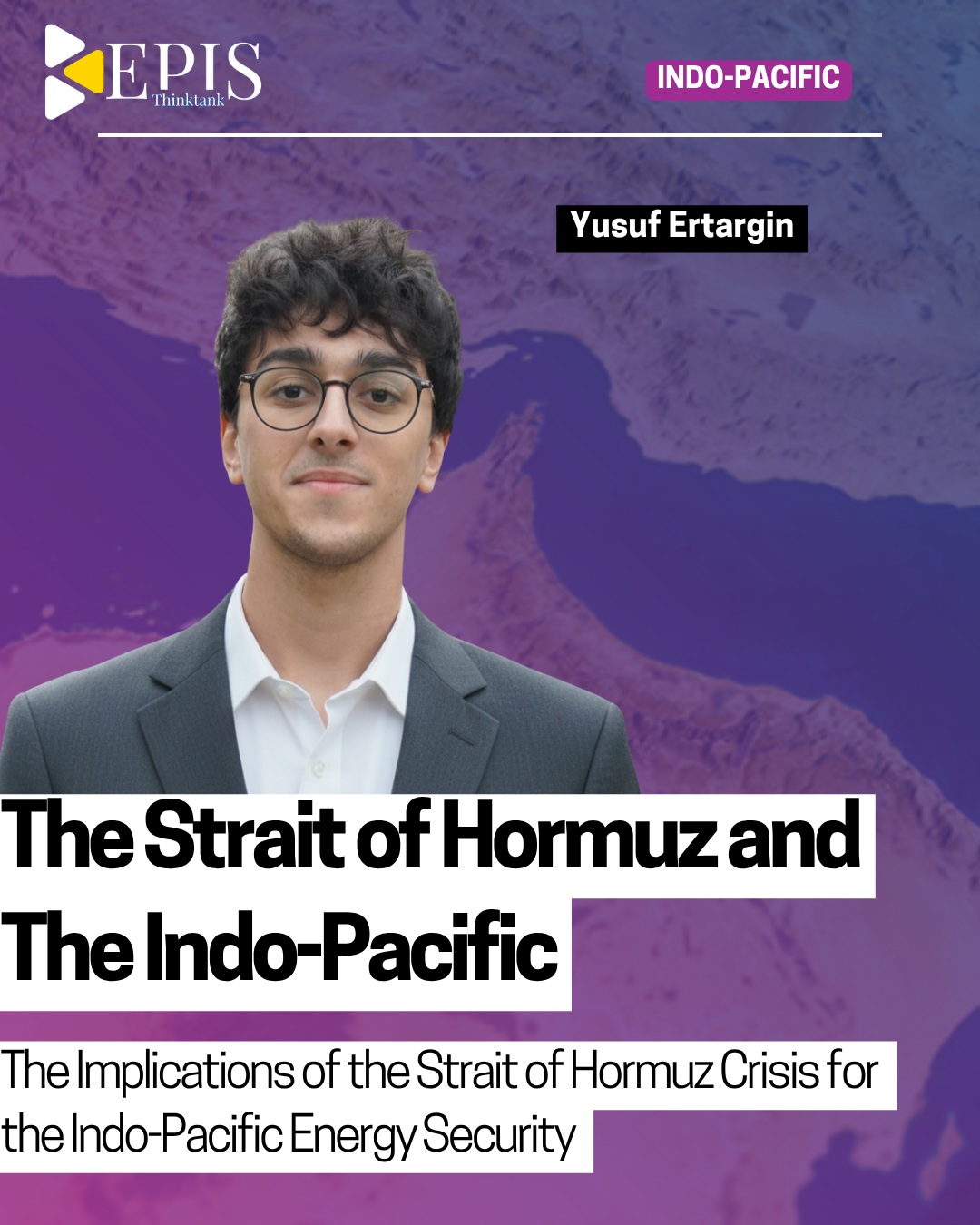
The US-Iran conflict that began on March 2, followed by the blockade of the Strait of Hormuz, affected the Indo-Pacific countries the most. As an important chokepoint through which more than 80% of crude oil and LNG passing through are bound for Asia, the Strait of Hormuz crisis affects every major Indo-Pacific country differently, requiring…
-
Strait of Hormuz
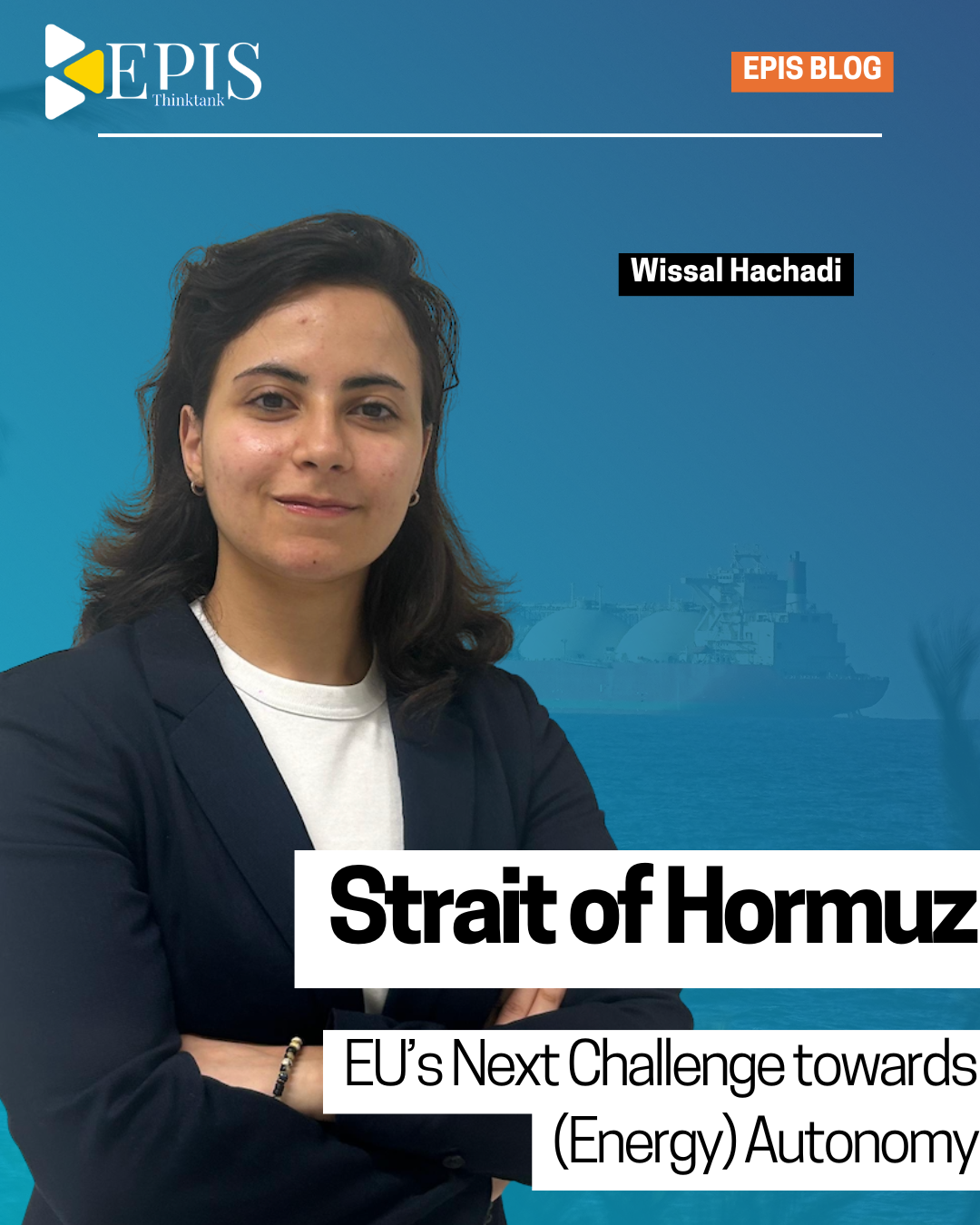
This essay aims to highlight the impact of the current blockade of the Strait of Hormuz on the EU, how it is managing, relatively, the crisis effectively, and what this entails for its strategic (energy) autonomy plans.