Category: International Relations & Diplomacy
-
Morocco’s Dual Strategy of Control
Main question: Why has Morocco experienced renewed youth-led protest (GENZ212) more than a decade after the Arab Spring, despite formal political reform and institutional stability? Argument: Morocco’s post-2011 stability is the result of a dual process of top-down reforms and repression Conclusion: The GENZ212 protests are not a new phen but the re-emergence of unresolved…
-
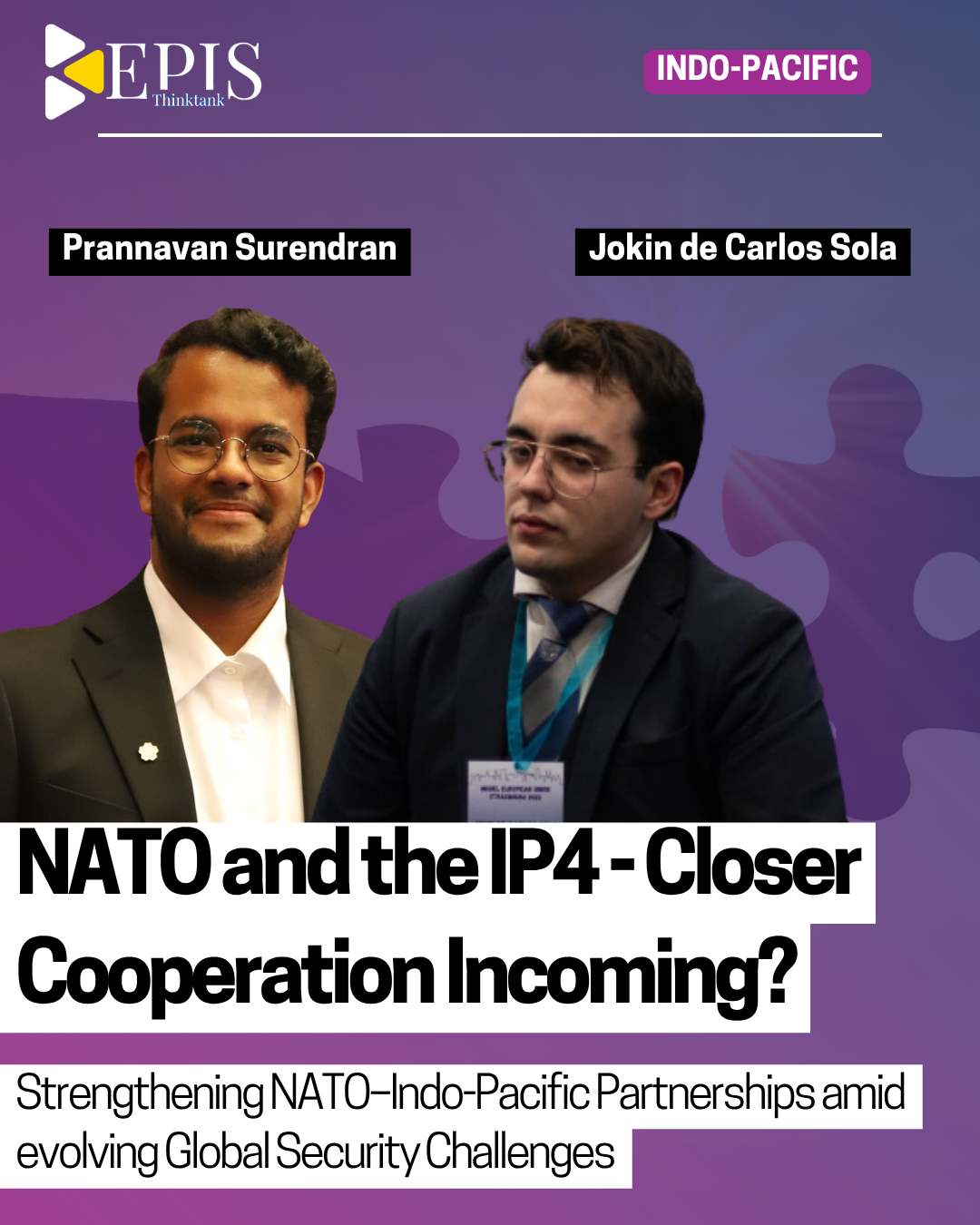
NATO and the IP4 – Closer Cooperation Incoming?
Main question: How and to what extent is cooperation between NATO and the Indo-Pacific Four evolving? Argument: Cooperation is deepening across political, military, and industrial domains, but remains selective and shaped by differing national priorities. Conclusion: NATO’s Indo-Pacific role is becoming a flexible, network-based partnership—expanding, yet strategically limited and non-alliance-based.
-
The Ineffective Diplomacy of the Middle East War
This article explores the failures of current diplomacy of the Middle East War, arguing that the opportunistic use of mediation rather than genuine peace negotiations complicate any progress towards de-escalation substantially. It examines a string of diplomatic failures and reasons behind them, covering Lebanon and the Strait of Hormuz, while examining the roles of actors.…
-
Surviving the Spring
Show moreShow lessMain question: How did Egypt’s regime survive the 2011 uprising and re-emerge stronger? Argument: It did so through “compound authoritarianism” — the interaction of institutional entrenchment (military control), economic co-optation (rentier dynamics), and calibrated repression. Conclusion: Regime durability stems from these mutually reinforcing mechanisms, creating a structurally resilient authoritarian system beyond individual leadership.
-
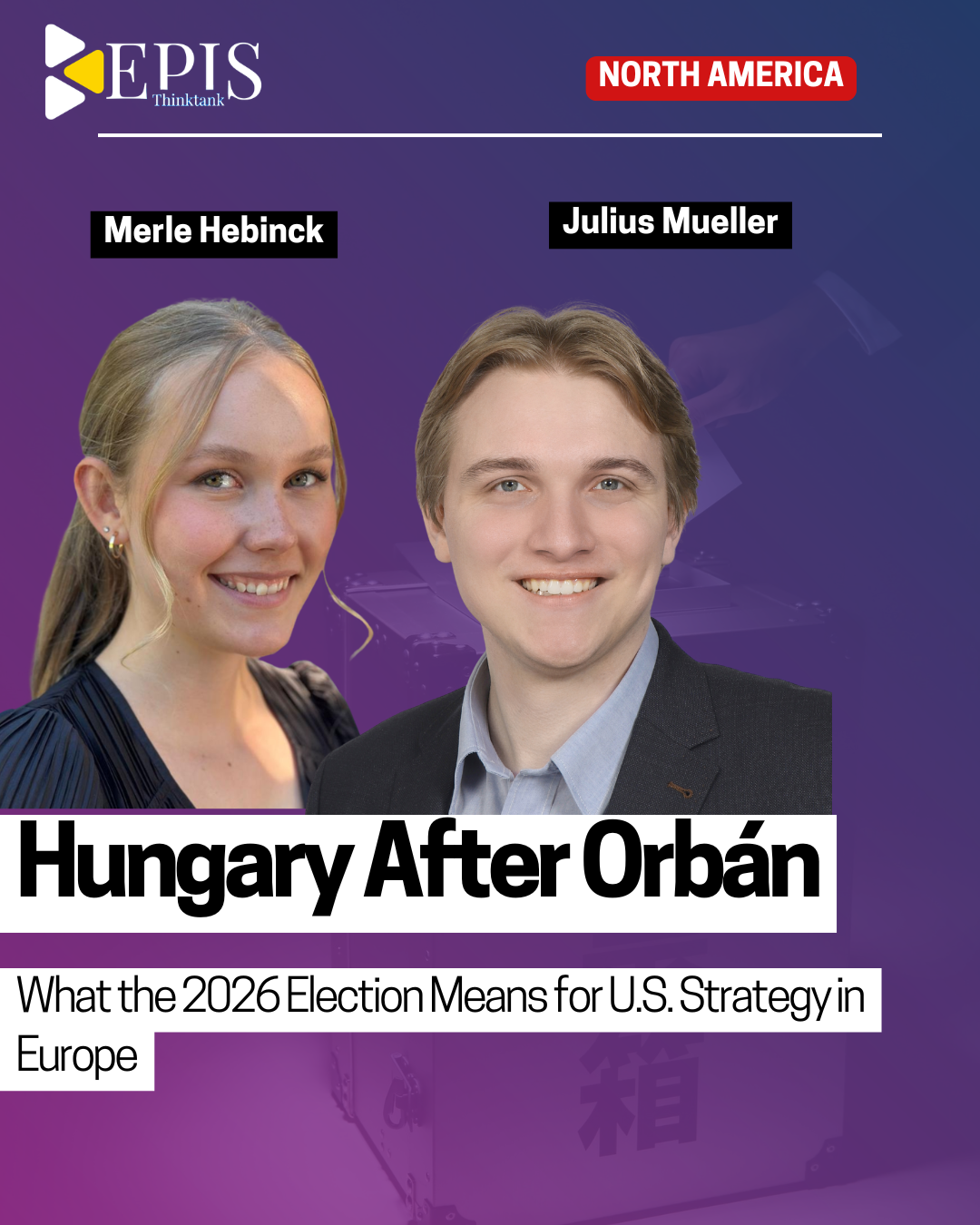
Hungary After Orbán
Did U.S. support influence Hungary’s 2026 election outcome? U.S. backing of Orbán added symbolic pressure and may have weakened his sovereignty narrative, but domestic factors (economic issues, corruption concerns, and voter fatigue) were decisive. Thus, the election reflects the limits of U.S. influence and shows a shift toward pragmatic, institution-based engagement over leader-focused alliances.
-

From Managed Permanence to Managed Mobility
Can circular migration provide a viable policy response to pressures for refugee return in Germany? Circular migration is presented as a mechanism to reconcile migration control, labour demand, and refugee protection, but for forced migrants it is structurally undermined by legal, economic, and political contradictions. Its capacity to deliver durable policy outcomes is therefore limited.
-

From Apollo to Artemis:
Q: Does the shift from the state-led Apollo program to the Artemis program represent a decline in U.S. state capacity or a strategic adaptation? A: While Apollo demonstrated state-led mobilization, Artemis exercises capacity through market-shaping, coordinating private innovation, and managing interdependencies. Conclusion: This shift reveals a reconfiguration of state capacity, proving that modern power is…
-
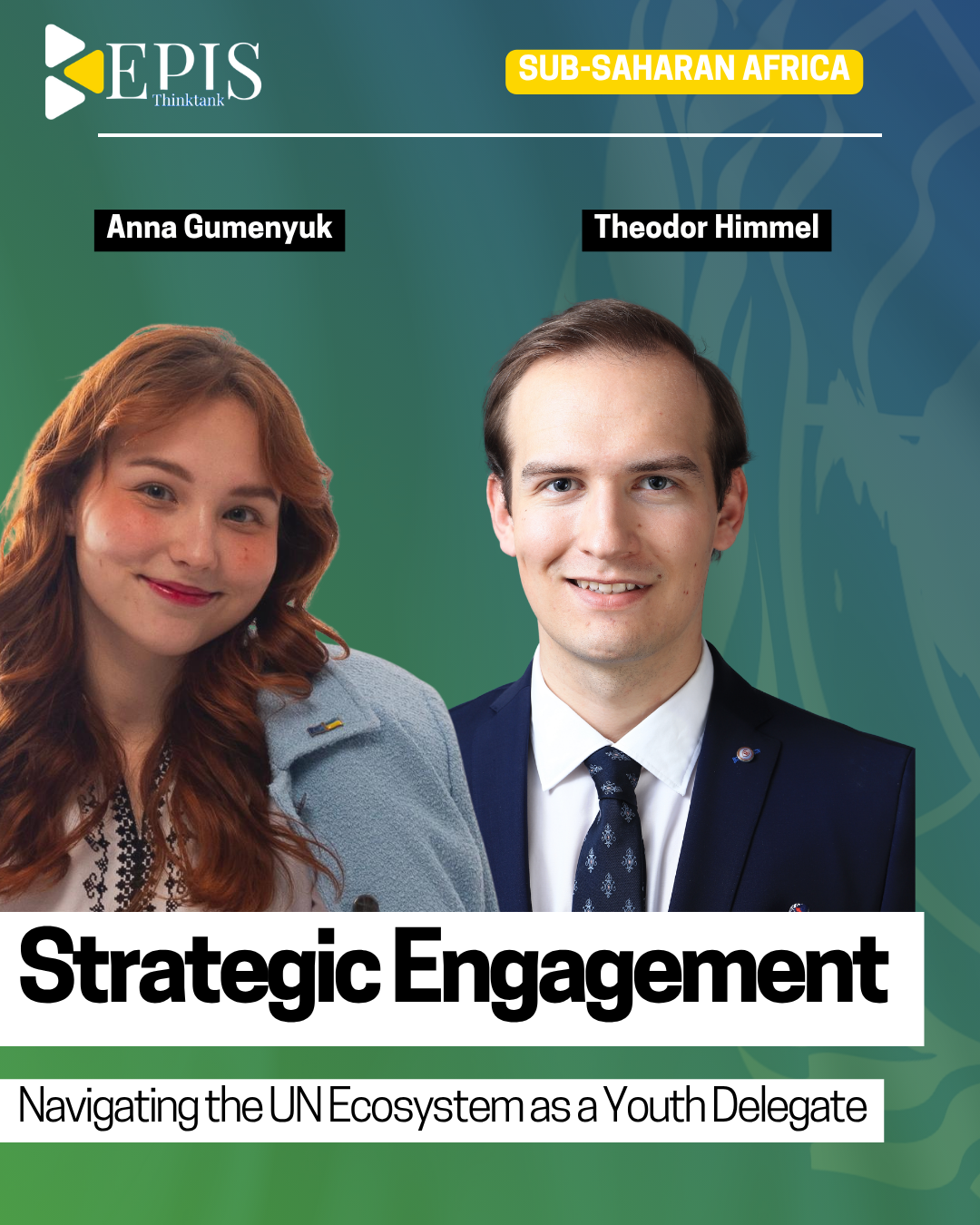
Strategic Engagement
Main Question: How can young professionals successfully enter and influence the highly competitive United Nations ecosystem? Argument: Entry requires a “Show Up” mindset that pairs professional-grade language skills with strategic branding, where personal experiences are packaged to fill specific policy gaps. Conclusion: Real influence is achieved not through seeking prestige, but by focusing on a…
-
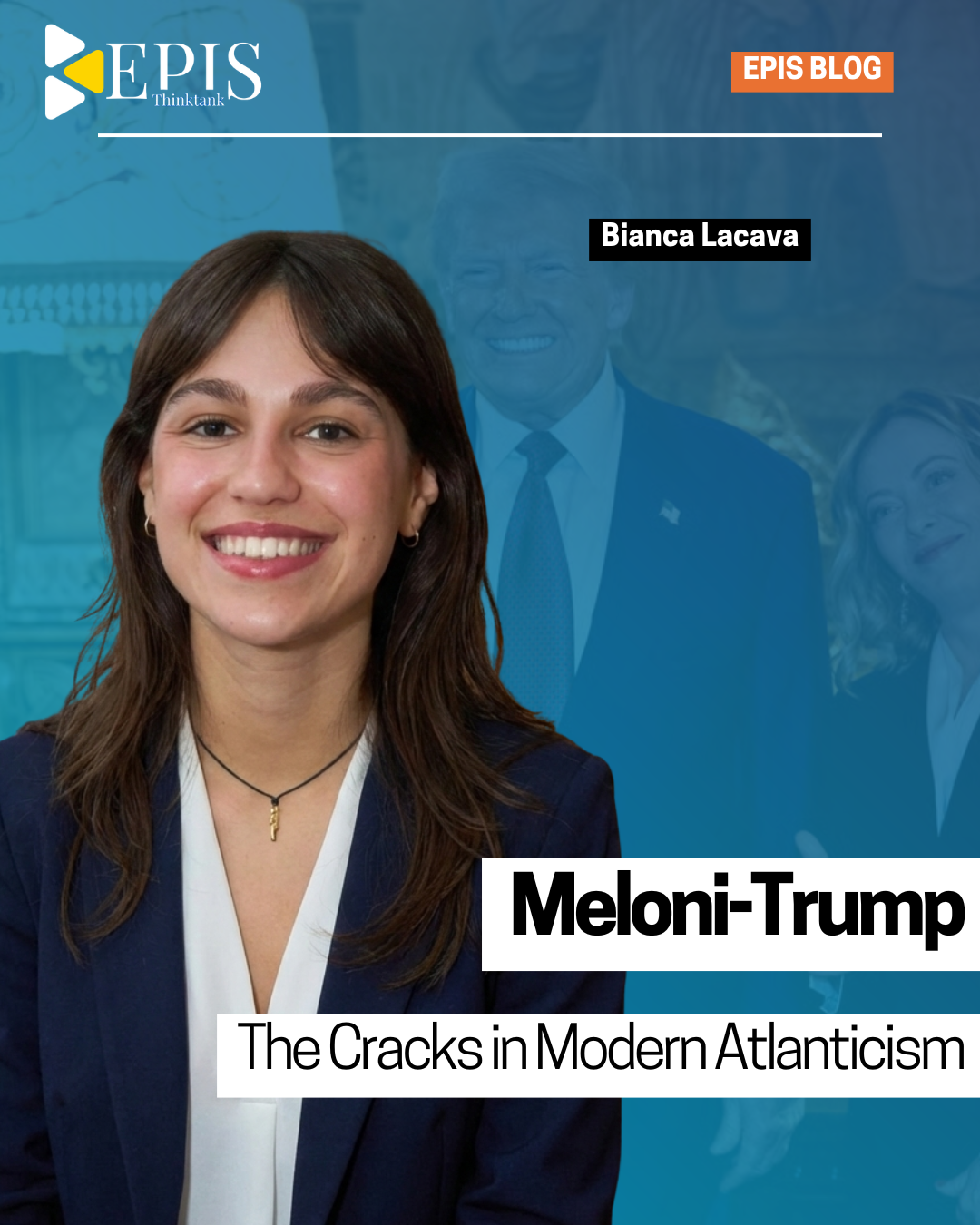
Meloni-Trump
Main question: What elements led to the breakdown of the Meloni-Trump partnership and what are the risks for Italy’s Atlanticist vision? Argument: The crisis stemmed from Italy denying the use of Sigonella airbase for Iranian operations and Trump’s harsh attacks on Pope Leo XIV, which Meloni declared unacceptable Conclusion: Geopolitical reality and core cultural values…
-
European Economic Sanctions against Russia
In the world of international diplomacy, sanctions have emerged as the weapon of choice for nations seeking to punish, pressure, or paralyze their adversaries. This article briefly summarizes the ethical background of economic sanctions, viewed as a punitive tool of statecraft. Building on insights from the field of applied ethics, it explores the moral and…