Category: International Relations & Diplomacy
-

Rise of the Rest
Amid geopolitical uncertainty, this article explores how Ireland can leverage its strong relationship with the US to promote democratic values internationally. It argues that small states are not passive actors but influential partners capable of shaping global affairs through strategic diplomacy.
-

The Global Disorder Cycle
This article asks whether history follows recurring cycles of recession and expansion or unfolds by chance. It argues that downturns reflect a persistent cyclical pattern rather than isolated events, concluding that while these cycles evolve, their underlying logic remains constant.
-
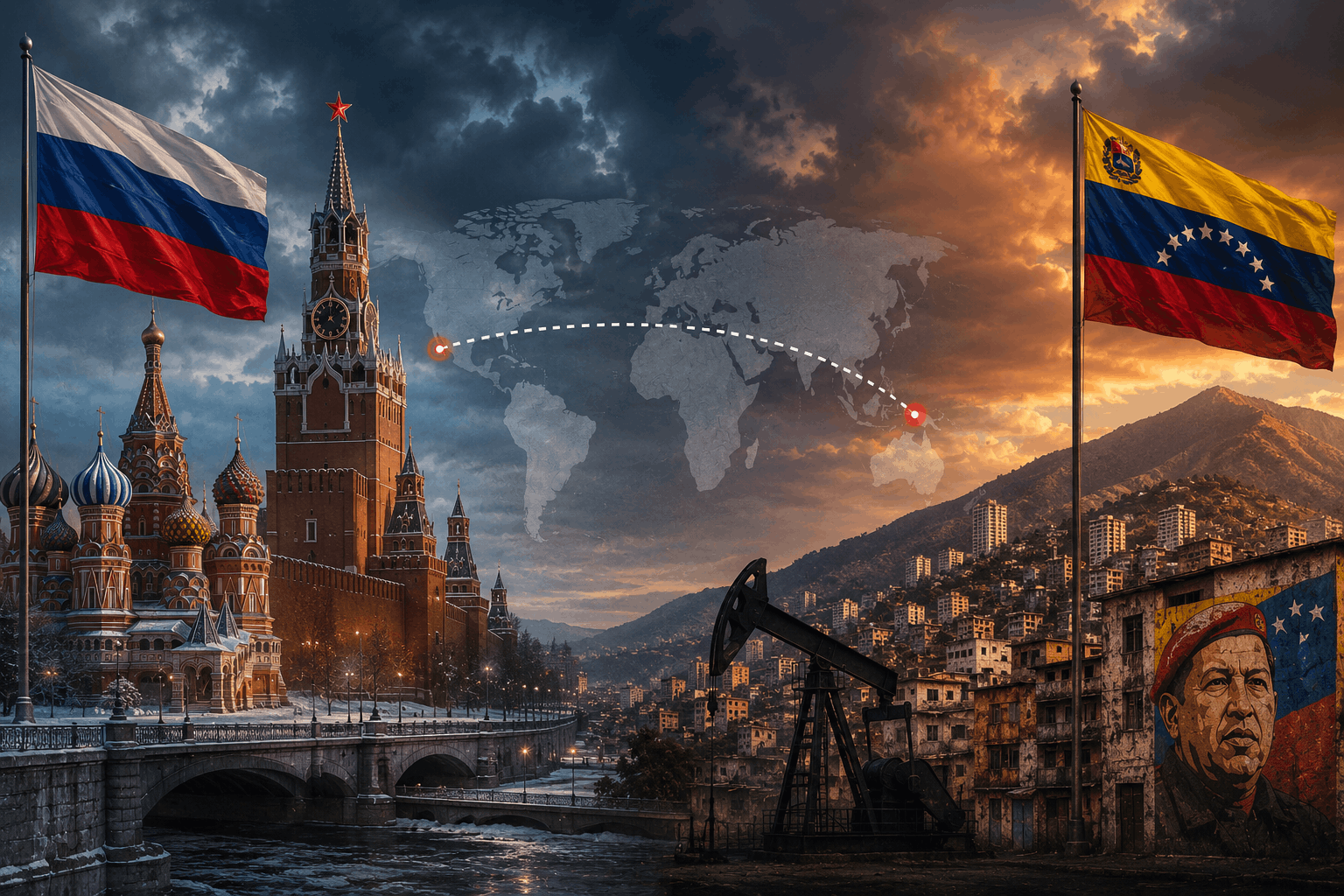
From Moscow to Caracas
In an era of rapidly developing social media, cyber threats such as manipulation, fake news, and disinformation are also expanding as elements of planned psychological and information campaigns—tools of hybrid warfare used to build influence and sustain autocratic power. The article describes cooperation in this area between a “teacher” and a “student”: namely, Russia, which…
-
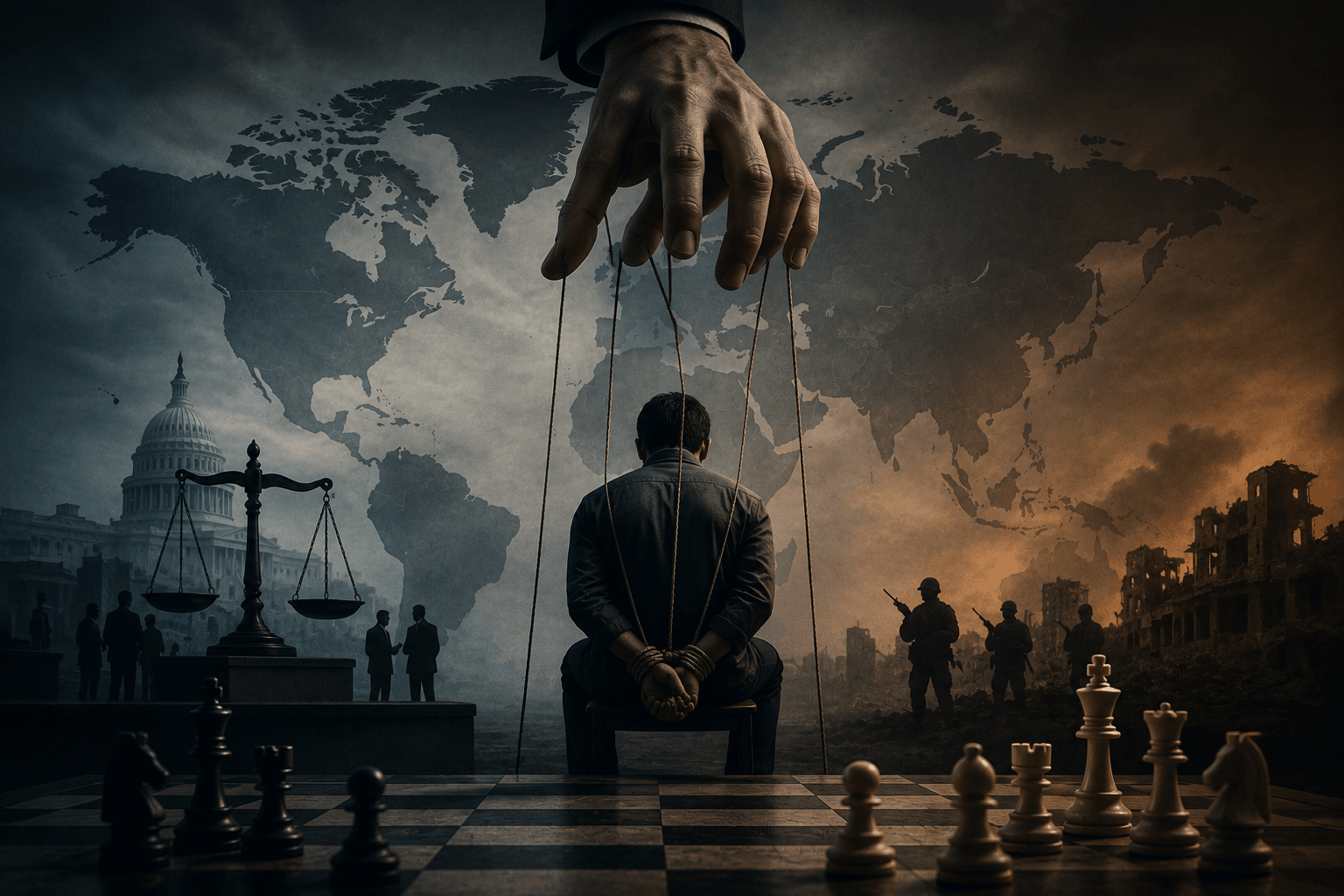
Hostage Diplomacy
Why are foreign nationals increasingly used as leverage rather than prosecuted? This article argues that hostage diplomacy persists because it yields strategic gains, making human vulnerability a recurring tool of negotiation in an increasingly fragmented international system.
-

Allies in Uncertain Times
How did the EU respond to Trump-era uncertainty in U.S. foreign policy? Rather than abandoning the transatlantic alliance, it diversified its partnerships and pursued limited strategic autonomy while maintaining close cooperation with the United States.
-
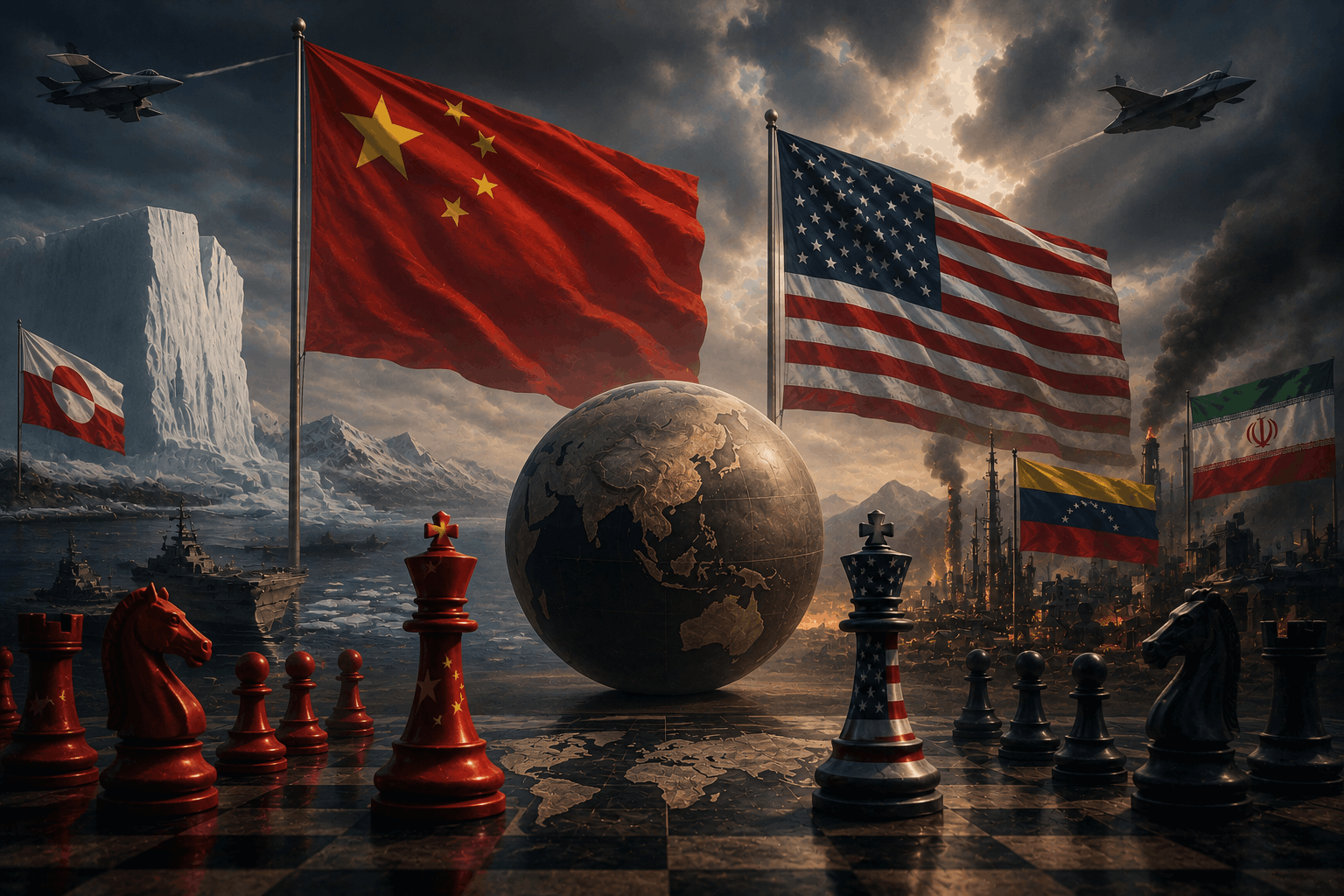
China’s Reactions to US Belligerence under Trump
How has China responded to recent U.S. actions in Greenland, Venezuela, and Iran? This article argues that rather than expanding through coercion, China has sought to project itself as a defender of diplomacy and peace, despite the opportunities created by global instability.
-

Making Greenland and Venezuela Great Again
Does Trump’s approach to Venezuela and Greenland reflect modern imperialism? This article argues that his policies display elements of economic and strategic imperialism, but concludes that differing definitions and competing factors make a definitive judgment difficult.
-
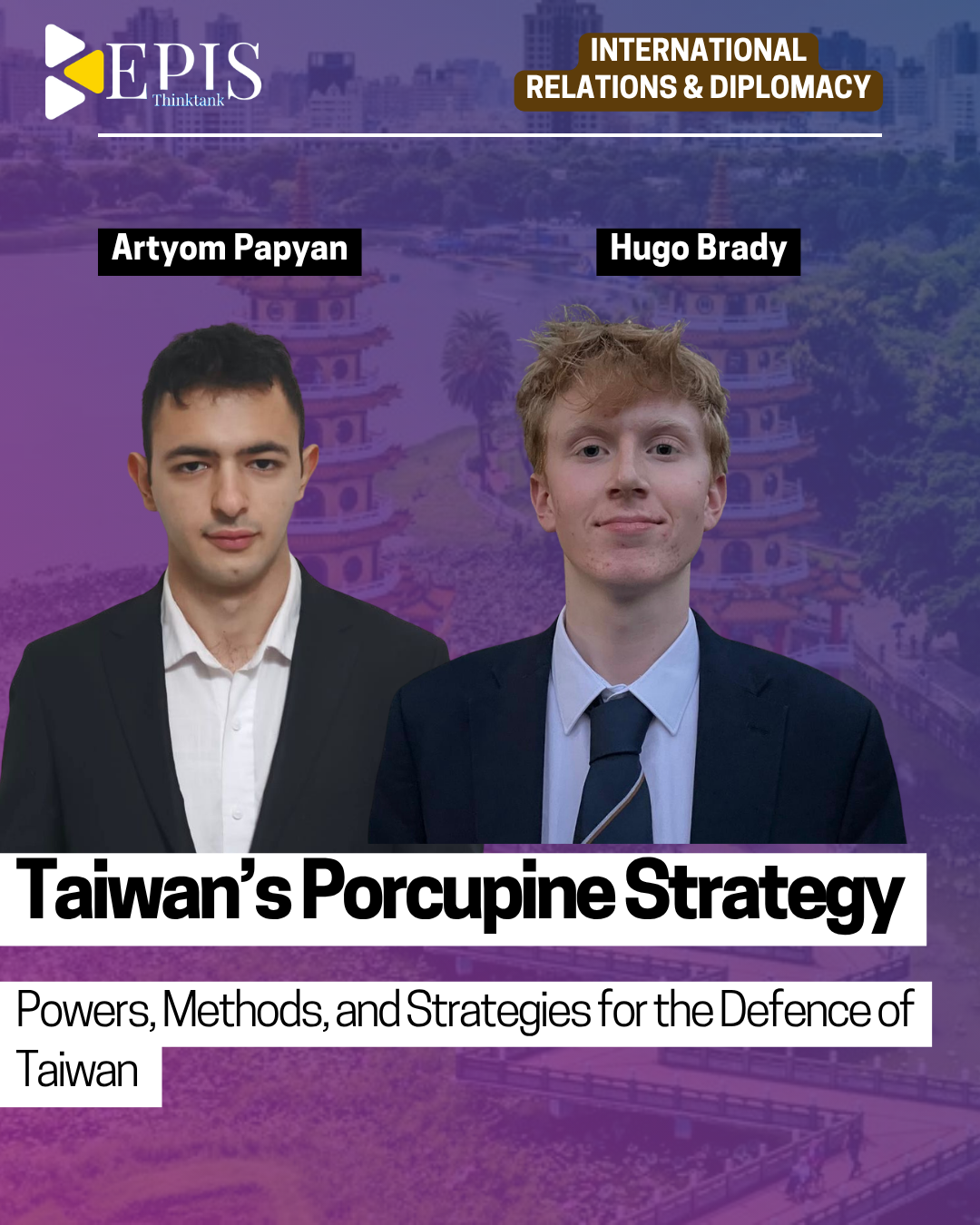
Taiwan’s Porcupine Strategy
To what extent does Taiwan’s defence production and external security cooperation enhance the effectiveness of its porcupine strategy in response to escalating Chinese PLA pressure? Both are mutually reinforcing and have produced success, implementation issues mean that the strategy remains a work in progress. Whether Taiwan will be able to effectively respond will depend on…
-
Bahrain after the Arab Spring
This article asks why Bahrain’s Arab Spring uprising failed to produce democratic change. It argues that the monarchy survived through repression, opposition exclusion, sectarian framing, and regional Gulf backing. The conclusion is that Bahrain illustrates authoritarian reconsolidation: formal institutions remained, but political space became more closed.
-
The continued fight for democracy
the reoprt follows how different countries in the MENA region have been shaped by the arab spring, focussing on its effects on 1. the legal political systems 2. the socio-political impact 3. the role of regional/domestic and international human rights organisations – providing a comparative overview of the differences and similiarities shaping MENA