Tag: Trade Policy
-

It’s a (Wo)Men’s World
Gender equality requires more than formal rights. The article argues that workplace culture, leadership norms, and hidden barriers must be actively challenged to achieve lasting progress.
-

India Between Two Tables
India uses multi-alignment diplomacy to strengthen strategic autonomy, balancing partnerships such as BRICS and the Quad while maintaining foreign policy flexibility.
-

Recovery Under Fire
The Black Sea Security Forum highlighted that Ukraine’s survival, Black Sea security, and Europe’s future defense are closely linked through sustained political, economic, and military support.
-
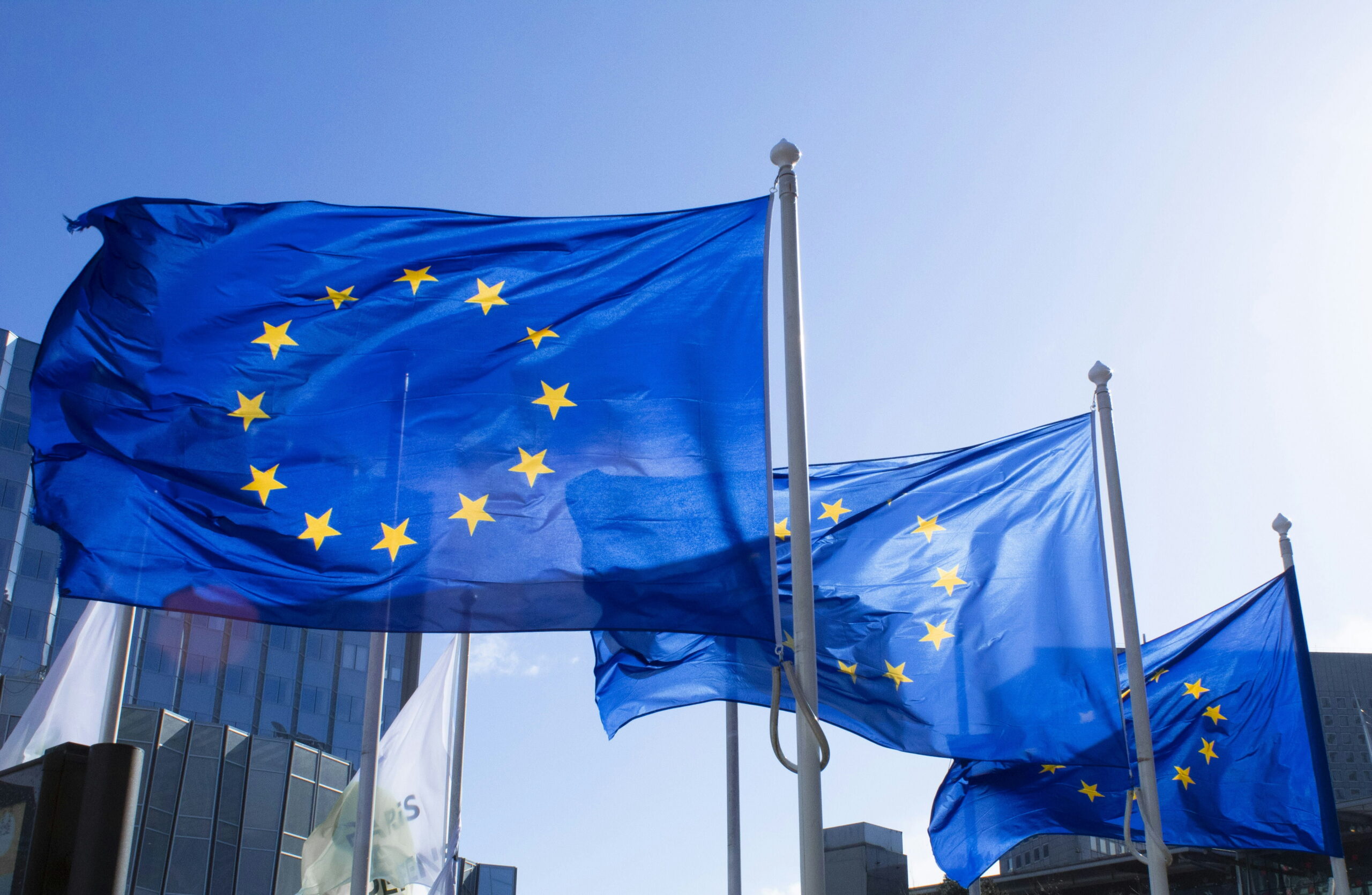
Sky is the Limit? FCAS Stress-Tests EU Defence
The FCAS collapse highlights how leadership disputes, export rules, intellectual property, and differing national priorities can undermine European defense cooperation.
-

The United States-Mexico-Canada Agreement (USMCA)
The USMCA strengthens trade by protecting businesses, innovators, and workers while promoting economic growth and closer cooperation among its member countries.
-

The ‘Emergency Government’: Kast’s First 100 Days
Kast has advanced his agenda rapidly, but early setbacks and cabinet reshuffles suggest that governing through a constant sense of emergency may be difficult to sustain.
-

The Vienna Convention on the Law of Treaties
The Vienna Convention on the Law of Treaties provides the legal framework for creating, interpreting, amending, and ending treaties, forming the foundation of modern treaty law.
-

Plaid Cymru, SNP, and the Cracking Union
The UK elections renewed debate over independence as Plaid Cymru advanced in Wales and the SNP strengthened its position in Scotland, keeping constitutional questions in focus.
-

Hybrid Security Regimes in Practice
Hybrid security regimes are deliberate political strategies that expand state influence through flexible, state-aligned networks rather than relying solely on formal institutions.
-

The Paradox of Tunisia’s Arab Spring
The Jasmine Revolution showed that lasting democracy depends not only on constitutional reform but also on strong institutions, accountability, and socioeconomic progress.