Tag: International Cooperation
-

Canada and the EU After the EPC Summit
How does Canada’s participation in the 2026 EPC summit reflect the evolving Canada-EU relationship? Driven by U.S. unpredictability under Trump, Canada is strategically pivoting toward the EU through deepening political, economic, energy, and security partnerships. This realignment benefits both sides: offering Canada market access and stability, and giving the EU a reliable partner for critical…
-

Bridging the Gap
1. The interview explores why transatlantic security often overlooks local and state leaders. 2. Joshua Burgin argues that strong personal networks between local leaders are essential for effective security cooperation. 3. The article concludes that stronger local-level transatlantic ties improve democratic resilience and future cooperation.
-
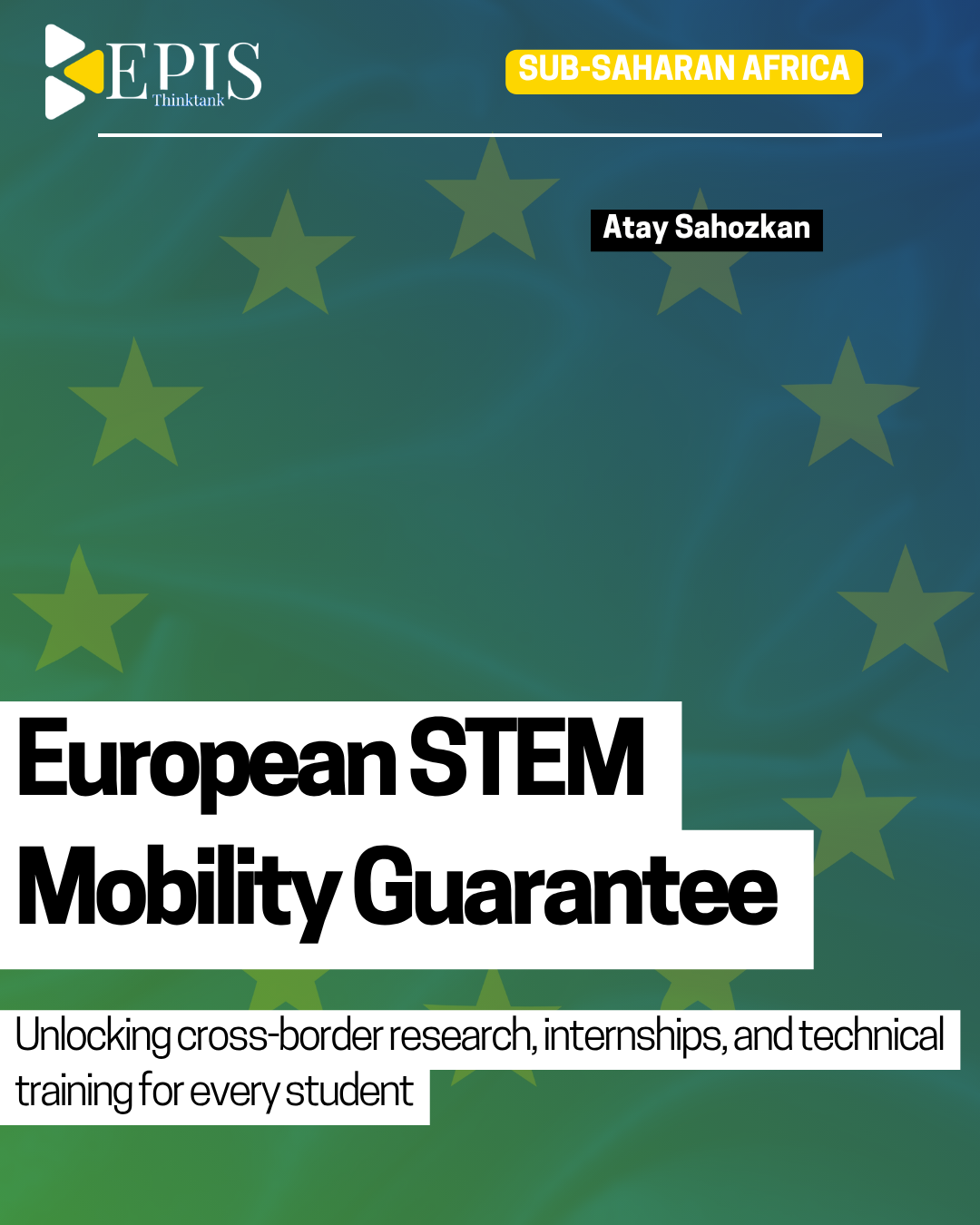
European STEM Mobility Guarantee
Main question: How can Europe eliminate financial and administrative barriers to provide equal access to cross-border STEM experiences for all students? Argument: The EU must establish a STEM Mobility Guarantee using funded grants, a centralized digital portal, and standardized micro-credentials. Conclusion: This framework builds real technical capability, boosts economic competitiveness, and strengthens civic cohesion across…
-
Progressive EU Accession Path for Ukraine
Main question: How can the EU offer Ukraine meaningful integration benefits during a long pre-accession period without resorting to a politically accelerated membership that compromises standards? Argument: The EU should establish a “Progressive Accession” status, providing graduated Single Market access, institutional observer presence, and defense partnerships tied to verified reforms. Conclusion: This mechanism demonstrates geopolitical…
-

Rethinking Enlargement for a New Age of the EU
The article argues that the EU should adopt a dual-track enlargement model, enabling candidate states to join sector-specific policies before full membership while preserving constitutional safeguards.
-

What is Anarchy and can we overcome it?
[EPIS Basic Contribution]
-
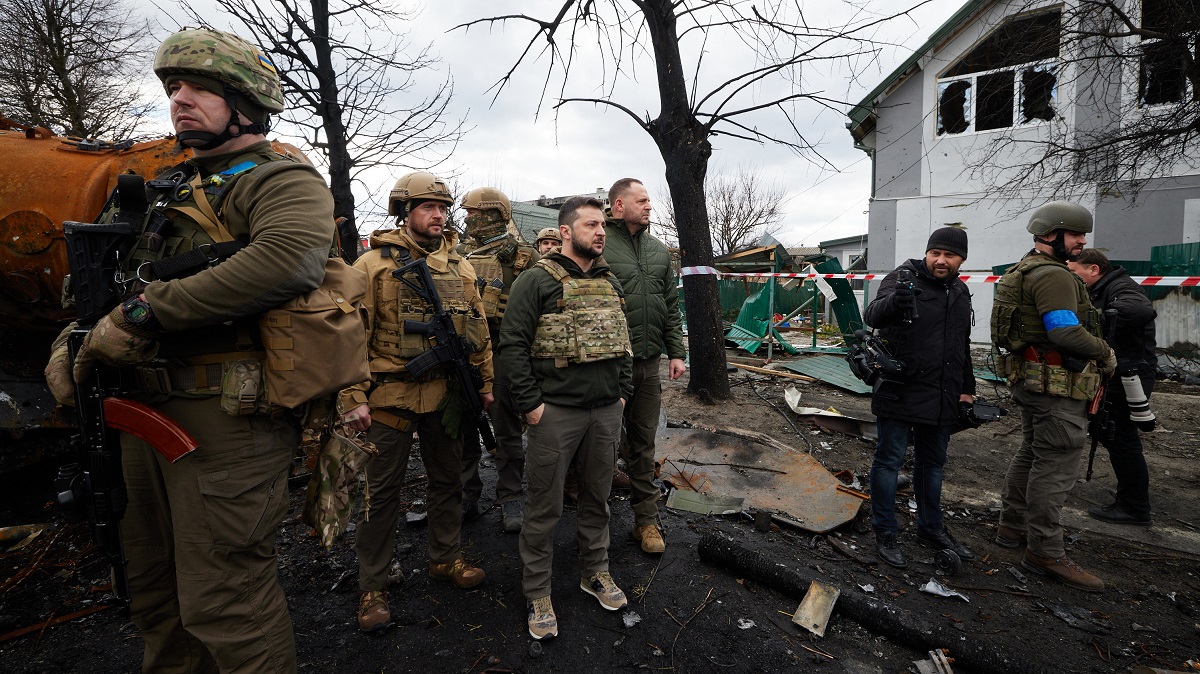
Policy Paper: The Cost of Unpredictability
Main question: how can policymakers address and navigate current geopolitical situation? Argument: Due to the absence of a central authority in the international system, states must rely on self-help. Conclusion: Policymakers should therefore adopt a hedging strategy by diversifying sector-specific partnerships in critical domains such as energy security, supply chains, and digital infrastructure, as heavy…
-

Making Greenland and Venezuela Great Again
Does Trump’s approach to Venezuela and Greenland reflect modern imperialism? This article argues that his policies display elements of economic and strategic imperialism, but concludes that differing definitions and competing factors make a definitive judgment difficult.
-
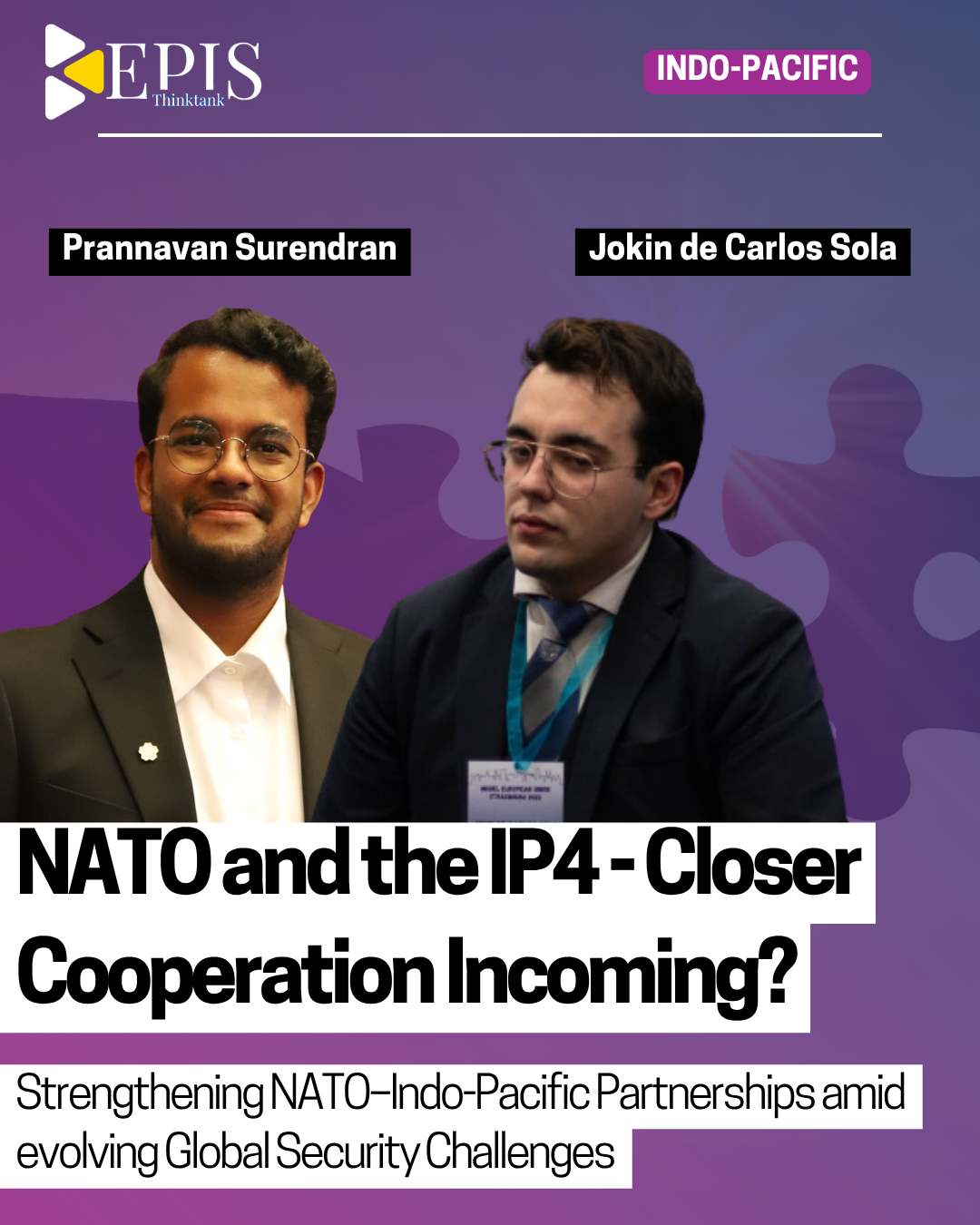
NATO and the IP4 – Closer Cooperation Incoming?
Main question: How and to what extent is cooperation between NATO and the Indo-Pacific Four evolving? Argument: Cooperation is deepening across political, military, and industrial domains, but remains selective and shaped by differing national priorities. Conclusion: NATO’s Indo-Pacific role is becoming a flexible, network-based partnership—expanding, yet strategically limited and non-alliance-based.
-

Jihadist expansion across borderlands in the Sahel
JNIM and ISSP are expanding into coastal West Africa to control illicit trade. Regional stability now depends on the new AES Unified Force’s ability to integrate operations with local security and overcome tensions to coordinate regionally.