Tag: Human Rights Promotion
-
Indigenous Rights at COP30 in Brazil
To what extent does COP30 take into account the rights and participation of Indigenous people affected by climate change in Brazil? Whilst COP30 improved Indigenous participation and brought some positive actions, it failed to establish significant protections for Indigenous rights. More must be done to safeguard Indigenous rights amidst the climate change crisis.
-
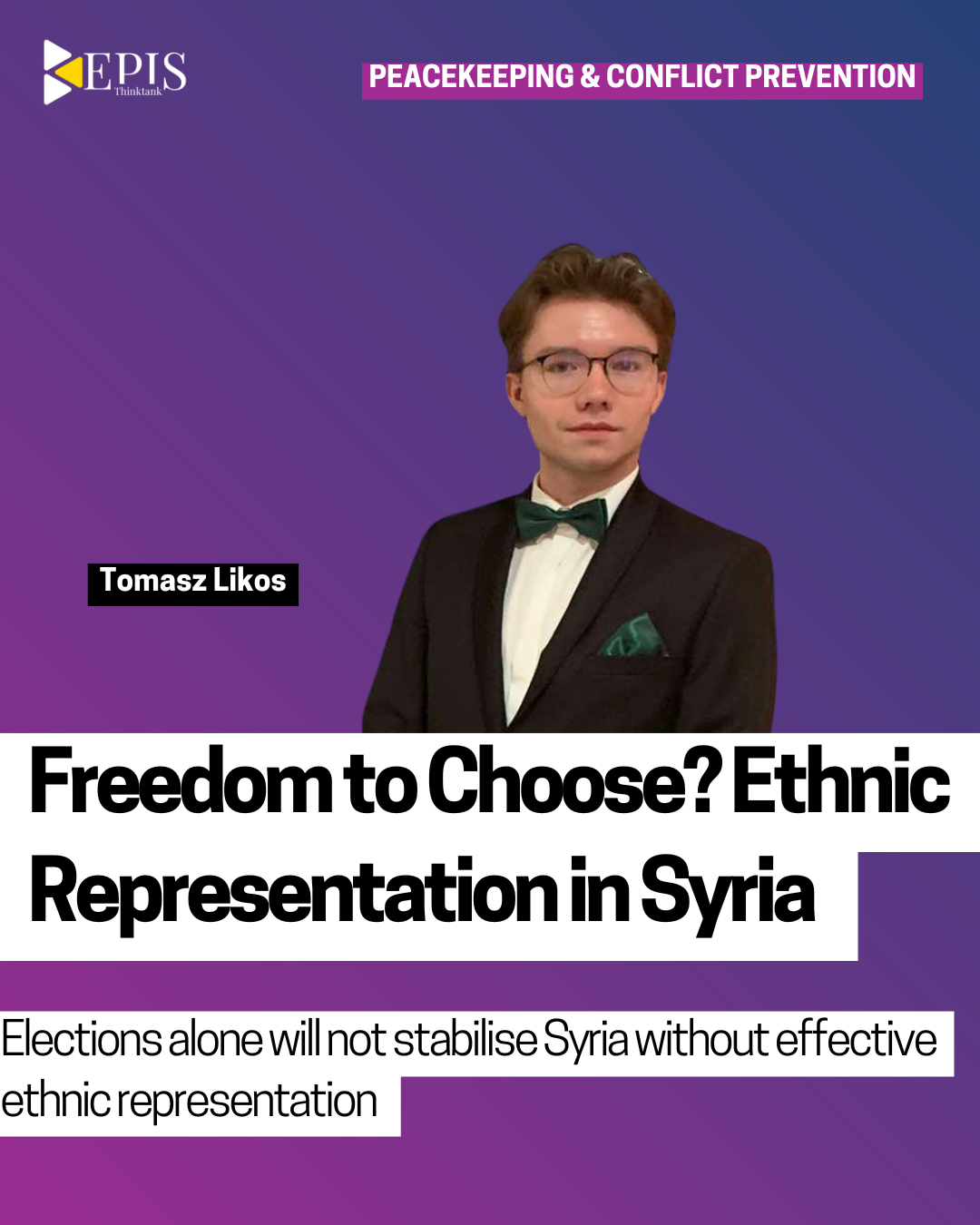
Freedom to choose in Syria
The parliamentary elections in Syria may seem a step toward stability, giving the government legitimacy and a claim to international recognition. However, the way the vote was conducted, limited minority inclusion, and presidential control of one-third of seats raise doubts about genuine democratisation. Results are unrepresentative and could fuel tensions, making the elections more a…
-
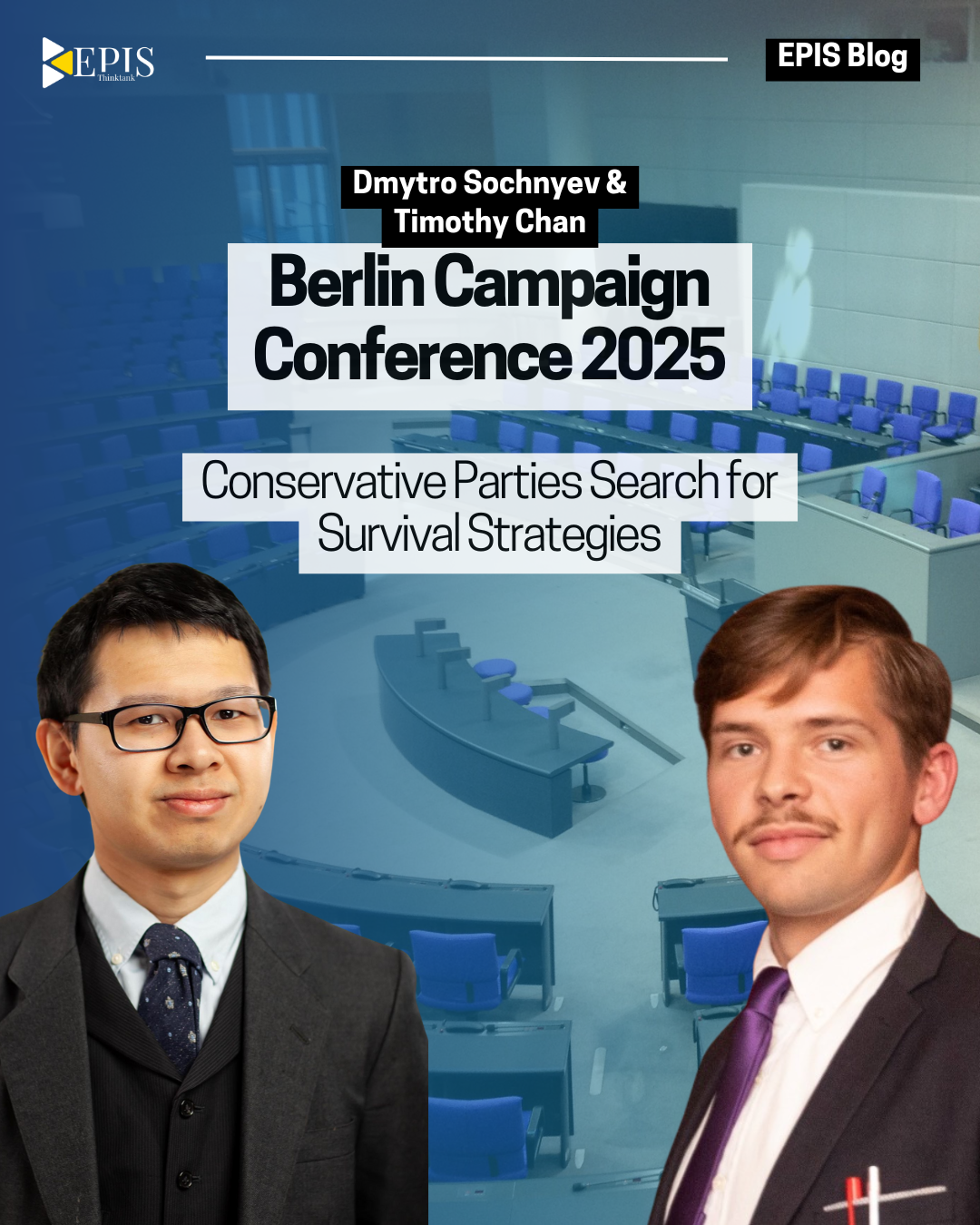
Berlin Campaign Conference 2025
How can traditional conservative parties survive amid declining voter bases, rising populism, and rapid digital change? Their threatened success depends on reframing political narratives, mastering new media tools, and adapting to shifting demographics with more emotionally resonant messaging.
-
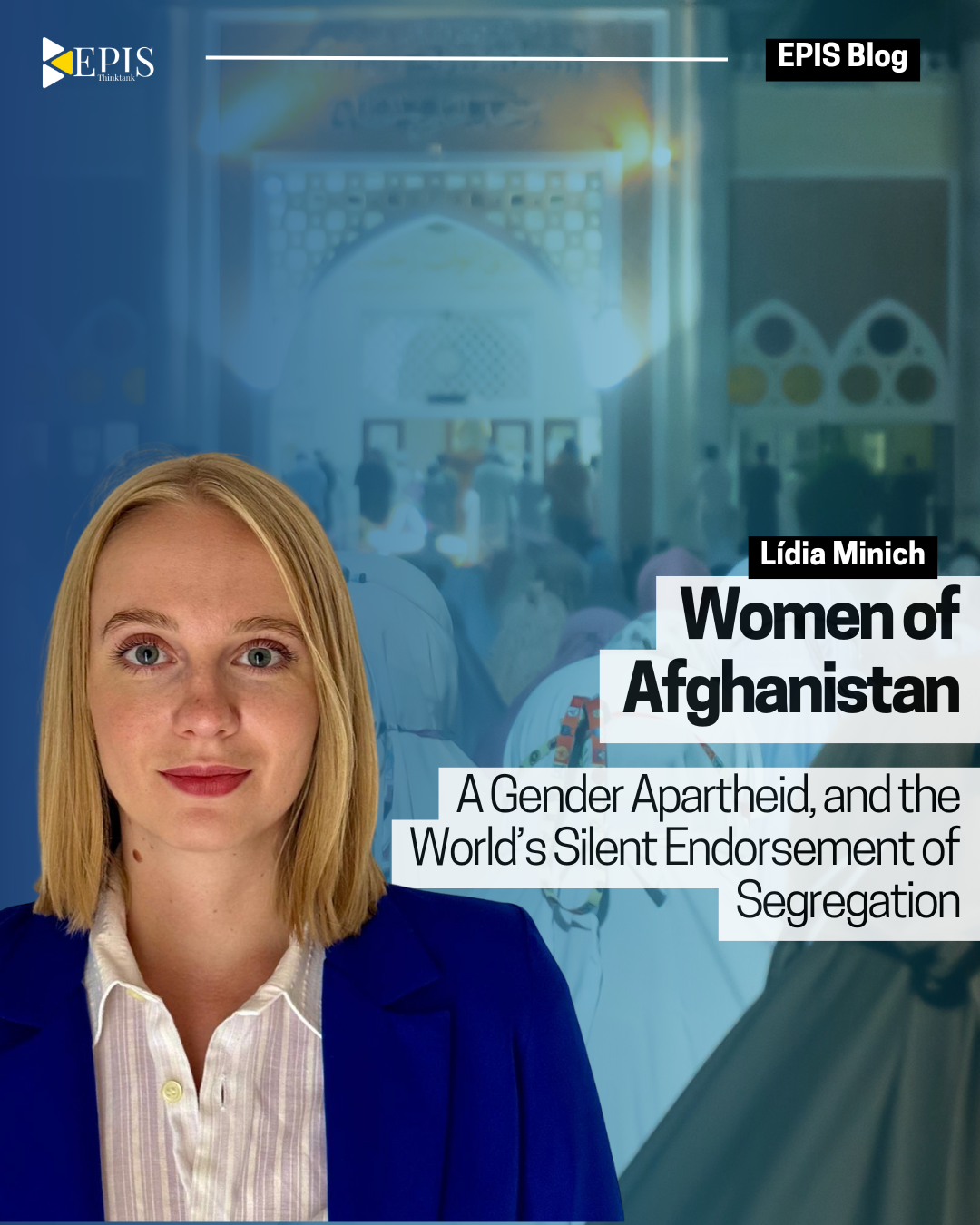
Women of Afghanistan
Question: Why won’t the international community call the Taliban’s systematic oppression of women gender apartheid? Argument: The Taliban’s regime meets every condition of apartheid (systematic oppression, intent to dominate, state-enforced coercion) except it targets gender. This legal gap has become an alibi for global inaction. Conclusion: If Afghanistan’s erasure of women from public life isn’t…
-
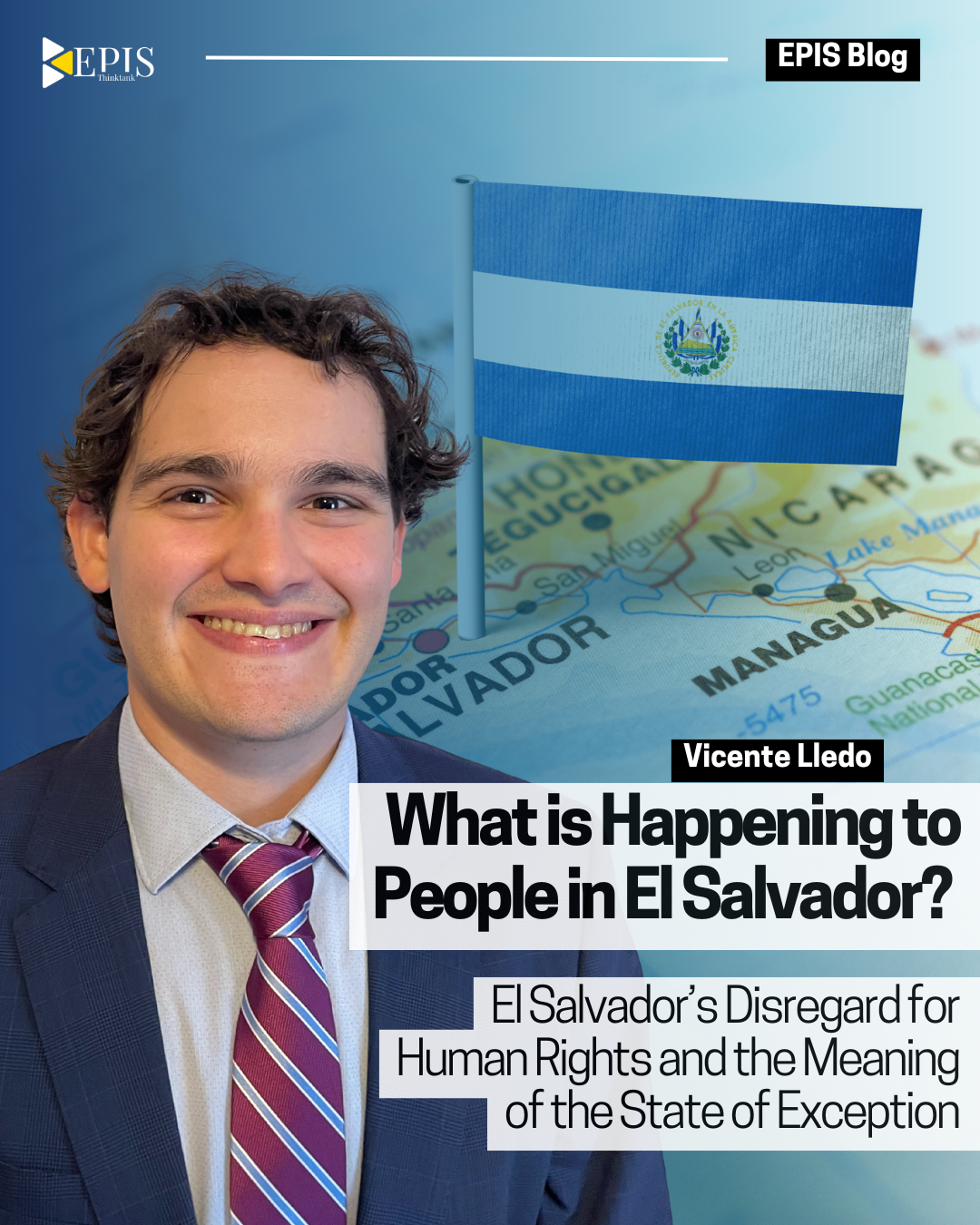
What is Happening to People in El Salvador?
Can El Salvador’s state of exception, declared to combat gang violence, justify suspending constitutional rights and widespread human rights abuses? While the government claims improved security, the emergency has led to arbitrary detentions, disappearances, torture, and overcrowded prisons under conditions resembling authoritarian regimes. The pursuit of security through repression undermines democracy, leaving El Salvador trapped…
-
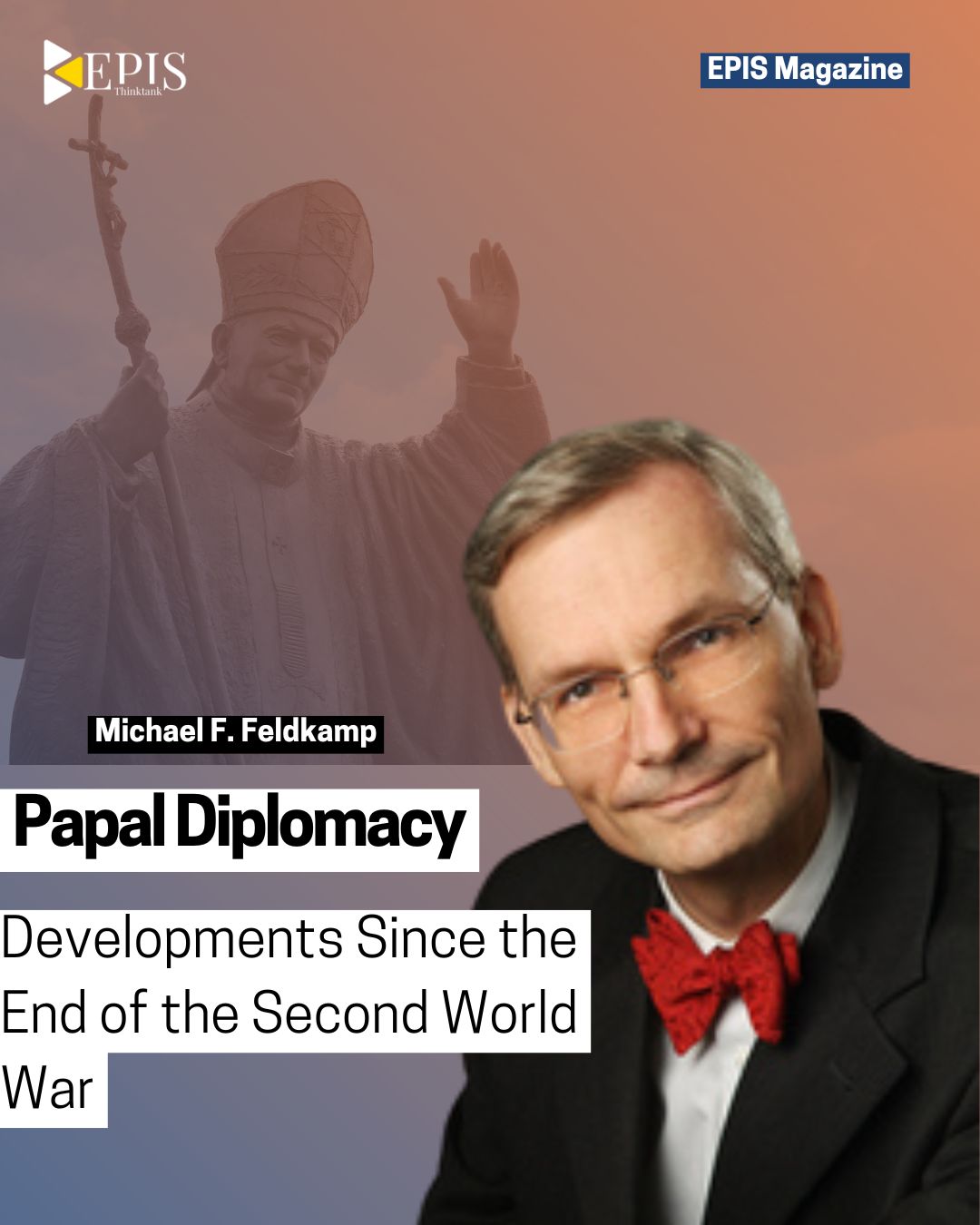
Papal Diplomacy
Since World War II, the Holy See has used its moral authority to engage actively in reconstruction, diplomacy, and the promotion of human rights. Pope Pius XII expanded international relations, especially with newly independent states. Vatican Ostpolitik gained momentum from the 1970s, particularly under John Paul II. Papal diplomacy does not pursue power interests but…
-
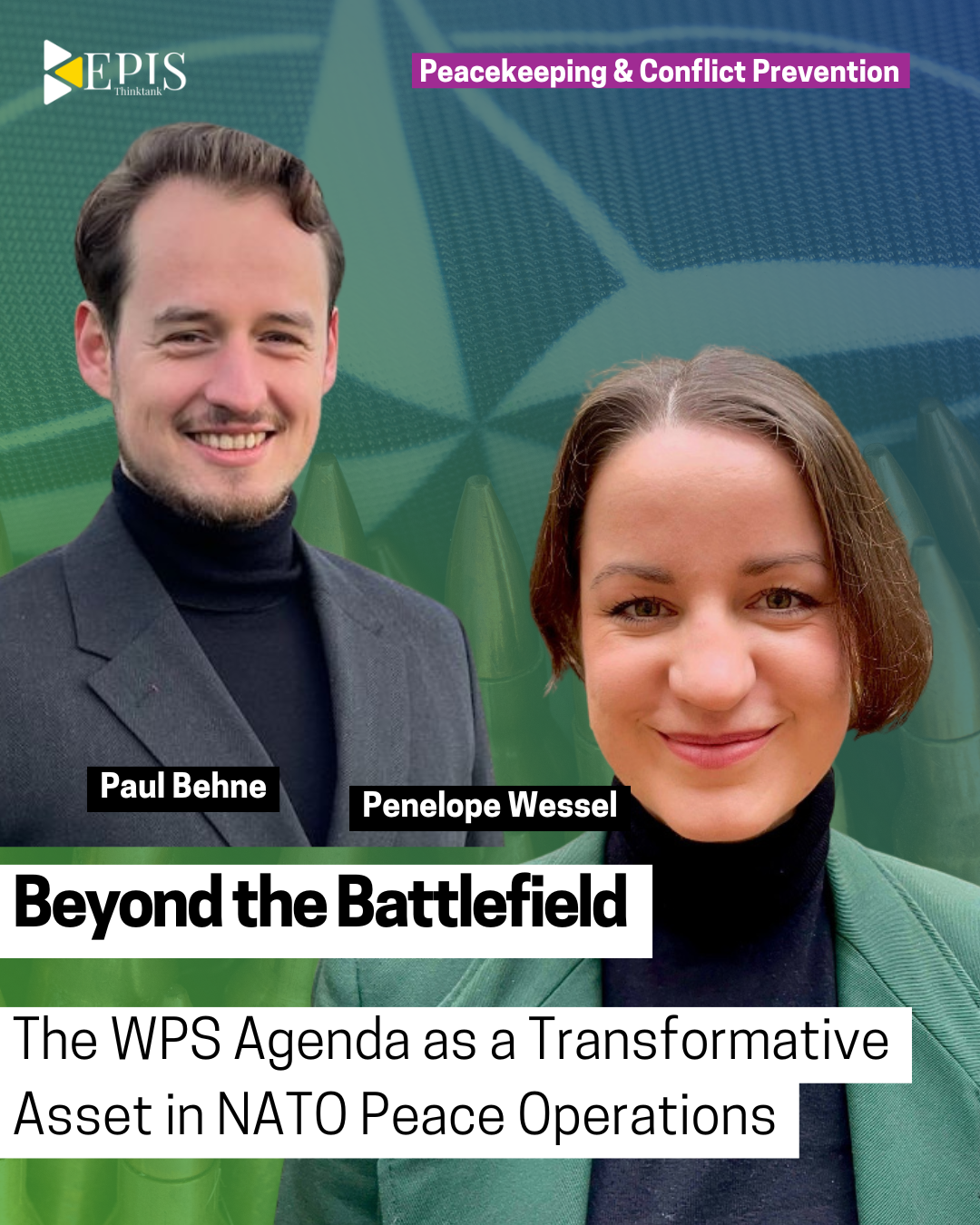
Beyond the Battlefield
What impact does the WPS Agenda have on NATO’s Peace Operations and strategies? The enhanced operational effectiveness through the integration of the WPS agenda helps strengthening gender-transformative processes at NATO. Openness to restructuring and improvement is beneficial for everyone and thus contributes to NATO’s overall goal: security for all.
-

Conflict-Related Sexual Violence
What are current discourses about conflict-related sexual violence? The world is currently experiencing the highest number of conflicts since the Second World War, exposing civilians to increased levels of conflict-related sexual violence (CRSV), exacerbated by arms proliferation, disregard for international law and increasing militarisation. CRSV is complex and multifaceted in nature, shaped by intersecting dynamics…
-

Bukele’s El Salvador
How has President Bukele’s approach to violent crime affected regional crime (and his popularity)? Despite criticism from human rights groups, homicide continue dropping, and Bukele’s popularity is soaring. Bukele’s “mano dura” approach to violent crime, immigration, and democracy are an inspiration to conservatives across the Americas.
-
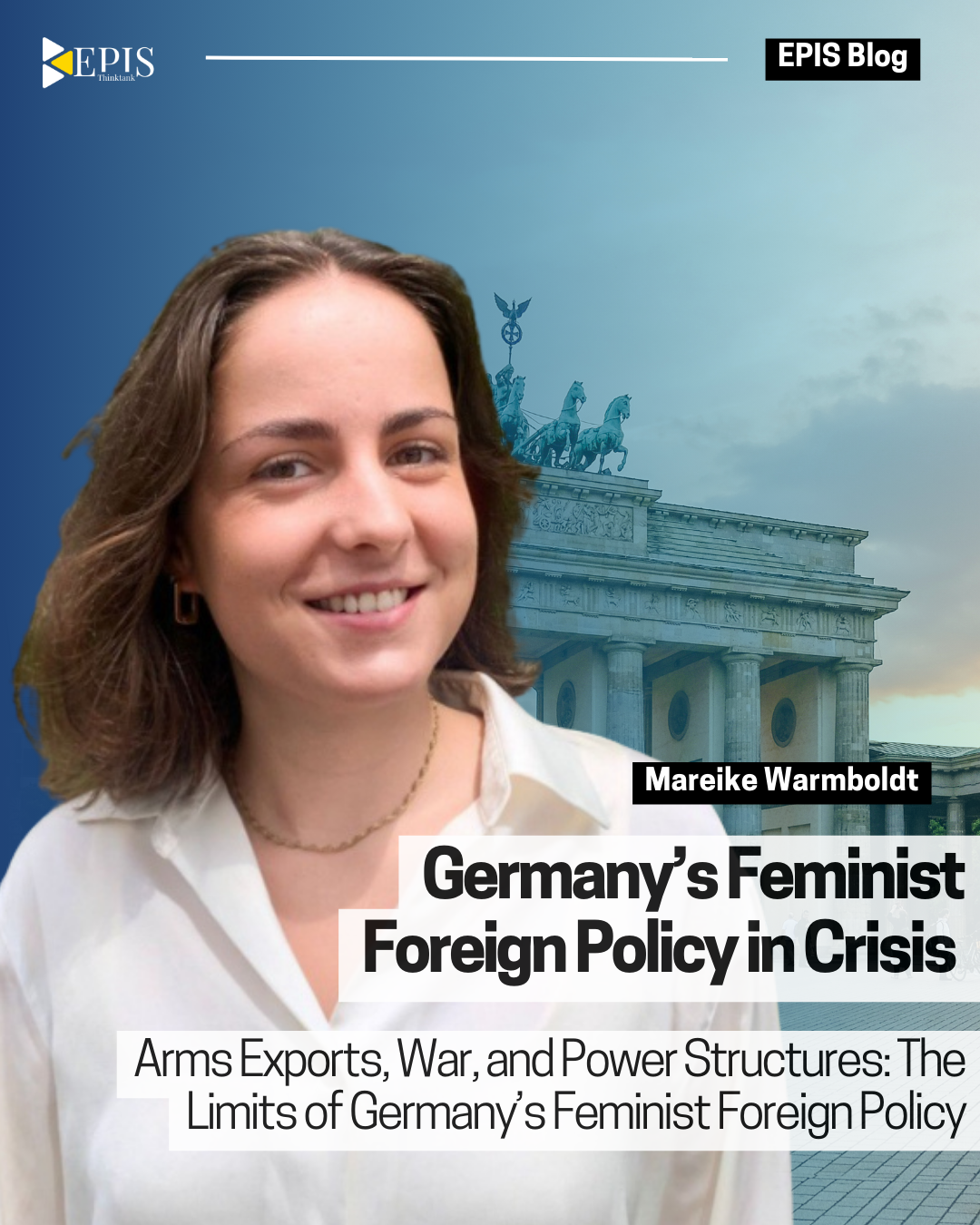
Germany’s Feminist Foreign Policy in Crisis
Can Germany, as a capitalist and imperialist state, implement a transformative Feminist Foreign Policy? Despite advocating for human security and disarmament, Germany’s rising arms exports and support for military interventions contradict these principles. The policy follows a liberal-feminist approach, failing to address deeper postcolonial and patriarchal structures. Conclusion: Germany’s Feminist Foreign Policy remains rhetorical, unable…