Tag: Crisis Management
-
Countering Orwellian Foreign Policy
The article asks how democractic states can preserve the integrity of foreign-policy making as authoritarian actors weaponize information and blur shared truth. It argues that contested narratives pull foreing policy into mass politics, shrinking strategic room for action and enabling Orwellian practices. It concludes that democracies must reinforce factuality, complexity, and open judgement to remain…
-
Germany’s Quest for Military Leadership
-Should Germany pursue the ambition to build Europe’s strongest conventional army given its economic costs and constraints? -Rearmament can foster dual-use innovation, industrial restructuring, and strategic autonomy, but only if procurement is reformed, R&D is targeted, and financing becomes sustainable. -The ambition is economically viable only under currently unmet conditions. Without reforms and sustainable funding,…
-
Tanzania’s Post-Election Uprising
This brief argues that widespread protests which occurred in October 2025 in Tanzania were triggered by years of authoritarian consolidation under president Suluhu, the systematic repression of opposition forces, and the exclusion of young citizens. The aftermath suggests that, without genuine democratic reform and youth inclusion, Tanzania will face continued instability, reflecting a broader pattern…
-
Shaping Europe’s Security – A Formula for Success?
This article highlights changes within the CSDP/CFSP framework and evaluates the security and industrial initiatives that reflect this shift. The overall argument rests on the premise that the EU has begun to base its security decision-making on both the traditional intergovernmental level and the supranational level led by the Commission. Despite that, the final decision…
-
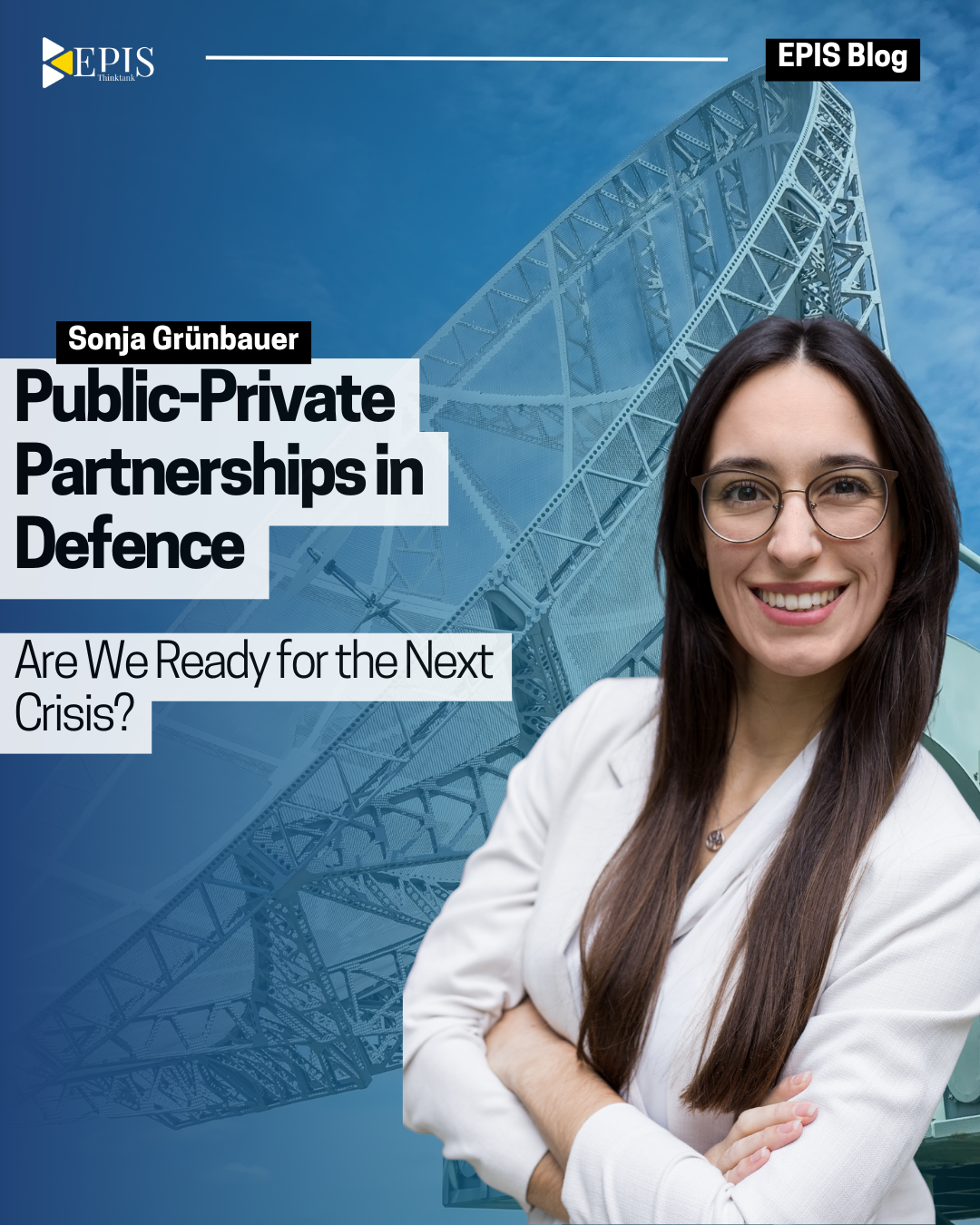
Public-Private Partnerships in Defence
1. Main Question: Are governments, militaries, and private companies prepared to cooperate effectively when the next crisis strikes? 2. Argument: Modern defence relies heavily on private-sector capabilities, yet current structures, legal frameworks, and trust levels are insufficient for seamless crisis coordination. 3. Conclusion: To build real resilience, public-private cooperation must be institutionalized through permanent partnerships,…
-
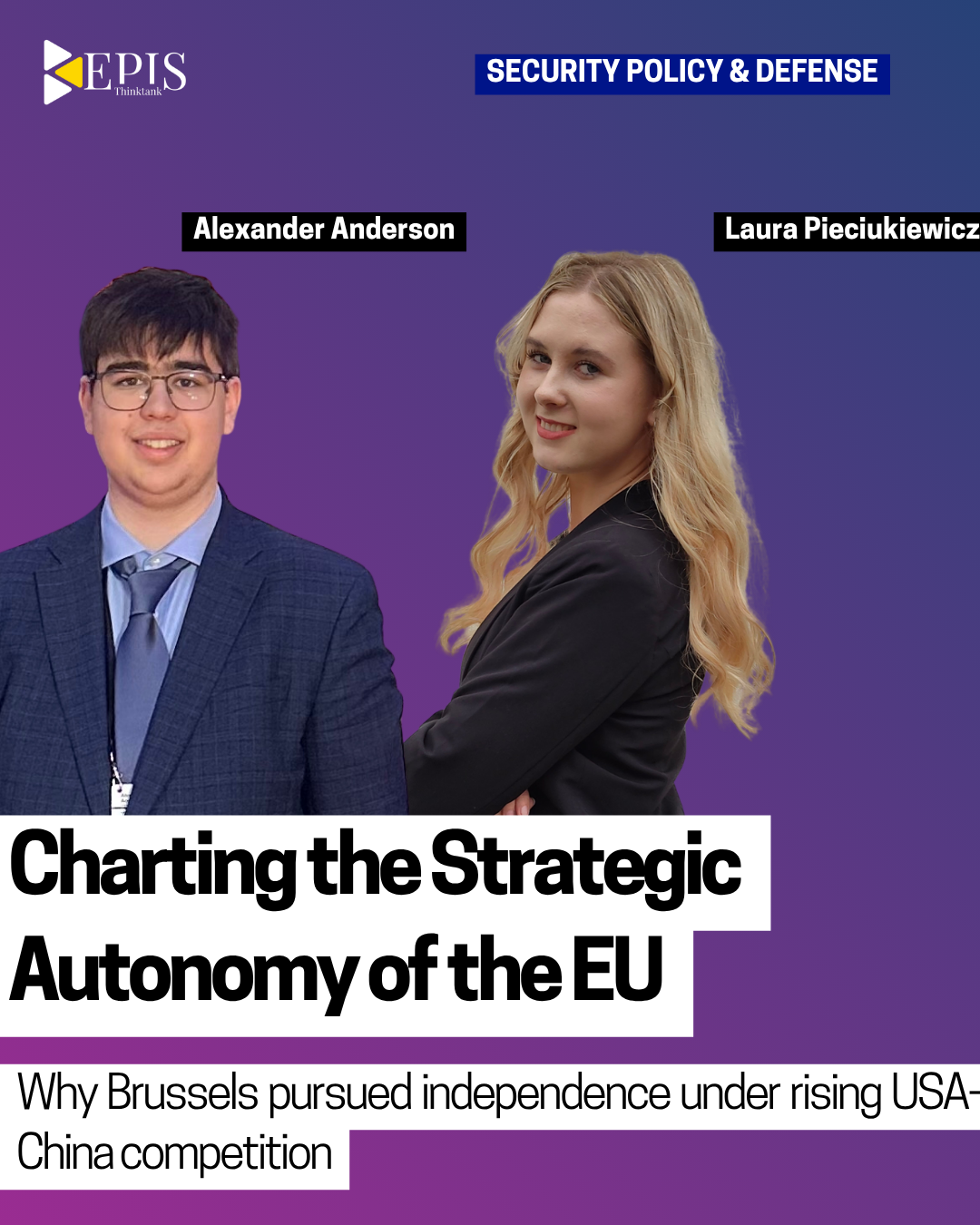
Charting the Strategic Autonomy of the EU
This brief explores the European Union’s strategic autonomy and examines its role in light of the USA-China rivalry. We seek to answer the question of how the EU’s pursuit of independence evolved over the years in response to the great-power competition and multipolar world. We conclude that the Union’s goal of autonomy has been substantially…
-
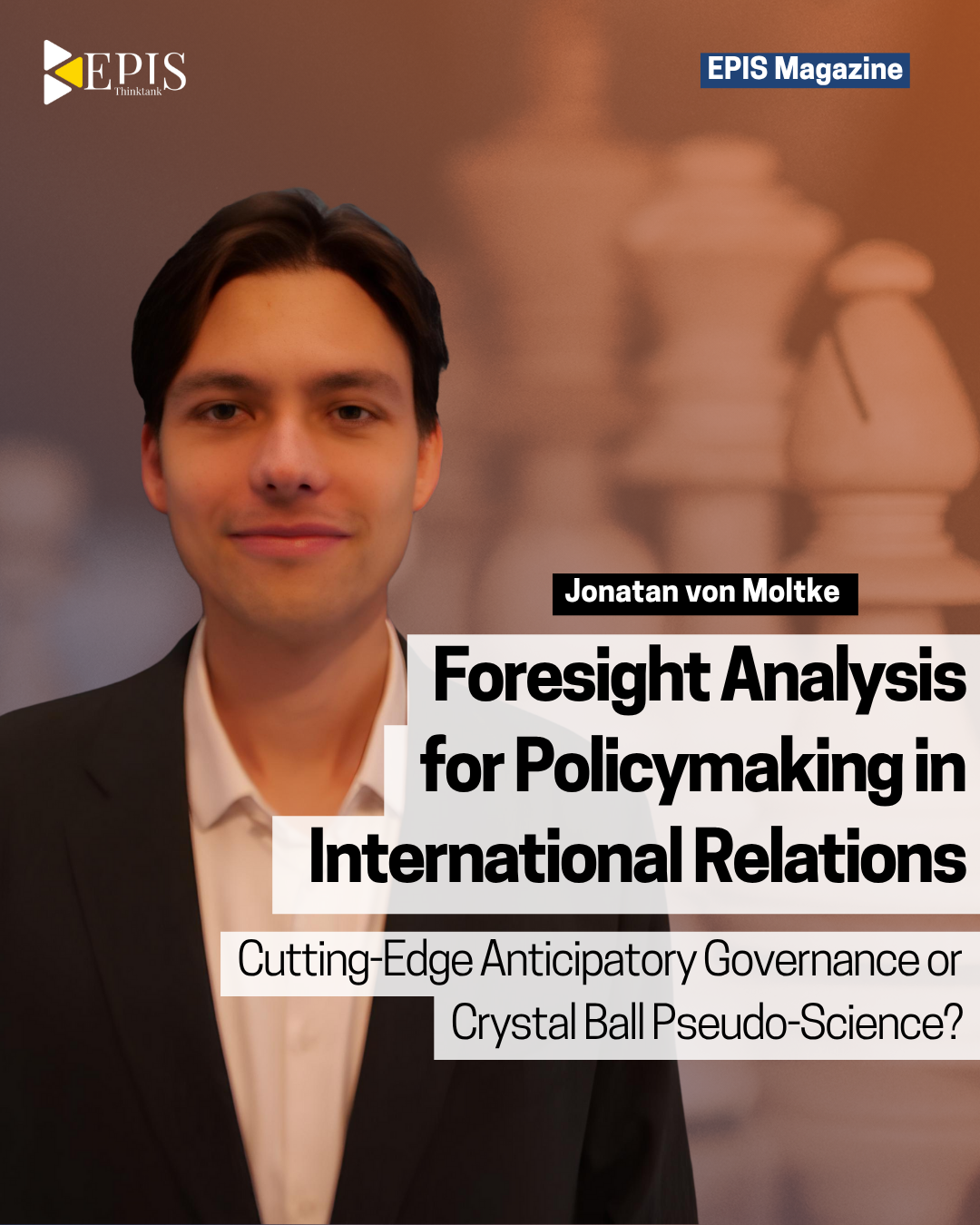
Foresight Analysis for Policymaking in International Relations
Can policymakers really anticipate the future? As uncertainty defines today’s global politics, Jonatan von Moltke explores the rise of foresight analysis as a tool for strategic governance. He examines how methods like horizon scanning, scenario mapping, and megatrend analysis can help governments prepare for disruptive change – and weighs their promise against the risks of…
-
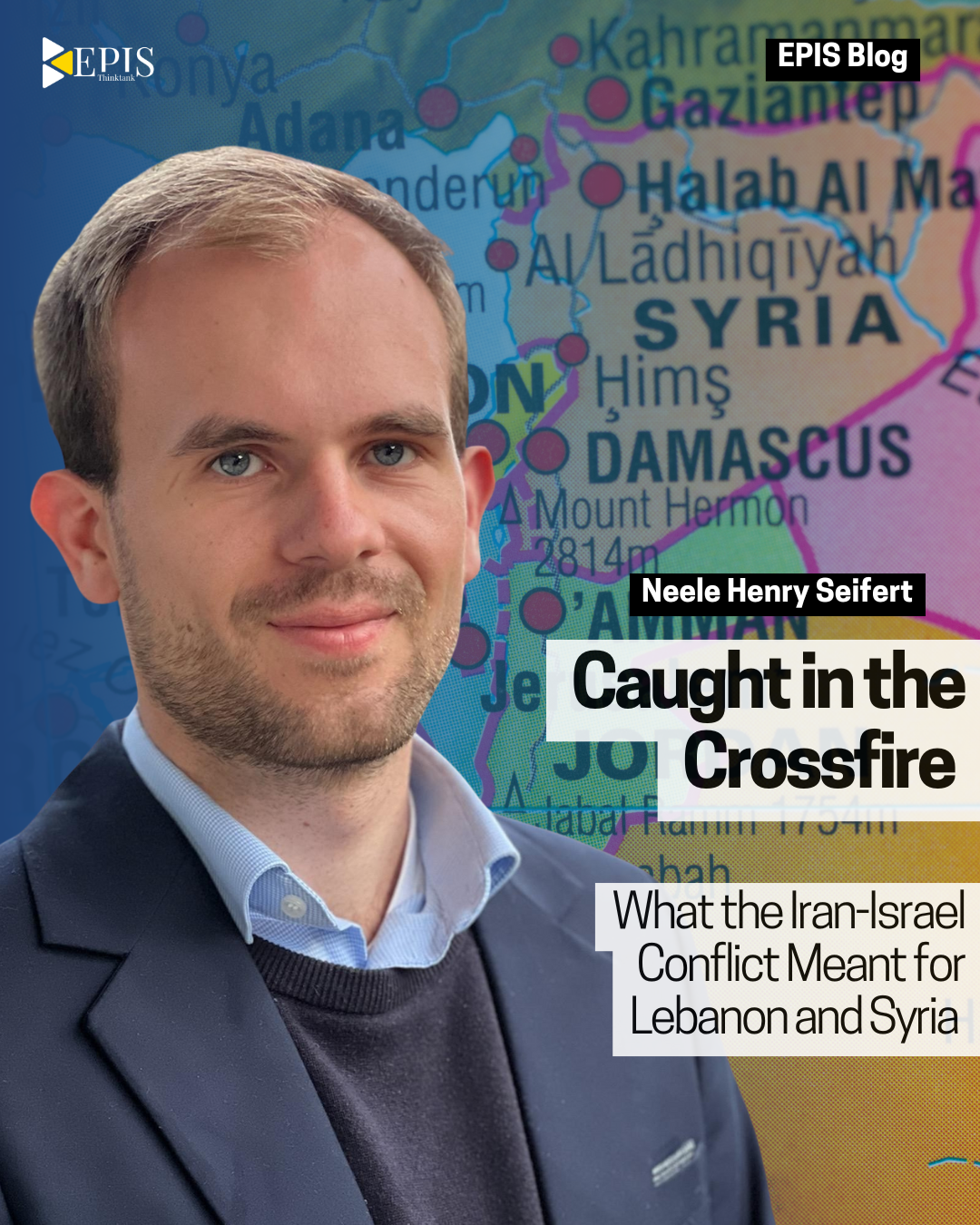
Caught in the Crossfire
– Personal experience from visiting Lebanon & Syria post Iran-Israel war: daily life goes on under missiles in the sky. – People care more about bread, power cuts, and safety than geopolitics. War is watched, not fought. – Hezbollah’s restraint and Syria’s fragile transition revealed more profound shifts: weakened proxies, fear among minorities, and widespread…
-
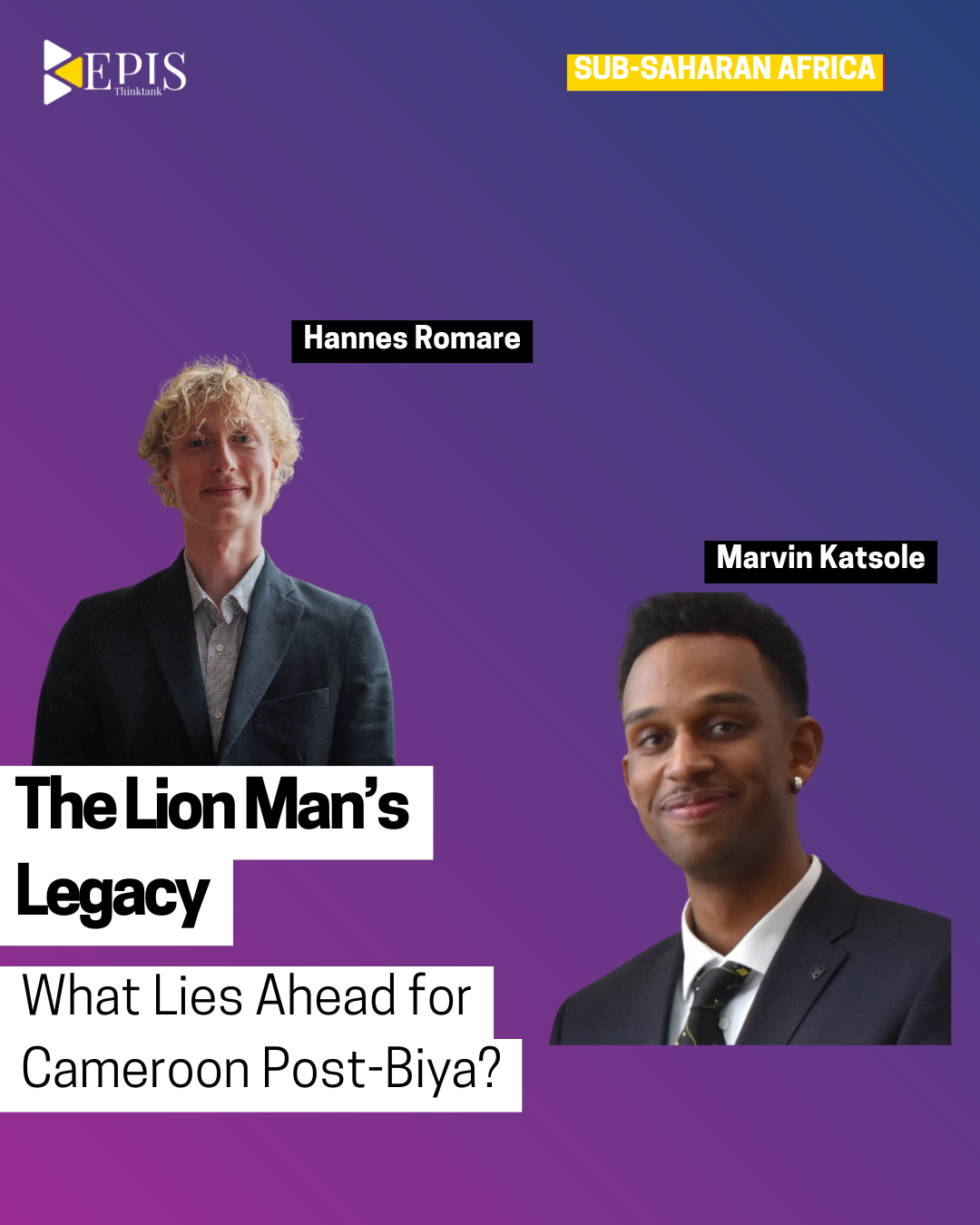
The Lion Man’s Legacy
– What will happen in Cameroon after the death of President Paul Biya? – It is unclear what will happen after the death of President Biya and there are many possible scenarios that can play out. – The question of Cameroon post-Biya is of national, regional, and international interest.
-
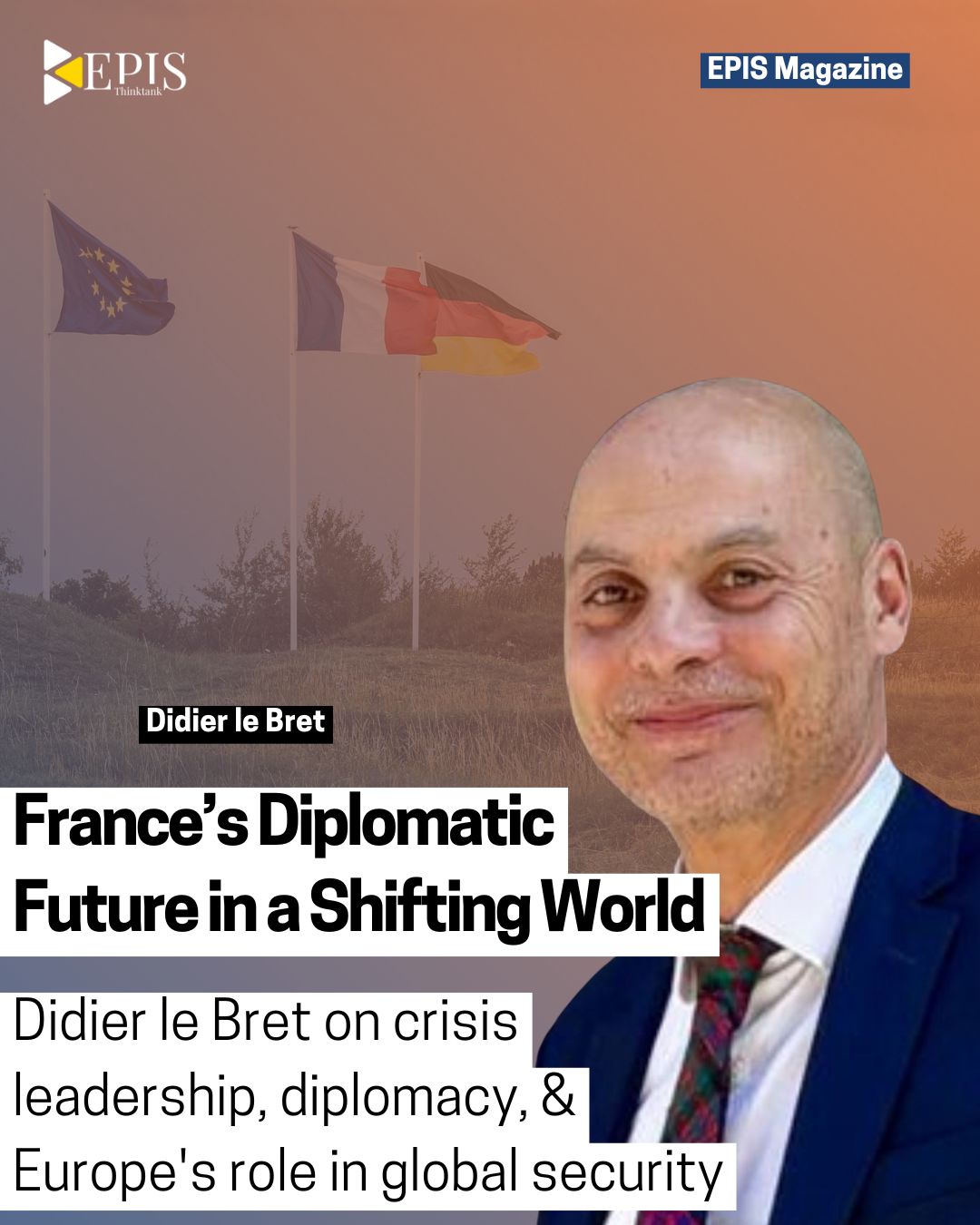
France’s Diplomatic Future in a Shifting World
Didier le Bret reflects on his career shaped by crises from post-Soviet transitions to the Haiti earthquake. He argues that France must combine credibility, sovereignty, and diplomacy to remain globally relevant. His call: Europe must engage the Global South and reclaim multilateralism to ensure lasting peace and equity.