Tag: Bilateralism & Multilateralism
-
Fault Lines Eastward
The article argues that the Iranian War has reshaped Eurasian logistics, increasing the strategic importance of Kazakhstan and Uzbekistan while creating new partnership opportunities for Western countries.
-
The Baltic Shield
The Baltic states are strengthening NATO’s eastern flank with Ukraine-inspired defenses, preparing to deter both hybrid and conventional Russian threats from day one.
-

The AI Infrastructure Leverage Framework
Governments can shape AI by using infrastructure, energy, and regulation as bargaining tools to secure compute-sharing, data residency, and public benefits without nationalizing private firms.
-
The Atomic Bomb We Haven’t Faced (Yet)
Does Anthropic’s Mythos change cybersecurity or is it overhyped? While AI lowers the barrier for cyberattacks, Europe’s biggest challenge remains enforcing NIS2, with human error still the weakest link.
-

Terrorism Spillover in the Sahel
Terrorism spillover is driven by cross-border mobility, recruitment, and local grievances. Ghana demonstrates how resilient institutions and community trust can reduce the risk of extremist expansion despite its proximity to the Sahel.
-
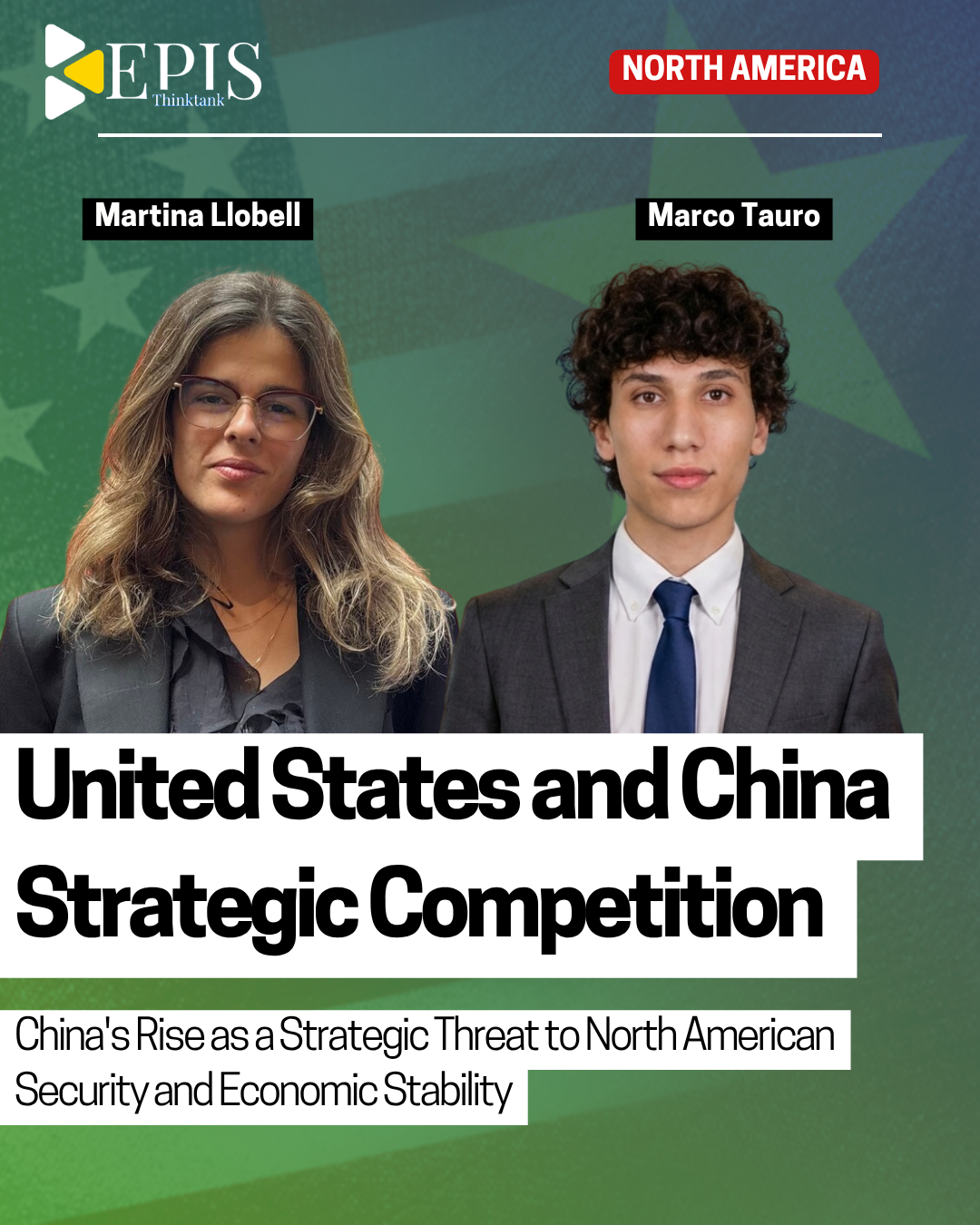
United States and China Strategic Competition
Main Question: Does China’s rise threaten North American security and economic interests? Argument: Military modernization, supply chain competition, and coordinated political interference across Canada and the US exploit Western vulnerabilities while Mexico’s institutional isolation compounds regional weakness. Conclusion: Trilateral enforcement coordinating cybersecurity, supply chains, and intelligence sharing is essential to counter this threat.
-
Public Alignment & Closed-Door Diplomacy:
Main question: How does China balance its relations with Russia and the US amid rising global tensions in spring 2026? Argument: Beijing applies a dual-track strategy by publicly aligning with Russia while maintaining pragmatic and closed-door diplomacy with the US. Conclusion: This strategy gives China strategic flexibility and geopolitical advantages, but growing US-China rivalry may…
-
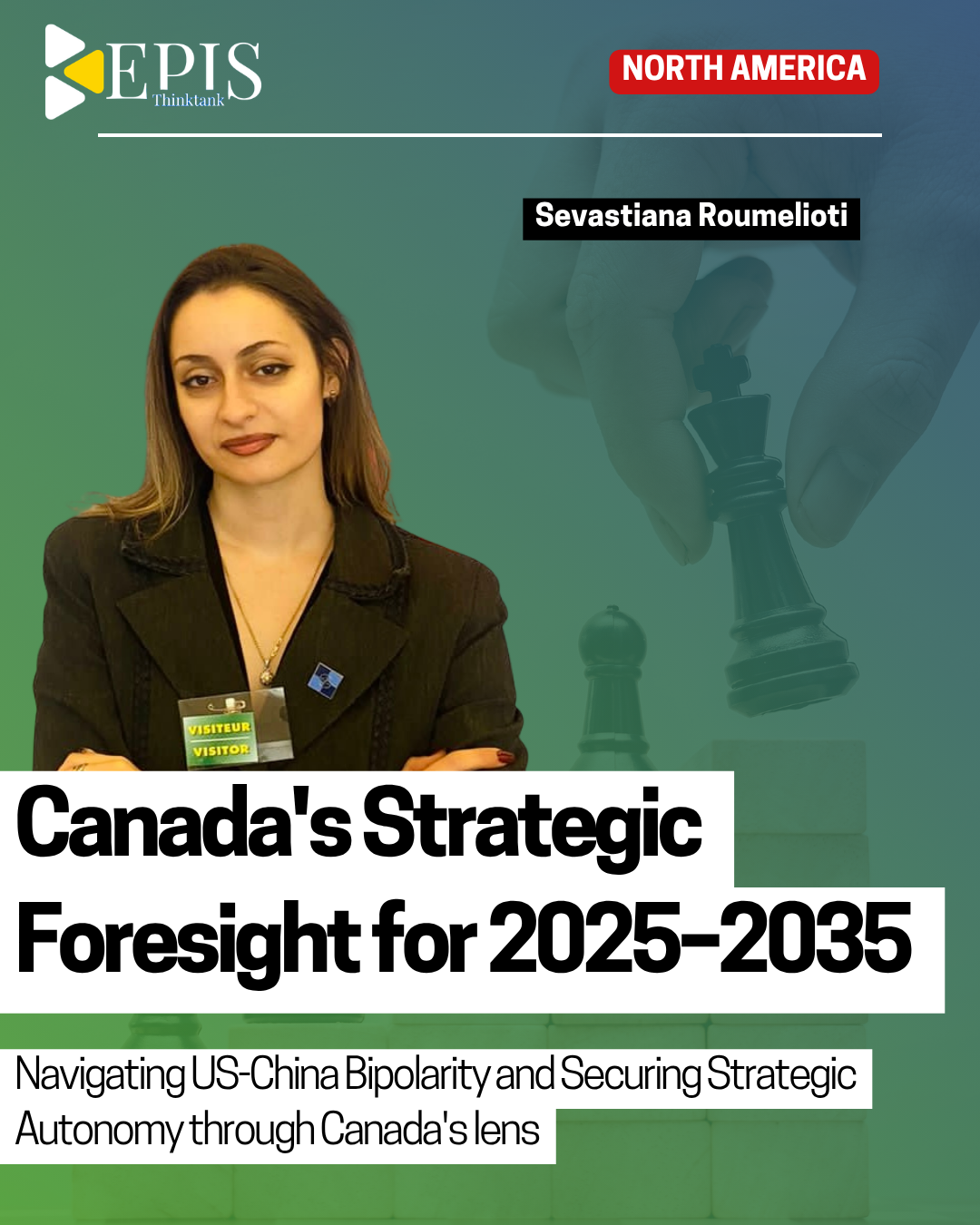
Canada’s Strategic Foresight for 2025–2035
Main question: How can Canada ensure economic survival and sovereignty while caught between an unpredictable, transactional U.S. and a coercive China Argument: Canada must adopt a pragmatic, interest-led approach by integrating defense with the U.S. while hedging risks through strategic Indo-Pacific partnerships Conclusion: Geopolitical success relies on leveraging critical minerals and sharing the costs of…
-

EPC Summit in Yerevan: Armenia Repositioned
Is Armenia Repositioning with the West or is it having a balanced approach? We argue that the Armenian hosting of the EPC summit demonstrates willingness to approach the West amidst Russian decline. While it is not immediate, Armenia is calibrating itself carefully.