Category: Security Policy & Defence
-
Iceland’s Path to EU Membership
Main question: How can Iceland and the EU structure an enlargement framework that reconciles economic sovereignty concerns with shifting Arctic security realities? Argument: The EU and Iceland should implement a coordinated five-step accession package spanning fisheries, energy, agriculture, defense, and monetary transition. Conclusion: This tailor-made approach resolves Iceland’s rule-taker paradox while securing vital High North…
-
Building a Resilient Europe
Main question: How can the EU evolve its enlargement framework from a slow political process into a security-driven integration model that actively incorporates wartime innovation? Argument: Integrating the defence, civil protection, and preparedness systems of member states and candidate countries like Ukraine enhances collective resilience without raising overall spending Conclusion: Merging Ukraine into the EU’s…
-
The Left’s Failed North Korea Fantasy
Can economic engagement change a hostile authoritarian regime? This article is arguing that South Korea’s left-wing policies toward North Korea failed to reduce tensions but instead enabled Pyongyang’s military expansion. By prioritizing symbolic reconciliation over deterrence, progressive administrations underestimated North Korea’s intentions, eventually strengthening a nuclear adversary than promoting peace.
-
Perpetual Conflict and European Security
Russia presents a challenge to European security with no clear answer. Baltic states viewed Russia as an immediate threat, whilst western states appeared more cautious and strategically uncertain. Concerns over weakening US commitment exposed growing divisions within the NATO alliance. The conference suggested that European security remains characterised by strategic drift and unresolved disagreement over…
-
The Empathy Deficit
Stefan Noël Hageman asks whether military power can succeed without understanding how adversaries and civilians perceive violence. He argues that recent US and Israeli campaigns failed because they disregarded empathy as a strategic skill, strengthening resistance instead of weakening it. He concludes that long-term stability depends not only on force, but on perspective-taking and understanding…
-
Dual-use GovTech and Civilian Protection
Dual-use GovTech turns citizens into “security sensors”: civilians supplying security-relevant data. While they can boost resilience and improvement, they may also raise DPH and cyber-reprisal risk.
-
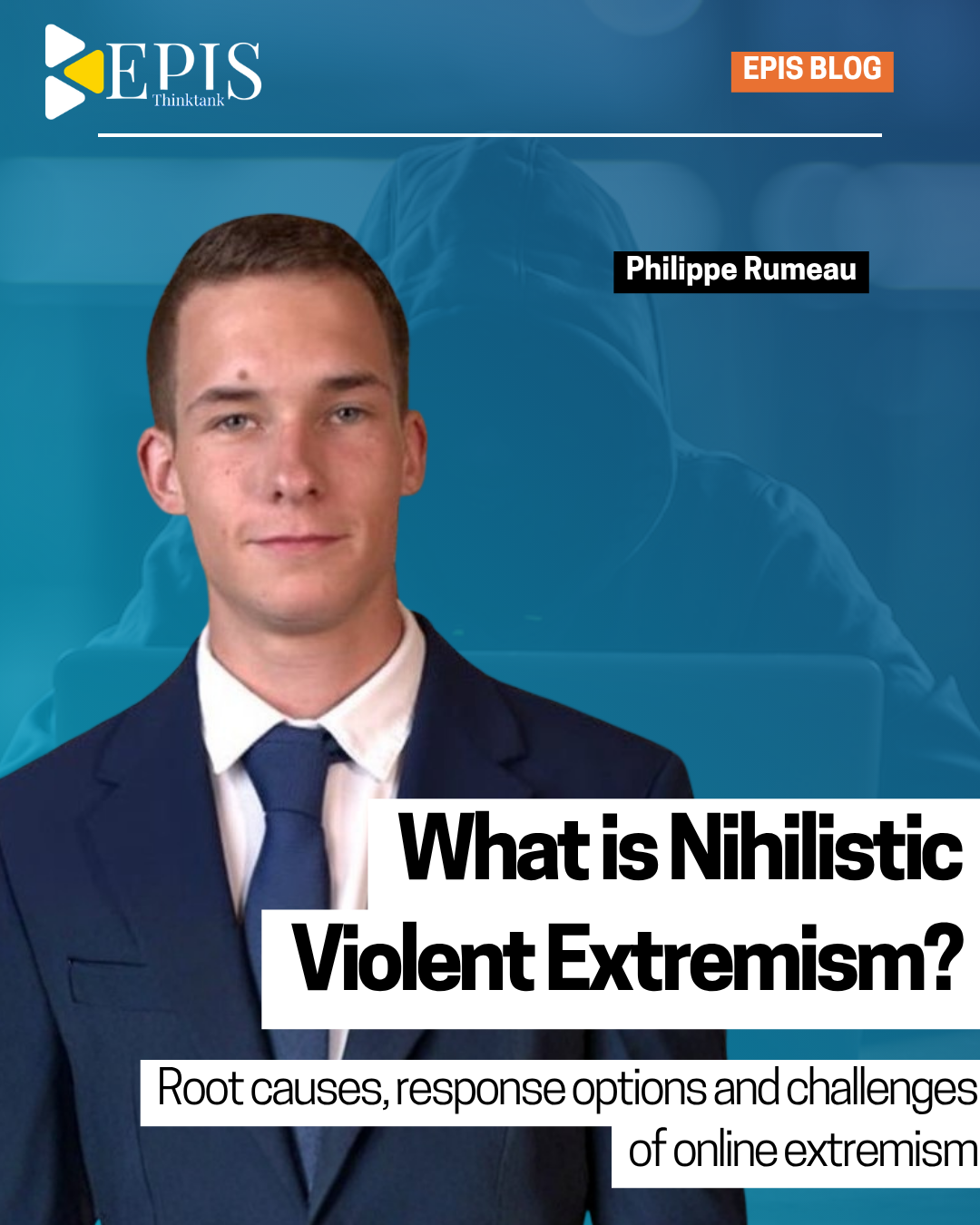
What is Nihilistic Violent Extremism?
-What is NVE? How is it linked to terrorism, and how can it be countered? NVE is a form of violence driven not by ideology but by hatred toward society and misanthropic worldviews. Often targeting minors, some groups or subgroups may engage in terrorism. Responses to NVE include youth education and reporting encouragement or global…
-
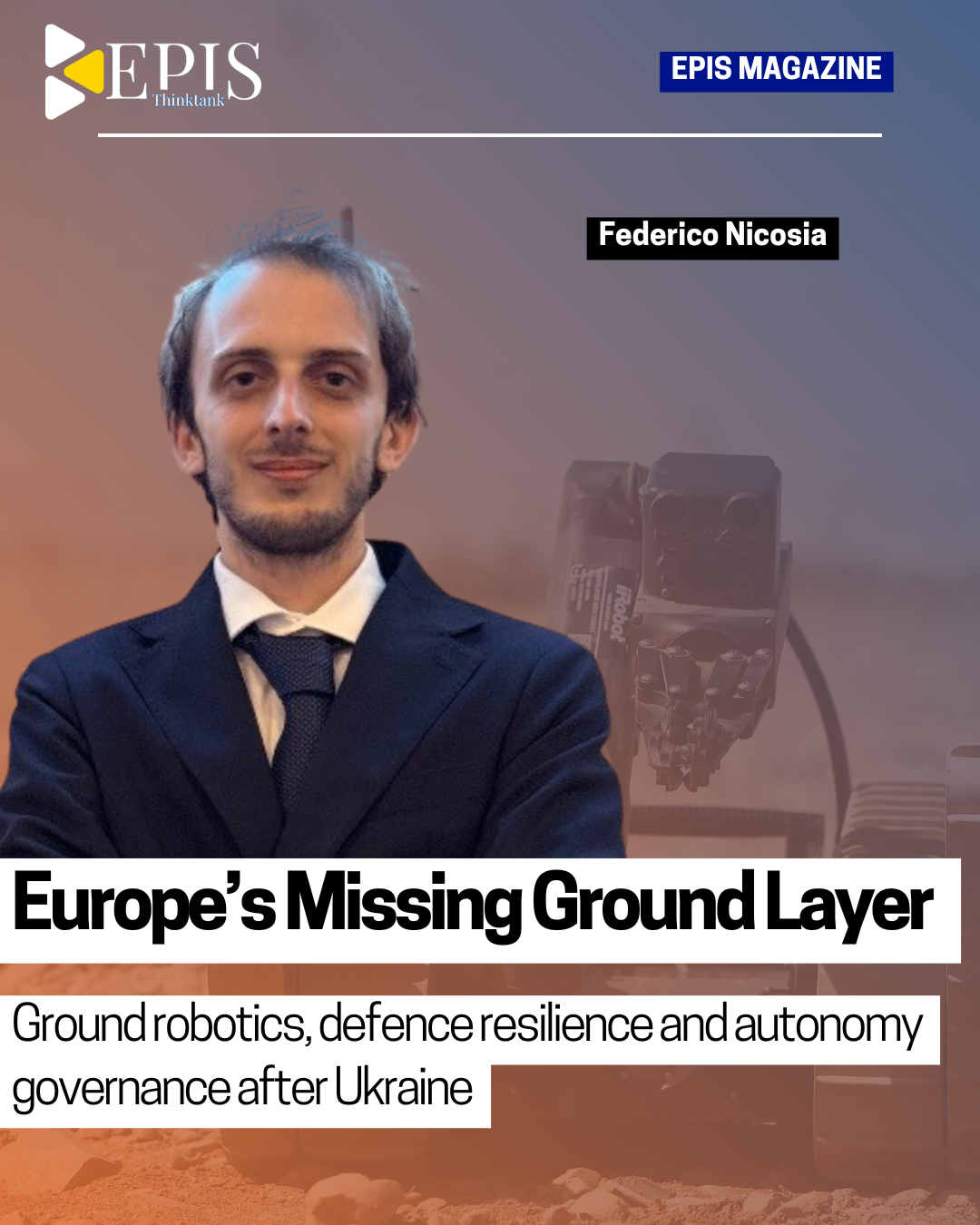
Europe’s Missing Ground Layer
Main question: can Europe develop unmanned ground systems without dependency or legal ambiguity? Argument: quadruped robotics should be treated as a specialised support layer, not as autonomous weapons. Conclusion: Europe needs interoperable, modular and human-controlled ground robotics governance.
-
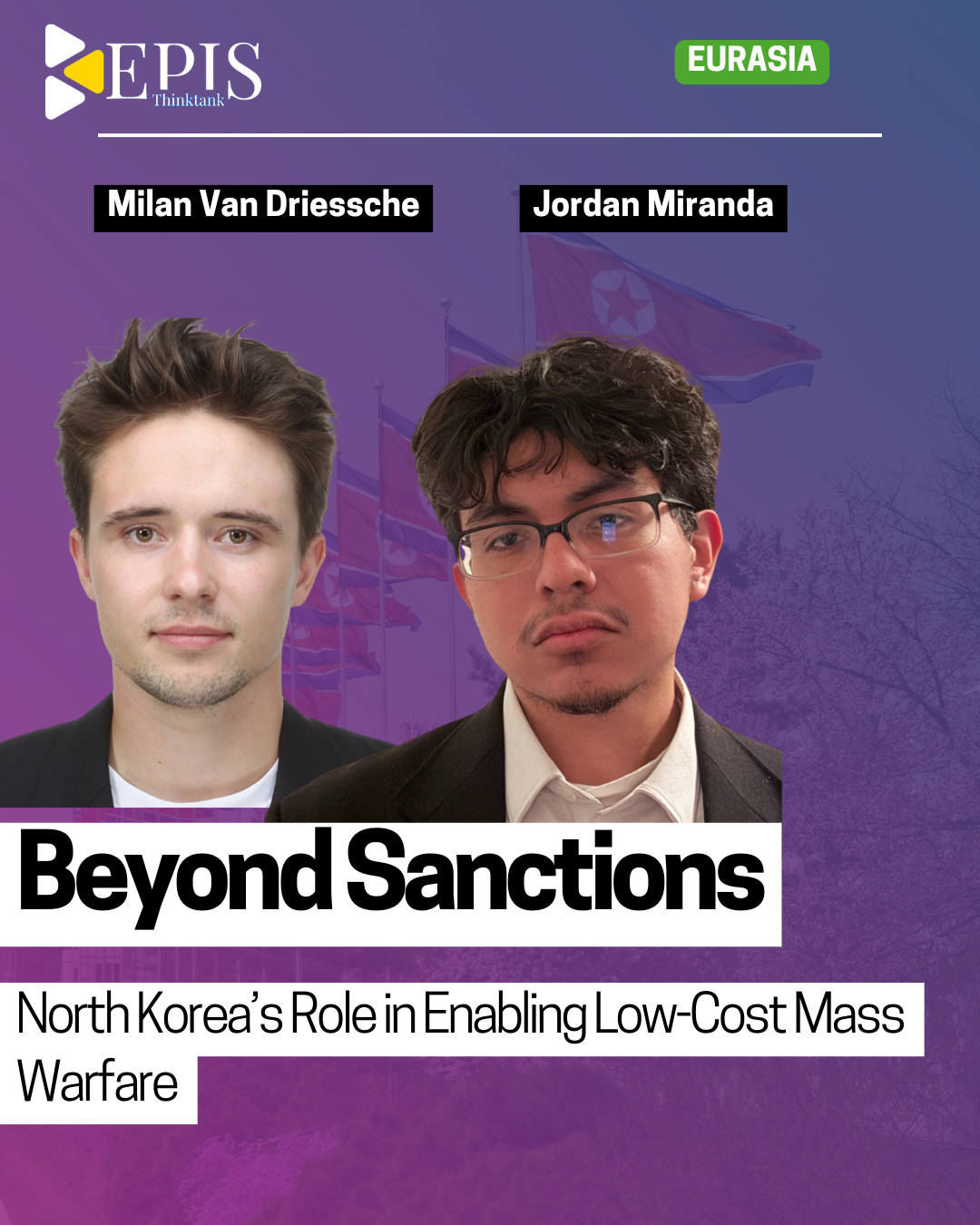
Beyond Sanctions
Main Question Has Western strategy accurately assessed North Korea’s true strategic role beyond its nuclear program? Argument North Korea is a central node in a Russia–Iran–North Korea axis, sustaining Russia’s war through munitions and troops, and enabling Iran’s missile capabilities, while receiving advanced technology in return. Conclusion North Korea is a neglected transregional enabler linking…
-

Bridging Euro-Atlantic and Indo-Pacific Security
RQ: With security theatres merging, can NATO and the IP4 build a structured partnership? Arg: Integration offers key benefits for supply chains, maritime security, intelligence, and deterrence. Conc: Waning trust in US leadership makes institutionalising these ties urgent.