Category: Security Policy & Defence
-
A doctrine before a strategy
A doctrine before a strategy: Building the preconditions of European grand strategic reasoning The European Union confronts acute geopolitical pressure with strategic documents whose vocabulary outruns their substance. I argue that the EU’s three strategic documents — the 2003 European Security Strategy, the 2016 EU Global Strategy, and the 2022 Strategic Compass — each perform…
-
The militarization of the Arctic
Carla Reinhard and Filippo Perini, EPIS Arctic & Space Report Group Overall Report Theme: The Militarization of the Arctic Article Research Question: What is the impact of the militarization of the Arctic on the development and strategic use of space infrastructure? Structure of the Article The Arctic is no longer “High North, Low Tension” (Wainscott-Sargent,…
-
One model, distinct results
Title: One model, distinct results: Why is Bukele model failing in Ecuador On the 7th of January, guards at La Regional prison in the port city of Guayaquil found the cell of crime boss Adolfo ‘Fito’ Macías empty. In response, Ecuadorian president, Daniel Noboa, then in office for just two months, declared a two-month state…
-
Investing in Security
Investing in Security: How EU Fiscal Rules Undermine European Strategic Autonomy – and What to Do About It By Patryk Borowski Introduction Europe has been caught unprepared by strategic shocks twice in recent memory – by the return of large-scale conventional war in 2022, and by the energy-dependency crisis that this war exposed. The standard…
-
Frozen Frontlines
Frozen Frontlines: NATO Expansion, Russian Force Rebalancing, and the New Militarization of the Arctic by Brayden Blaylock Introduction: The Arctic After Ukraine The militarization of the Arctic has entered a new phase. While the region has long held strategic value because of nuclear deterrence, sea-based second-strike capabilities, and access to the North Atlantic, developments since…
-
The Middle Power Dilemma
The Italian Blueprint for Space Security: Deterrence, Awareness, and European Integration In 2019, NATO announced a groundbreaking strategic shift, recognising space as an operational domain. This meant that the securitisation of space was no longer a future theory but became a current operational reality. However, while superpowers can afford to invest huge resources in this…
-
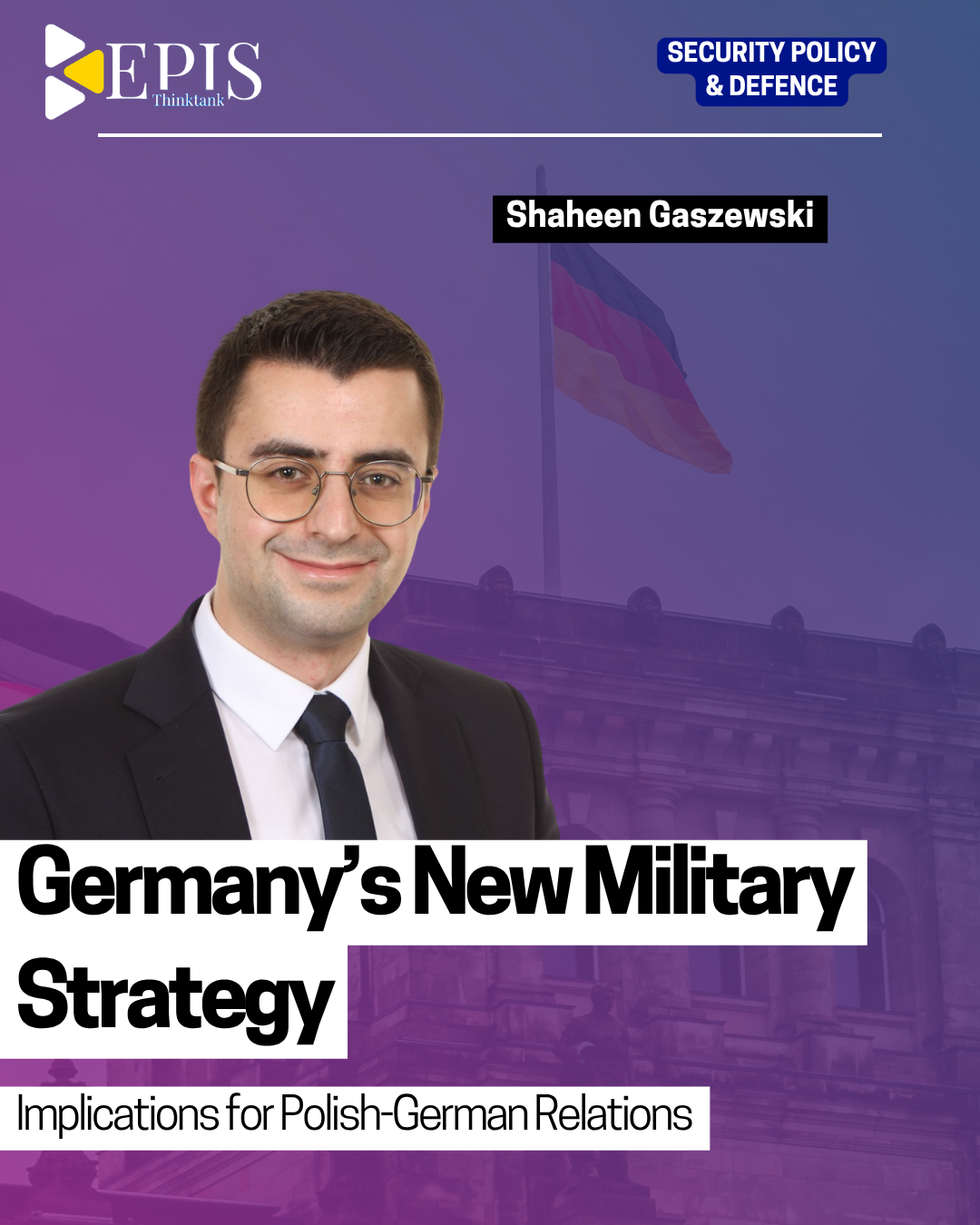
Germany’s New Military Strategy
Germany’s new Military Strategy refocuses the Bundeswehr on Alliance defence and deterrence against Russia, aiming to be Europe’s strongest conventional army. This shift aligns Germany’s threat assessment with Poland’s, but triggers Polish anxiety about competition for the US’s ‘primary ally’ status. Instead of competing for US favour, Germany and Poland should capitalize on their newly…
-
Cognitive Power Without Projection
Russia maintains significant influence in Eurasia mainly through informational and cognitive warfare rather than direct military power. It uses media networks, reflexive control, shared Soviet history, and anti-West narratives in post-Soviet states to shape perceptions and political decisions. Russia adjusts by giving media engagement and information influence top priority to maintain regional hegemony, despite challenges…
-
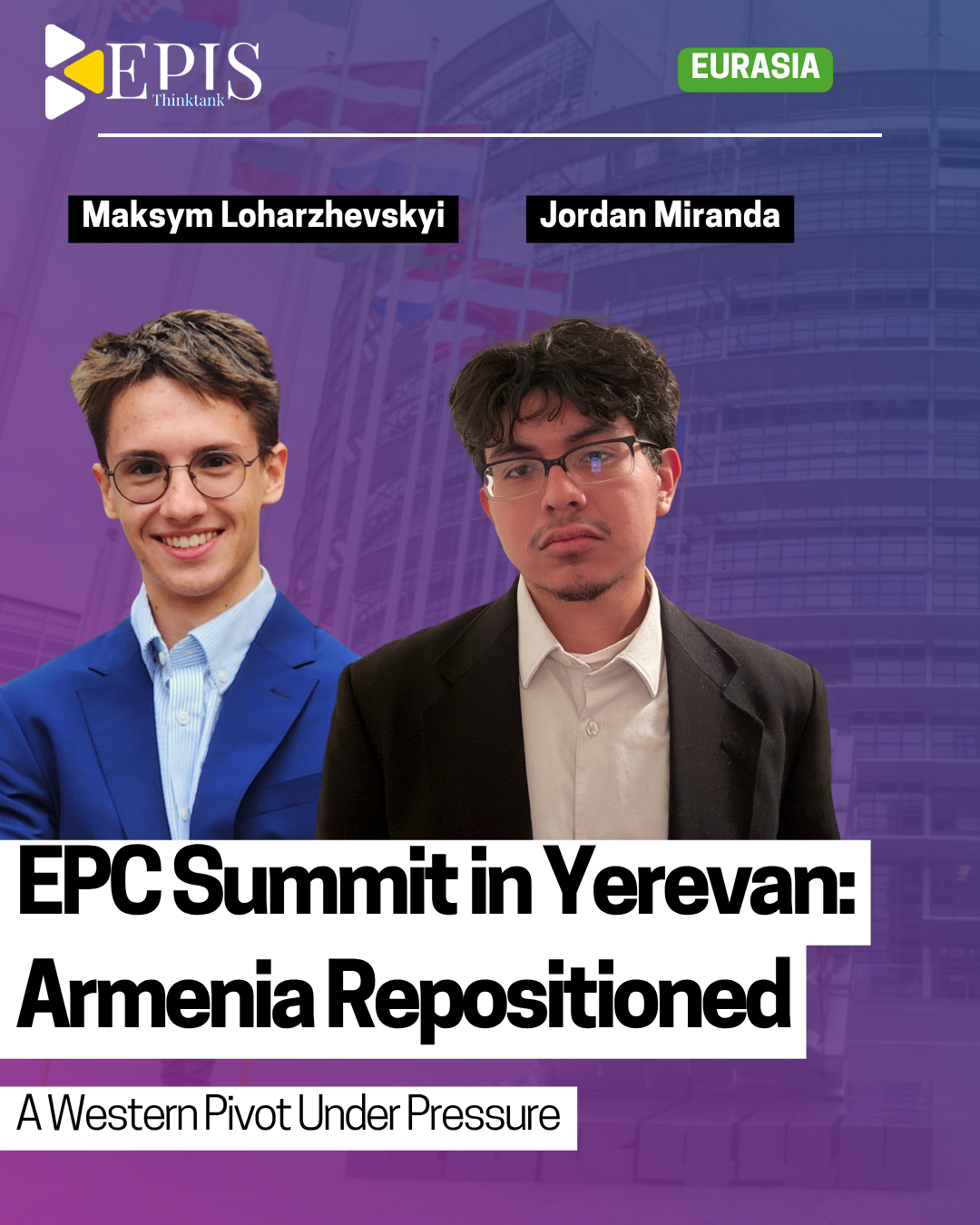
EPC Summit in Yerevan: Armenia Repositioned
Is Armenia Repositioning with the West or is it having a balanced approach? We argue that the Armenian hosting of the EPC summit demonstrates willingness to approach the West amidst Russian decline. While it is not immediate, Armenia is calibrating itself carefully.