Category: Security Policy & Defence
-

TechNet International 2026
TechNet International 2026 highlighted the need for secure, data-centric defense, emphasizing lifecycle data protection and AI that supports—not replaces—human decision-making.
-
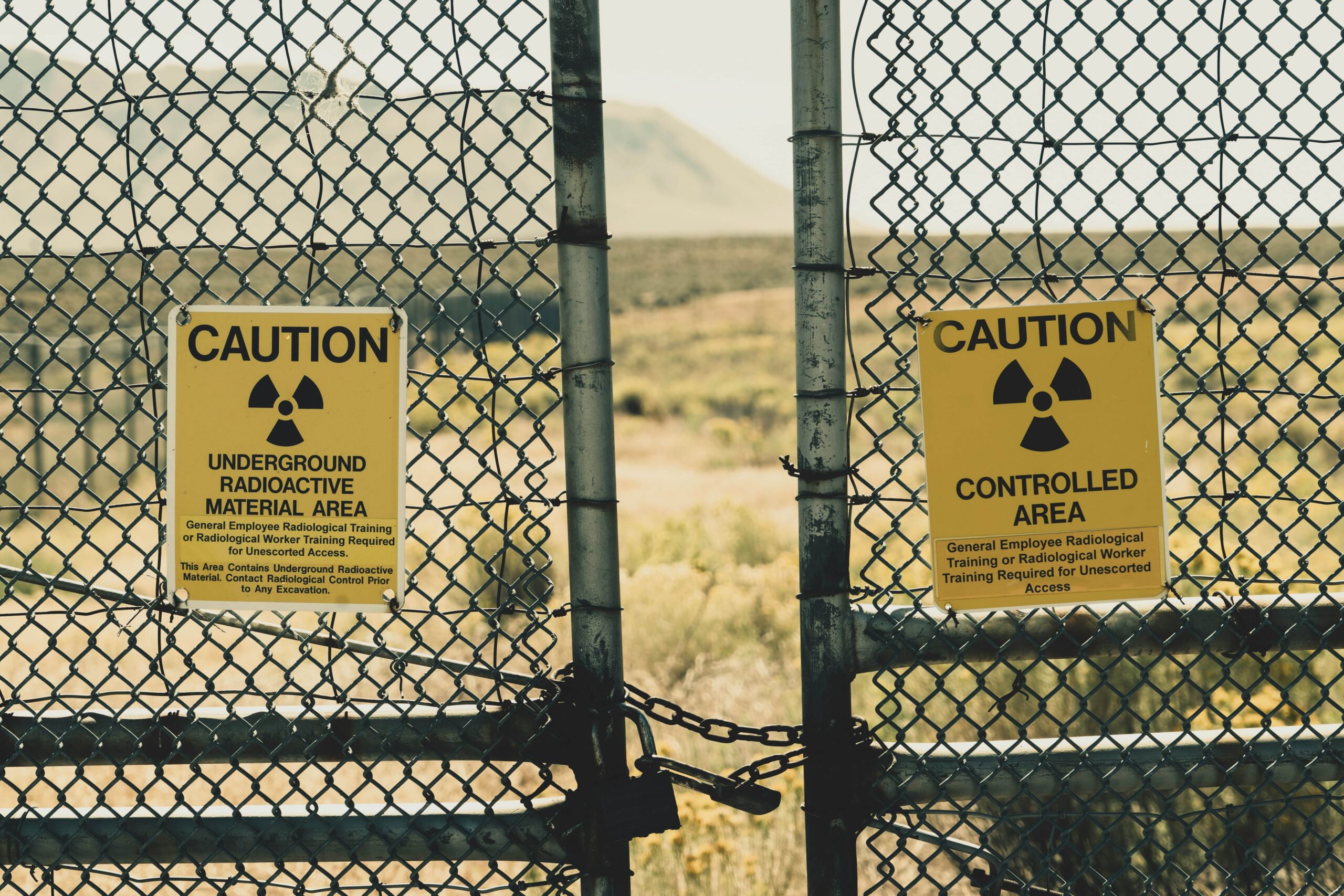
Escalation in the Dark
China’s nuclear expansion is increasing uncertainty around crisis decision-making, making deterrence less predictable and raising the risk of miscalculation, especially over Taiwan.
-

Lessons from the Black Sea Forum
Interview with former German Defence Minister Annegret Kramp-Karrenbauer on Ukraine’s resilience, Europe’s responsibility, and why political will and civic engagement remain essential for lasting peace.
-
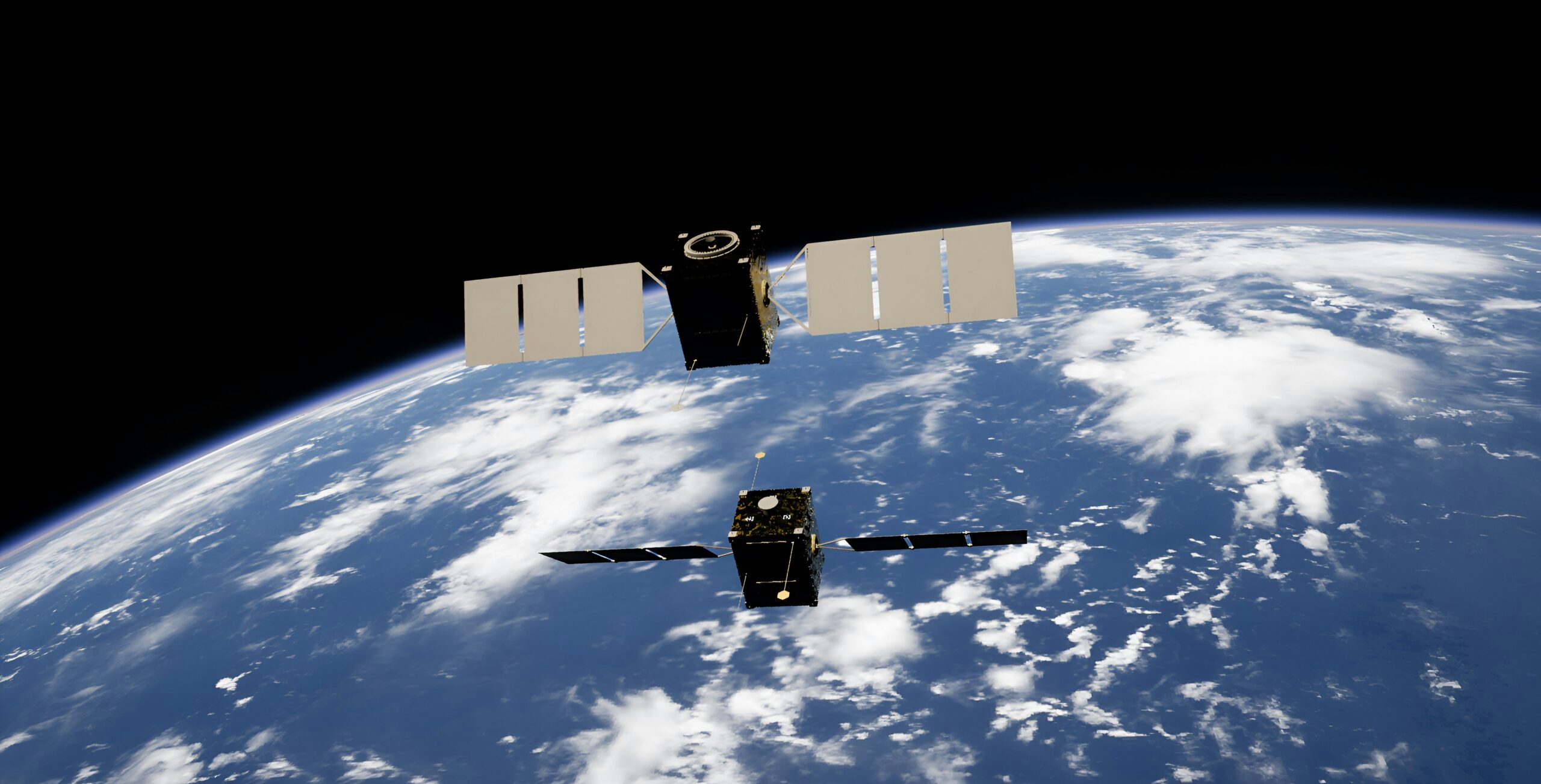
Lost in Space: Europe’s Satellite Dependency
Europe can strengthen its strategic autonomy by reducing reliance on foreign satellite systems through stronger governance, redundancy, and EU-led space capabilities.
-
The Baltic Shield
The Baltic states are strengthening NATO’s eastern flank with Ukraine-inspired defenses, preparing to deter both hybrid and conventional Russian threats from day one.
-

ILA Conference Report
A major takeaway from ILA Berlin 2026 was the urgent push across all three domains for independent technologies, industrial competitiveness, and defence readiness including high-end software-defined defence in Europe.
-
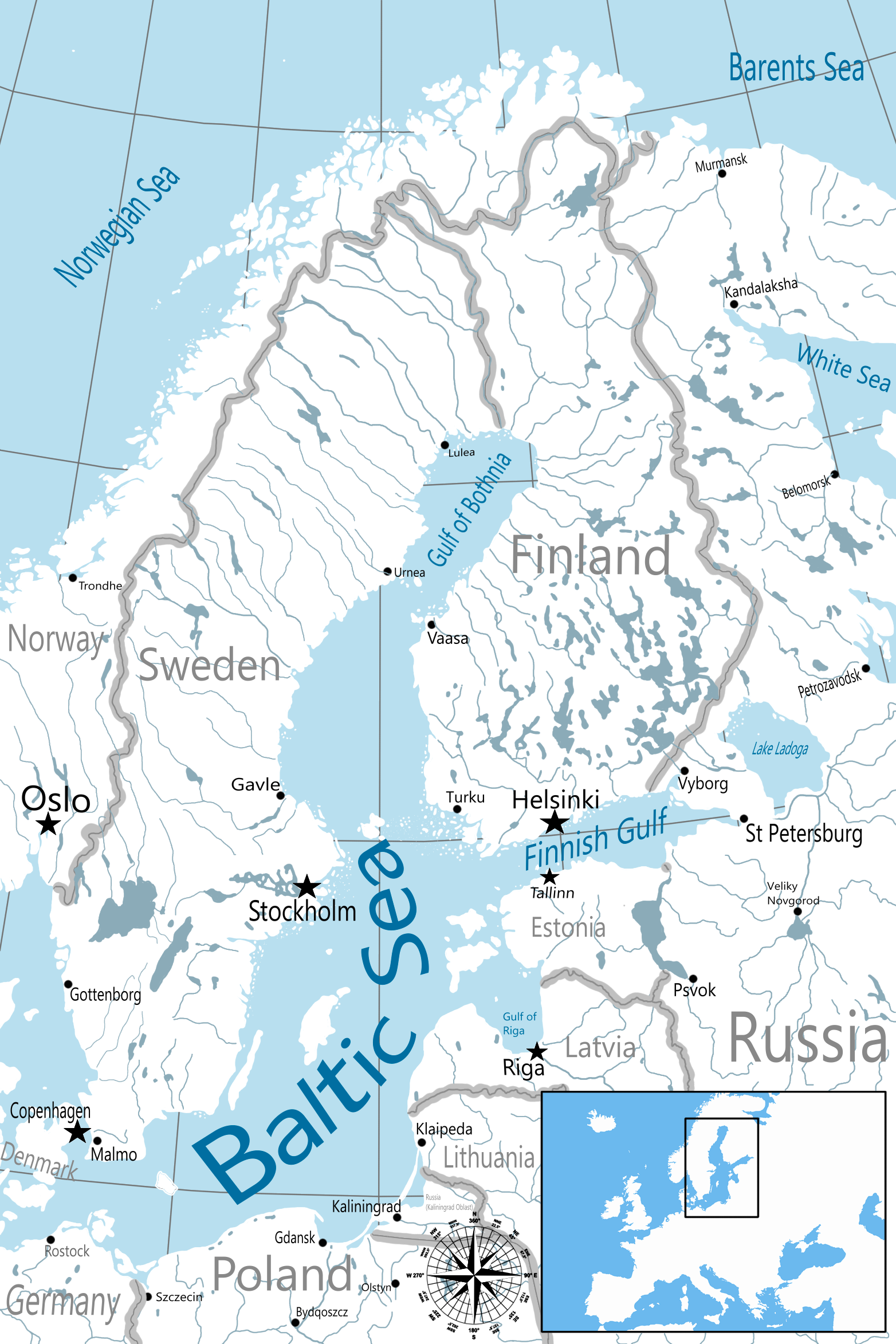
The Baltic Pivot
Facing Russian threats and Transatlantic rifts, Poland should make the Baltic Sea a pillar of its grand strategy: joining NB8 permanently, building a military partnership with Sweden, and reducing US arms reliance via cooperation with Sweden, Turkey and Ukraine, boosting deterrence and autonomy.
-
What to Buy in the Future?
What to Buy in the Future? Recalibrating European Defence Spending to Decrease Structural Dependencies Executive Summary Europe has increased the volume of its defence spending but remains structurally dependent on manufacturers under US jurisdiction. If Europe wants to become a somewhat sovereign security actor, with its own goals, this dependency needs recalibration. The US is…
-
Intelligence as part of European grand strategy
Intelligence as a part of European grand strategy: a feasible future on a larger scale? Introduction Intelligence agencies help policymakers implement the grand strategy they pursue (Rovner, 2021). They play an important role in monitoring international security, which in turn informs decision-making on military interventions, diplomatic moves, and related matters. For nation-states, it is often…
-
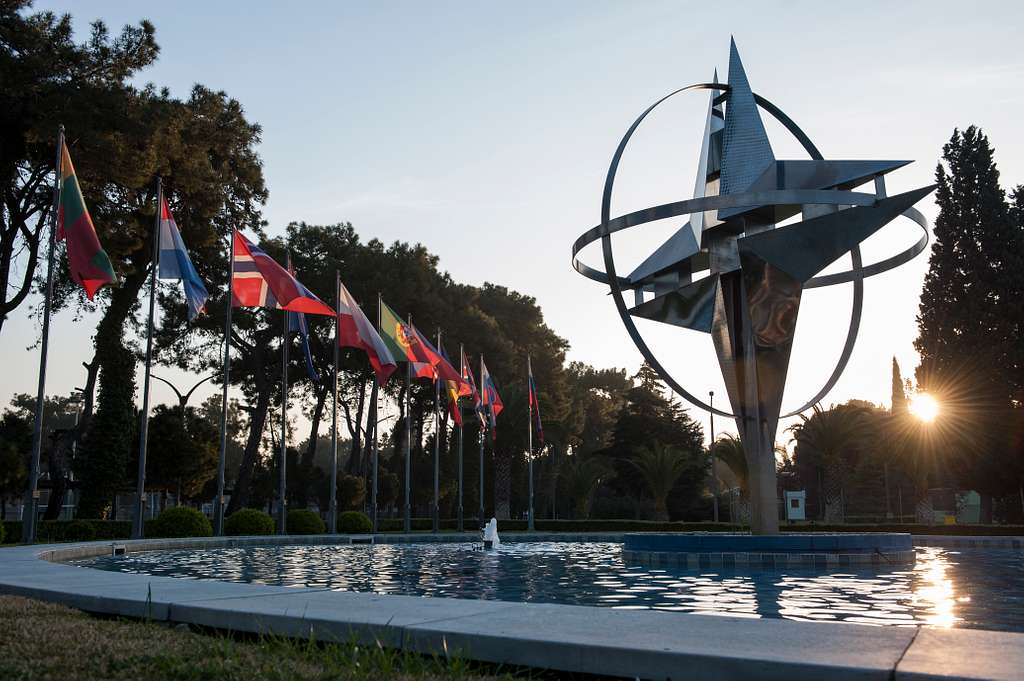
Reconfiguring Europe’s Forward Presence:
NATO’s Eastern Flank posture shifted from tripwire to forward defence, but a US withdrawal strains credibility. Facing Russian threats, Europe must build autonomous heavy-force deployment and logistics, using coalitions like JEF or MNC-Ukraine to offset reduced US support.