Category: Climate Policy & Environment
-

A Return to Coal?
1. Trump is trying to reinvigorate American coal production; what are the security implications? 2. Coal (and energy production generally) has realist dimensions, is necessary for mass-producing steel, and plays into politics domestic & international. 3. Dirty energy, and diverse energy sources, are a hedge against a liberal, trust-based order in favor of more immediate…
-
Natural Disasters and Conflict: An Uneasy Relationship
How do international relations influence the aftermath of natural disasters in South and East Asia, especially migration and conflict? Climate change intensifies natural disasters, leading to displacement and resource competition, which can escalate conflicts. A holistic approach combining disaster prevention, conflict resolution, and policy reform is critical for resilience.
-
Climate Change and Global Power Shifts
The report outlines current climate challenges and the geopolitical consequences of environmental change. It highlights disparities in responsibility and vulnerability between the Global North and South. Finally, it explores new policy frameworks and technologies that offer scalable solutions for a more sustainable future.
-
Disaster Diplomacy
How and why do disaster-related activities succeed or fail to foster peace and reduce conflict? China’s disaster diplomacy can build bridges through relief efforts, but pre-existing tensions, poorly managed aid, and strategic interests may turn such activities into sources of conflict. While China’s disaster diplomacy holds potential for cooperation, its success depends on addressing geopolitical…
-
Chinese Positioning in the Melting Arctic
This article emphasizes the duality of China’s position—as both an economic partner and a potential disruptor to the status quo—while addressing the underlying uncertainties about its long-term intentions in the Arctic.
-
Green Theory in International Relations
Green Theory in International Relations (IR) examines the intersection of environmental issues and global politics, emphasizing sustainability, ecological justice, and the impact of climate change on security. It challenges traditional state-centric security frameworks by highlighting environmental degradation as a key driver of conflict and instability. Green Theory continues to evolve, advocating for systemic change and…
-
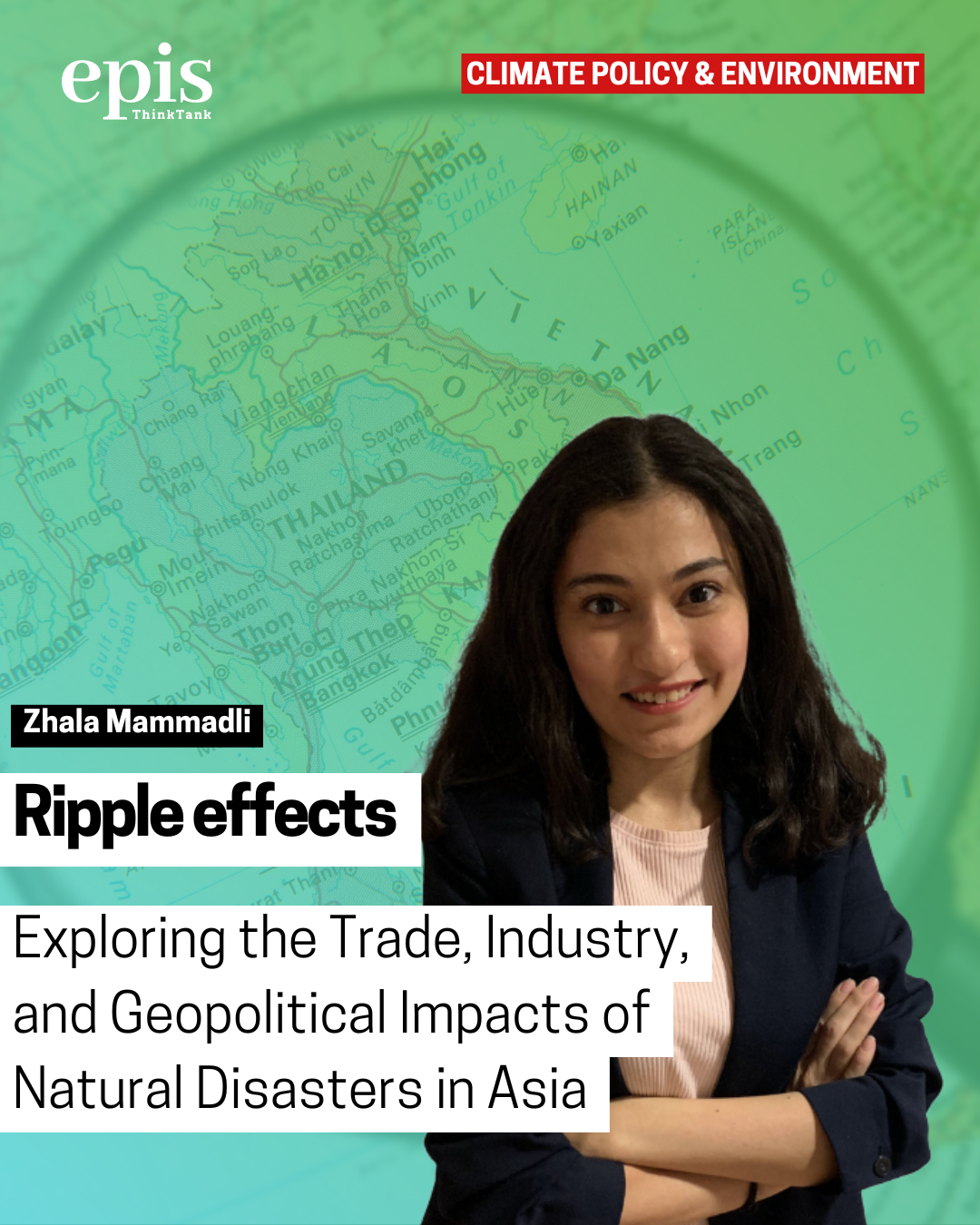
Ripple Effects
How do natural disasters impact Asia’s trade, industry, and regional stability? Disasters disrupt supply chains, manufacturing, and agriculture, affecting economies and international relations. These disruptions expose vulnerabilities, increase dependencies, and reshape power dynamics. Investing in resilient infrastructure and cooperation transforms challenges into opportunities, enhancing stability.
-
Natural Disasters and National Security:
Does the increase in natural disasters pose a military or security threat, especially in regions with delicate political climates? I write about the case of North and South Korea, examining how increasing weather events are affecting their respective political and military strategies. In my opinion, the increase in extreme weather events poses an interesting, albeit…
-
The Role of Social Networks in Disaster Response
How do social networks enhance disaster response and resilience? Social networks facilitate rapid communication, resource sharing, and coordination between communities and institutions. Social Network Analysis (SNA) identifies key actors and optimizes disaster management. Addressing misinformation, the digital divide, and trust issues is vital to fully leveraging social networks for resilient and equitable communities.
-
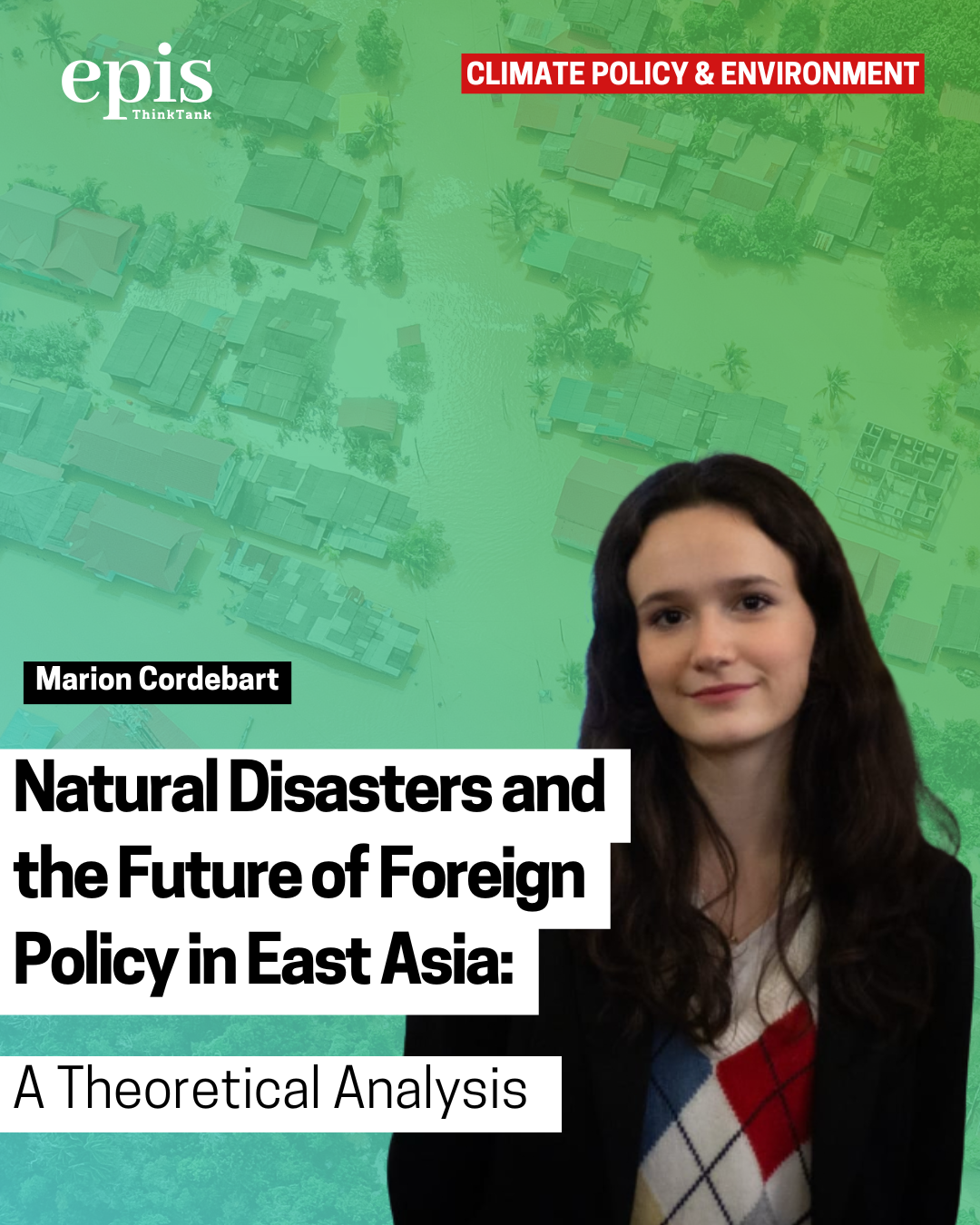
Natural Disasters and the Future of Foreign Policy in East Asia:
How can theoretical frameworks address the complexities of state responses to climate change? Liberalism highlights cooperation through interdependence, Realism emphasizes resource competition and security, Constructivism focuses on norms and historical contexts, and Public Choice reveals how political incentives shape disaster responses.These framworks can help explain East Asia’s climate strategies and informs resilient policymaking.