Category: Climate Policy & Environment
-
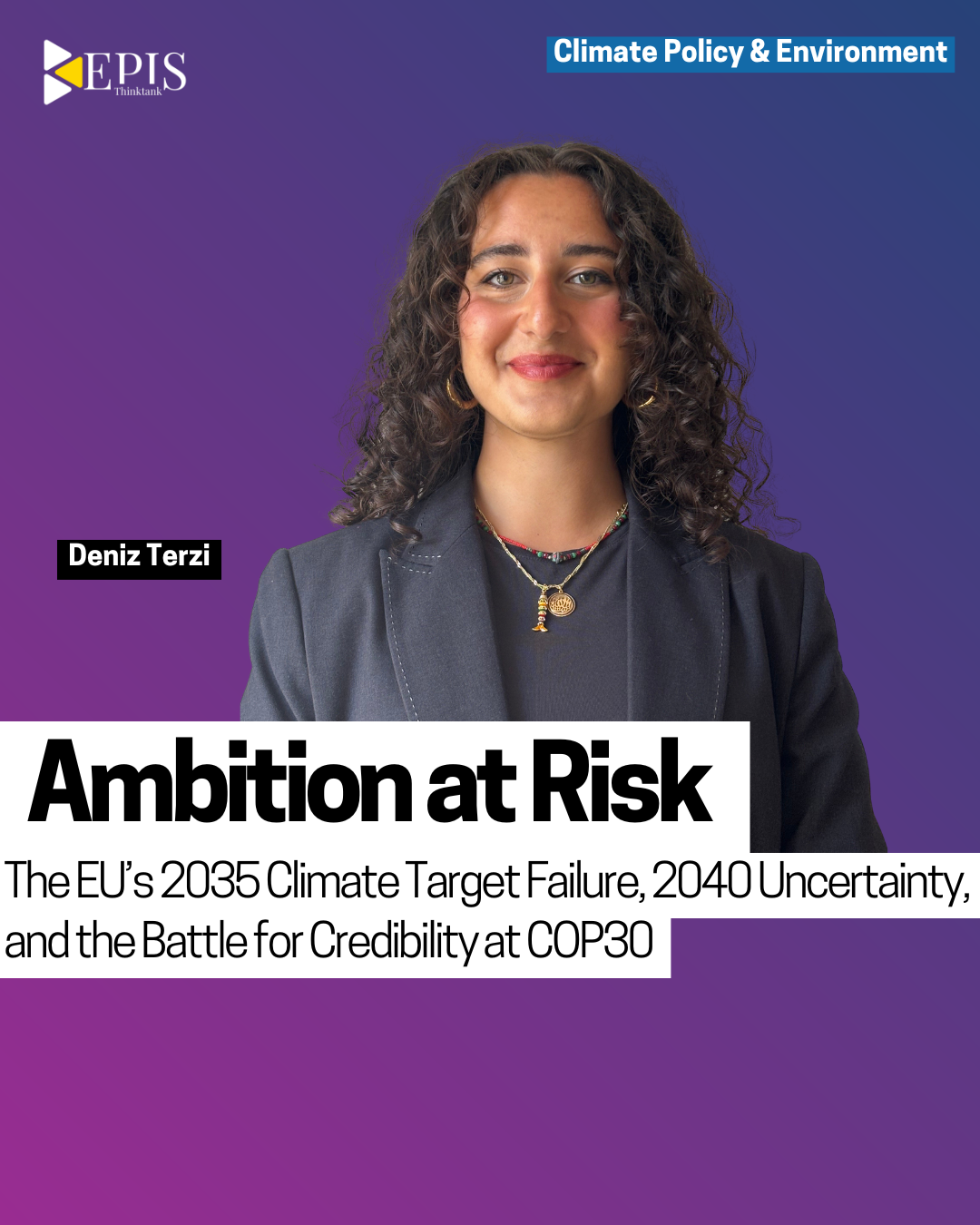
Ambition at Risk
“- How does the EU’s failure to submit a binding 2035 climate target affect its ability to agree on a 2040 target and maintain credibility in international climate negotiations? – Main argument: EU’s failure to submit a binding 2035 target weakens its credibility in climate diplomacy, complicates the 2040 goal, and risks its leadership at…
-
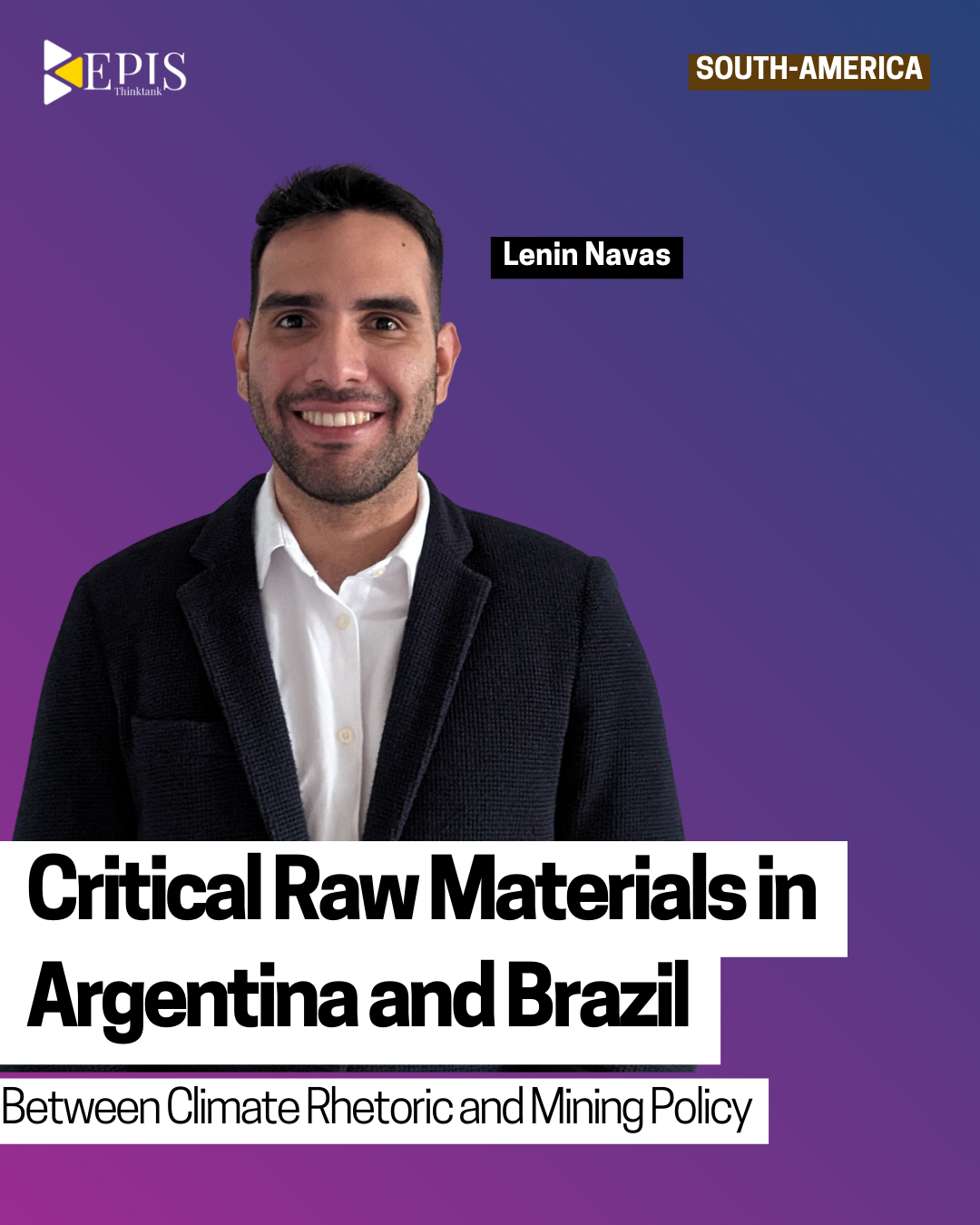
Critical Raw Materials in Argentina and Brazil
Main Question: How do Argentina and Brazil balance climate rhetoric with mining policy on critical raw materials? Argument: Despite opposite discourses (Lula’s pro-environment stance vs. Milei’s climate skepticism) both prioritize mining expansion over sustainability. Conclusion: Ideology matters less than material interests. Both governments converge on economic gains, risking the goals of the energy transition.
-
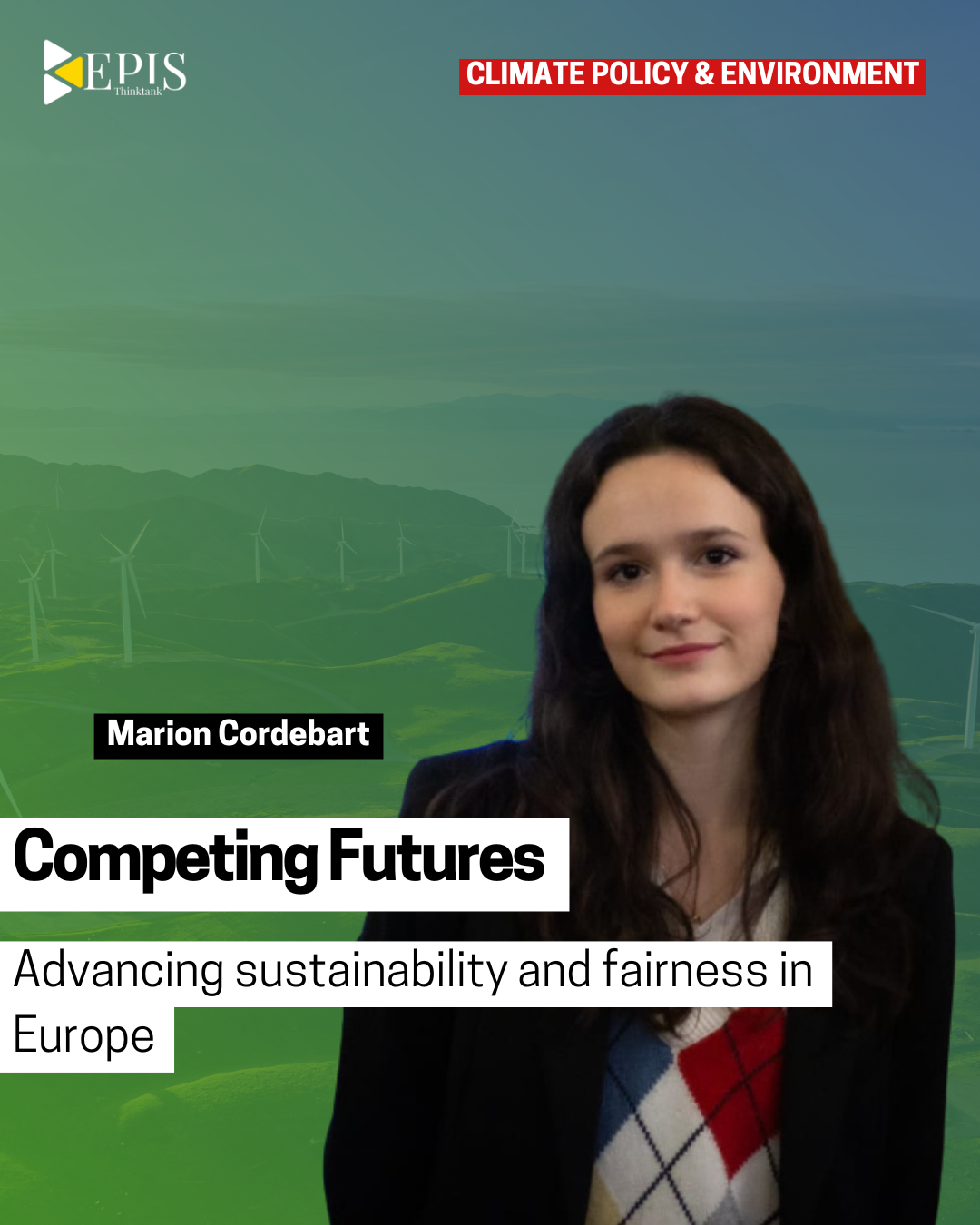
Competing Futures
International Criminal Lawis ineffective at protecting the environment in conflict, perhaps stronger solutionsshould be in place, should the environment have their own rights in conflict?
-
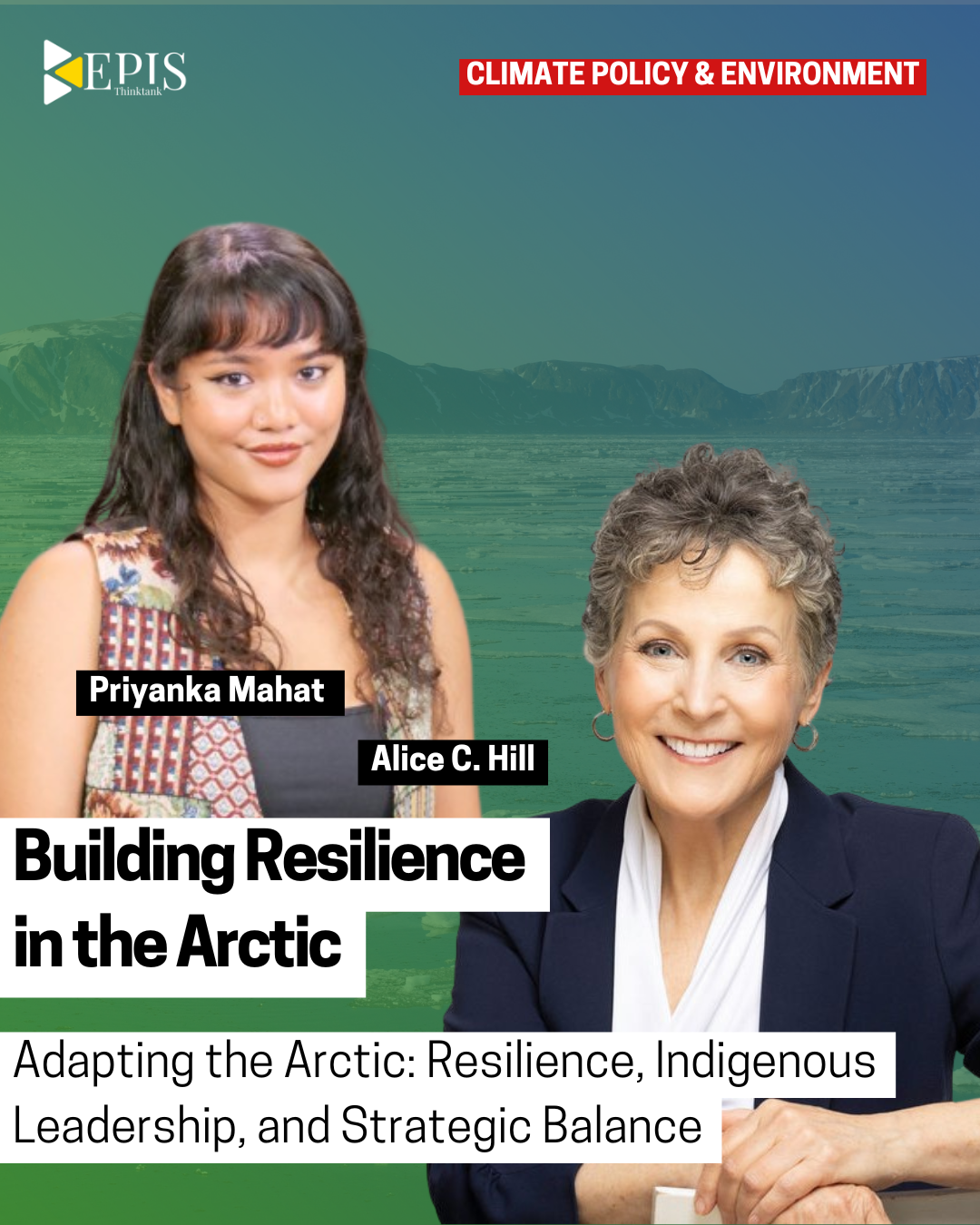
Building Resilience in the Arctic
How can Arctic communities adapt to rapid climate change and growing geopolitical pressure? The Arctic faces compounding threats—from permafrost thaw to militarization—that strain fragile infrastructure and ecosystems. Building resilience requires urgent adaptation, Indigenous leadership, and balancing strategic interests with long-term stability.
-
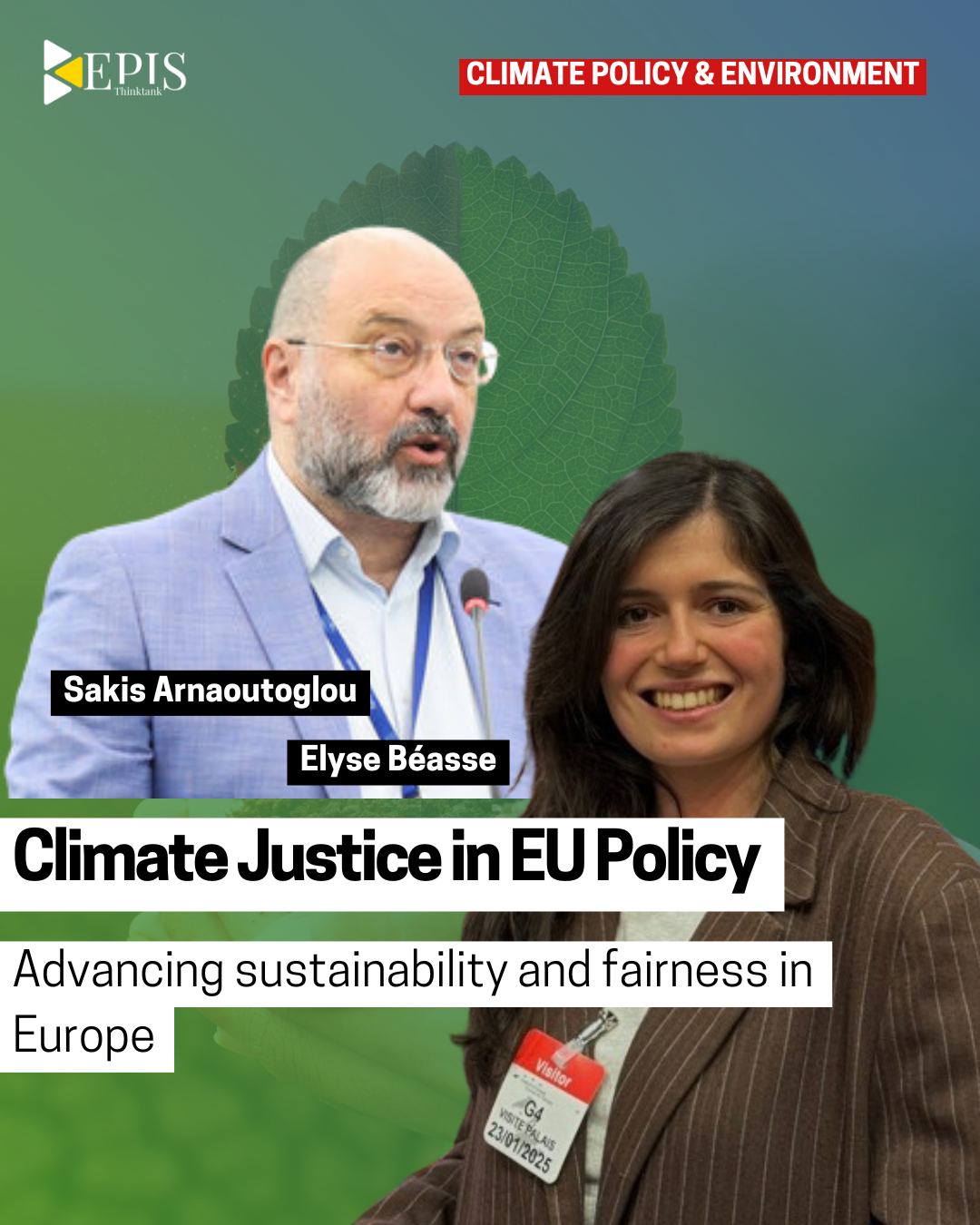
Climate Justice in EU Policy
How can the EU achieve climate goals while ensuring social equity? Climate action must be both environmentally ambitious and socially just. Stronger cooperation, fair funding, and marine protection are essential pillars.
-
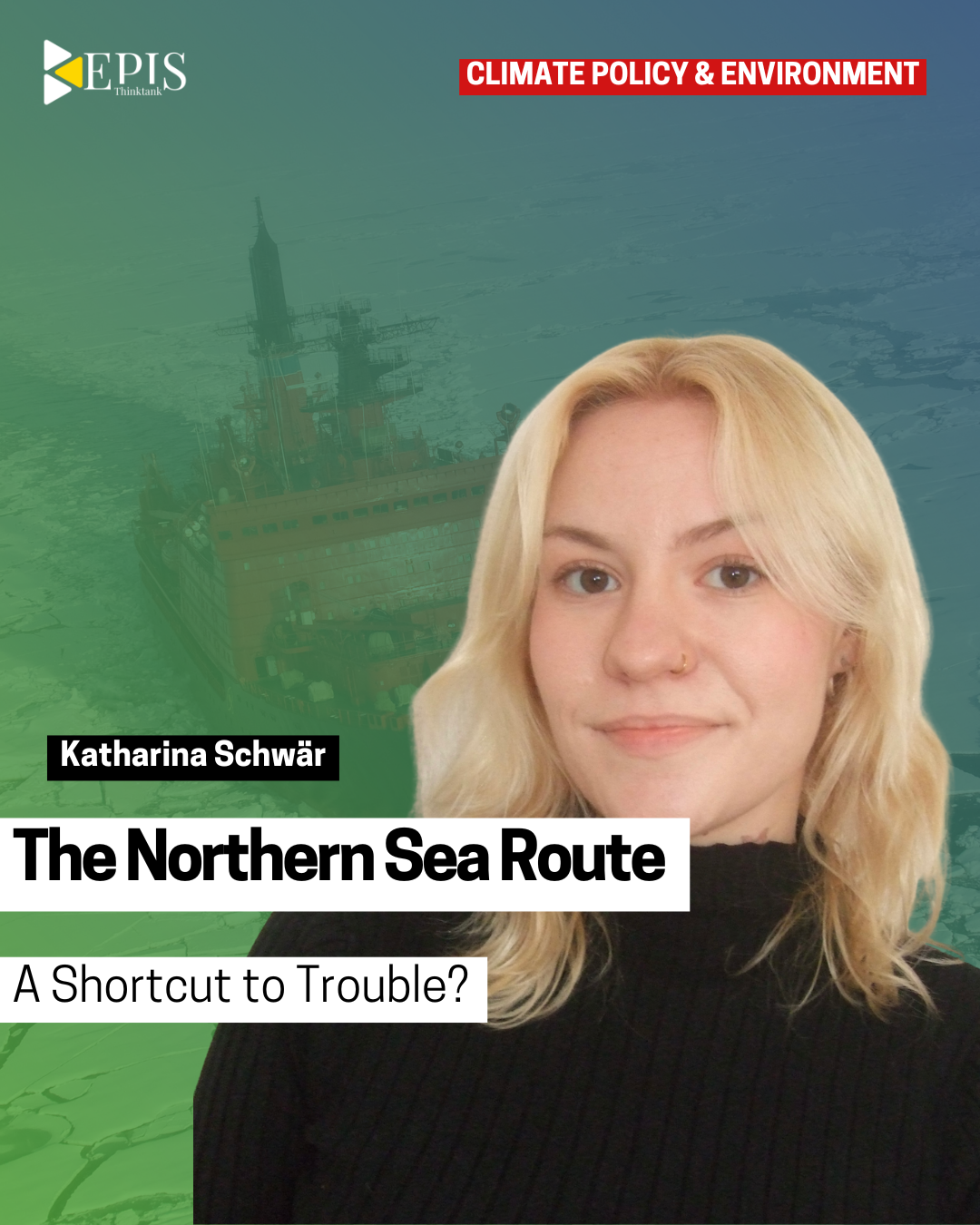
The Northern Sea Route
Is the Northern Sea Route a strategic asset or a climate risk? While the NSR offers economic and geopolitical benefits to Russia and China, it is driven by environmental degradation, undermines multilateral governance, and reinforces fossil fuel reliance. The NSR is not a neutral development—it risks deepening global divisions and worsening the climate crisis.
-
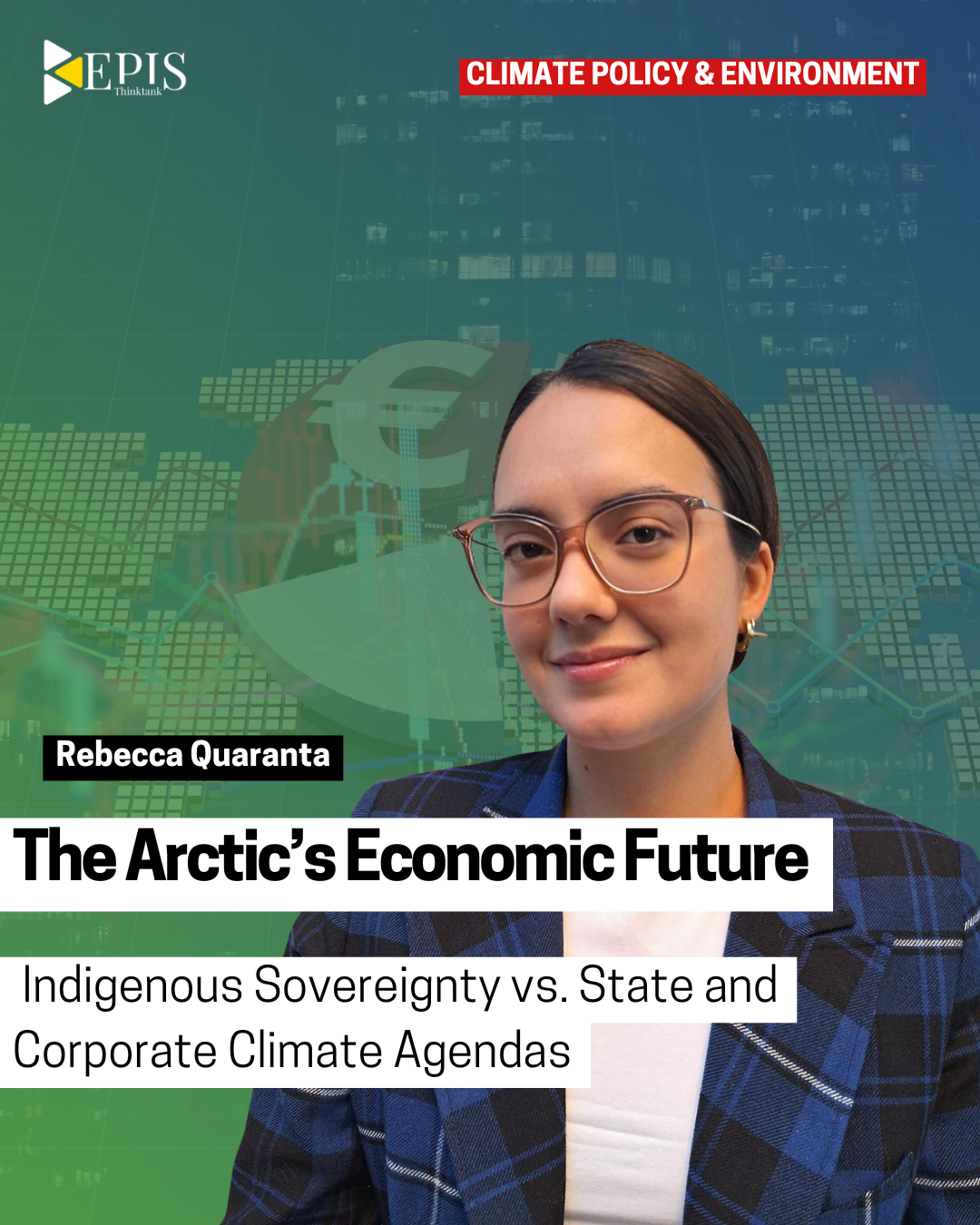
The Arctic’s Economic Future
Can the Arctic become a new economic frontier without sacrificing Indigenous rights and ecosystems? While economic interest in a thawing Arctic grows, Indigenous sovereignty and environmental stability remain under threat. Sustainable development in the Arctic must center Indigenous voices and protect fragile ecosystems from extractive ambitions.
-
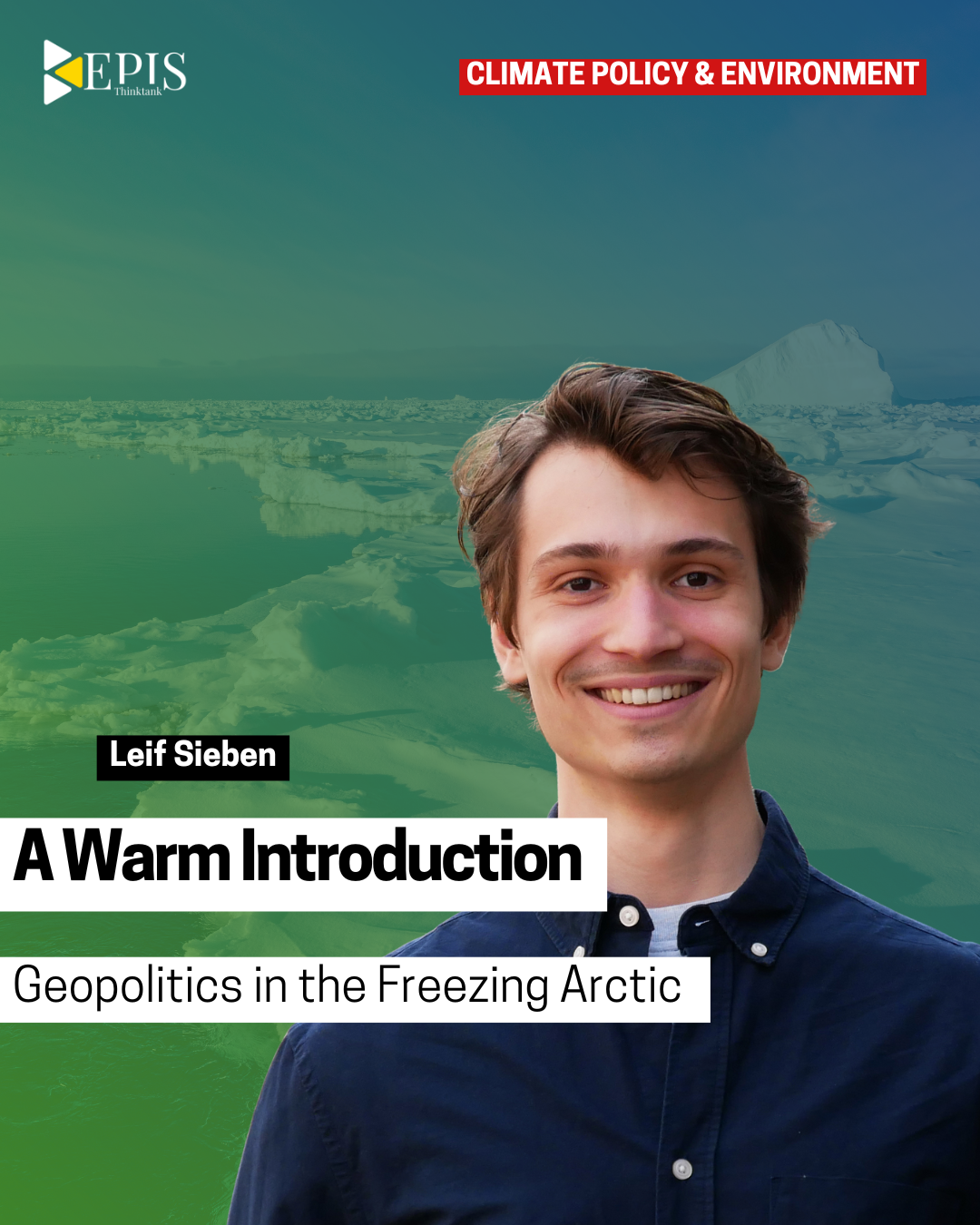
A Warm Introduction
How is a thawing Arctic reshaping global geopolitics? Climate change is unlocking new strategic and economic opportunities in the Arctic, intensifying great power competition among NATO, Russia, and China. Without stronger international cooperation, the Arctic risks becoming a militarized zone of rivalry rather than peaceful development.
-
The Concept of Environmental Security
– What are the main merits and pitfalls of treating climante change as a security issue? – As stated by the Copenhagen School’s theory of securitisation, while securitizing climate change may bring urgency, it also risks undemocratic responses. Conversely, the environmental conflict theory claims that there is a link between environmental scarcity and conflict -Environmental…
-
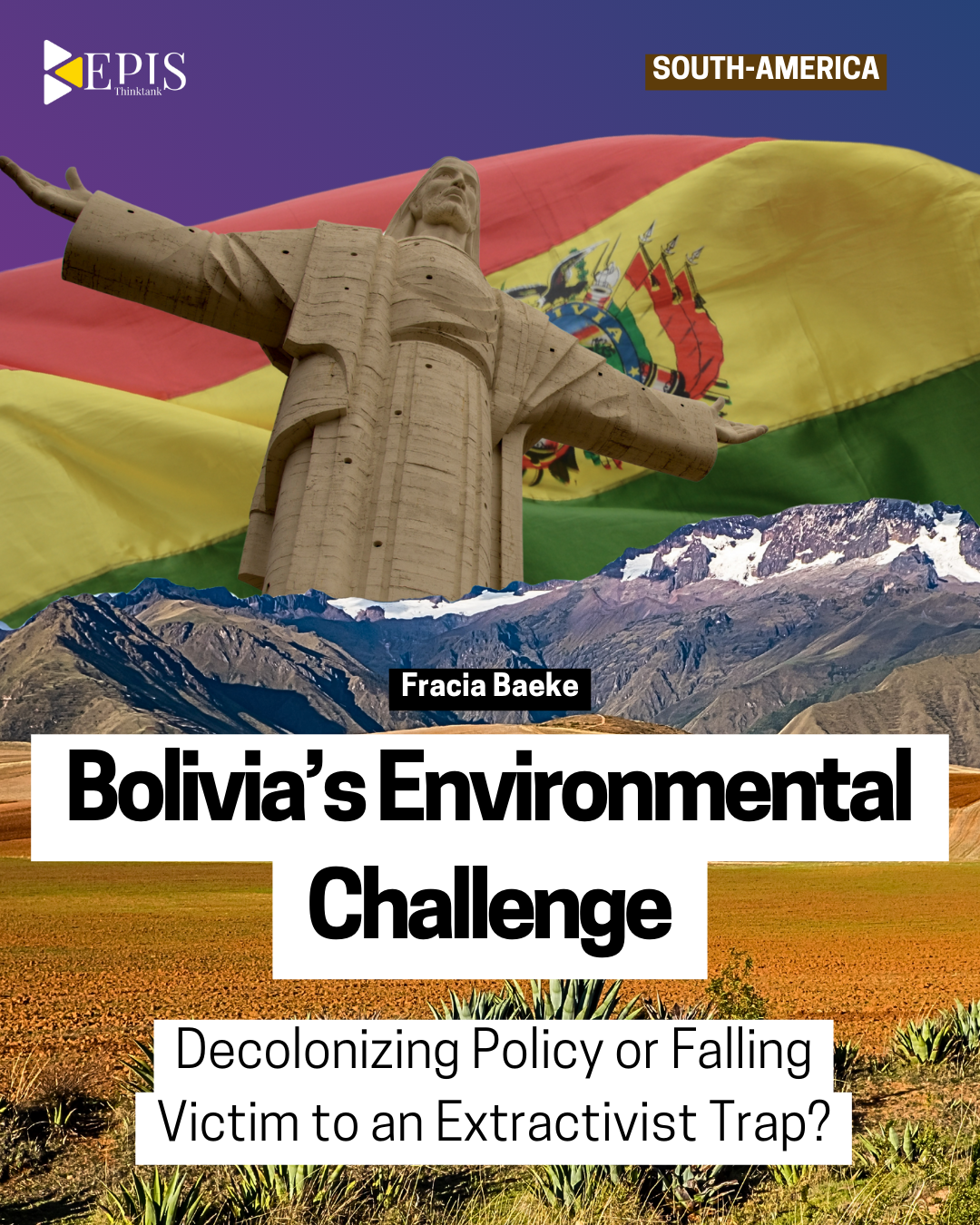
Bolivia’s Environmental Challenge
– Will it ever be possible for Bolivia to promote an environmental-forward political agenda while reproducing the structures of a neoliberal-capitalisit world system? – Indigenous principles and worldviews prioritising harmony with nature were centered in Morales’ political agenda, proving to be contradictory with the historical extractive model which reinforced dependency on this economic model to…