Category: Climate Policy & Environment
-
Drones as a Two-Edged Sword in Disaster Management
What role do Drones play in India’s Disaster Management and why could this be considered problematic? The same data-gathering capabilities that make drones such an effective tool in disaster management also pose significant privacy and security risks. The challenge lies not in rejecting new technologies but in learning to use them responsibly.
-
Climate COP Heading Towards Challenged Cooperation
In light of the credibility problem of #COP29 in Azerbaijan, our fellow Vincent Sipeer examines whether a new legitimacy crisis under the UN Framework Convention on Climate Change is starting to develop. Faced with strained cooperation, low recognition and calls for more inclusive instruments, revitalising global collaboration is key to preventing COPs from losing legitimacy.
-
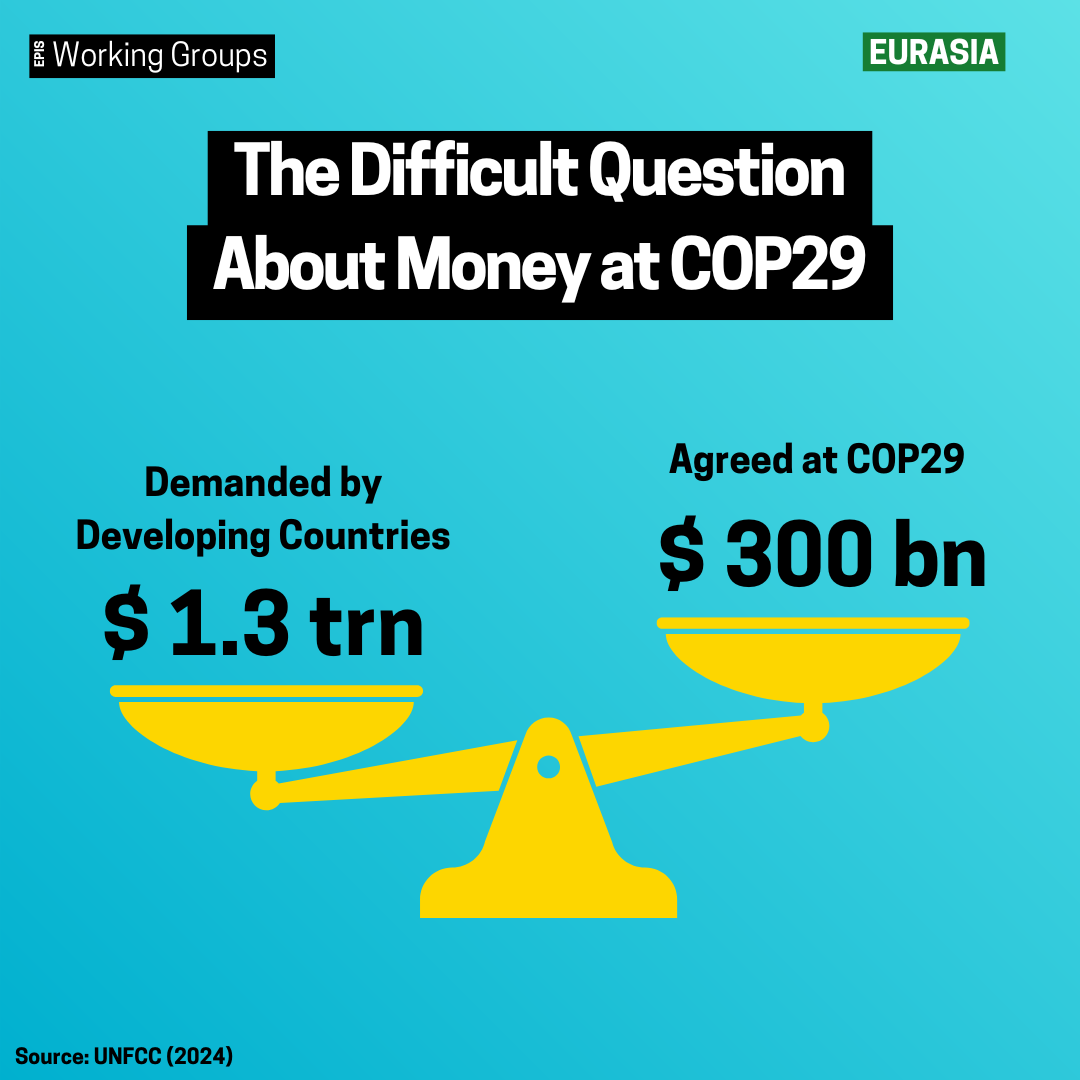
The Difficult Question About Money at COP29
1. What is the current state of international climate negotiations? 2. The increasing tensions between western states and other actors, such as Russia, China and the Oil States, make climate negotations more and more difficult. It becomes more and more unlikely that states will be able to agree on substantial future achievements at COP negotiations.
-
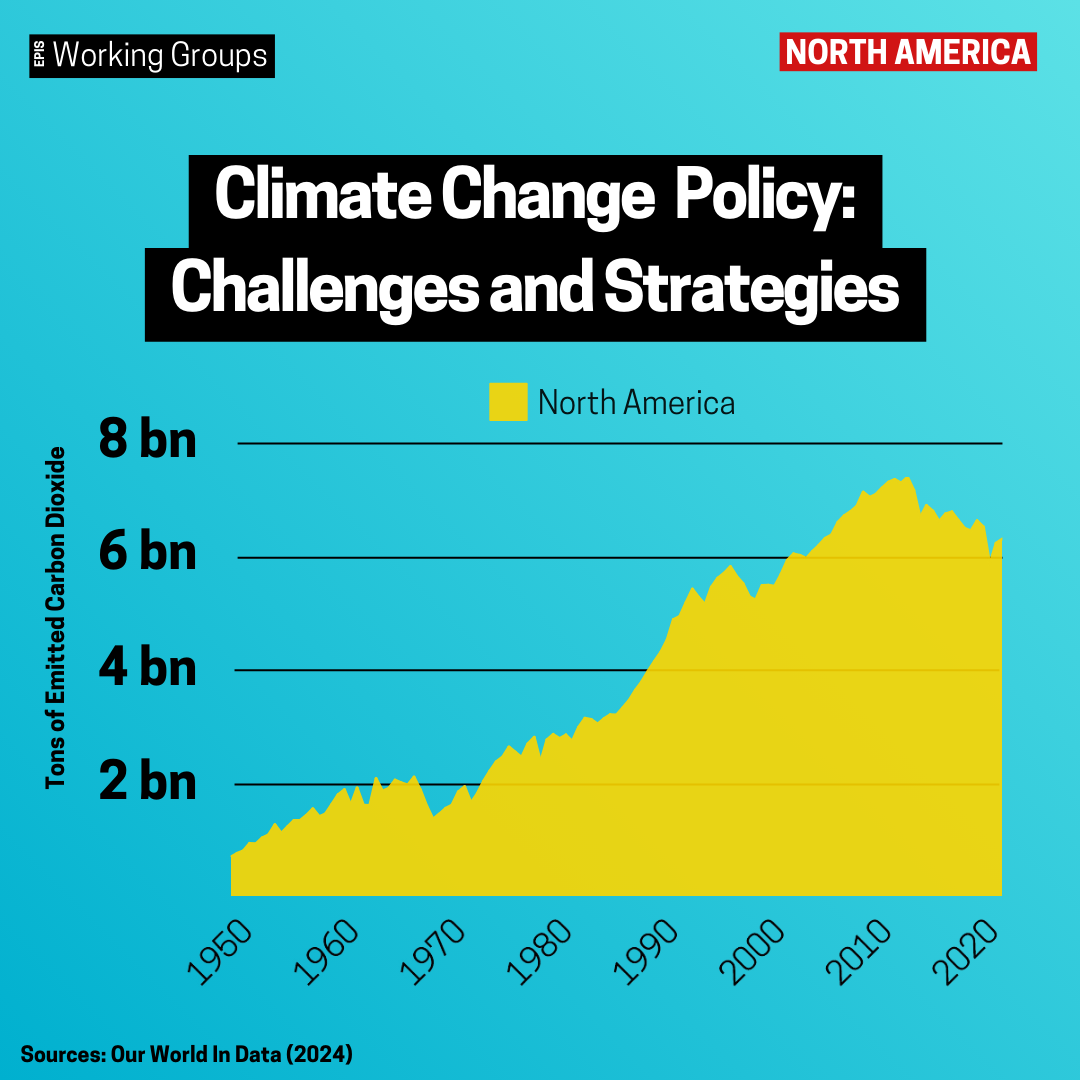
Climate Change and Energy Policy in North America
North America faces climate challenges but aims for net-zero emissions via diverse strategies in the U.S., Canada, and Mexico.
-
From Combat Zones to Climate Zones
International cooperation is vital for establishing and enforcing military capabilities to protect against global climate threats.
-

Flowing Into Uncertainty
Is water security in Asia at a tipping point? Highlighting hydrological, socio-economic, and climate change factors, the article examines water scarcity’s impact on geopolitical stability in Asia, using case studies from India, Pakistan, and China. Emphasis is placed on sustainable water management and the need for cooperative agreements to mitigate conflict and ensure future water…
-
Geopolitics and the World’s Ecosystem
Geopolitics should encompass human impact on ecosystems, enabling more effective environmental protection.
-
Road to COP28
The upcoming COP28 Conference in Dubai should be watched closely as it could provide new directions for a more climate-friendly future.
-

Natural Resources
A recurring theme when it comes to natural resources is their perception as a curse or blessing for the countries that possess them. While some scholars argue that the discovery of natural resources is one of the key drivers of corruption and the weakening of democratic institutions, others even claim them as a prerequisite for…
-

Powering Ahead
Hydrogen may be the champagne of the energy transition. The text analyses development of hydrogen economy and its impact on EU and international relations.