Tag: Terrorism Prevention & Response
-

The Empathy Deficit
Stefan Noël Hageman asks whether military power can succeed without understanding how adversaries and civilians perceive violence. He argues that recent US and Israeli campaigns failed because they disregarded empathy as a strategic skill, strengthening resistance instead of weakening it. He concludes that long-term stability depends not only on force, but on perspective-taking and understanding…
-
What is Nihilistic Violent Extremism?
-What is NVE? How is it linked to terrorism, and how can it be countered? NVE is a form of violence driven not by ideology but by hatred toward society and misanthropic worldviews. Often targeting minors, some groups or subgroups may engage in terrorism. Responses to NVE include youth education and reporting encouragement or global…
-

Hostage Diplomacy
Why are foreign nationals increasingly used as leverage rather than prosecuted? This article argues that hostage diplomacy persists because it yields strategic gains, making human vulnerability a recurring tool of negotiation in an increasingly fragmented international system.
-
The Crisis in Cabo Delgado: Why Mozambique Matters
A forgotten humanitarian crisis with deepening roots Rwanda’s intervention is strategically self-serving, not purely altruistic A new, fragmented security order is emerging in Africa
-
Jihadist expansion across borderlands in the Sahel
JNIM and ISSP are expanding into coastal West Africa to control illicit trade. Regional stability now depends on the new AES Unified Force’s ability to integrate operations with local security and overcome tensions to coordinate regionally.
-

Haiti’s Endless Crisis
-Haiti’s complex security crisis has worsened since 2024. -Evolving battlefield dynamics threaten greater gang control and violence. -Political externalities endanger Haiti’s economy and political legitimacy.
-
ISIS 2.0
This brief addresses which counter-terrorism adaptations are necessary for European Union policymakers to address threats from ISIS 2.0, which has transitioned to a digital front, revealing gaps in the EU’s existing response. Recommendations include enhanced collaboration among Member States, improved protection against terrorism financing, and the implementation of cognitive defence strategies.
-

Islamism Reloaded?
1. Main Question: What is the current state of Islamist extremism and how effectively are intelligence and security agencies in Germany addressing it? 2. Argument: Effective counterterrorism depends on close cooperation among intelligence agencies, ethical oversight, and an understanding of digital radicalization. 3. Conclusion: Transparent dialogue and interdisciplinary collaboration are vital to addressing security challenges…
-
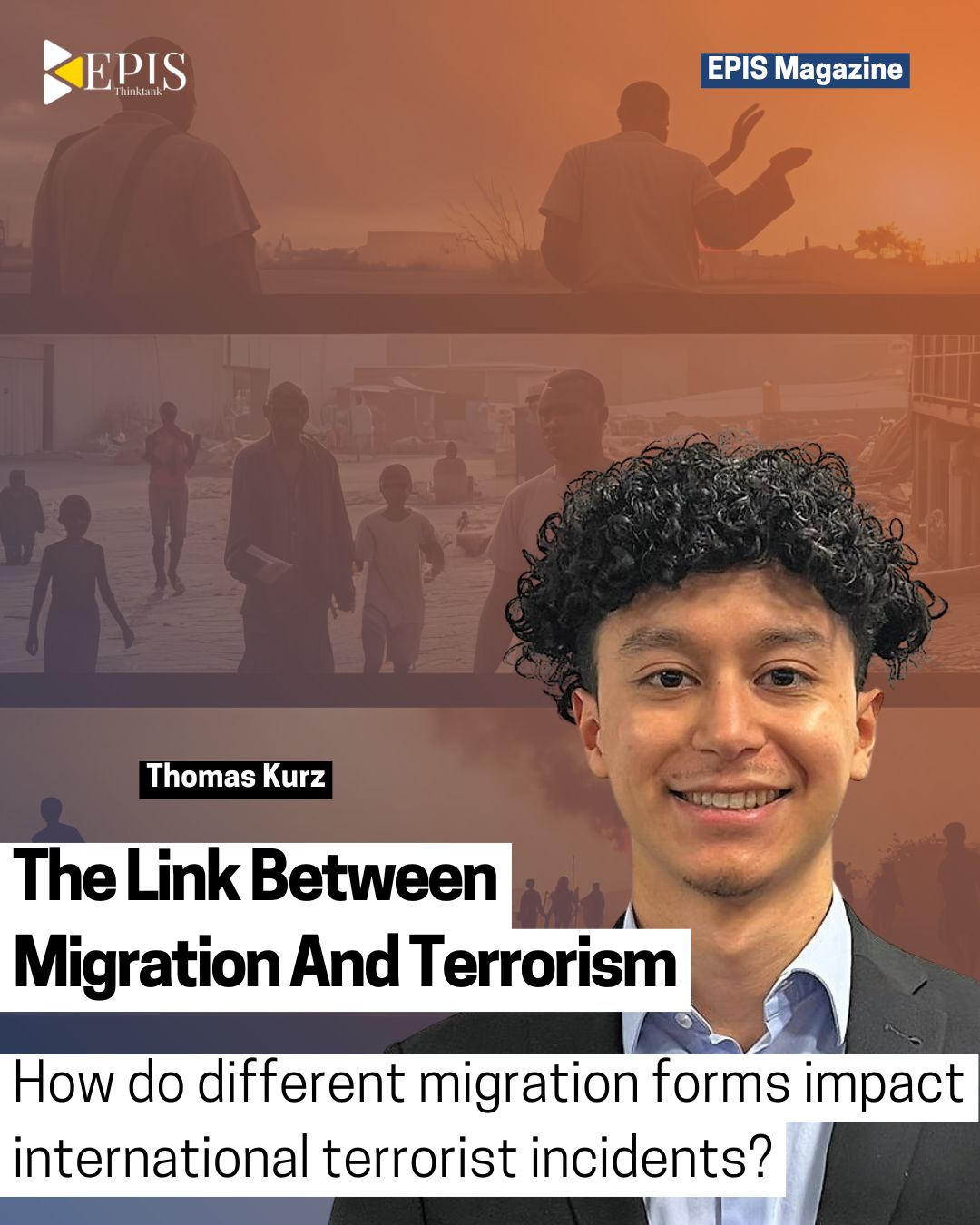
The Link Between Migration And Terrorism
Main question: How do different forms of migration impact international terrorist incidents? Argument: Humanitarian migration, due to socio-economic vulnerabilities and integration challenges, is more linked to increased terrorism risk than non-humanitarian migration, which tends to reduce it. Conclusion: While humanitarian migration shows a small positive correlation with terrorism, its overall impact is minimal.
-
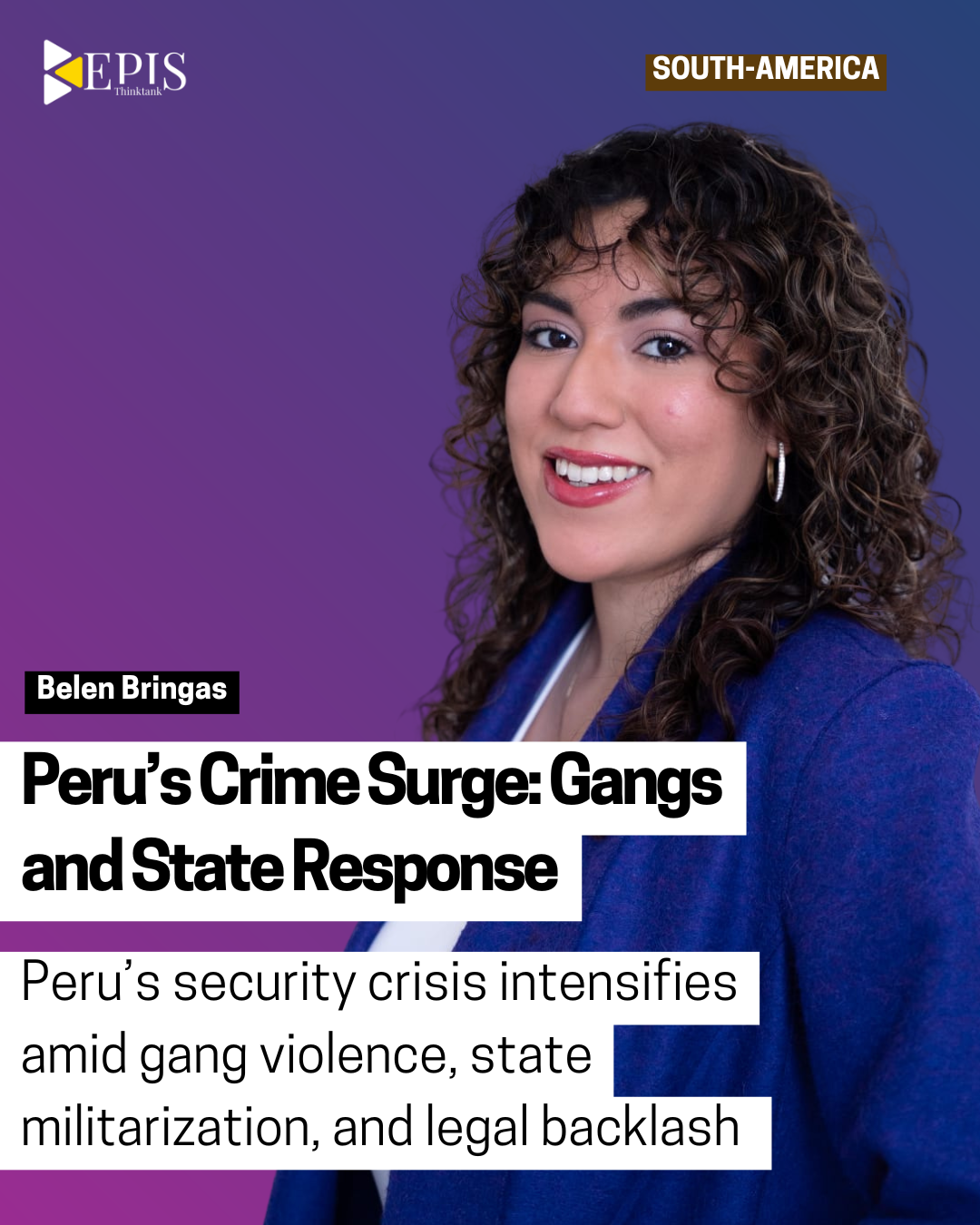
Peru’s Crime Surge: Gangs and State Response
Main question: How is Peru addressing the rise in organized crime? Argument: The government’s militarized response and harsher laws for minors fail to tackle root causes like corruption, drug trafficking, and illegal mining. Conclusion: Without structural reforms and prevention programs, Peru’s current approach risks worsening insecurity rather than solving it.