Tag: Military Alliances
-
The EU’s Role as a Security Actor and its Impact on its Identity
As global security threats rise, the EU is at a crossroads between upholding its liberal roots or embracing defence.
-
The Time has Come to “Europeanise” NATO
The relationship between the United States (US) and the North Atlantic Treaty Organisation (NATO) is often fantasised about by Europeans, who are quick to confound US defence with NATO. However, we should consider NATO in the same way as the Americans – a European regional organisation in which the United States participate.
-

The European Army
The European Army regularly appears in European defence discourse as a solution that would solve the troubles that the EU has had in it´s defence sector. This article aims to discuss the challenges that a European army would create and aims to answer the question if the idea of a European Army would be able…
-
5 Reasons Why Mark Rutte is Not the Right One to Lead NATO
NATO cannot afford to be run by a political leader who is not sufficiently experienced in shaping international security policy.
-
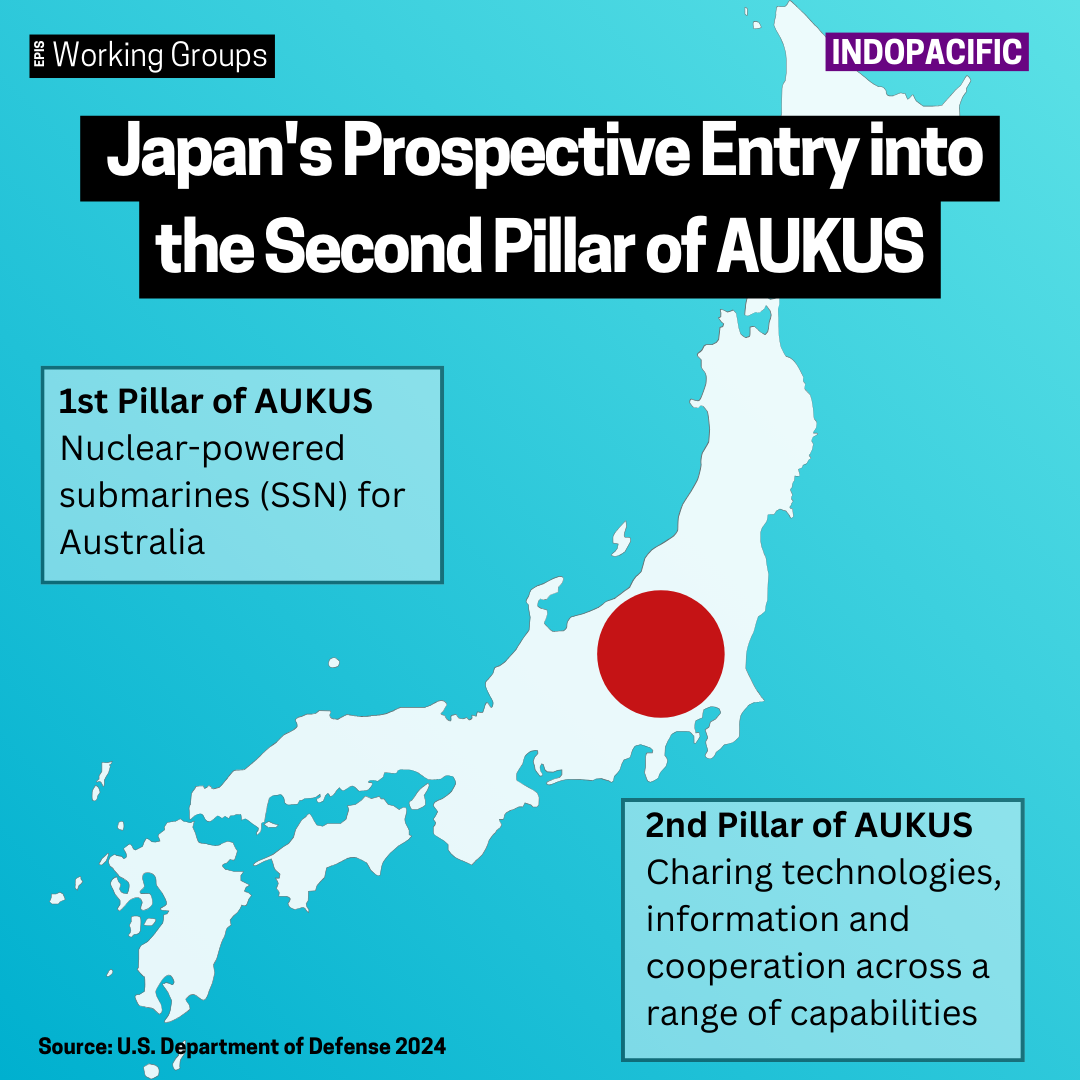
The Significance of the Japan-US Alliance amid the Evolving World Order
The USA-Japan alliance aims to balance China’s power and address the Russia-Ukraine war, ensuring peace and security in the Indo-Pacific and beyond.
-
Flying the Flag
The EU’s role in Indo-Pacific security is evolving, marked by updated strategies and increased naval engagement to address emerging threats.
-
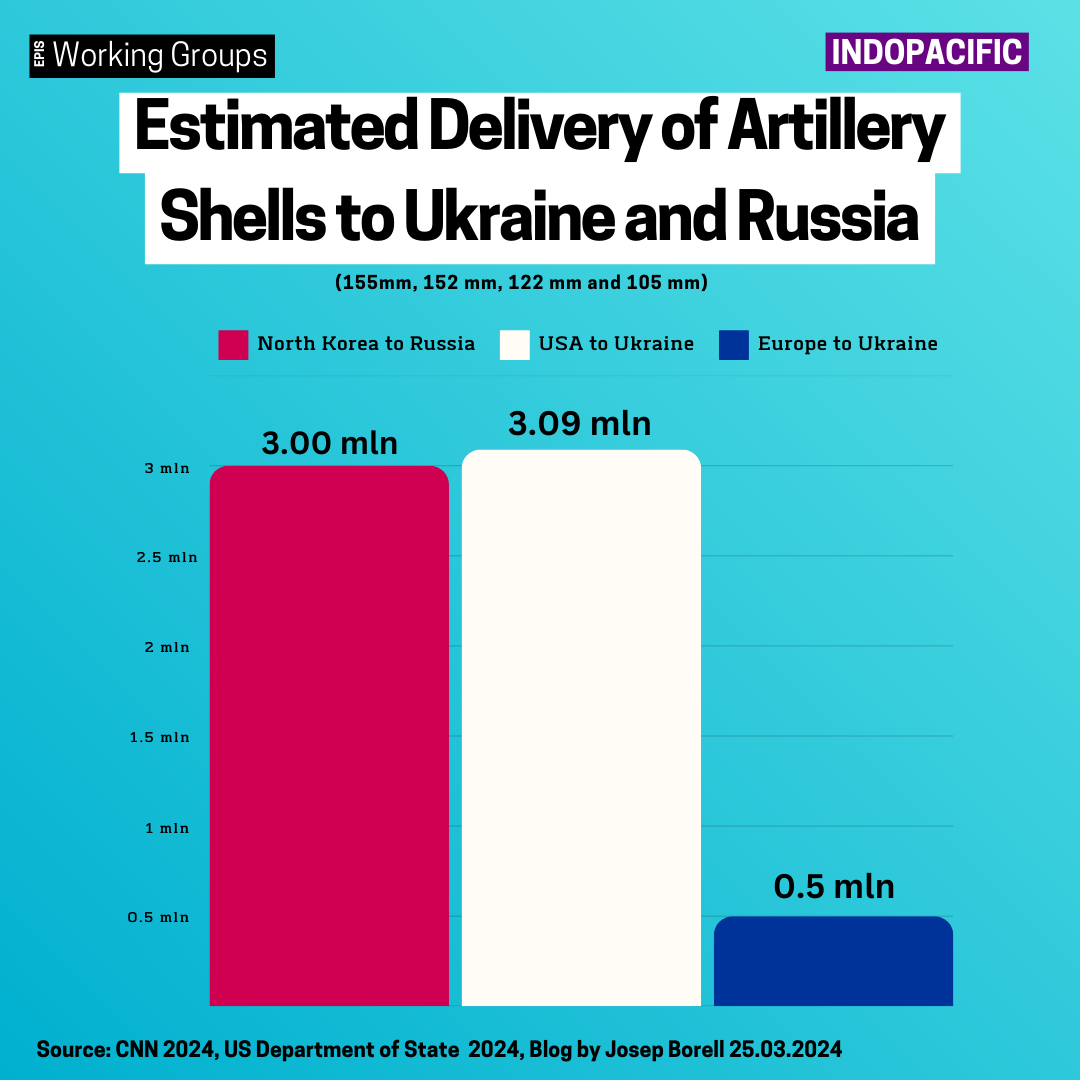
North Korea
North Korea, driven by historic ties and strategic interests, increases support for Russia’s war in Ukraine.
-
Arctic Matryoshka
Russia’s revival of the “bastion defence” concept in the Arctic raises challenges to NATO.
-

European Union of Defence
The EPP proposes a dedicated Defense Minister for the EU, facing challenges of defence spending and divergent threat perceptions.
-
Armament Supply For Ukraine
Whether Ukraine is supported by arms deliveries or whether this only prolongs a devastating war is a difficult question. Diplomacy does not seem to be able to provide an answer to this. Diplomatic channels – also in connection with arms policy – are essential for Europe and the world.