Tag: International Agreements
-
Policy Paper: The Cost of Unpredictability
Main question: how can policymakers address and navigate current geopolitical situation? Argument: Due to the absence of a central authority in the international system, states must rely on self-help. Conclusion: Policymakers should therefore adopt a hedging strategy by diversifying sector-specific partnerships in critical domains such as energy security, supply chains, and digital infrastructure, as heavy…
-

EU Accession Process and the Barrier of Corruption
Ukraine’s accession highlights the question of whether alignment with EU law actually leads to real improvement in enforcement in practice. Even though Ukraine shows significant reform progress, systemic corruption exposes a gap between formal compliance and implementation. Bulgaria urges the EU to create outcome-based indicators beyond simple legislative compliance, further demonstrating that this gap continues…
-
From Apollo to Artemis:
Q: Does the shift from the state-led Apollo program to the Artemis program represent a decline in U.S. state capacity or a strategic adaptation? A: While Apollo demonstrated state-led mobilization, Artemis exercises capacity through market-shaping, coordinating private innovation, and managing interdependencies. Conclusion: This shift reveals a reconfiguration of state capacity, proving that modern power is…
-

Jihadist expansion across borderlands in the Sahel
JNIM and ISSP are expanding into coastal West Africa to control illicit trade. Regional stability now depends on the new AES Unified Force’s ability to integrate operations with local security and overcome tensions to coordinate regionally.
-

The EU’s Next Multiannual Financial Framework
– Competitiveness in the next MFF – Spaceshield and new Space capabilities – The defense-industrial dimension of DG DEFIS
-
Ukraine and the Limits of International Justice
Main question: Can international law truly hold Russia accountable for aggression in Ukraine? Argument: Ukraine has pushed accountability forward through the ICJ, ICC, the Register of Damage, and a Special Tribunal, but each mechanism faces limits of jurisdiction, immunity, and enforcement. Conclusion: The war shows both the strength and the weakness of international justice: it…
-
From Orbits to Ecosystems
How should Europe govern space as it shifts from a technical domain to a strategic ecosystem central to security, economy and governance? Space has become an interconnected, contested ecosystem shaped by geopolitics, markets and governance gaps, where Europe risks dependency due to fragmentation, underinvestment and weak foresight. Strategic foresight is essential for moving from reactive…
-

Reclaiming the State in Michoacán
The assassination of Uruapan Mayor highlighted deep-rooted organized crime and weak local policing in Michoacán. The newly proposed Michoacán Plan combines security, justice, economic, and youth programs to restore state authority and tackle systemic criminal influence. The success of the plan is yet to be seen, and the evolvement of the U.S.–Mexico security cooperation.
-
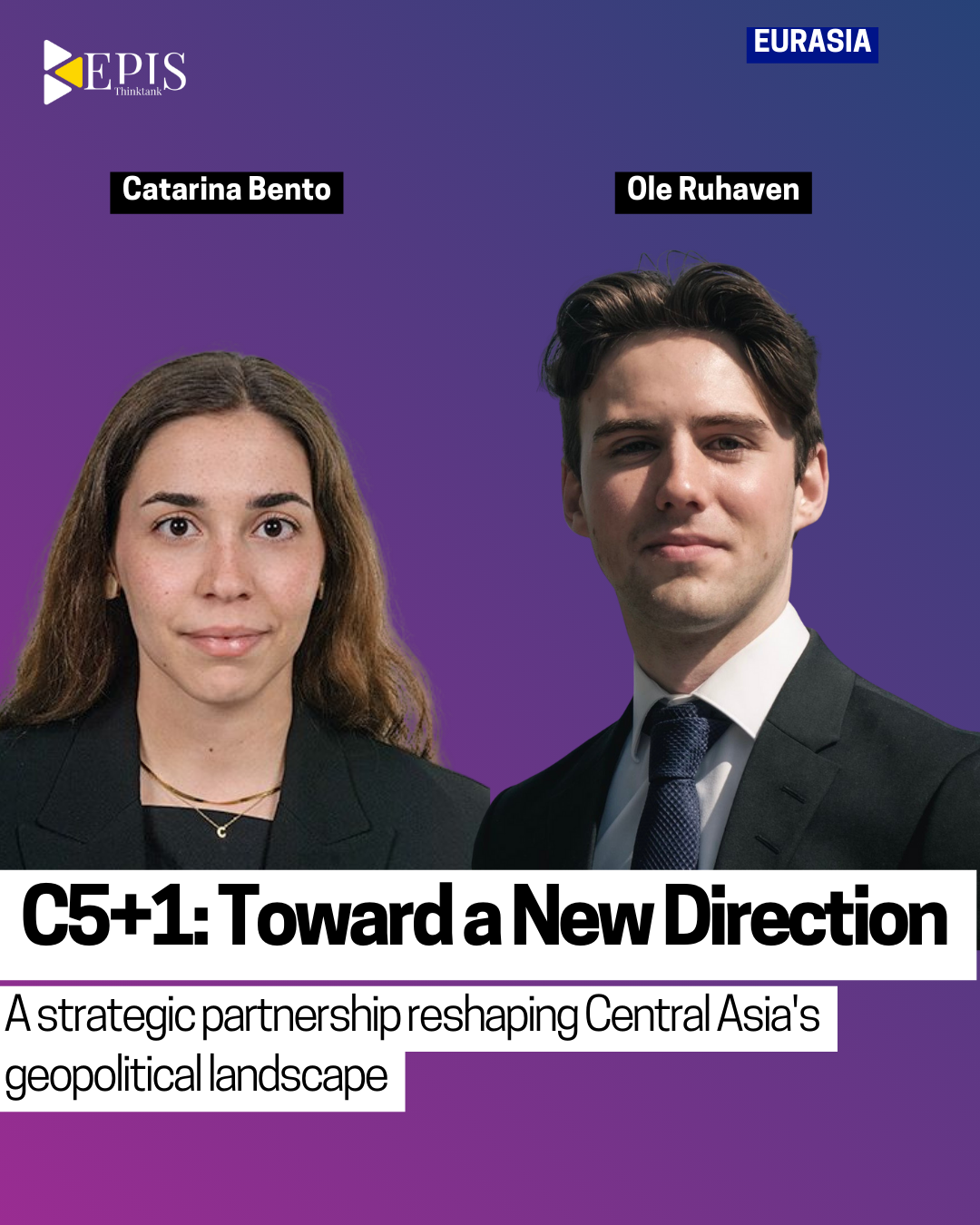
C5+1: Toward a New Direction
– How is the U.S. leveraging the C5+1 to counter Russia and China’s dominance in Central Asia? – This year’s C5+1 Summit elevated U.S. – Central Asia relations, with Washington advancing concrete economic initiatives to strengthen its position in a region long dominated by Moscow and Beijing. – C5+1’s future depends on the U.S. delivering…
-
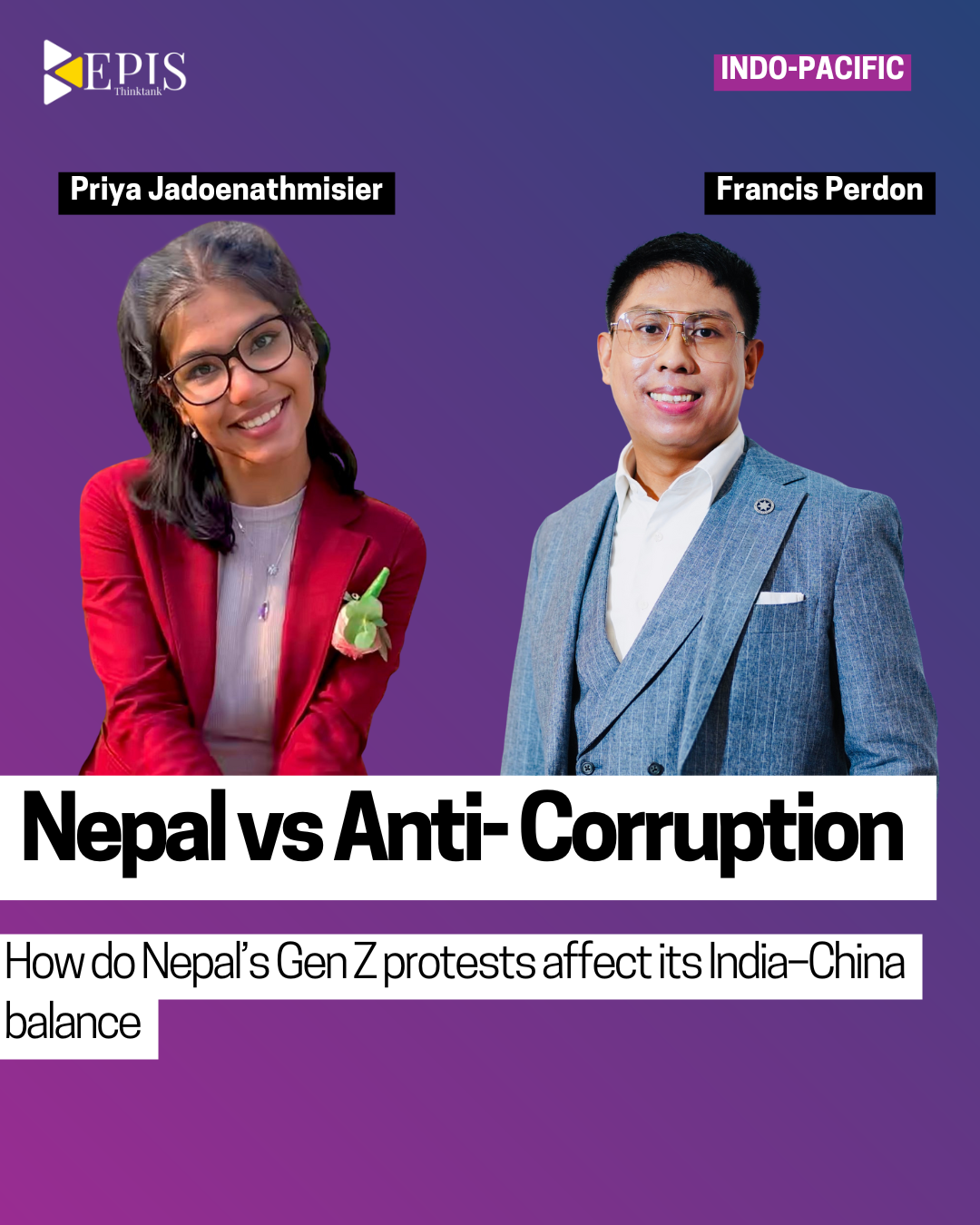
Nepal vs Anti- Corruption
Gen-Z anti-corruption protests and Oli’s fall disrupted Nepal’s China-leaning tilt, creating uncertainty for BRI and opening space for India to re-engage ahead of 2026. Nepal’s political reset will shape India–China competition in the Himalayas, with governance stability, not military alignment, deciding future influence in South Asia.