Tag: Alliance Building
-

Hybrid Security Regimes in Practice
Hybrid security regimes are deliberate political strategies that expand state influence through flexible, state-aligned networks rather than relying solely on formal institutions.
-

What Post-Brexit Britain Can Learn From the Past
Britain’s strategy has long relied on alliances, balancing Europe, and deterring Russia. Today, sustaining that approach requires adapting to new global realities and rebuilding domestic strength.
-
One partnership – Three trajectories?
Main question: Why were the protests in Moldova (2009) and Ukraine (2014) successful, while they were suppressed in Belarus (2020)?
-
Redistributing Influence
How has the war in Ukraine transformed Russia’s influence on the Korean Peninsula? The article argues that Russia is redistributing its influence toward politically aligned and anti-Western states. The shift from South Korea to North Korea reflects a broader Eurasian realignment. The paper concludes that Moscow is strengthening ties with states such as North Korea,…
-
The Mutual Industrial Resilience Program
How can the EU overcome structural vulnerabilities while reforming its slow, politically driven enlargement? The EU must deploy the €30B Industrial Resilience Facility and an EIB-backed 70% political risk insurance mechanism to embed candidates into European energy, technology, and manufacturing value chains. Enlargement must evolve into a mutual security strategy; by tying candidate stability directly…
-

Bridging Euro-Atlantic and Indo-Pacific Security
RQ: With security theatres merging, can NATO and the IP4 build a structured partnership? Arg: Integration offers key benefits for supply chains, maritime security, intelligence, and deterrence. Conc: Waning trust in US leadership makes institutionalising these ties urgent.
-

Hungary After Orbán
Did U.S. support influence Hungary’s 2026 election outcome? U.S. backing of Orbán added symbolic pressure and may have weakened his sovereignty narrative, but domestic factors (economic issues, corruption concerns, and voter fatigue) were decisive. Thus, the election reflects the limits of U.S. influence and shows a shift toward pragmatic, institution-based engagement over leader-focused alliances.
-
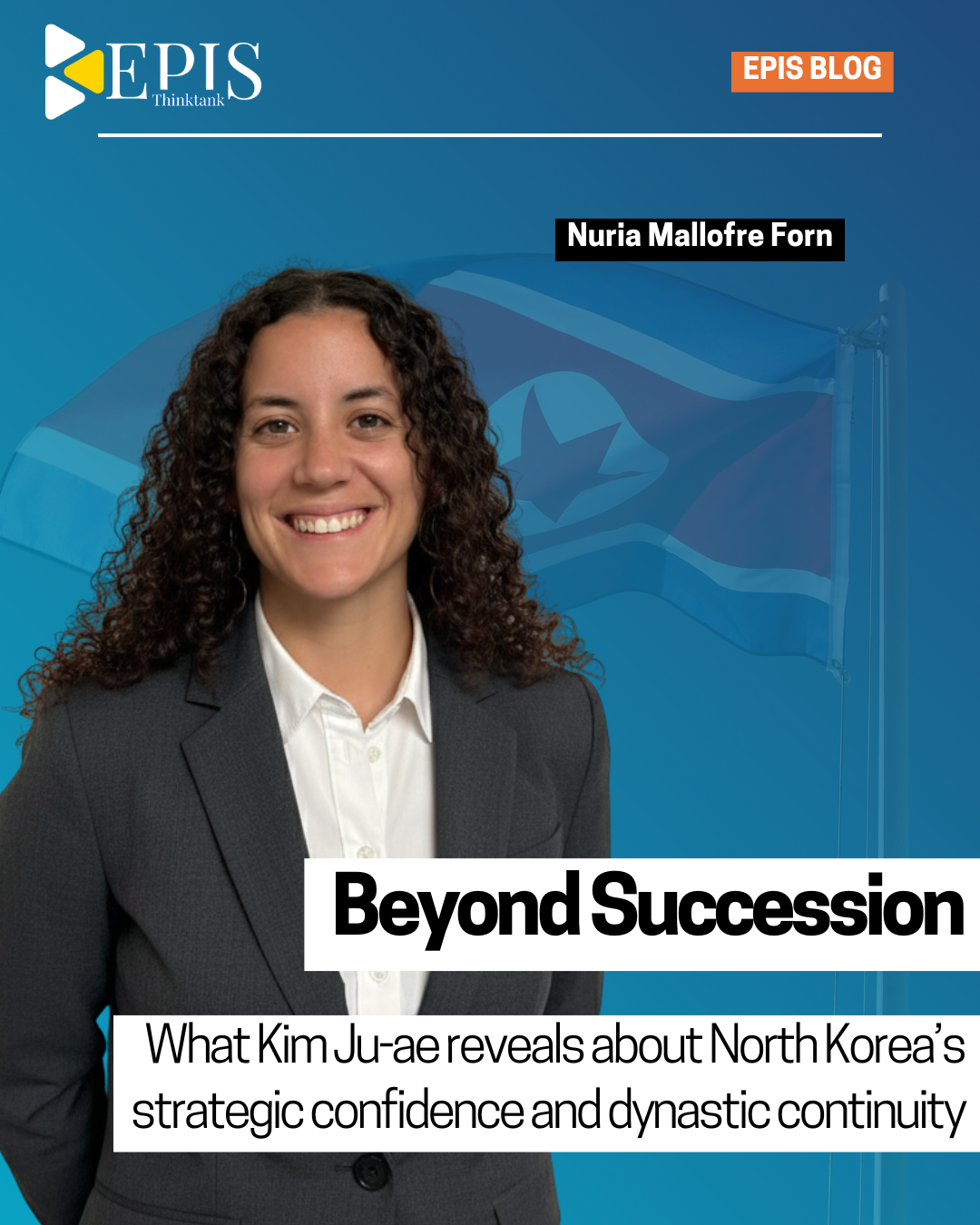
Beyond Succession
Main question: Do Kim Ju-ae’s appearances signal succession, or something broader about regime strategy? Argument: Her visibility is less about naming a successor than projecting dynastic continuity, strategic confidence, and strengthened legitimacy amid growing military power and ties with Russia/China. Conclusion: This signals a more self-assured North Korea, potentially reducing incentives for diplomatic engagement.
-

The Gulf Cooperation Council Explained
Main question: Why do Gulf states cooperate within the GCC despite internal rivalries and regional instability? Argument: The GCC functions as a framework for security coordination, economic integration, and regime survival, driven by shared threats rather than deep unity. Conclusion: The GCC shows that regional cooperation can persist even with limited integration, but remains constrained…
-
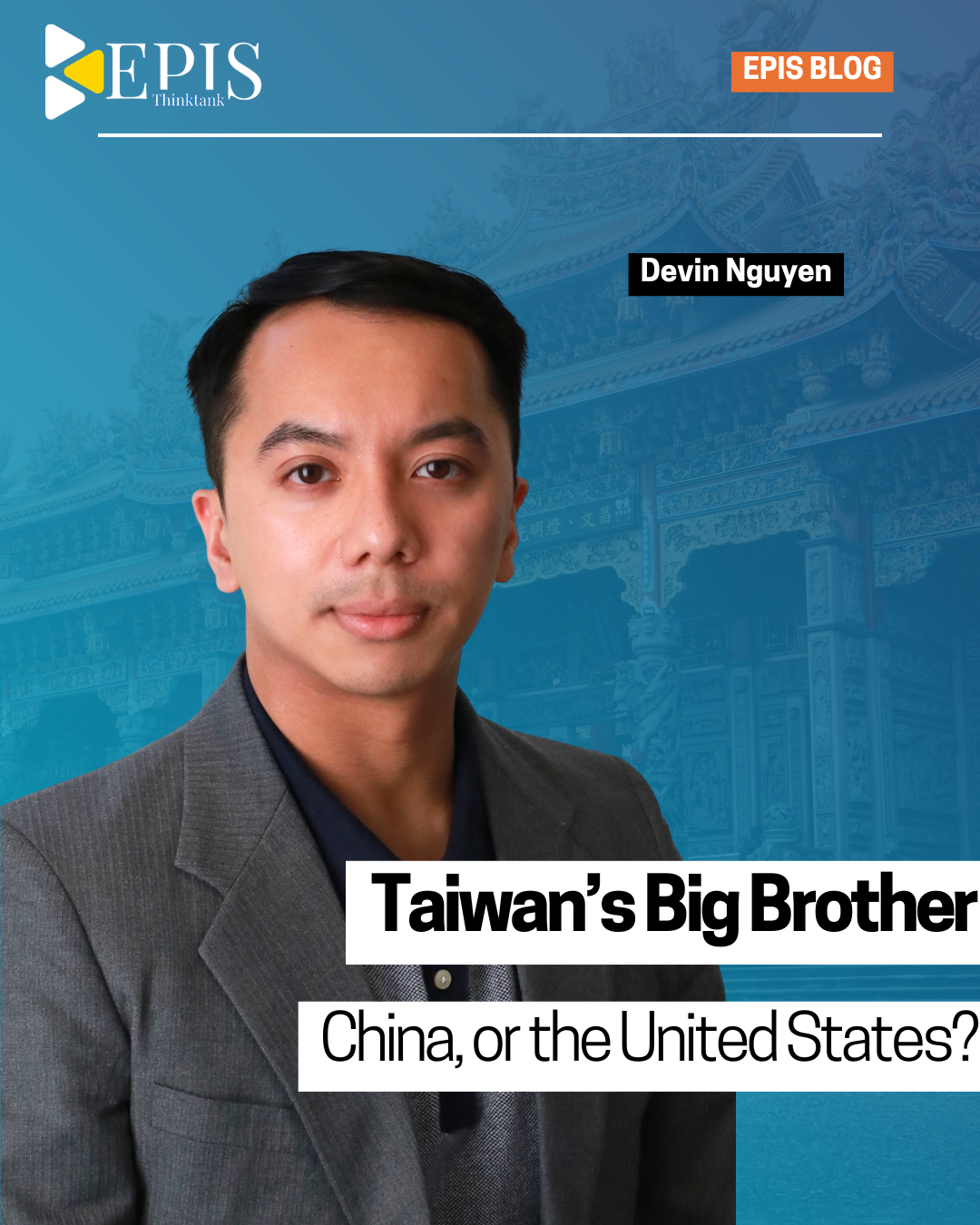
Taiwan’s Big Brother
Main question: Does Taiwan prefer partnership with the U.S. or China? Argument: Shifting opinions and geopolitics in East Asia affect Taiwan’s confidence and trust with the U.S. Conclusion: Taiwan still prefers U.S. partnership due to their decades’ long relationship.