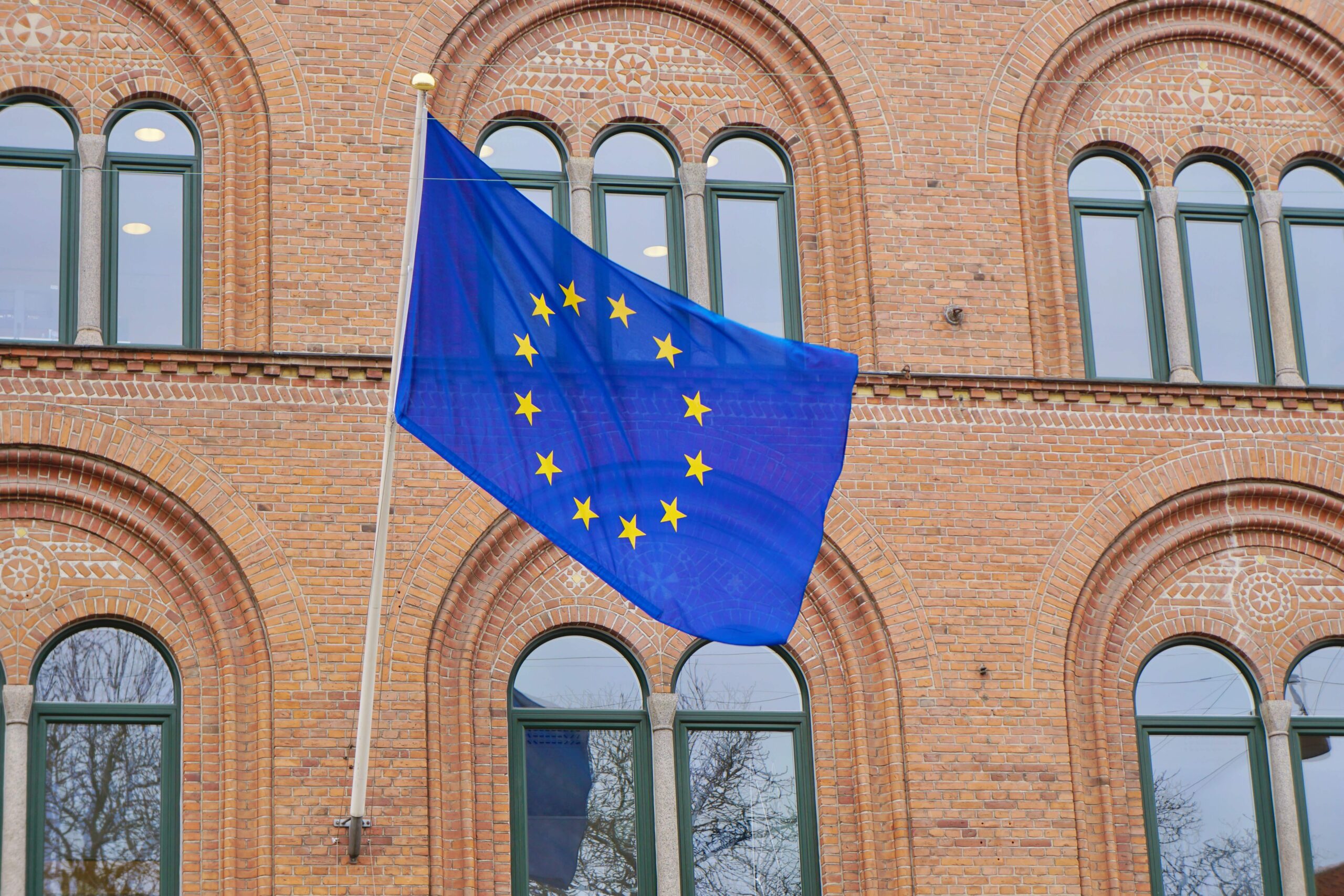
Since 2022, the European Union has imposed twenty packages of sanctions against Russia, which depicts the largest number of restrictive measures in EU history that have ever been made. More than 2,700 individuals and entities have been listed, and over €28 billion in private assets have been frozen across the Union. These figures alone signal the scale of the EU’s response to Russia’s war of aggression against Ukraine. But scale is not the same as effectiveness, and that distinction is the subject of this analysis.
What the sanctions cover
The measures span several domains, as set out by the Council of the European Union. In the financial sector, Russian banks have been excluded from SWIFT, the international payments messaging network. In energy, the EU introduced a seaborne oil embargo and a ban on coal imports. In technology and dual-use goods, exports of semiconductors, drone technology and military-relevant industrial equipment have been restricted. Individual measures for example travel bans and asset freezes target oligarchs, politicians and propagandists. Additional packages address Russia’s shadow fleet and its propaganda and media apparatus. Taken together, this is the most comprehensive sanctions architecture the EU has ever assembled against a single state.
The Russian economy under sanctions
The macroeconomic picture has shifted markedly. Russian GDP growth slowed to roughly 1.0% in 2025, down sharply from 4.9% growth in 2024, which is a deceleration confirmed by Rosstat data, as Reuters reported on 1 June 2026. Inflation stood at around 10% against a key interest rate of 21% in 2025, according to the Bank of Russia’s monetary policy decision of 25 April 2025. The short-term shock in 2022, the rouble’s collapse and capital flight, was only stabilised through emergency measures by the central bank, as documented by the Bank of Russia and IMF country reports.
Growth in 2023 and 2024 was substantially carried by state spending and arms production, which means in other words, by the wartime economy itself, as SWP Berlin noted in its analysis “The Russian Economy at a Turning Point.” That model is now showing its limits: labour shortages, high financing costs and falling investment are increasingly constraining growth, as Reuters reported on 1 June 2026, with a further warning from VTB about stagnation risks despite investment inflows covered by Reuters on 4 June 2026. Russian oil and gas revenues have declined significantly. In 2025 they stood at times around €585 million per day, according to the Centre for Research on Energy and Clean Air in its April 2025 analysis. The fiscal burden is rising in parallel: Russia’s federal budget deficit reached 2.6% of GDP in 2025, driven in part by falling energy revenues, as Reuters reported on 19 January 2026.
Systematic evasion on multiple levels
None of this means the sanctions regime is secure against circumvention. Third countries often function as evasion channels. Some known examples are China, Turkey, Kazakhstan and Armenia, which have simultaneously increased imports from the EU and exports to Russia, allowing Western goods to reach Russia by indirect routes. This is a pattern the ifo Institute traces specifically through Turkey and China as the main conduits for EU military goods reaching Russia. The shadow fleet allows a large share of Russian oil exports to be sold via non-Western-insured tankers at prices above the $60 price cap. Alternative payment systems like Russia’s SPFS and China’s CIPS do partially replace SWIFT, with the renminbi’s share of Russian trade payments rising sharply since 2022, as Reuters documented as early as September 2023.
Associated Press reporting on Russian sanctions evasion networks and trade structures points to a marked increase in evasion efforts toward the end of 2025. These networks are also becoming more digital and more decentralised, this is shown by evasion increasingly runs through shell companies, intermediaries, crypto structures and trade chains that are difficult to trace.
My assessment
Where the sanctions have proven success is the massive reduction of the EU’s energy dependence on Russia. Russian industry has been largely cut off from Western high technology. Access to international financial markets and capital has become significantly harder. Furthermore, costs for imports, production and logistics have risen substantially.
What has not worked, is the fact that the war has not ended. The Kremlin’s behaviour has not changed. Russia has not been fully politically isolated. Sanctions evasion via third countries has not been stopped.
The longer-term trend, however, is one in which economic damage becomes more visible over time, a trajectory consistent with the IMF’s World Economic Outlook data. The longer the war continues, the higher the structural costs imposed on Russia, so my expectation.
My conclusion
The sanctions have not ended the war, but they have durably constrained Russia’s room for manoeuvre. Above all, they stand for unity against a violation of international law, embodied by Russia’s war against Ukraine. The EU’s sanctions have not collapsed the Russian economy. But they make financing the war harder, limit access to technology, and raise the long-term cost of the war of aggression. They remain, fundamentally, an important political signal.