Category: Security Policy & Defence
-
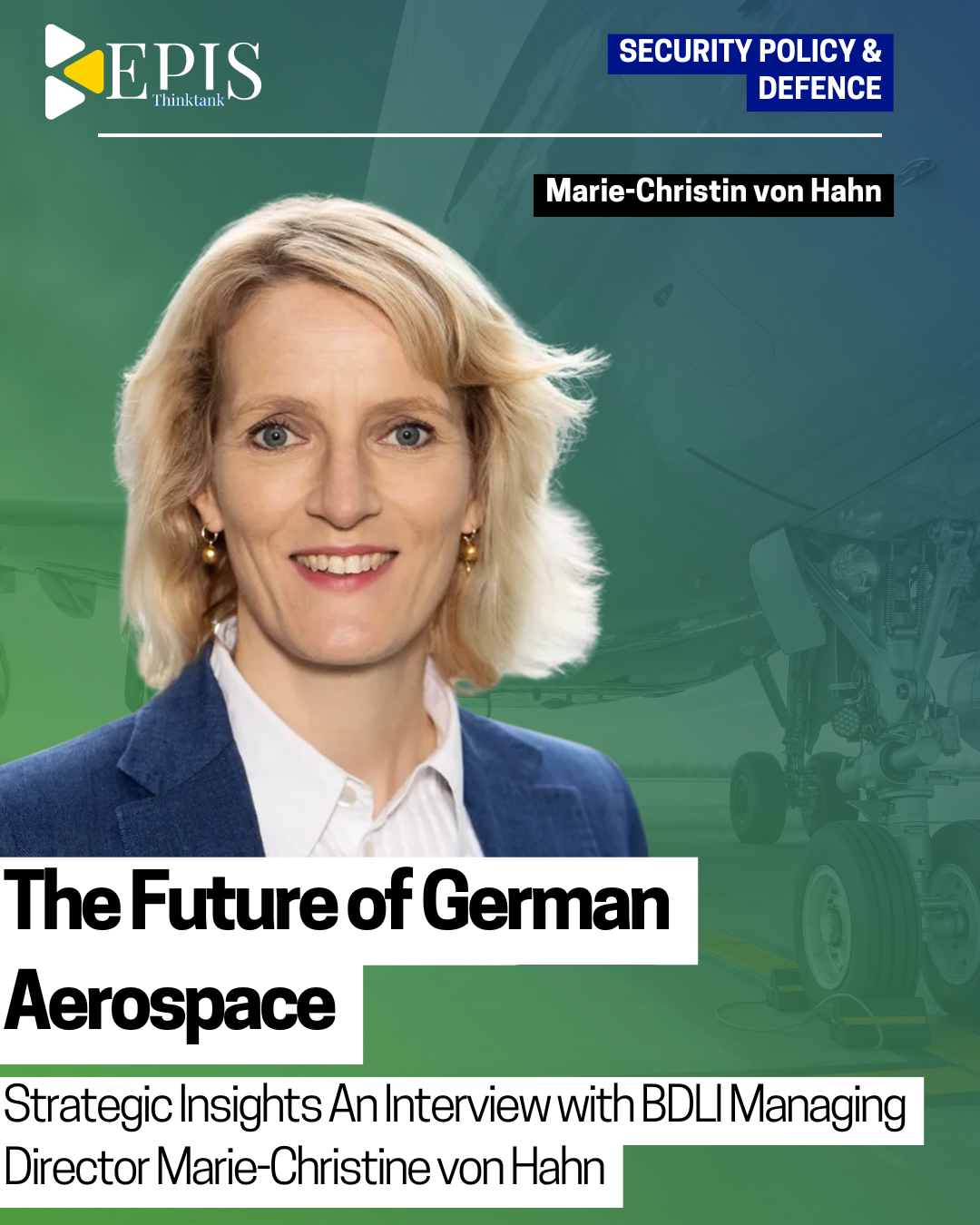
The Future of German Aerospace
Role and Impact: As BDLI’s Managing Director, she represents 260+ companies in the German aerospace sector, which employs 115,000 people and generates €46 billion annually. Strategic Pillars: BDLI focuses on civil aviation, military aviation, and space, driving innovation in climate-neutral tech and defense. Future Growth: The industry faces high demand due to defense backlogs and…
-
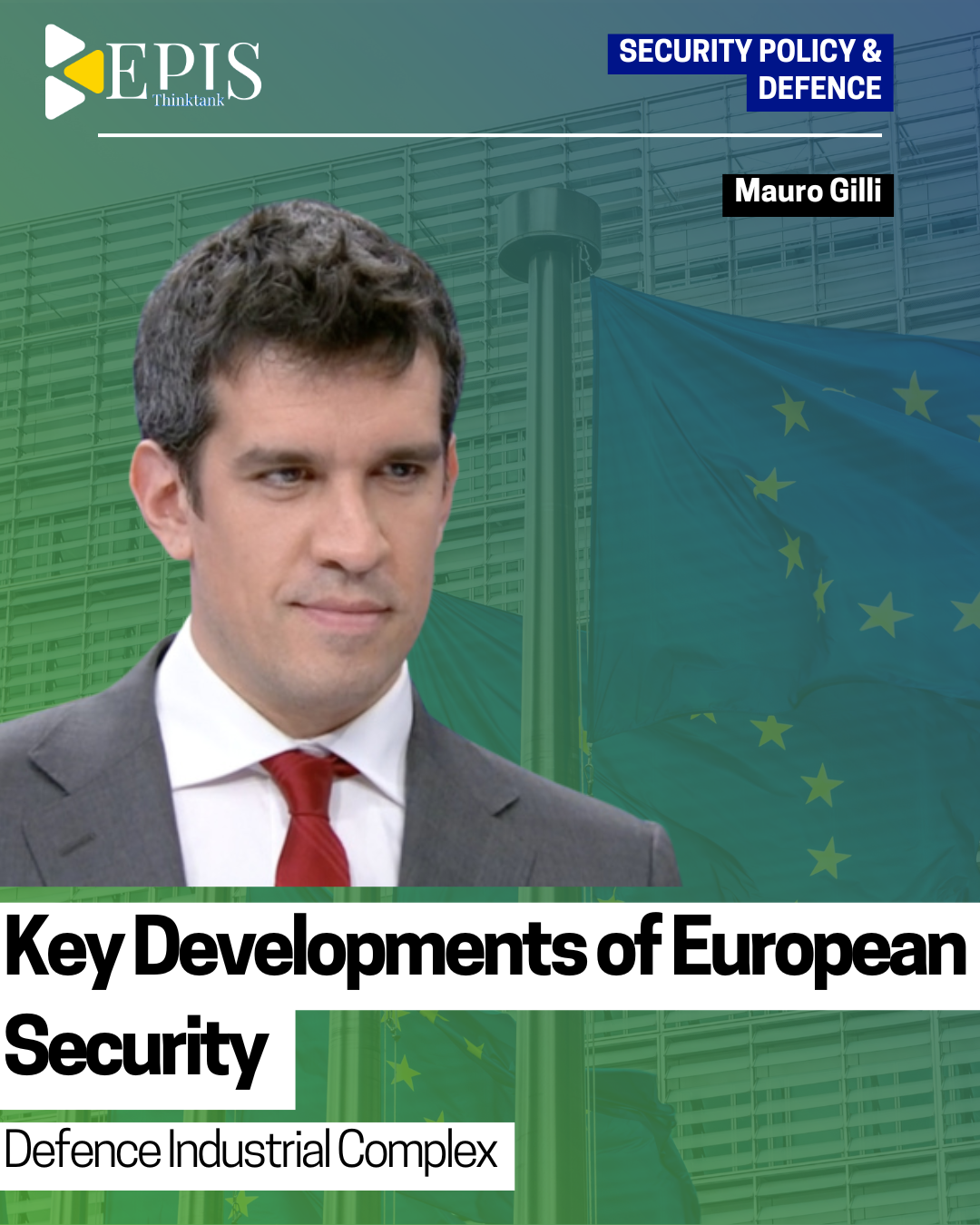
Key developments of European Security
The tacit knowledge involved in the defence sector makes it difficult to simply convert civilian facilities and personnel into assets of the defence sector. States need to be strongly engaged in defence-related R&D. We should have a more sober and fact-based discussion about autonomous weapons systems. Autonomous or semi-autonomous weapons have been
-
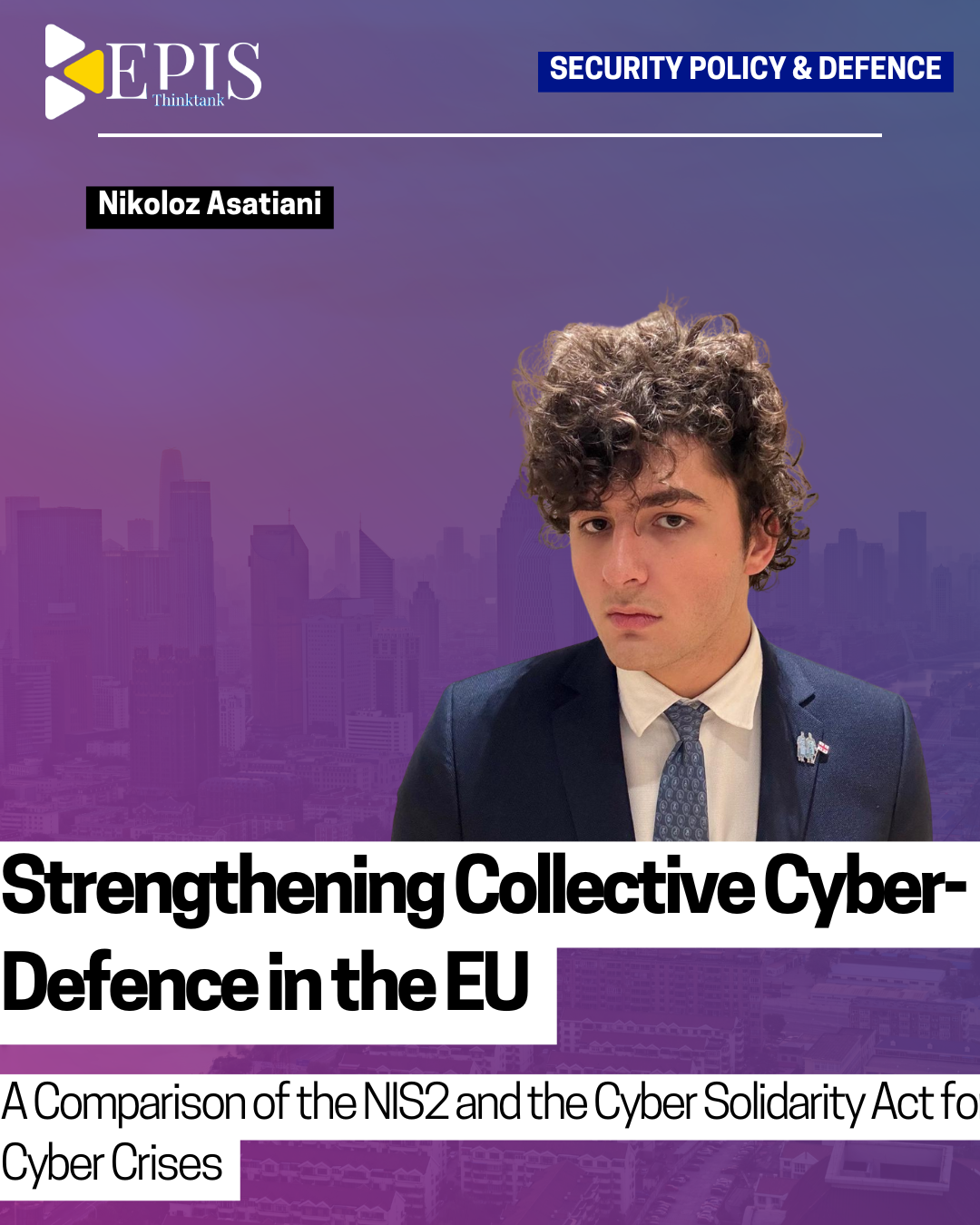
Strengthening Collective Cyber-Defence in the EU
This brief examines the question of to what extent the NIS2 and the Cyber Solidarity Act strengthen the EU’s capacity for collective cyber crisis defence. The analysis demonstrates that the NIS2 builds resilience through national obligations, while the Cyber Solidarity Act enhances collective capacity by increasing EU-level preparedness. It concludes that cross-border cybersecurity issues require…
-
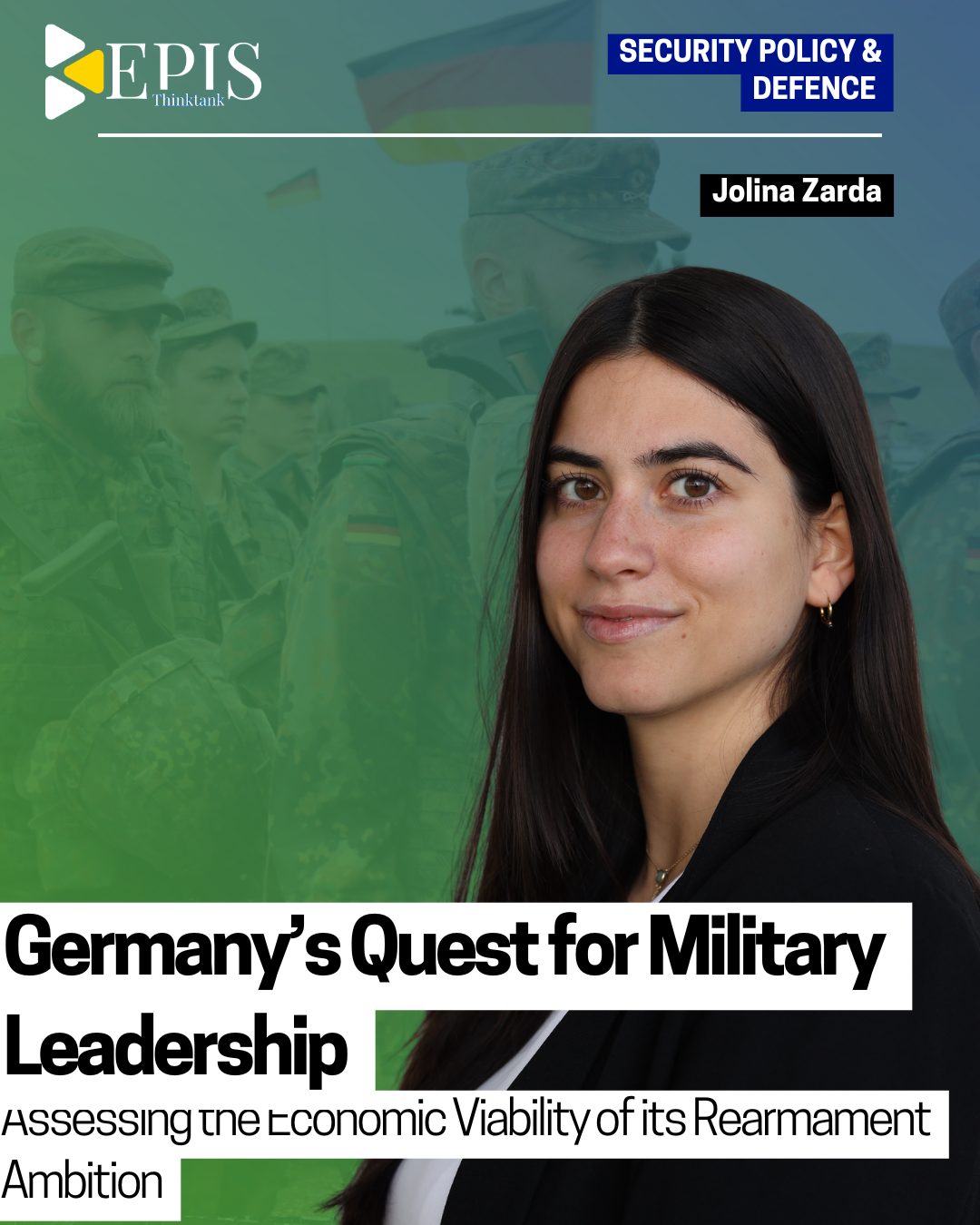
Germany’s Quest for Military Leadership
-Should Germany pursue the ambition to build Europe’s strongest conventional army given its economic costs and constraints? -Rearmament can foster dual-use innovation, industrial restructuring, and strategic autonomy, but only if procurement is reformed, R&D is targeted, and financing becomes sustainable. -The ambition is economically viable only under currently unmet conditions. Without reforms and sustainable funding,…
-

Tanzania’s Post-Election Uprising
This brief argues that widespread protests which occurred in October 2025 in Tanzania were triggered by years of authoritarian consolidation under president Suluhu, the systematic repression of opposition forces, and the exclusion of young citizens. The aftermath suggests that, without genuine democratic reform and youth inclusion, Tanzania will face continued instability, reflecting a broader pattern…
-
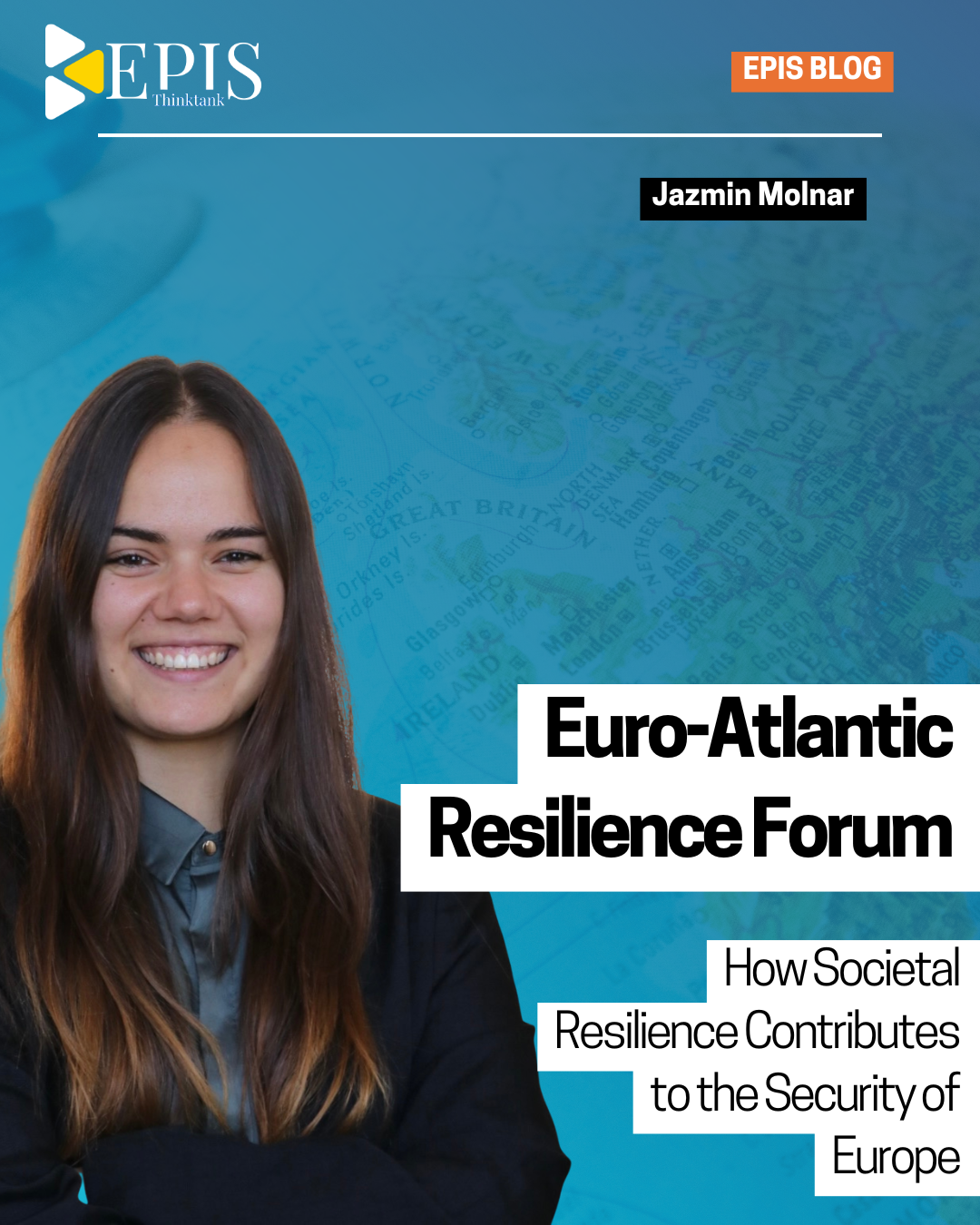
Euro-Atlantic Resilience Forum
1. How does societal resilience contribute to European security in the context of hybrid threats and modern warfare? 2. Effective security requires a whole society approach, combining civilian resilience, technological preparedness, resistance to disinformation, and military capability. 3. The forum demonstrated that societal resilience is a core strategic asset, as Europe cannot be secure without…
-

Berlin Security Conference 2025
How to secure Europe? – Strengthen defence capabilities via financial spending and multidimensional cooperation, special emphasis on the Arctic, Taiwan and Defence Tech – deterrence must change its shape
-
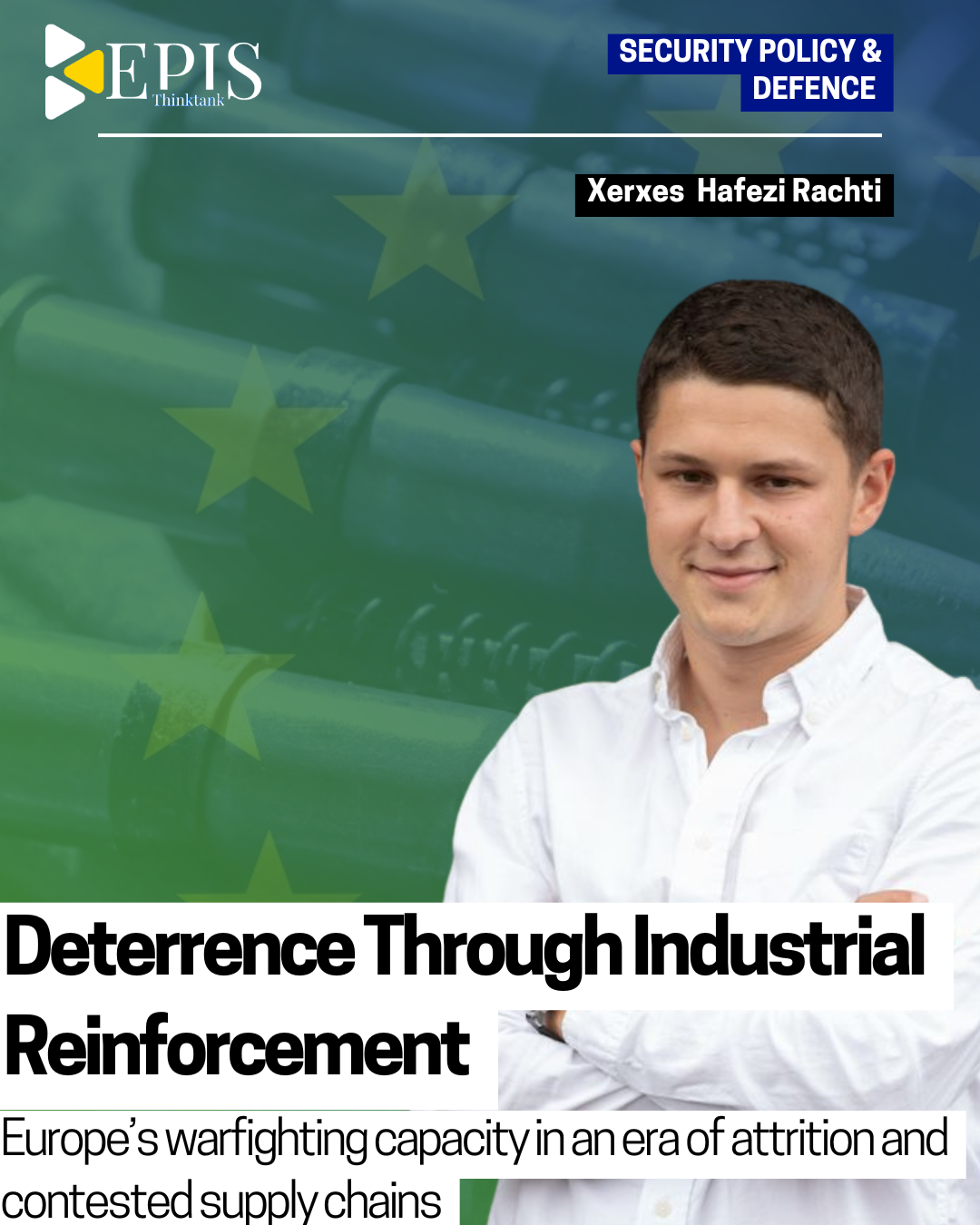
Deterrence Through Industrial Reinforcement
How does Europe’s defence-industrial base compare to Russia’s war economy, and what must Europe change to sustain high-intensity war and credibly support Ukraine as US backing wanes? Industrial capacity, mobilised at scale and able to adapt legacy systems, matters more than cutting-edge tech in attritional war; Russia currently does this better than Europe. Europe should…
-
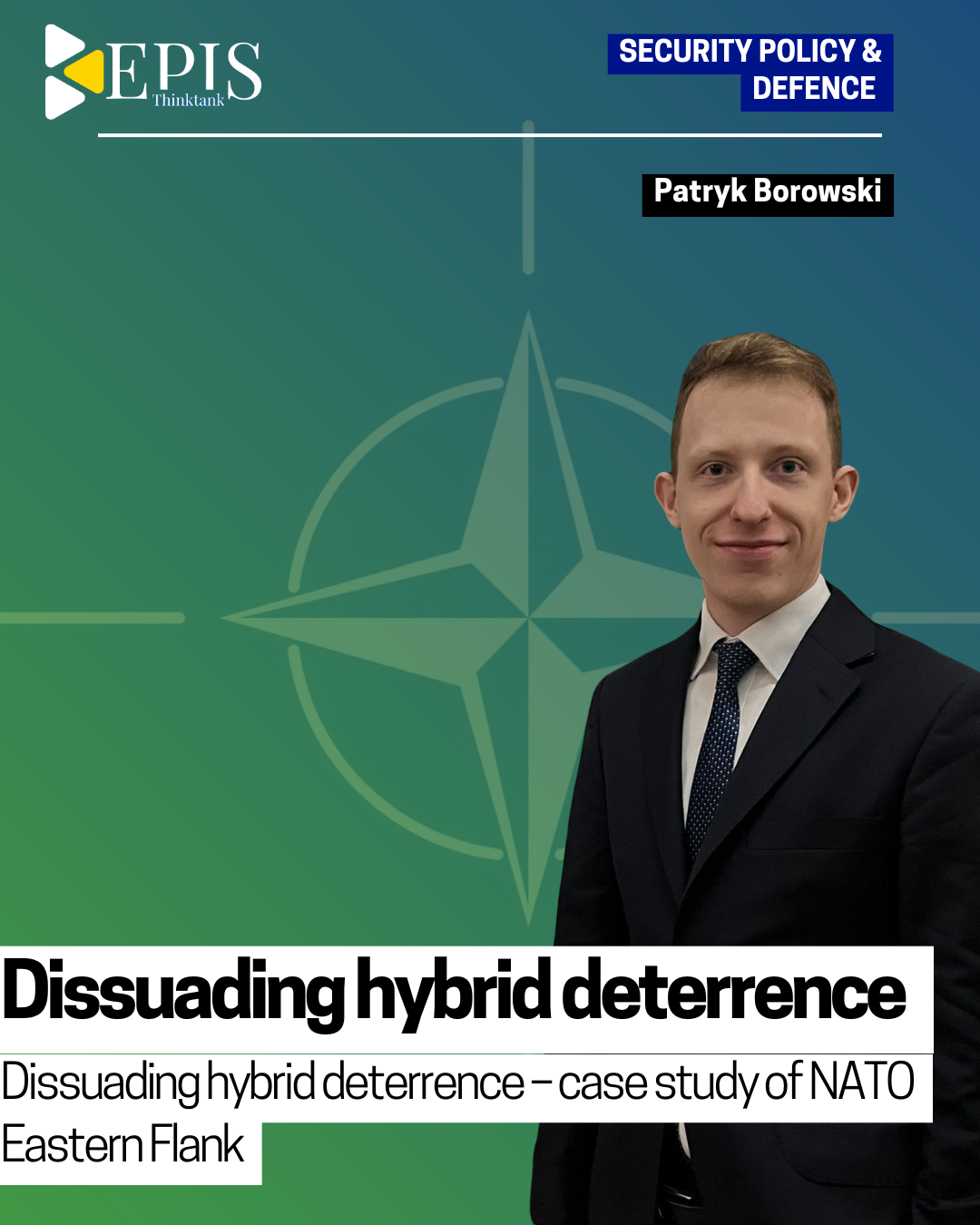
Dissuading hybrid deterrence
– How is traditional warfare not enough in countering hybrid threats? – Traditional warfare is an insufficient tool in dissuading and countering the hybrid threats, and in the case of its usage, there appear to be blind spots and a lack of the desired effect – Countering hybrid threats requires an integrated approach of traditional…
-
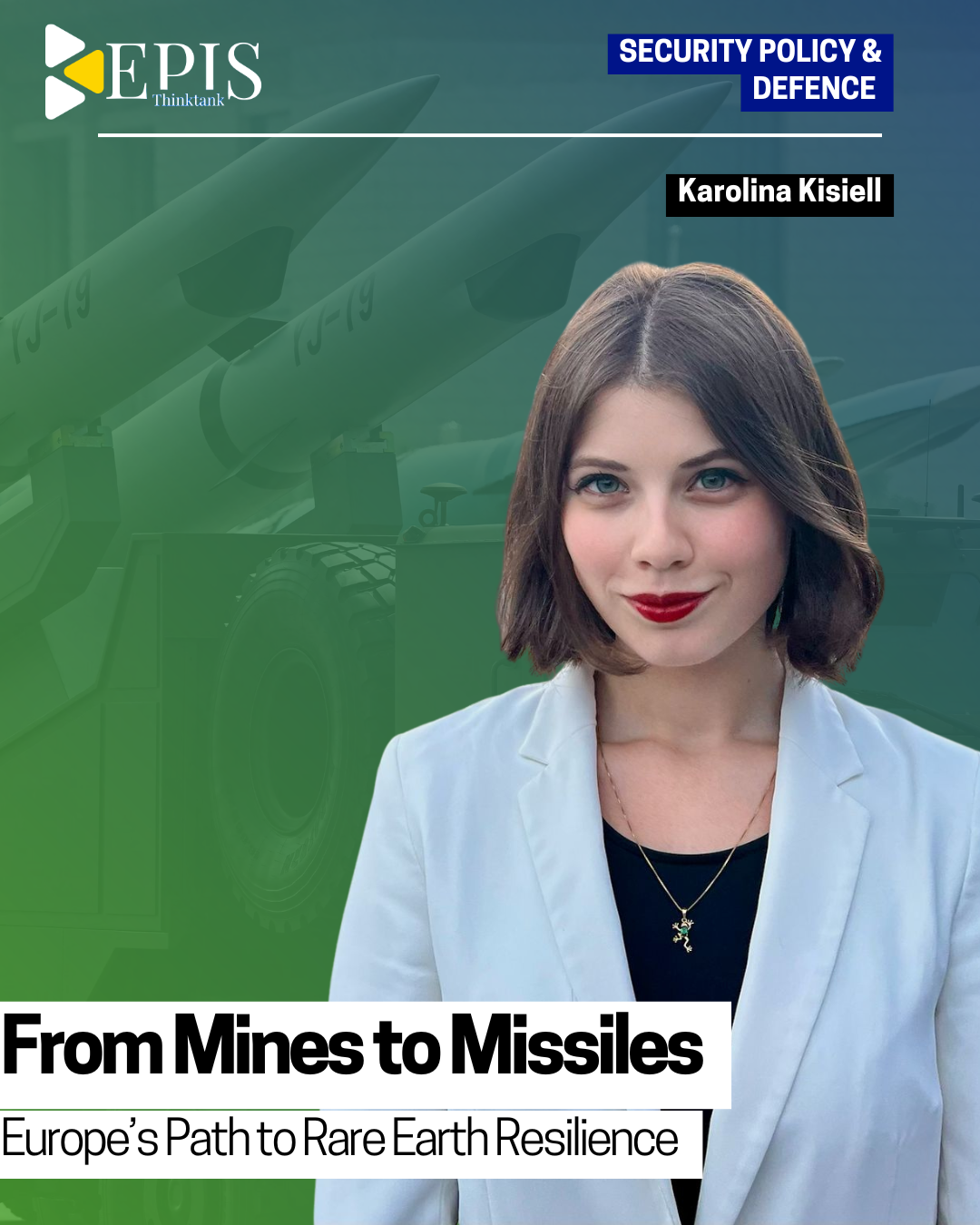
From Mines to Missiles
Question: How can Europe strengthen its position in the field of rare-earth elements (REEs)? Onshoring, allied shoring, and nearshoring, underpinned by suitable EU-level mechanisms, are best conceptualised not as rival strategies but as complementary and mutually reinforcing tools. Europe’s dependence on REEs supply chains constitutes a vulnerability that necessitates a sustained and pragmatic effort to…