Category: Security Policy & Defence
-
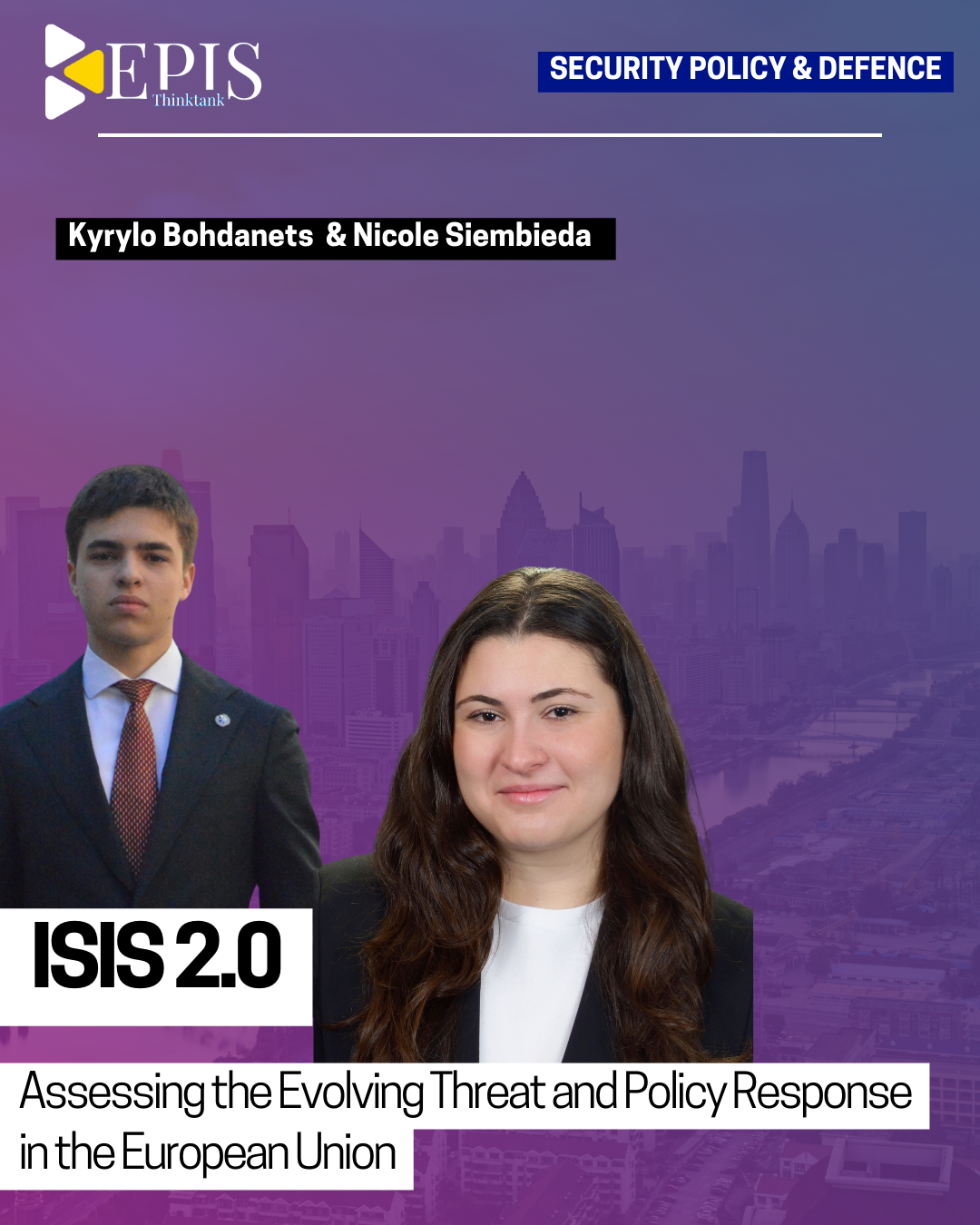
ISIS 2.0
This brief addresses which counter-terrorism adaptations are necessary for European Union policymakers to address threats from ISIS 2.0, which has transitioned to a digital front, revealing gaps in the EU’s existing response. Recommendations include enhanced collaboration among Member States, improved protection against terrorism financing, and the implementation of cognitive defence strategies.
-
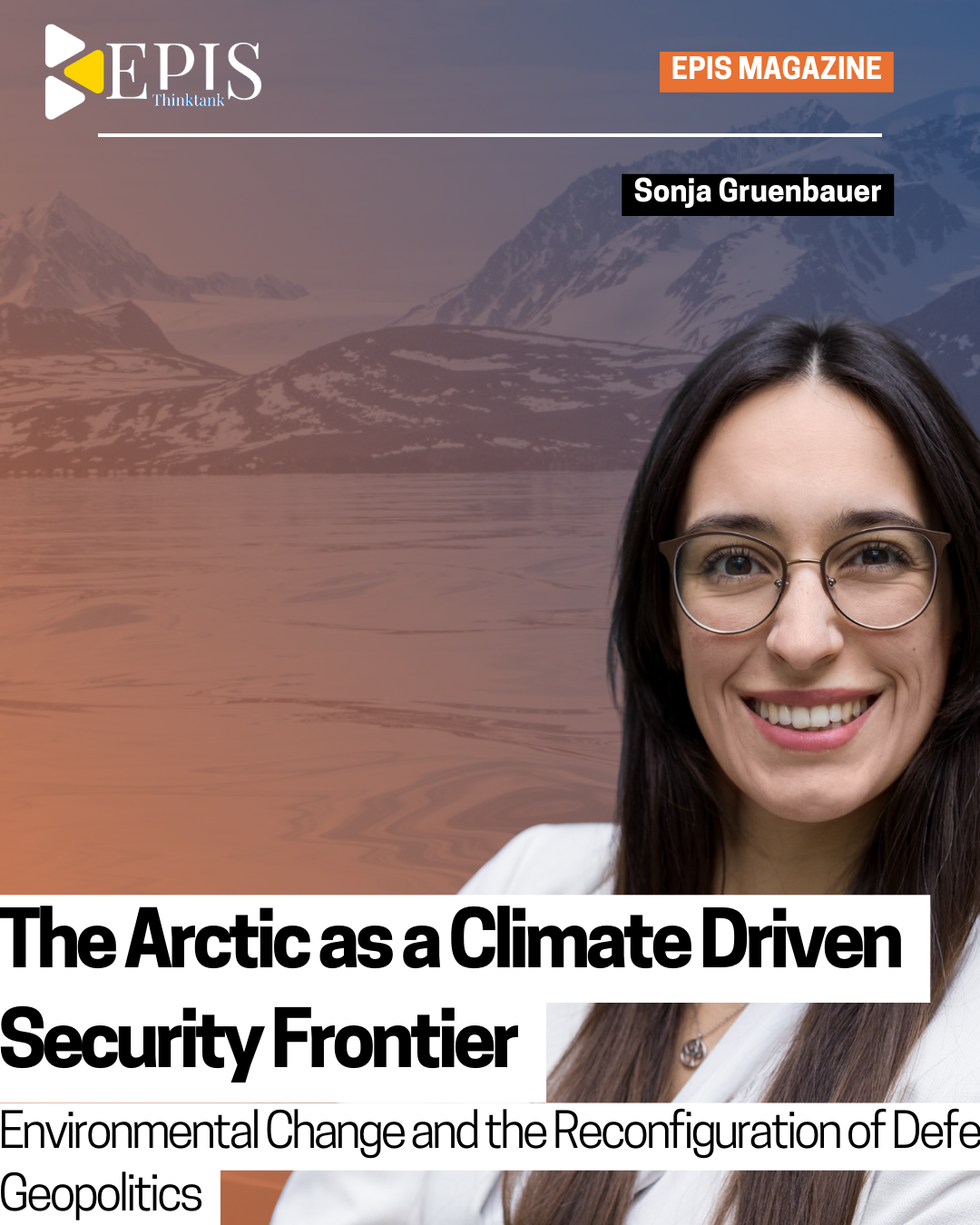
The Arctic as a Climate Driven Security Frontier
Main question: How does climate change reshape Arctic security dynamics? Argument: Environmental change acts as a structural driver, expanding access while increasing infrastructure vulnerability and strategic exposure. Conclusion: The Arctic is becoming a contested operating domain where effective deterrence depends on climate-resilient planning, mobility, and alliance coordination.
-
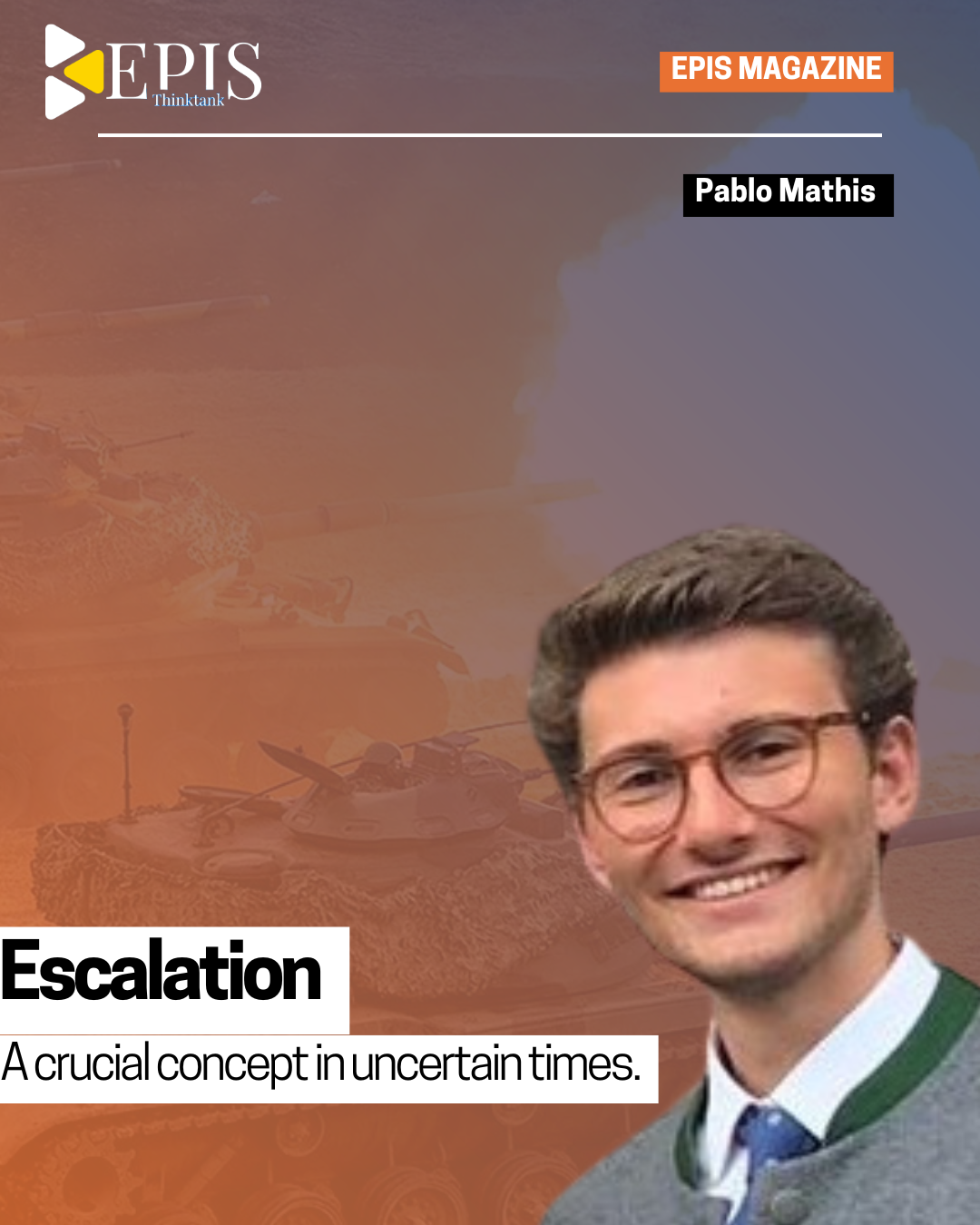
Escalation
The article explains what military escalation is and how it can help us understand events. In doing so, the contribution presents the dimensions of vertical, horizontal, and political escalation. The concept of escalation cna help evaluate military options and assess their consequences.
-
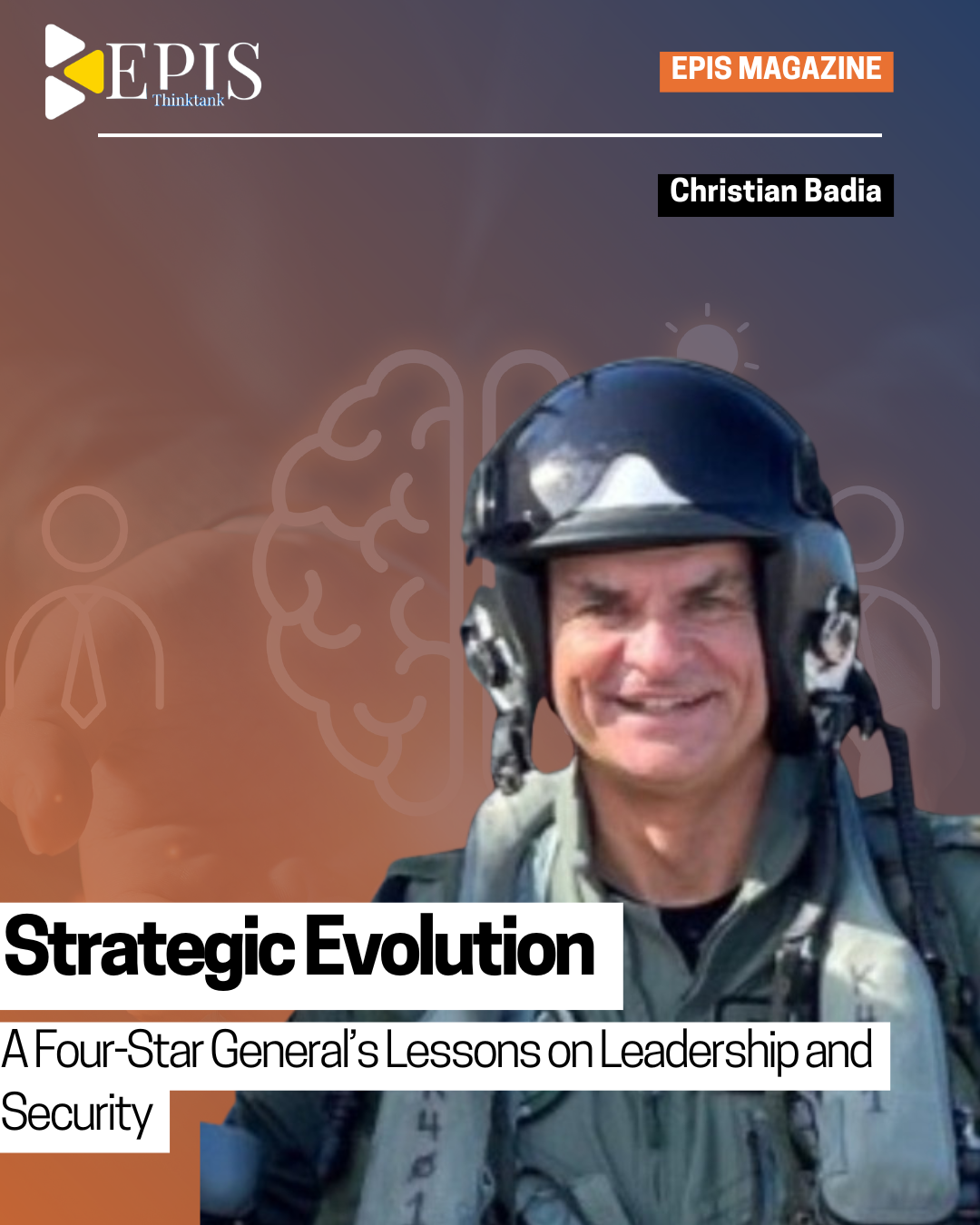
Strategic Evolution
Team-Centric Leadership: True leadership is rooted in organizational culture. Success relies on utilizing the collective intelligence of a team rather than solitary decision-making. Whole-of-Society Resilience: Security is no longer purely military. It requires integrating the Bundeswehr with civilian sectors, private financing, and a resilient, unified society.
-
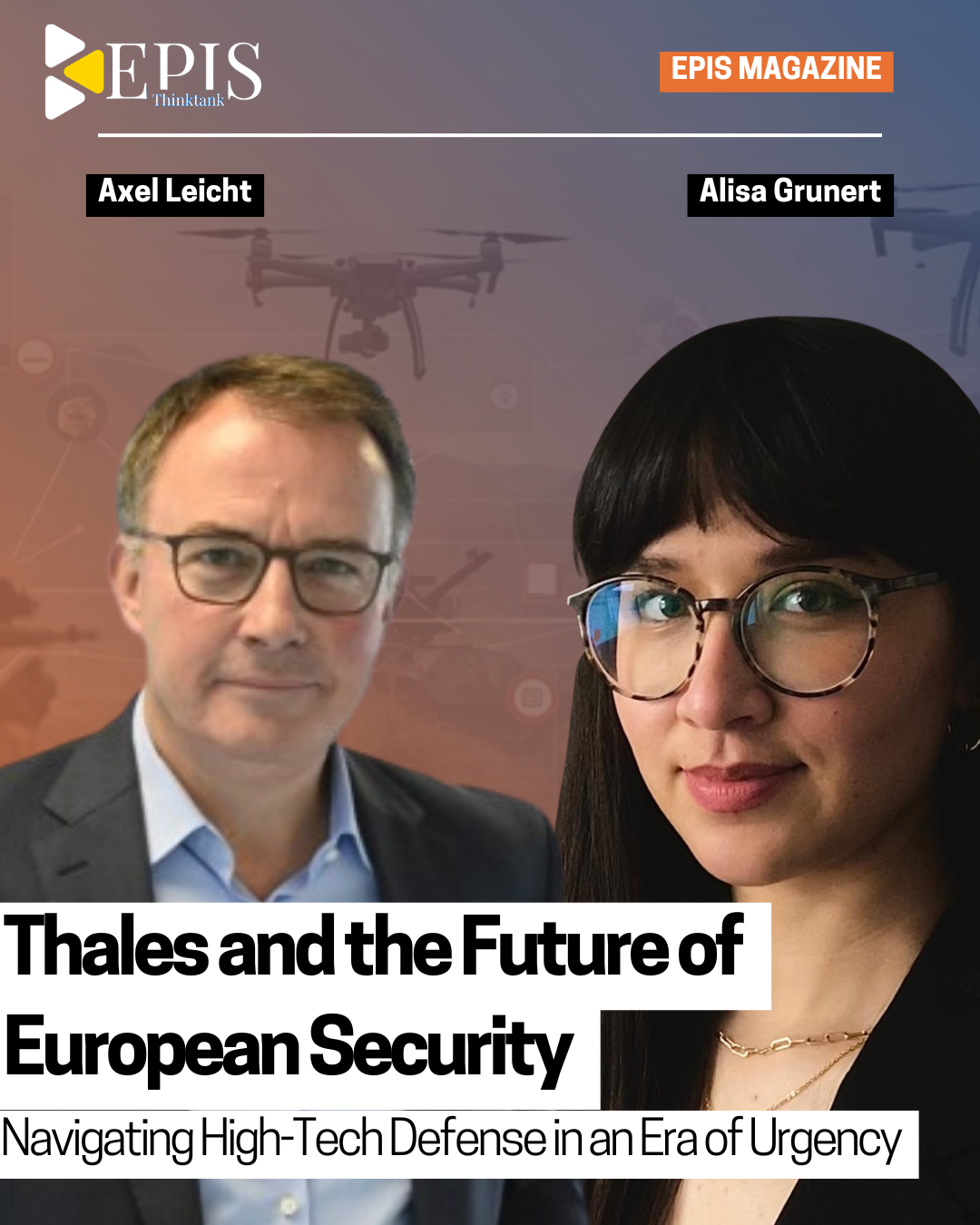
Thales and the Future of European Security
System Criticality: Thales provides essential, non-interchangeable naval and radio systems. Their deep integration means entire weapon platforms would fail without their specific subsystems. Technological Autonomy: By divesting from civilian sectors and investing €10B in AI, Big Data, and Cyber, Thales acts as a “one-stop shop” to reduce Europe’s defense reliance on the U.S.
-

Screening Tourists Through Social Media
1. Should the U.S. CBP’s proposed revision of ESTA data collection make 5 years of social media disclosure mandatory for short term tourists? 2. The notion of threat to security is vague, social media activity lacks context and ultimately leads to self censorship. At scale, CBP will likely rely on automated systems increasing risks of…
-
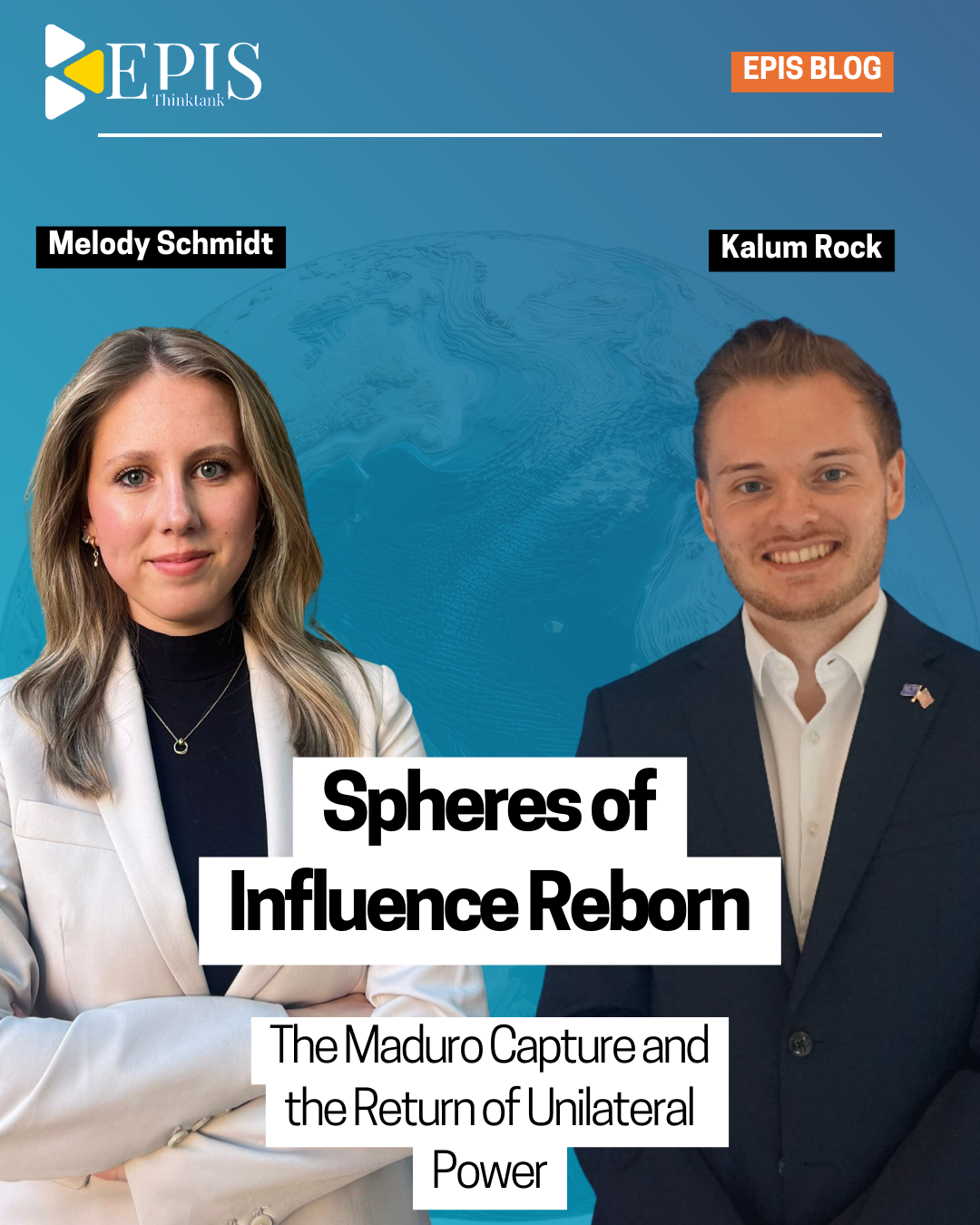
Spheres of Influence Reborn
Main question: Does the capture of Maduro reflect justice, or a broader shift toward unilateral U.S. power politics? Argument: The intervention serves economic and strategic interests, signaling a move toward spheres of influence and away from international norms. Conclusion: The operation marks a break with multilateralism, weakening sovereignty and setting dangerous global precedents.
-
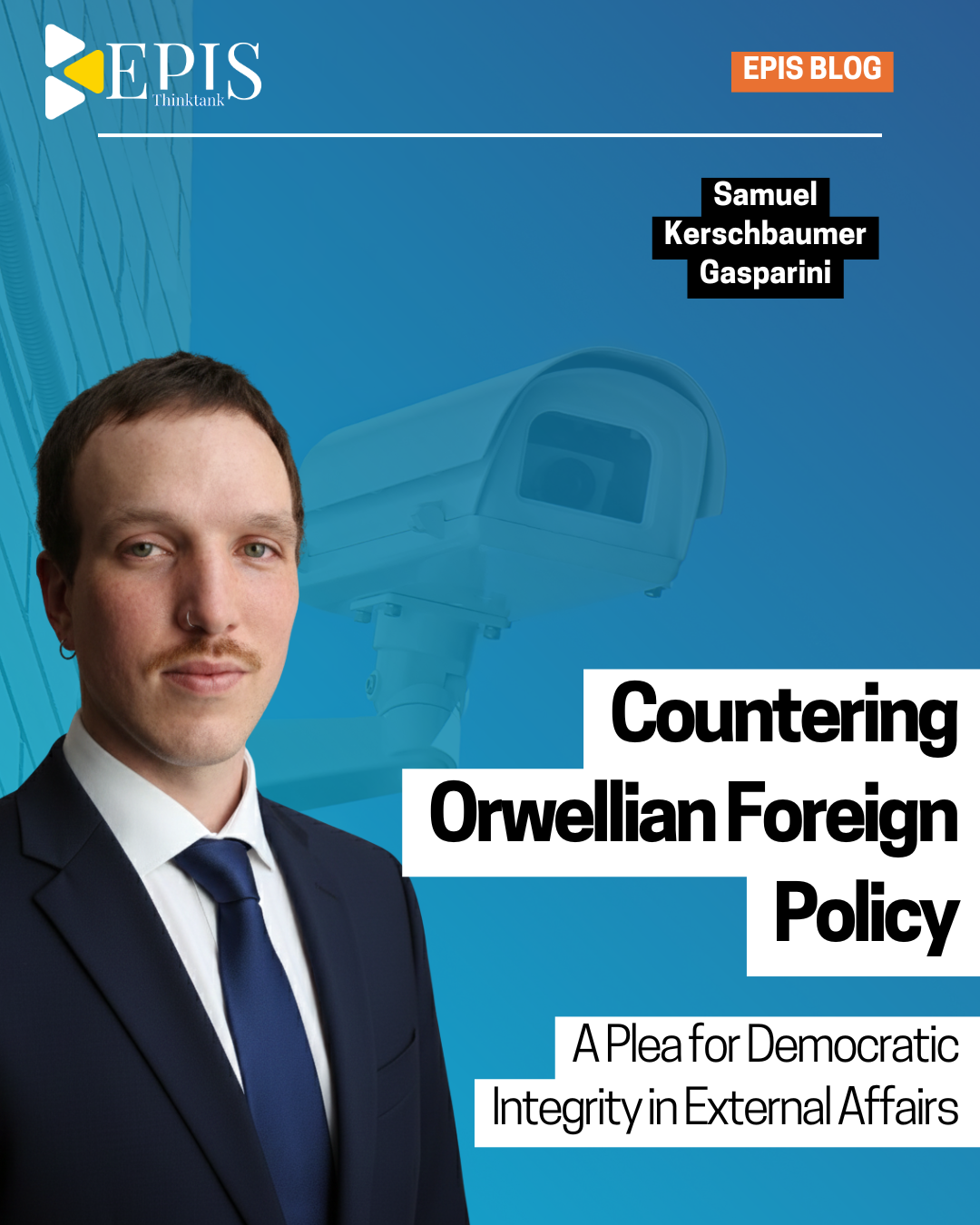
Countering Orwellian Foreign Policy
The article asks how democractic states can preserve the integrity of foreign-policy making as authoritarian actors weaponize information and blur shared truth. It argues that contested narratives pull foreing policy into mass politics, shrinking strategic room for action and enabling Orwellian practices. It concludes that democracies must reinforce factuality, complexity, and open judgement to remain…
-
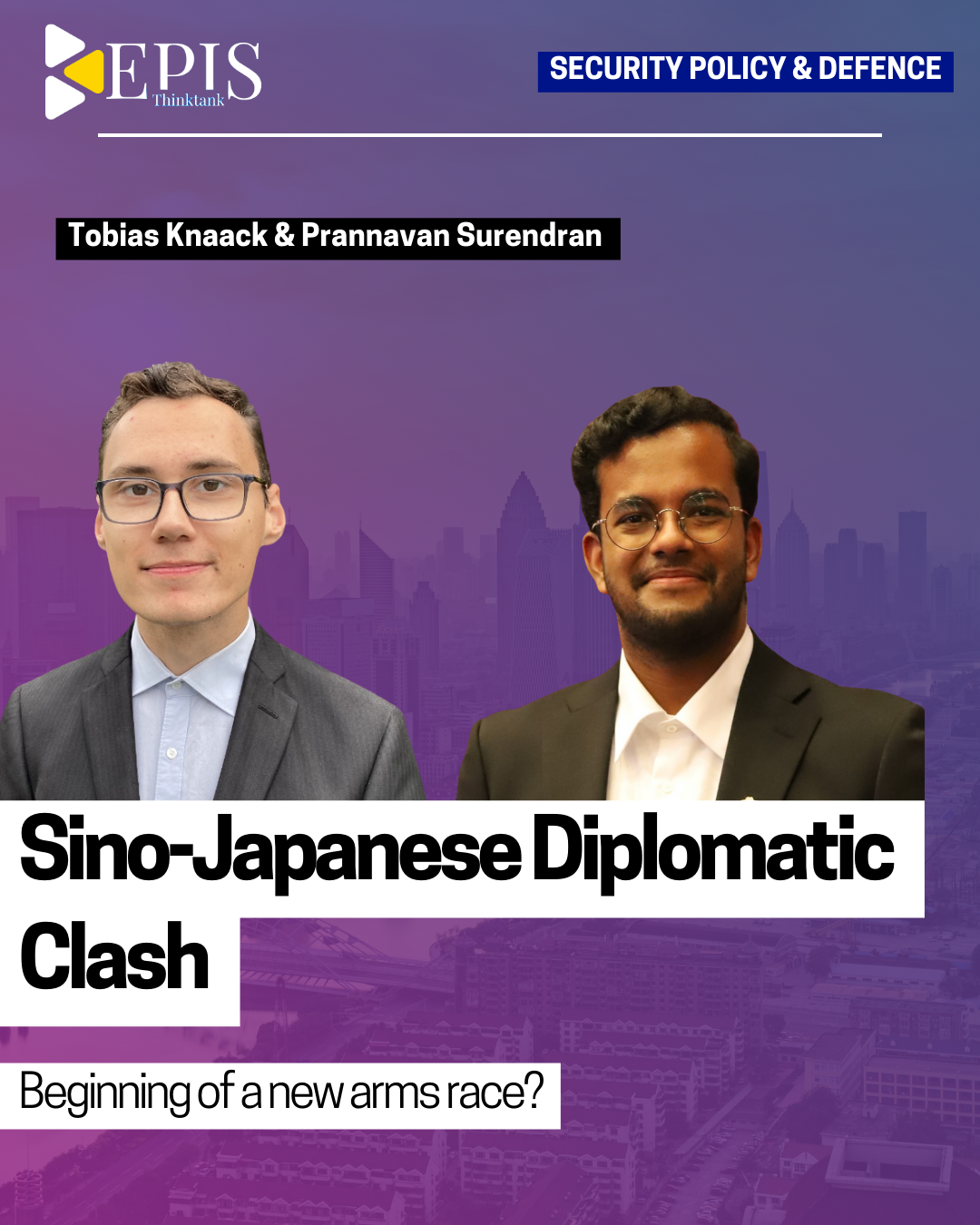
Sino-Japanese Diplomatic Clash
– Does Takaichi’s remarks on Taiwan cause a new arms race between China and Japan – No acceleration of military build up has been observed – the fear of a new arms race did not come into reality
-
Maduro Gone: Impacts on Russia, China & Iran
How does Maduro’s removal reshape the strategic positions of Russia, China, and Iran in their respective regions? Each nation faces the threat of American resources being allocated to the Indo-Pacific, Middle East, and Eastern Europe as Russia, Iran, and China face military and diplomatic losses. While none lose complete leverage, all three must recalibrate strategies…