Category: Security Policy & Defence
-
Hormuz Crisis: Economic & Security Risks
-To what extent does the 2026 Hormuz blockade destabilize global economic and MENA security dynamics? -The disruption creates a systemic “endless loop” of energy shortages and 20% price hikes in Asia, sparking global industrial paralysis. Iran exploits this vulnerability through asymmetric tactics to bypass US deterrence and reshape regional power. -The crisis reveals a fractured…
-

Arctic Satellite Infrastructure
How does Arctic satellite infrastructure shape strategic, economic and security dynamics? Polar-orbiting satellites and Arctic ground stations create vital data access but also introduce dual-use risks and infrastructure bottlenecks. Expanding Arctic satellite infrastructure requires balancing resilience, security and sustainability through careful planning and governance.
-
The EU’s Next Multiannual Financial Framework
– Competitiveness in the next MFF – Spaceshield and new Space capabilities – The defense-industrial dimension of DG DEFIS
-
Innovation and Growth in a Time of “Zeitenwende”
The European security architecture is facing historical challenges. David Voskuhl (Public Relations at Diehl Defence) speaks in this interview about his path into defense technology, the global networking of systems, and the difficulty of creating planning certainty in a world full of uncertainties.
-
Middle East Maritime Security & Geostrategy
Can conventional military deterrence and naval coalitions effectively neutralize asymmetric threats from non-state actors in fractured states like Yemen? While the U.S. prioritizes trade stability and Israel enforces direct deterrence, these kinetic responses address maritime symptoms rather than the underlying political fragmentation. Lasting Red Sea security requires political stabilization; military force alone cannot resolve a…
-
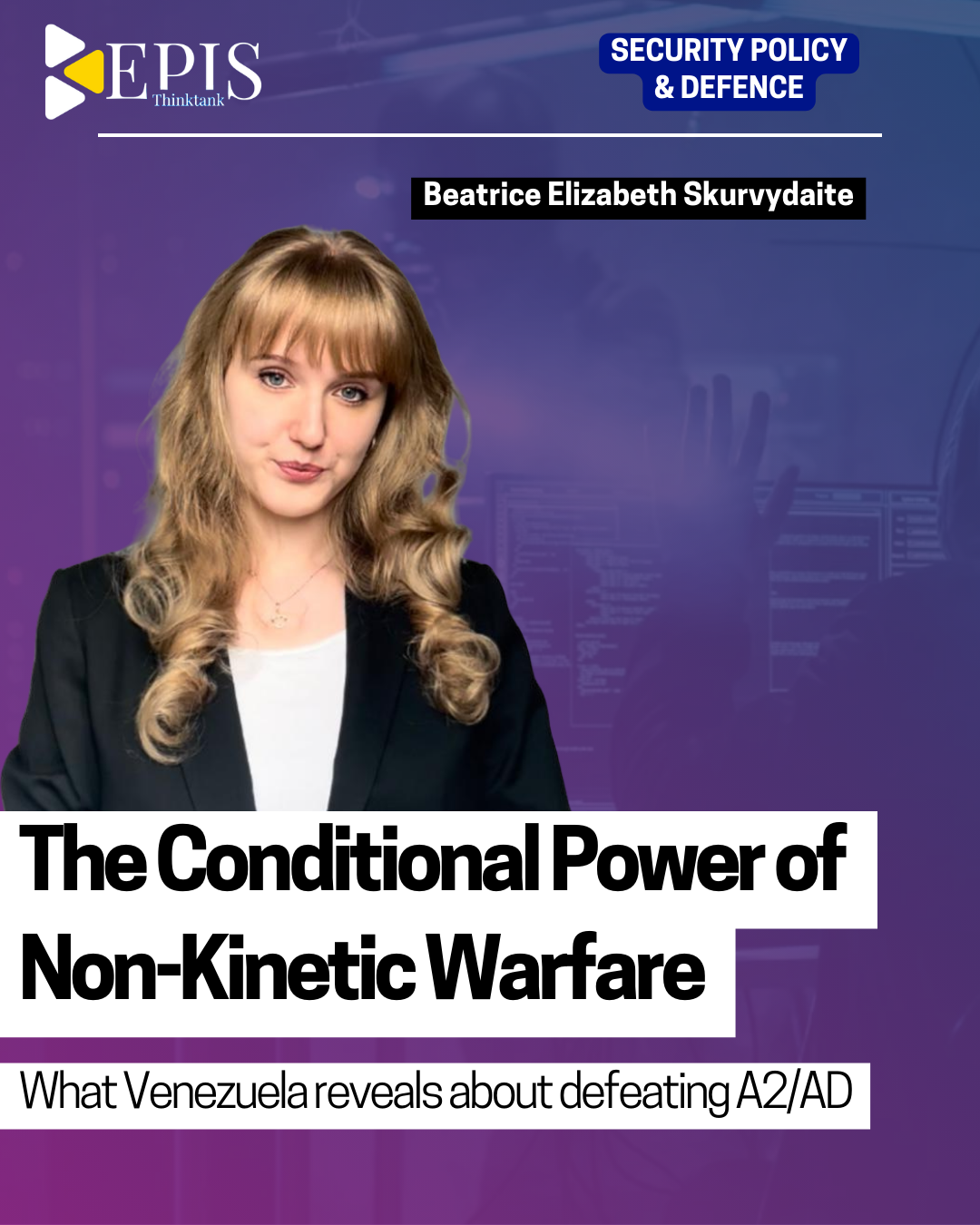
The Conditional Power of Non-Kinetic Warfare
To what extent did Operation Absolute Resolve demonstrate a scalable model for bypassing sophisticated A2/AD systems through multi-domain non-kinetic fires? The paper argues that tightly integrated cyber and electronic warfare can generate short-term access in permissive or weakly networked defences, yet such effects are highly conditional and context-dependent. Against resilient architectures like Iran’s, non-kinetic fires…
-
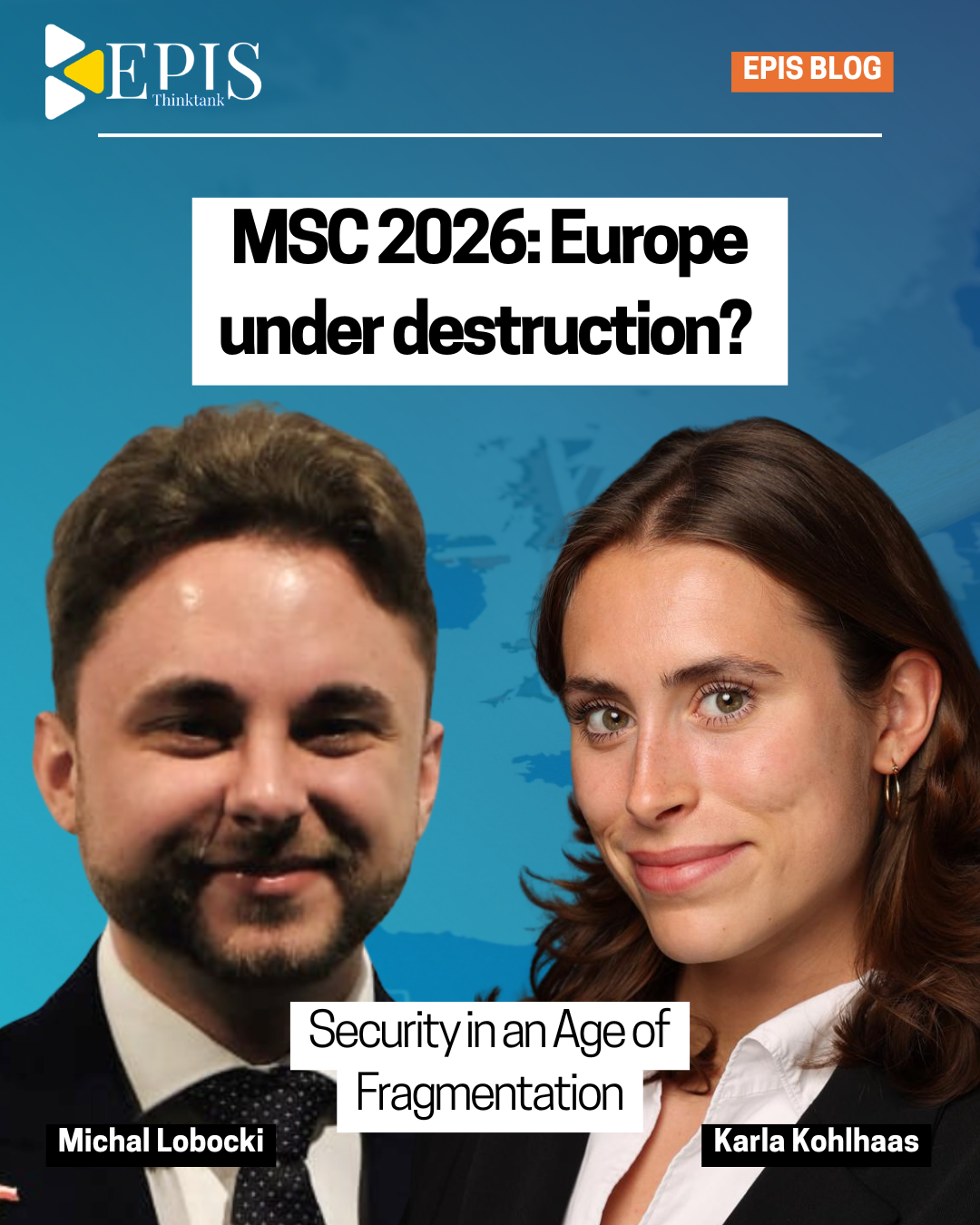
MSC 2026: Europe under destruction?
The 62nd Munich Security Conference highlighted growing European responsibility, with stronger trilateral cooperation through the Weimar Triangle and rising defense initiatives, while acknowledging industrial and structural limits. Ultimately, Europe is gradually assuming strategic autonomy, adapting to modern hybrid threats, and working to safeguard peace and democratic values.
-
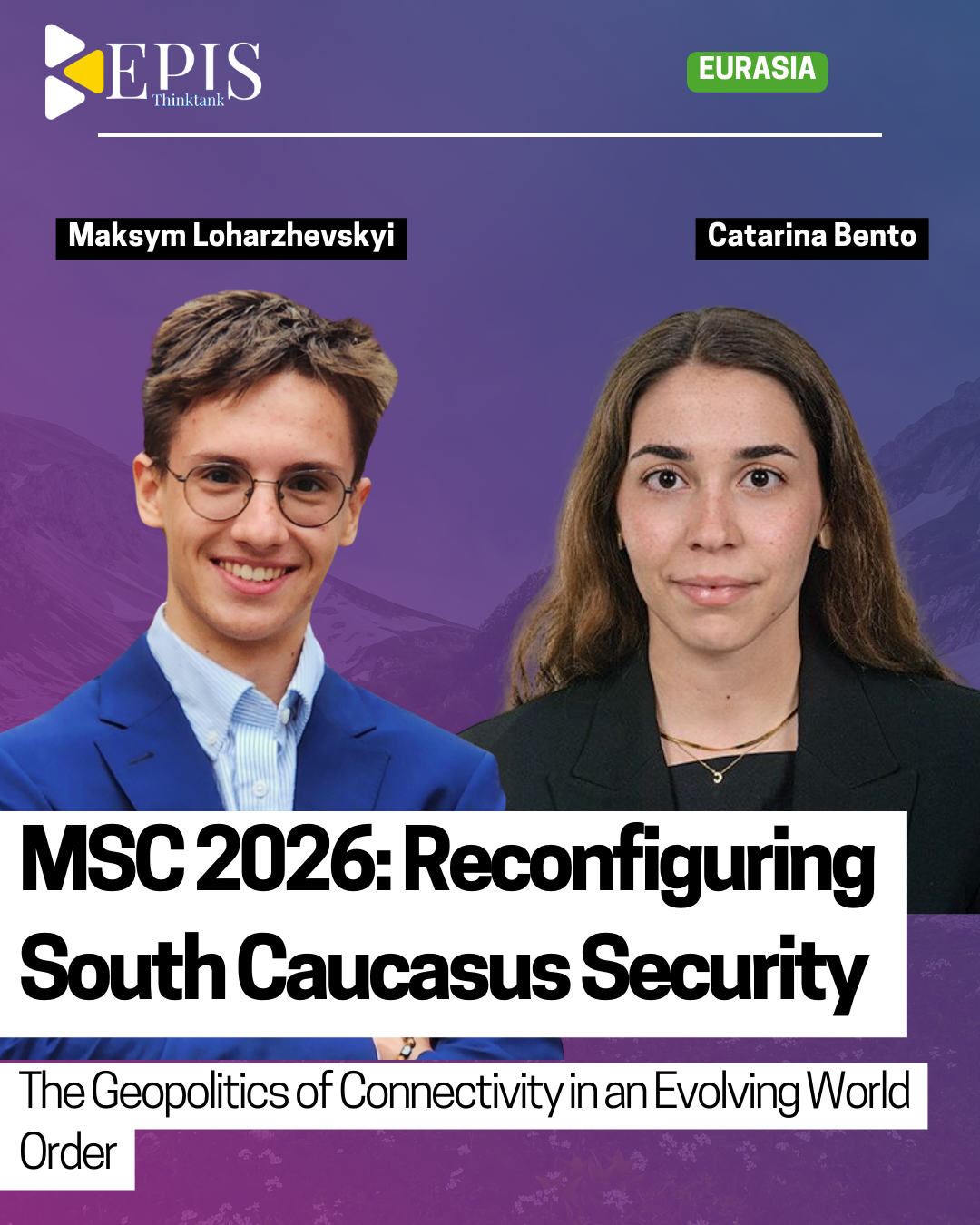
MSC 2026: Reconfiguring South Caucasus Security
How is the South Caucasus reshaping itself in a new geopolitical environment? Amid shifting power dynamics, evolving trade routes and regional realignments the region is moving from geopolitical periphery to strategic corridor. At MSC 2026, discussions confirmed that connectivity has become the decisive factor in geopolitical weight and long-term security.
-

Global South Korea
Main question: How does South Korea navigate through the current geopolitical landscape? Argument: Considering the fact that the country has a new administration since June 2025, South Korea has been “reseting” and “recalibrating” current relations with major international actors in 2026. Conclusion: South Korea must find a balance in managing its alignment with Western countries…
-
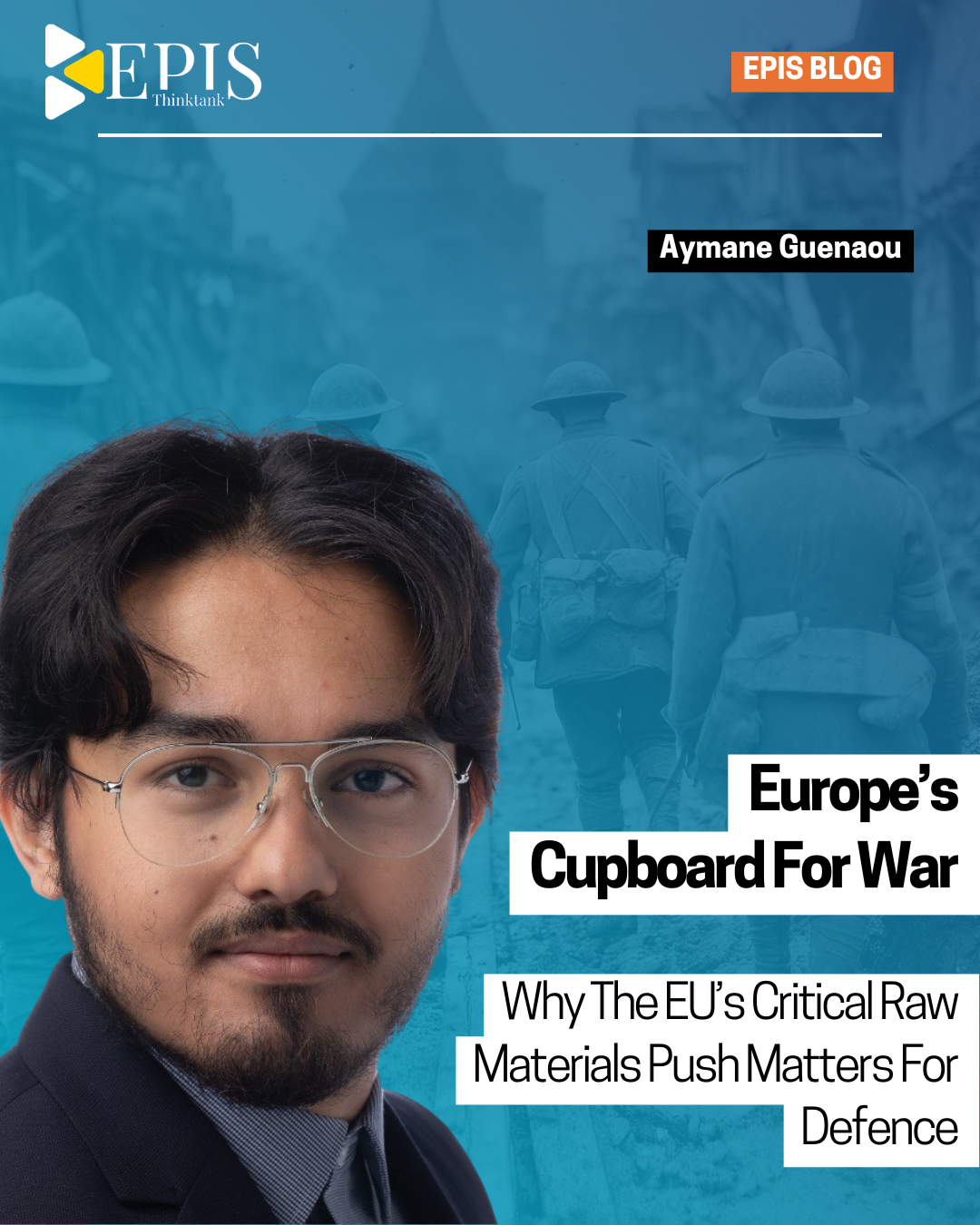
Europe’s Cupboard For War
– Why The EU’s Critical Raw Materials Push Matters For Defence – The EU’s CRM policy should be viewed as a defence issue, and not just an environmental or industrial one. – Europe is making progress, with a shift in mindset, but is still lagging in many sectors.