Category: International Relations & Diplomacy
-
Banking on Diplomacy
. Main question: How is Canada reshaping its foreign policy in the aftermath of Mark Carney’s election? 2. Argument: Facing deteriorating ties with the US, rising Indo-Pacific opportunities, and a deepening partnership with the EU, Carney is steering Canada towards a diversified, values-based, and resilient international strategy. 3. Conclusion: By asserting sovereignty and building global…
-
Pressure to Pivot: MENA’s Response to U.S Tariffs
The ripple effects of imposing tariffs on Middle Eastern countries go far beyond trade, straining diplomatic ties, disrupting local industries, and slowing regional growth. The imposition of US tariffs will make the Gulf Cooperation Council (GCC) countries grow at a slower pace. Trump’s new trade policies can accelerate the shift of Middle Eastern countries to…
-
17ᵗʰ Kyiv Security Forum
1. Ukraine has become a fast, self-reliant defense innovator, urging frozen Russian assets to fund its tech sector. 2. With U.S. security guarantees less certain, Europe must back Ukraine directly—not just in solidarity, but because it now serves as the continent’s key bulwark against aggression. 3. A “Reverse Kissinger” approach to Russia won’t work; lasting…
-
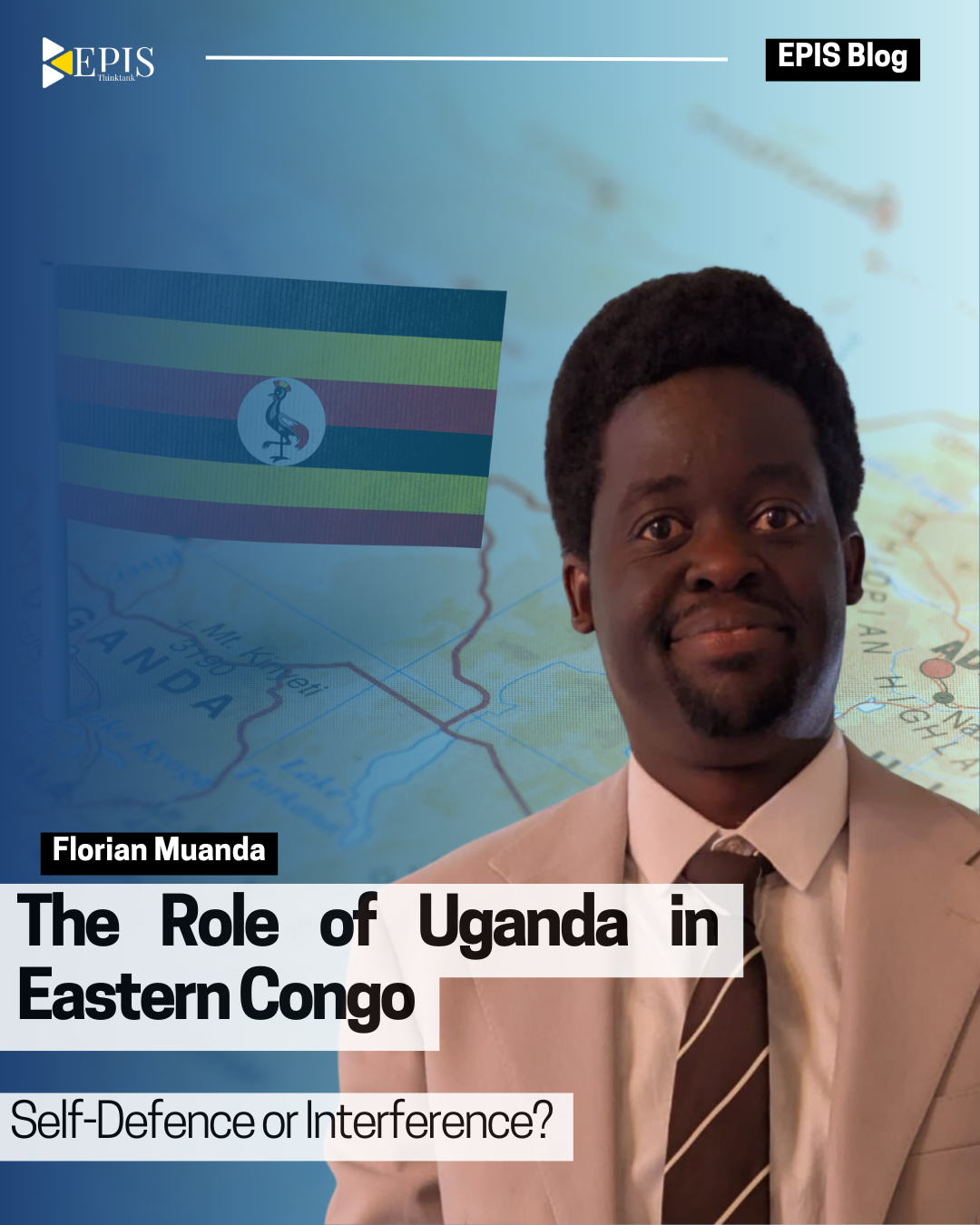
The Role of Uganda in Eastern Congo
The conflict in the Democratic Republic of Congo (DRC) has persisted for nearly three decades, involving numerous external actors, including Uganda. Uganda’s significant engagement began during this period. Uganda’s involvement remains controversial, raising persistent concerns regarding issues of sovereignty, economic exploitation, and human rights violations. Congo’s fragility and systemic corruption have rendered it vulnerable to…
-
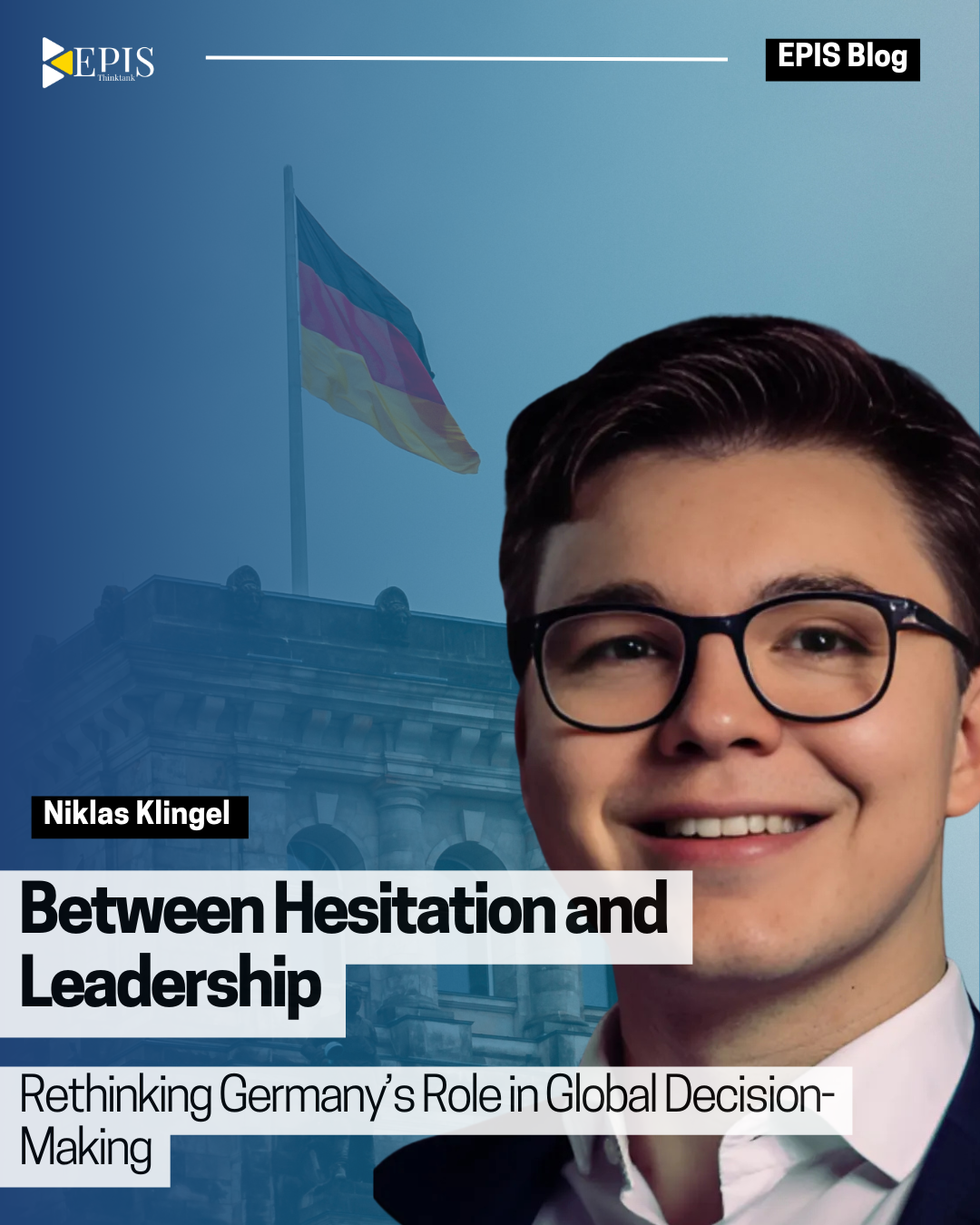
Between Hesitation and Leadership
1. Can Germany continue avoiding clear foreign policy stances in a volatile global context? 2. The “German Vote” reflects structural indecision rooted in domestic politics, harming Berlin’s leadership role. 3. Germany must break from strategic ambiguity and lead with responsibility to retain influence and ally trust.
-
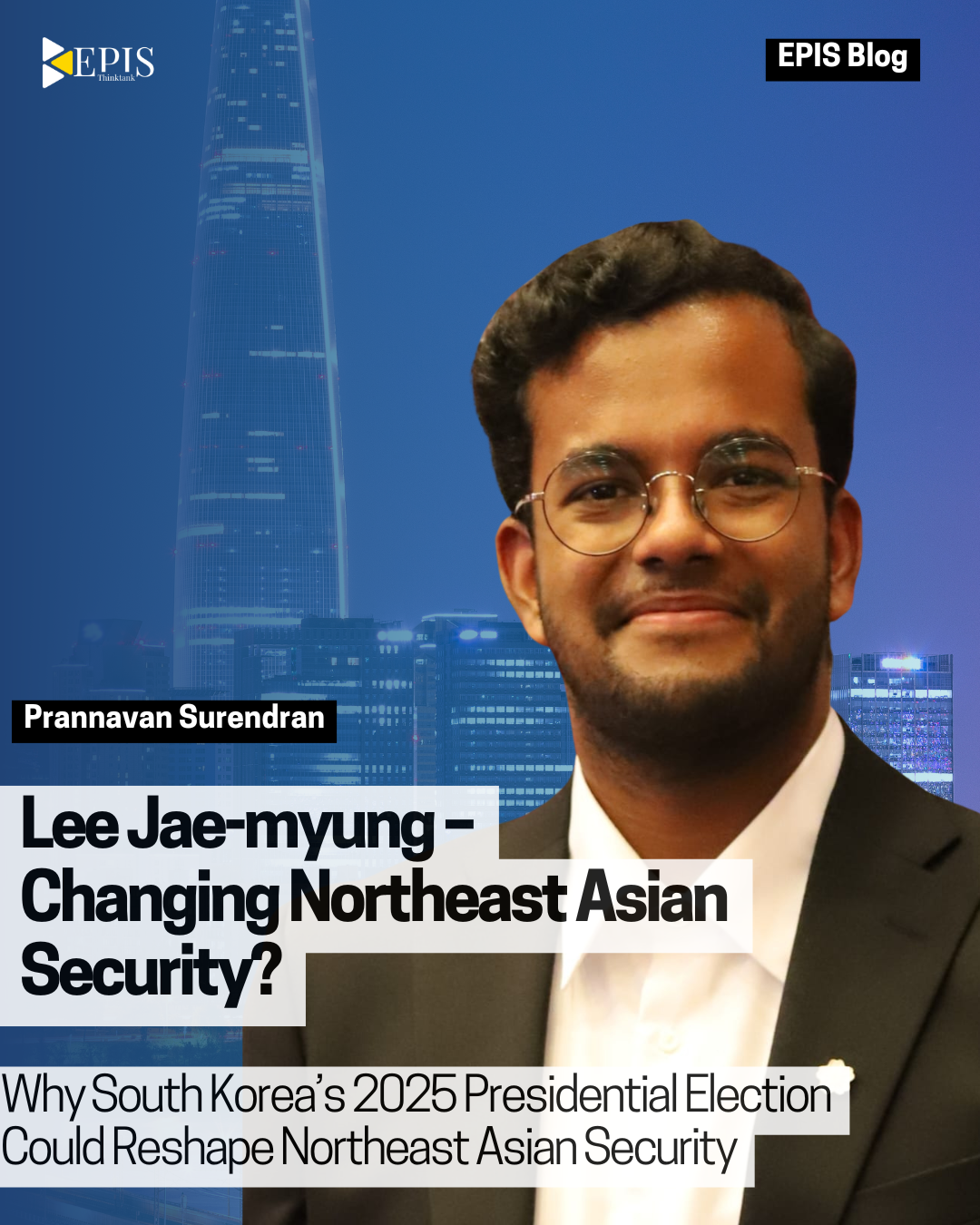
Lee Jae Myung – Changing Northeast Asian Security?
Main Question: Could South Korea’s 2025 election reshape the security landscape of Northeast Asia? Argument: A victory for Lee Jae-myung would likely shift South Korea’s foreign policy away from its U.S.-Japan alliance toward closer ties with China and North Korea. Conclusion: Such a pivot could fracture existing alliances and accelerate instability across the region.
-
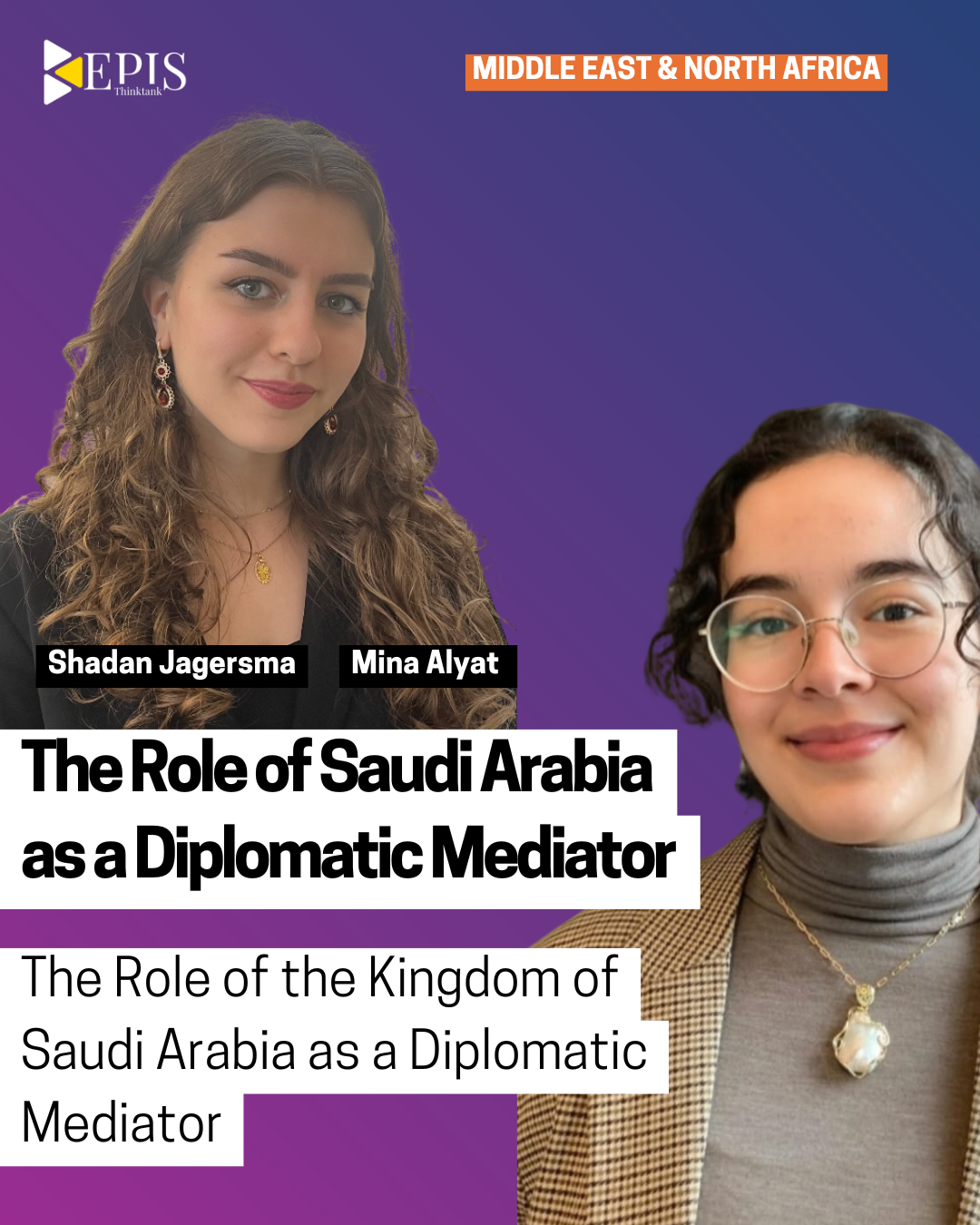
The Role of Saudi Arabia as a Diplomatic Mediator
In early 2025, Saudi Arabia became a key venue for US, Russian, and Ukrainian talks on a partial Ukraine ceasefire and Black Sea security. In early 2025, the Kingdom of Saudi Arabia hosted US, Russian, and Ukrainian officials for talks on a partial Ukraine ceasefire and Black Sea security. Riyadh positions itself as a neutral…
-
Turning Chaos into Opportunity
The chaos generated by the Trump administration brings challenges, but also the opportunity for Europe to build its strategic autonomy, improving its position in security, trade, and technology.
-
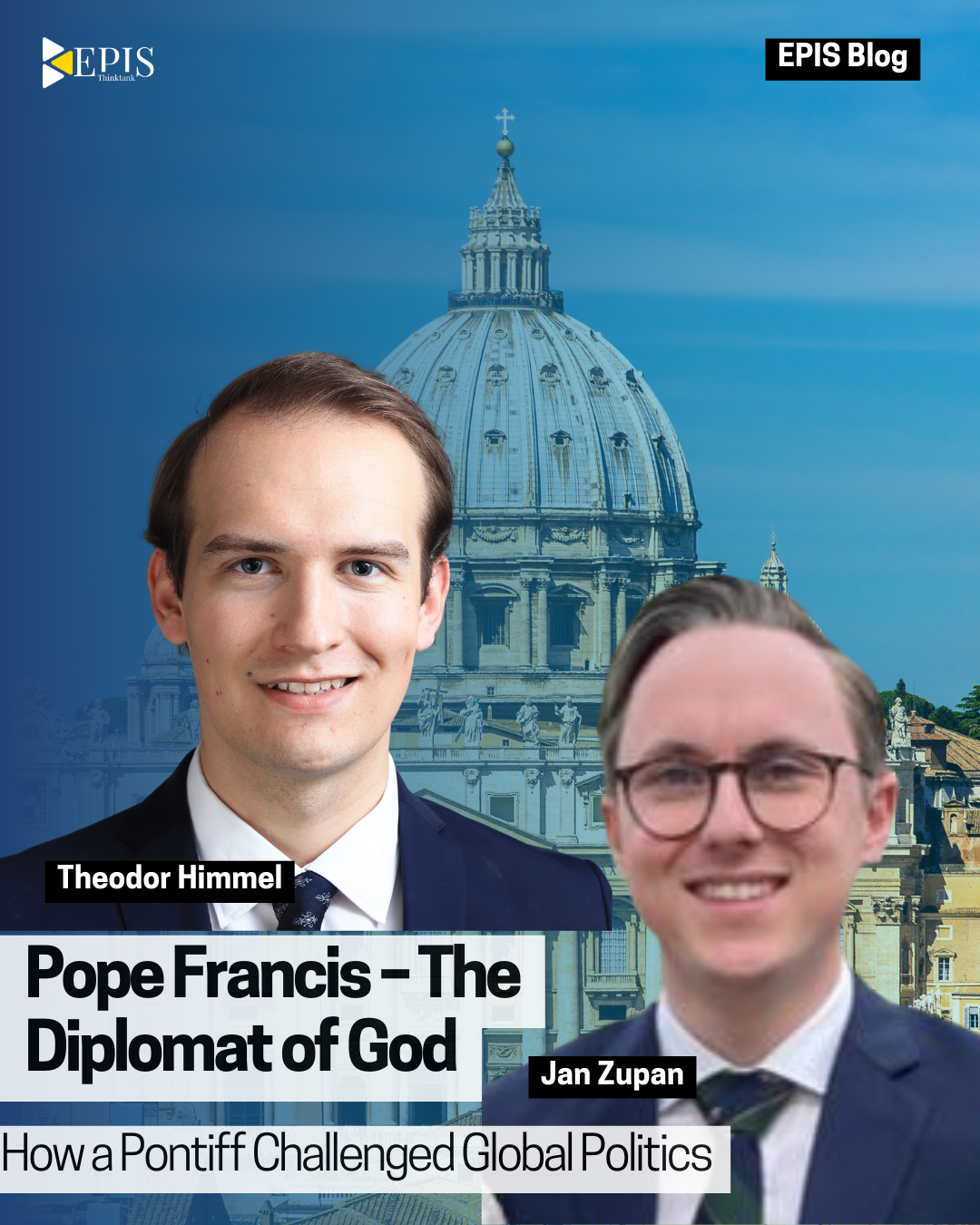
Pope Francis – The Diplomat of God
Main question: Can a spiritual leader influence global politics without traditional power? Argument: Pope Francis used moral authority and symbolic gestures to impact diplomacy, placing peace and the vulnerable at the center of global discourse. Conclusion: His papacy proved that ethical leadership can challenge realpolitik and leave a lasting legacy on the international order.
-
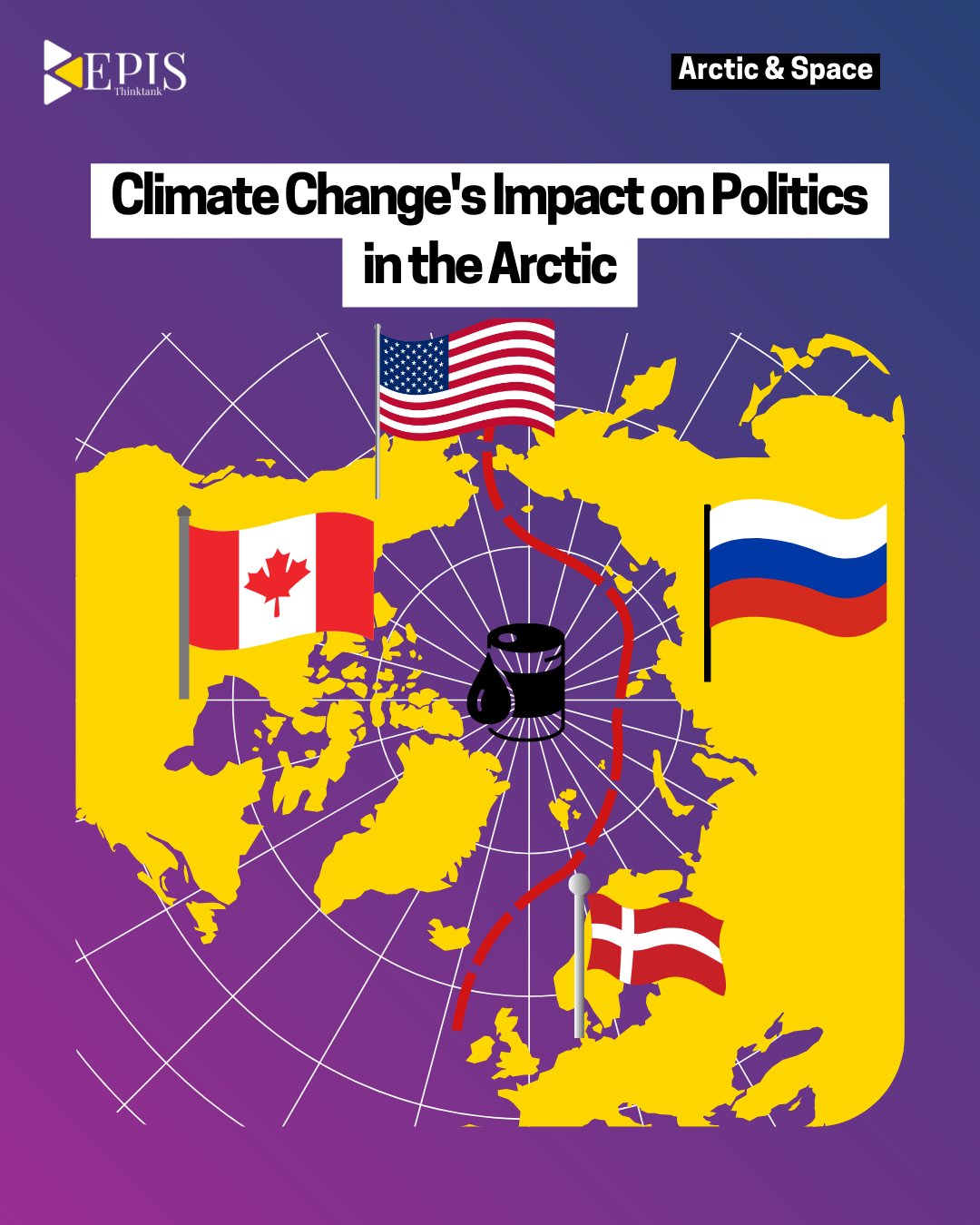
Climate Change’s Impact on Politics in the Arctic
Climate change has a significant impact on economic and security issues in the Arctic; the aim of this brief is to shed light on this. Climate change opens up new sea routes, changes the accessibility of resources in the Arctic, but also threatens existing infrastructure. In addition, the increasing extraction of resources in the future…