Category: International Economic Relations
-

A Chain of Retaliation
1.How did China adapt its strategy after the US’s Liberation Day measures? 2. China initially responded cautiously to US tariffs but, after Liberation Day, shifted towards a more intense and multifaceted counterstrategy, combining higher tariffs with diplomatic initiatives to rally international support. 3. China remains primarily reactive but has increased the intensity and scope of…
-

Balancing Act
Should the EU treat Taiwan as a strategic partner despite China’s threats? Taiwan offers the EU critical economic and democratic alignment, but deepening ties risks economic retaliation and geopolitical friction with Beijing. The EU must cautiously strengthen ties with Taiwan to support democracy and resilience, while avoiding escalation with China.
-
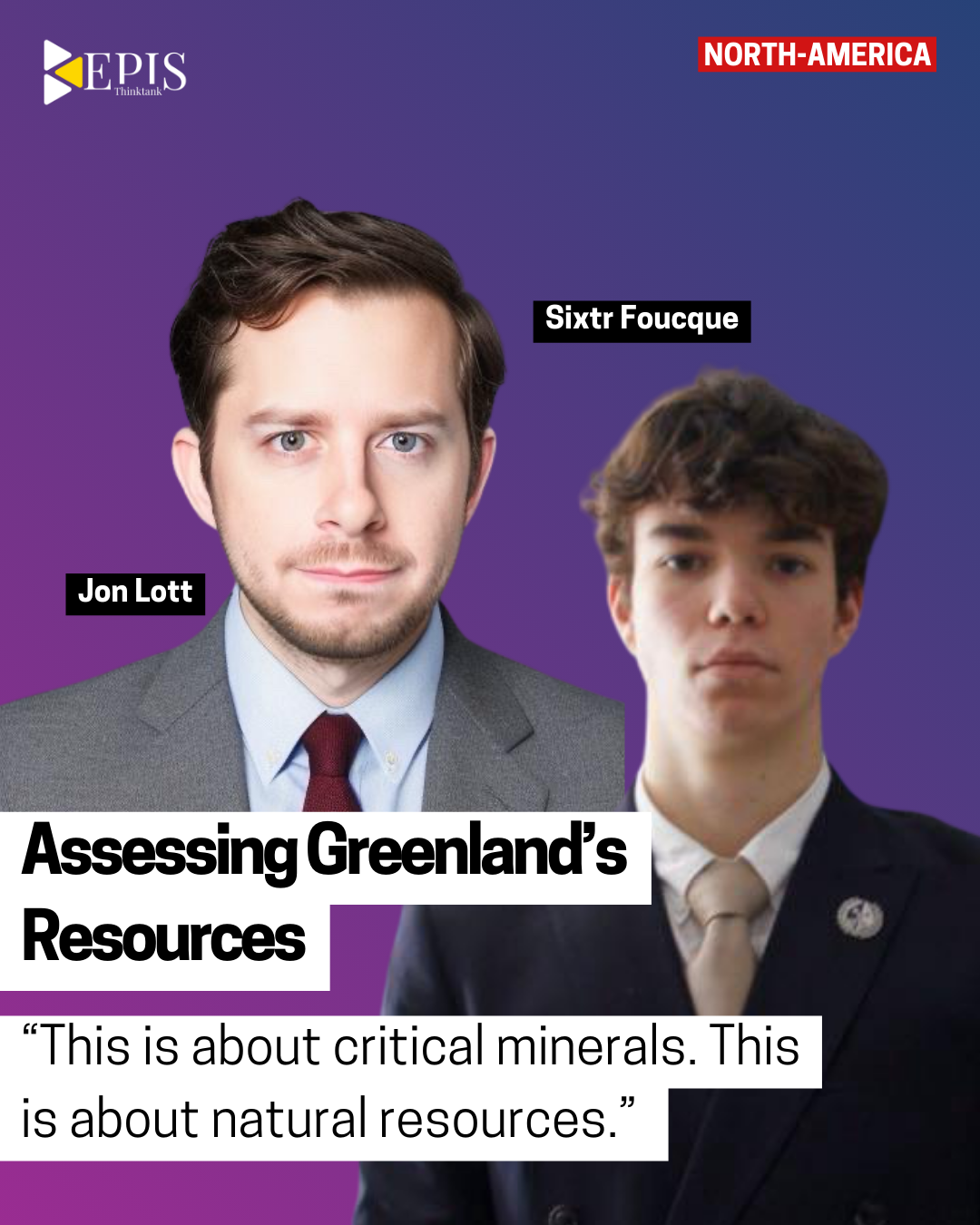
Assessing Greenland’s Resources
1. Explores Greenland’s vast mineral resources 2. Greenland is oil and mineral rich making it attractive to relevant states in the arctic region 3. Greenland is, and will continue, to be relevant because of the points made above.
-
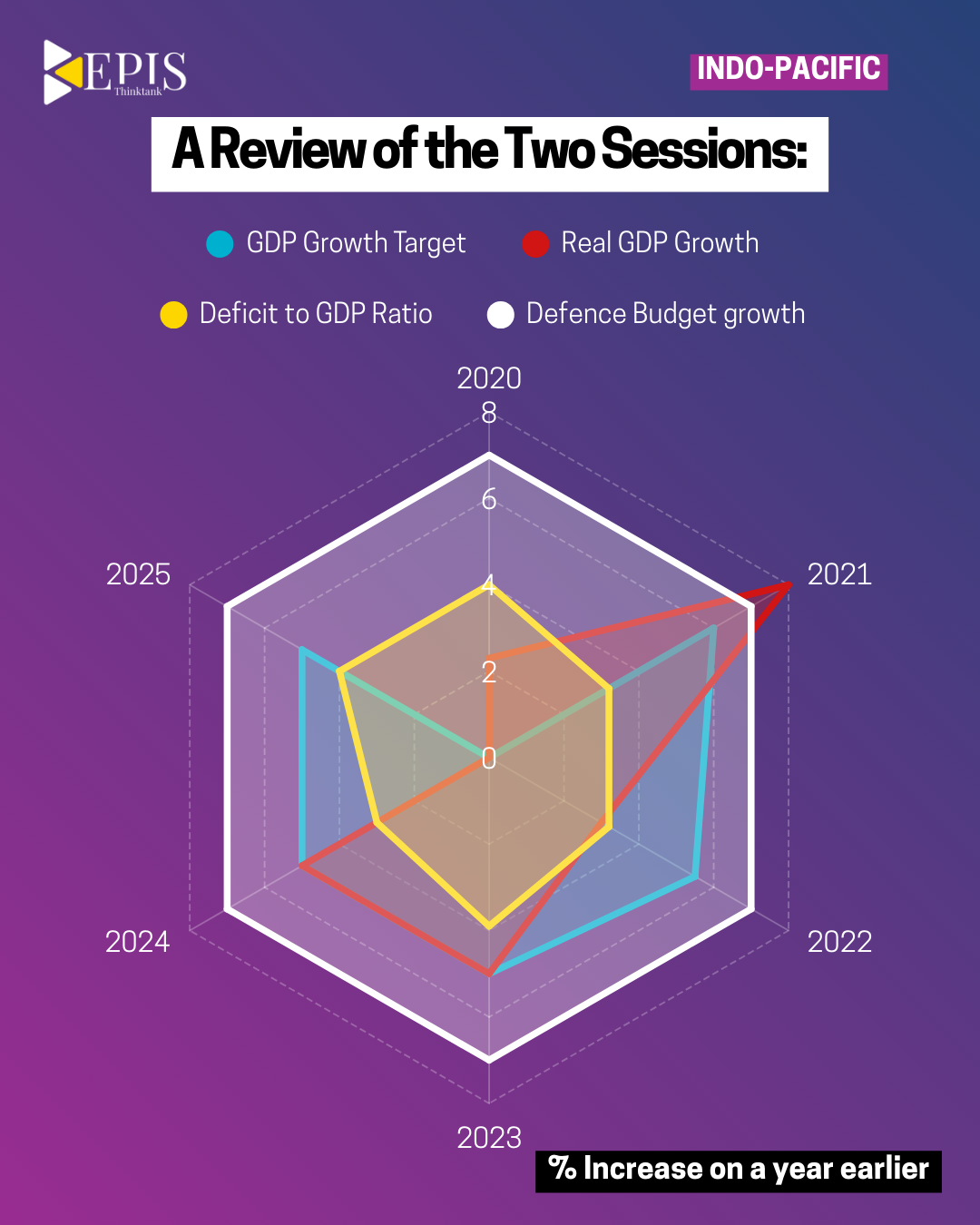
A Review of the Two Sessions
1. **Main Question:** What are China’s policy priorities for the coming year? 2. **Argument:** China aims for 5% GDP growth, focusing on stimulating domestic consumption and supporting private enterprises, while increasing defense spending and managing debt. 3. **Conclusion:** China faces economic challenges but is pursuing ambitious growth targets via fiscal and monetary policies and strategic…
-
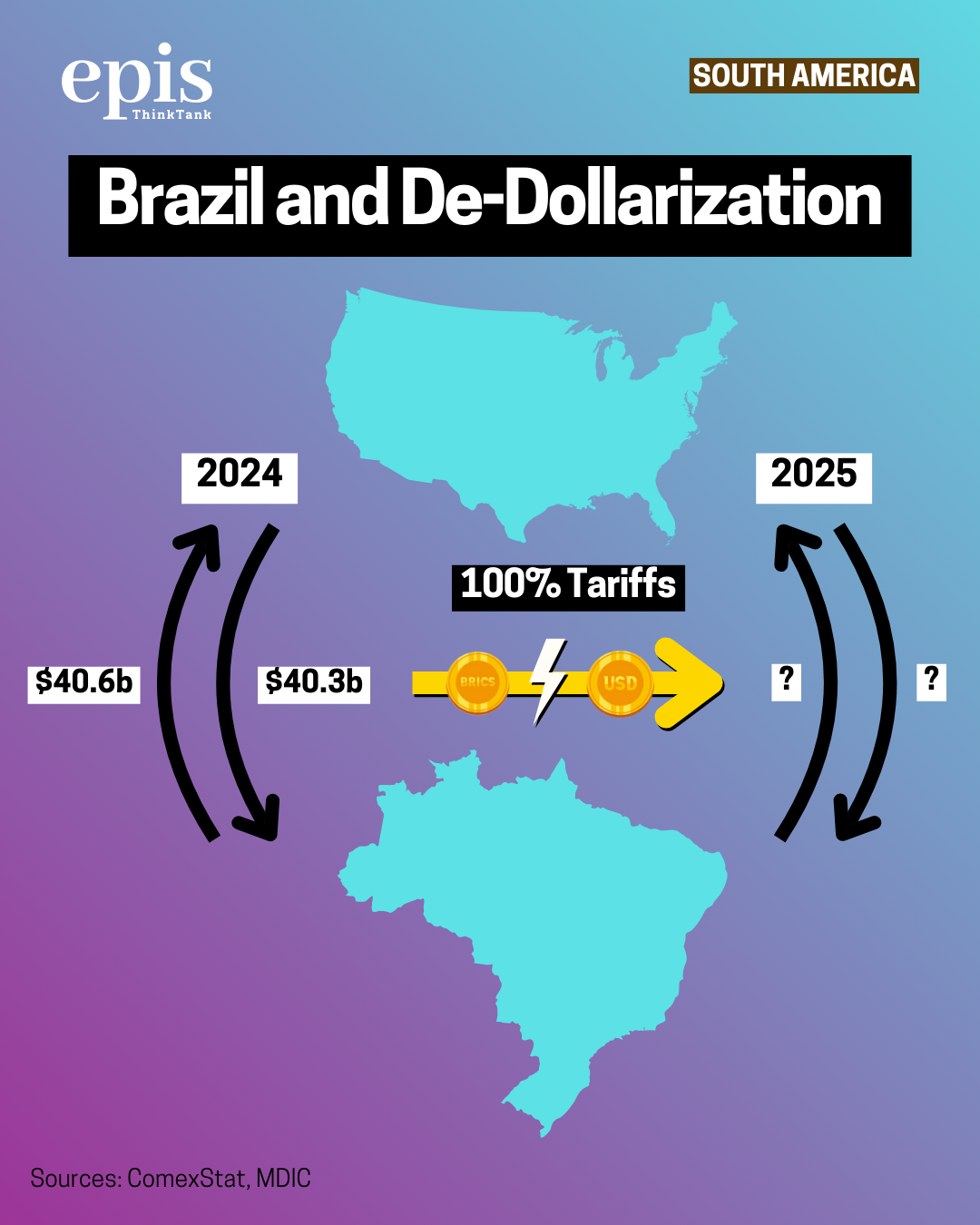
Brazil and De-dollarization
How will Brazil’s BRICS presidency in 2025 affect global de-dollarization efforts and U.S. relations? Brazil’s leadership of BRICS prioritizes developing alternative payment methods and reducing dollar dependency. The initiative faces significant challenges as Trump threatens 100% tariffs on BRICS nations pursuing de-dollarization, creating tension between Brazil’s regional leadership ambitions and its substantial U.S. trade relationship.
-
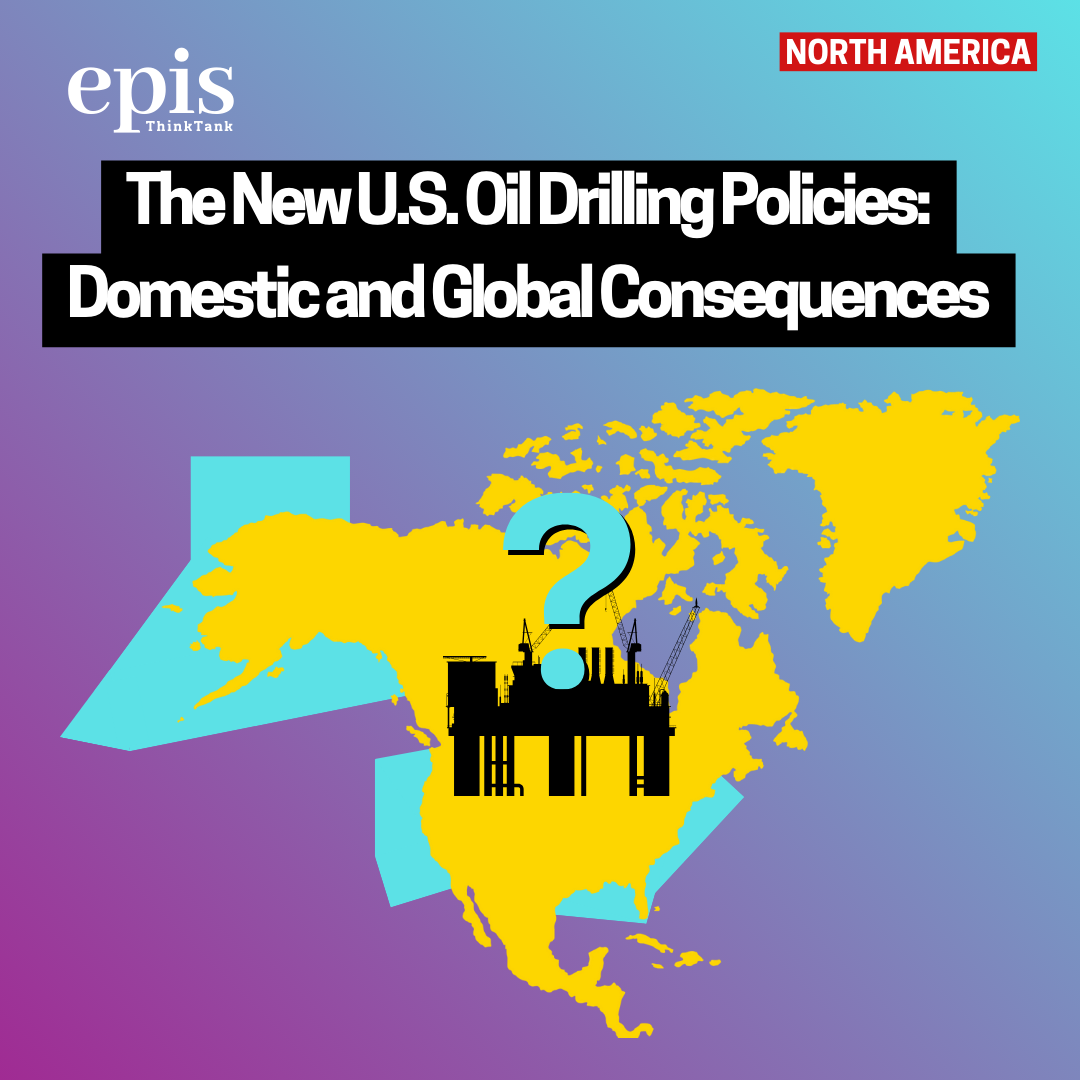
The U.S New Oil Drilling Policies
How will Biden’s offshore oil drilling ban affect U.S. energy policy and global relations?Biden’s ban seeks to protect ecosystems and combat climate change but could weaken U.S. energy control, potentially leading to greater reliance on oil imports and altering global energy geopolitics.The ban represents a commitment to environmental leadership but risks diminishing U.S. influence in…
-
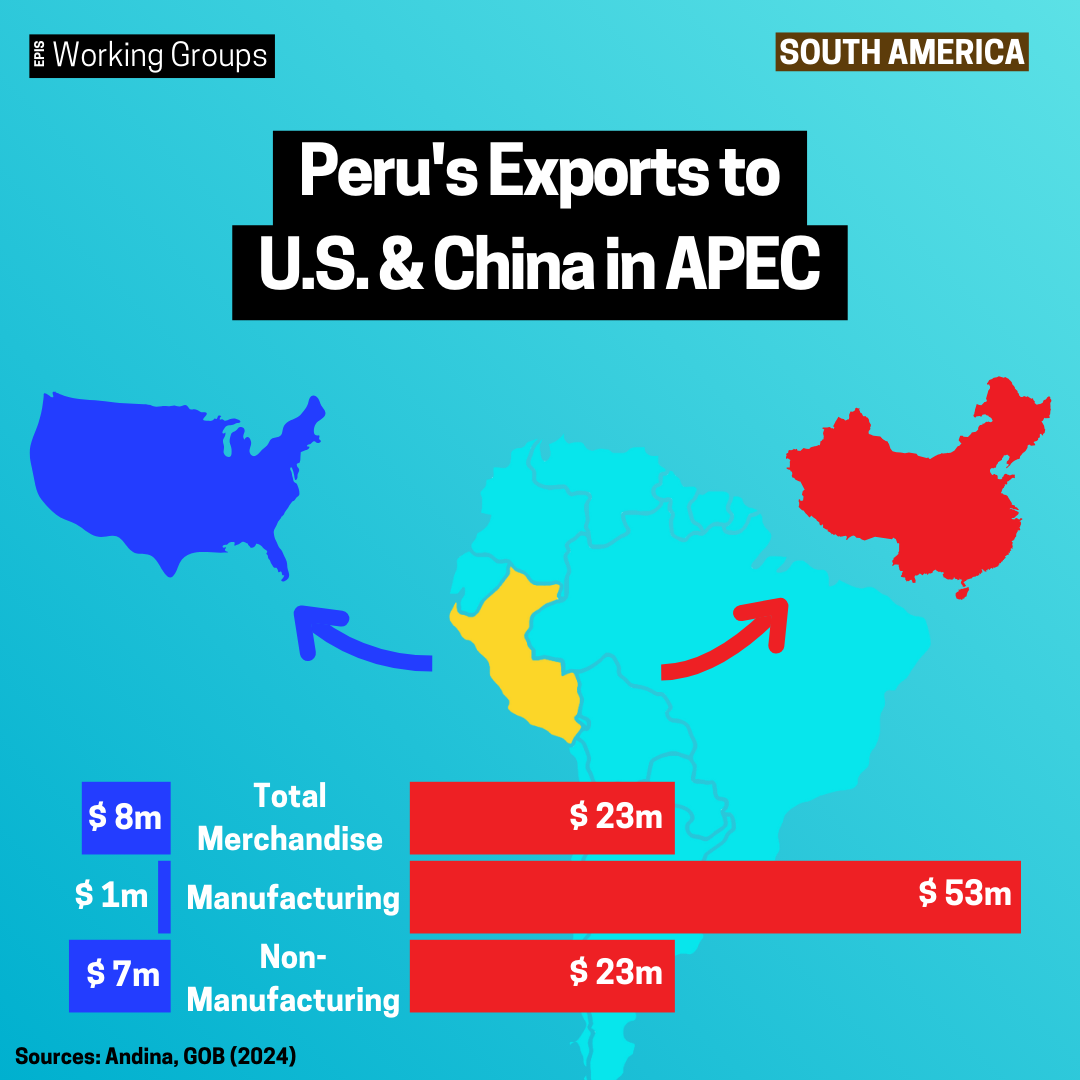
Peru’s Exports to U.S. & China in APEC
Main Question: How is the competition between China and the U.S. shaping Peru’s role as a trade hub in the Pacific? Argument: The 2024 APEC Summit highlighted China’s growing influence in Peru, exemplified by the Chancay Megaport, while U.S.-Peru ties face uncertainty due to President-elect Trump’s tariff plans. Conclusion: Peru’s strategic infrastructure projects position it…
-
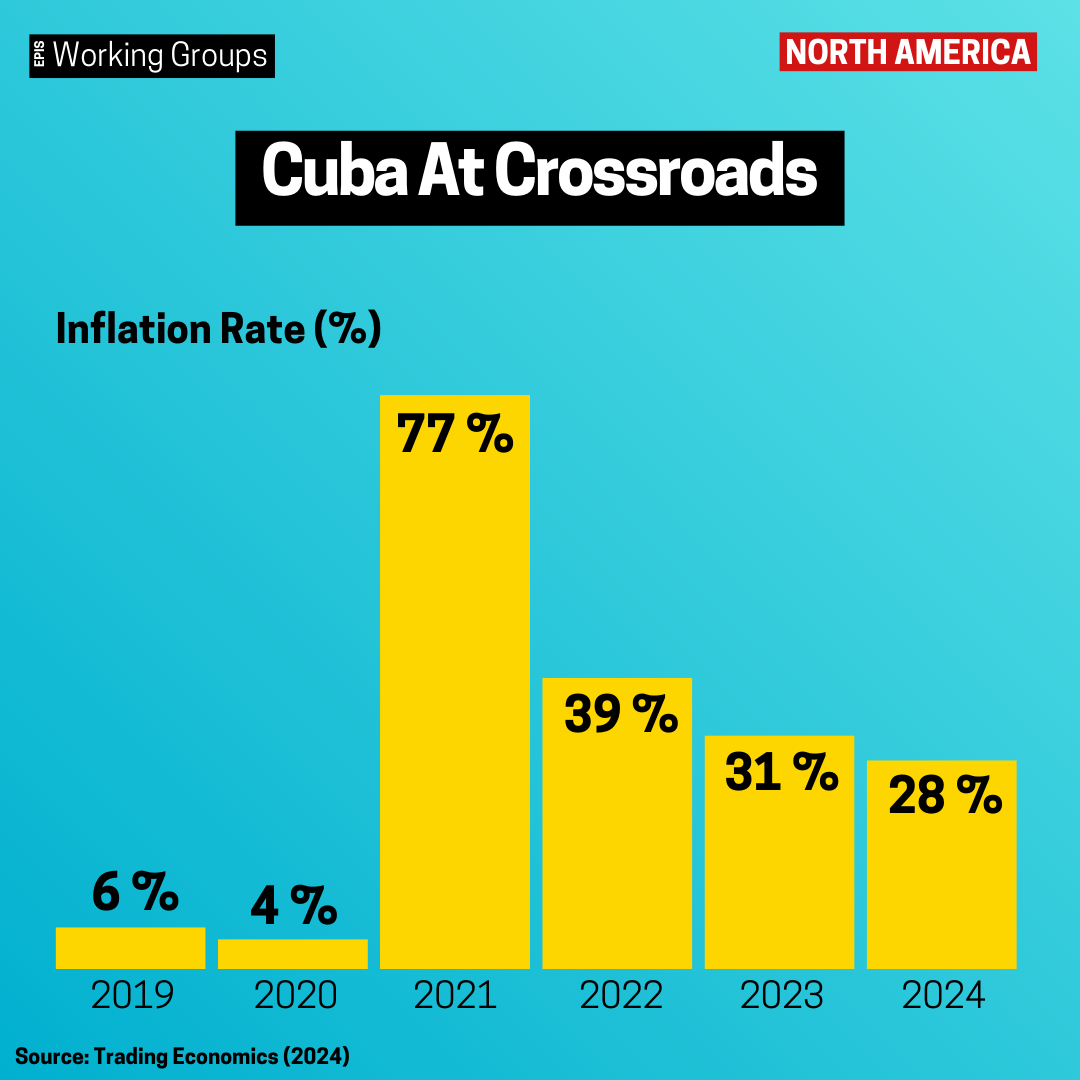
Cuba at Crossroads
1. How the current economic crisis affects the international relations of Cuba. 2. The Cuban regime is facing a major crisis that could potentially undermine its grip on the island. 3. Cuba needs to rely on foreign powers such as Russia to maintain the status quo.
-
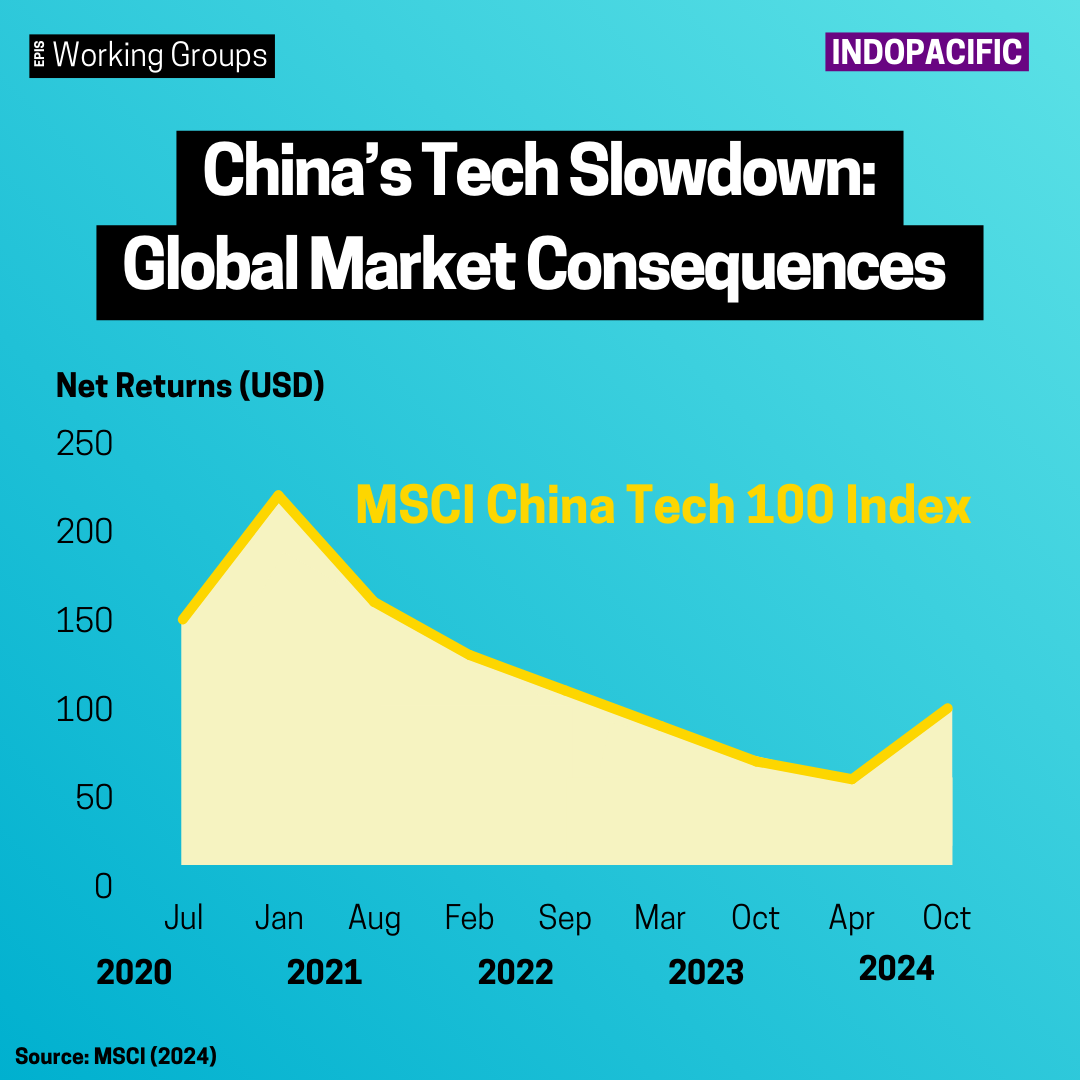
China’s Tech Slowdown Has Widespread Consequences for the Global Market
China’s tech sector faces slowing growth, falling profits, and increased uncertainty, worsened by U.S. tariffs and geopolitical tensions.
-
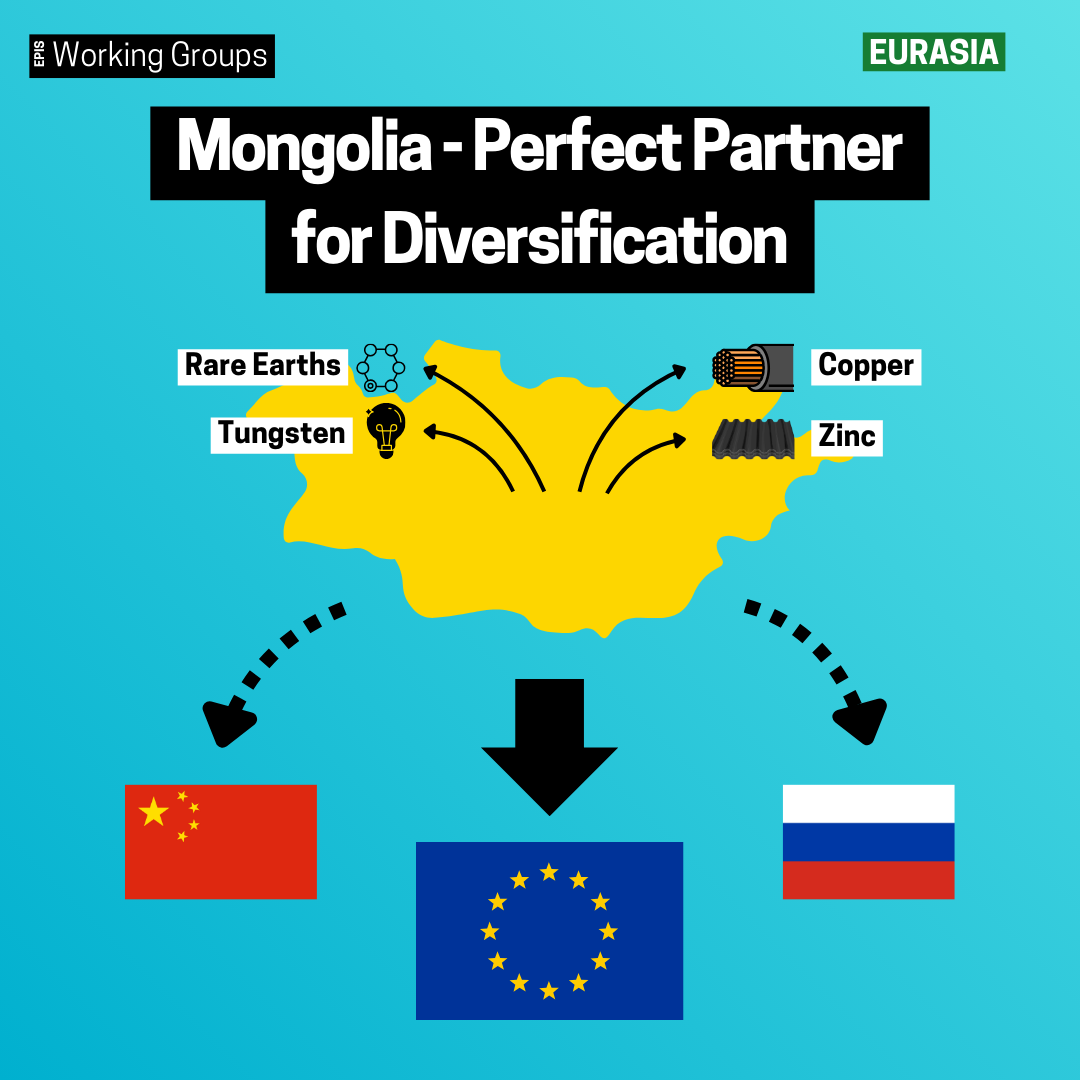
Mongolia’s Strategic Relevance for European Diversification Efforts
Mongolia is an attractive partner to diversify partnerships of European countries. Its raw materials and strategic location make it valuable.