Category: Artificial Intelligence & Cybersecurity
-
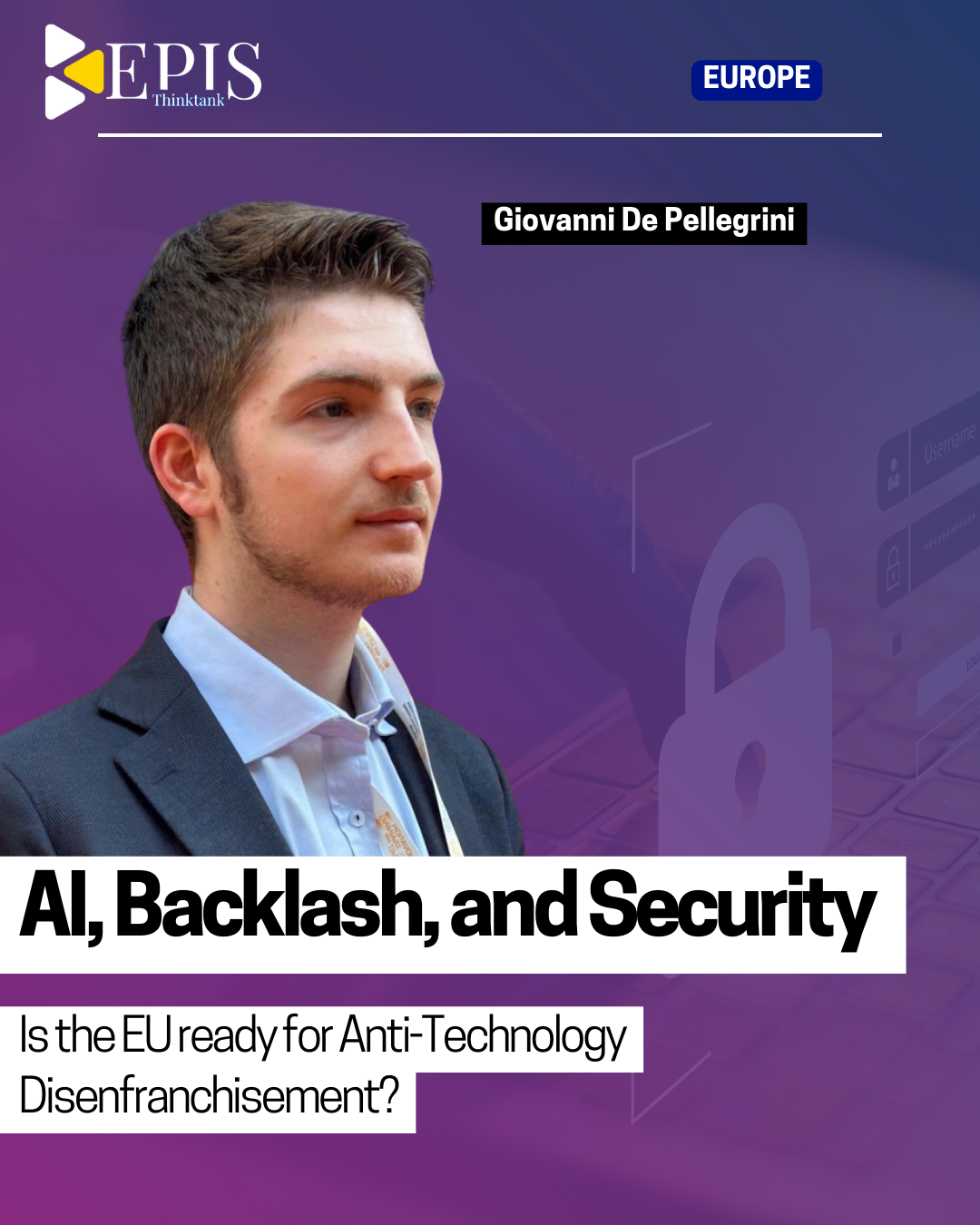
AI, Backlash, and Security
Is the EU ready to face anti-technological violence? No, it’s not. It should address the issue from two perspective: the one of security, and the regulation and policy level.
-
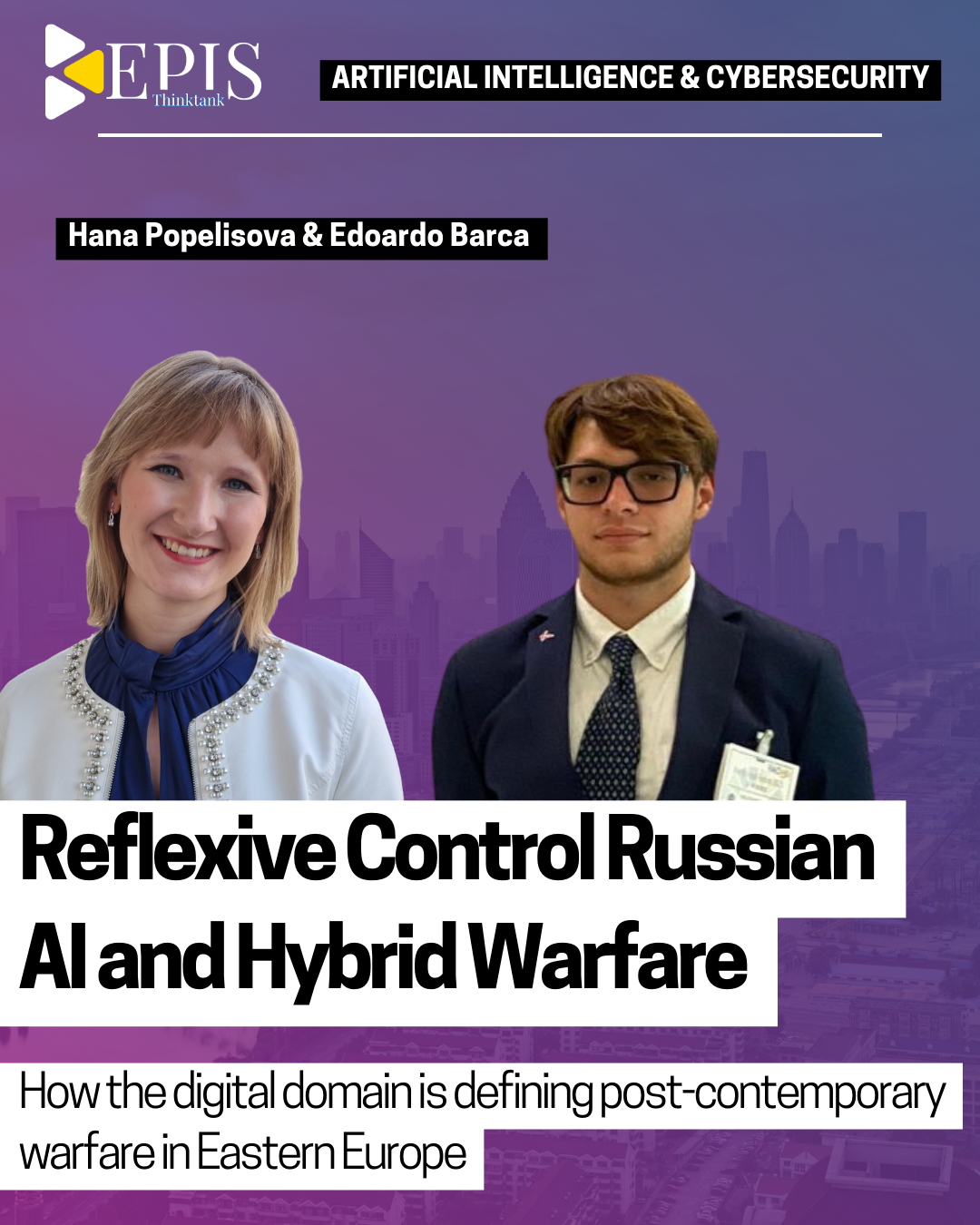
Reflexive Control: Russian AI and Hybrid Warfare
How does Russia leverage AI and the digital domain to destabilise Eastern Europe’s security architecture? Moscow utilises an automated ecosystem of generative AI, cyber-kinetic attacks, and domestic proxies to exploit societal fractures, inducing strategic paralysis in “in-between” states. To counter this, nations must move beyond technical fixes toward context-specific reforms that protect electoral integrity and…
-

The Hidden Machinery of Immigration Enforcement:
The latest contract between U.S. Immigration and Customs Enforcement and Zignal Labs expands the agency’s use of an “unseen system” of pervasive digital tools for migration enforcement. The irreducibly digital dimension of contemporary democratic governance is increasingly strained by nascent digital authoritarianism. As surveillance technologies pervade executive agencies, their effects extend beyond immigration enforcement and…
-

Perception Disorder
How strategically used information on social media platforms shapes public perception during contemporary conflicts? Both false and factually correct content can be deployed to manipulate audiences, reinforce binary narratives, and heighten polarization. Information whether false or factually correct, can be used strategically on social media platforms to distort perception of users about global events.
-

Cybersecurity of the Seabed
How vulnerable are Europe’s submarine cables to hybrid threats, and what does this mean for maritime cybersecurity? Physical exposure, digital weaknesses and governance gaps make these cables prime targets for state actors. Protection requires stronger monitoring and EU-NATO coordination.
-

Inside the World Forum for Democracy, 2025
How can democracies worldwide confront rising polarization and digital era threats while strengthening civil engagement? Polarisation, misinformation, and weakened trust demand new tools. We need to counter them with AI, stronger digital media presence, and other innovative solutions. Democracies must remain resilient through innovation, AI regulation, reclaiming online spaces, all while rebuilding trust.
-
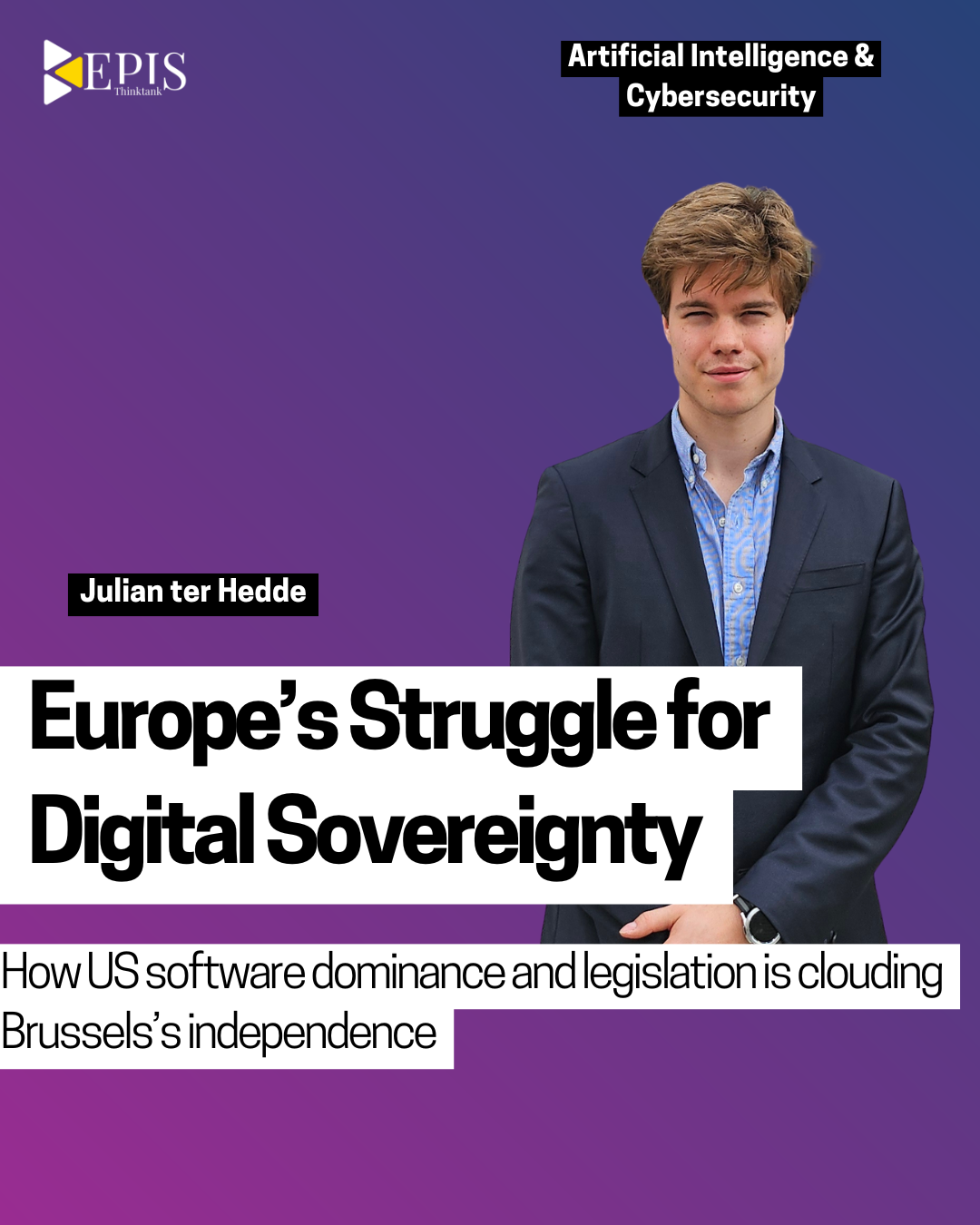
Europe’s Struggle for Digital Sovereignty
How vulnerable is Europe’s digital infrastructure to foreign control? The ICC case, other European cases and US tech dominance expose the dependence on US software and cloud infrastructures, undermining digital sovereignty. Europe must prioritise cyber independence through investment, cooperation and secure, EU-based infrastructure.
-
AI in Defence
How is AI used in cybersecurity and critical infrastructure defense in Europe? AI amplifies attacks and defenses, widening threats and needing better talent and operational practices. Europe must improve skills, operations, and selective cooperation to strengthen cyber resilience.
-
AWS Regulation: Accountability & IHL
Can existing laws adequately govern Autonomous Weapons Systems (AWS)? A regulatory framework, not a ban, ensures accountability and civilian protection. Current international law can regulate AWS responsibly while allowing strategic use.
-
Policy Recommendations
How can AI be used safely in NATO and EU cyber operations? AI boosts cyber defence but needs oversight, security, and coordination. Combining AI with regulation and collaboration strengthens defence and accountability.