Tag: Cyber Defence-Protection & Cooperation
-
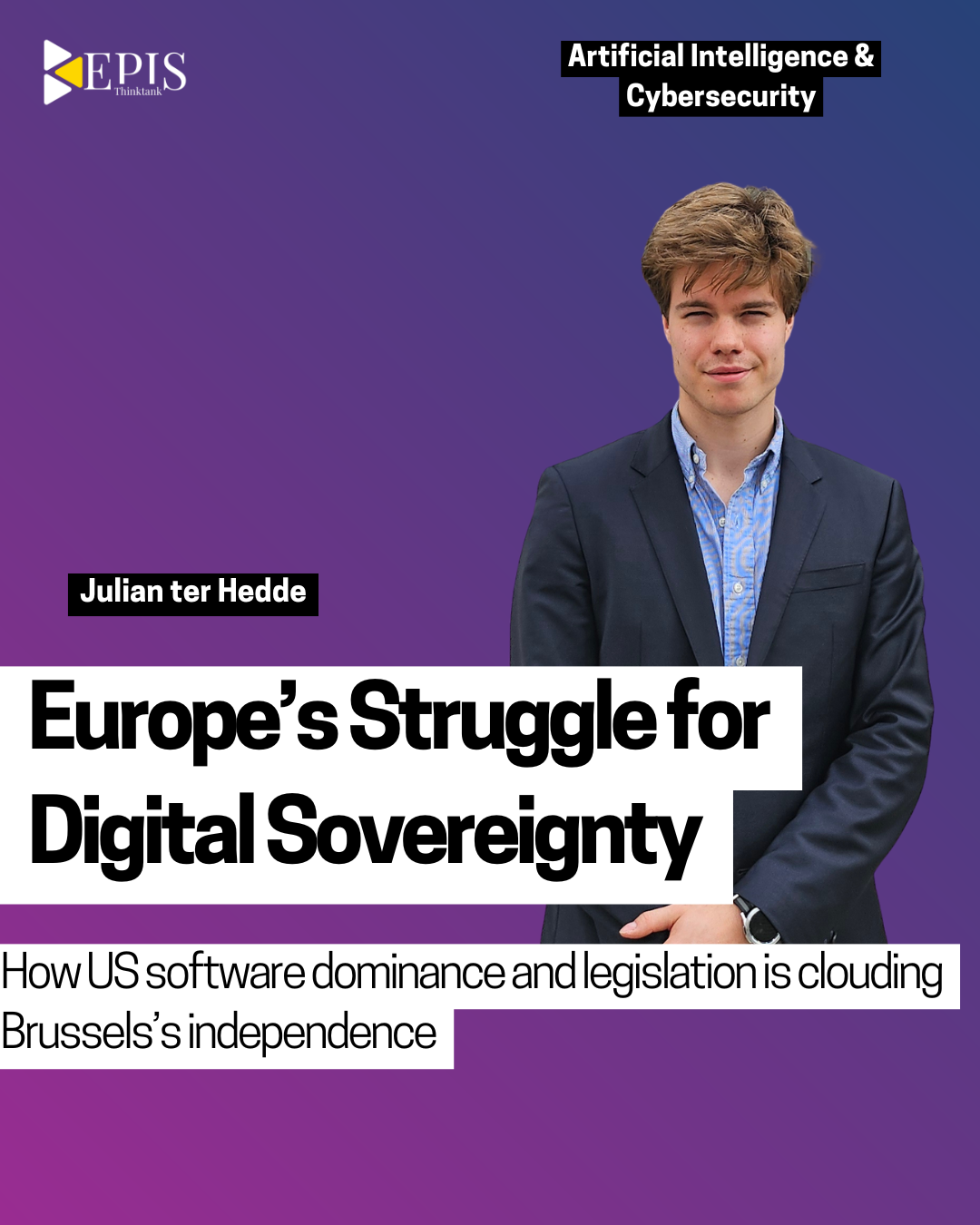
Europe’s Struggle for Digital Sovereignty
How vulnerable is Europe’s digital infrastructure to foreign control? The ICC case, other European cases and US tech dominance expose the dependence on US software and cloud infrastructures, undermining digital sovereignty. Europe must prioritise cyber independence through investment, cooperation and secure, EU-based infrastructure.
-
AI in Defence
How is AI used in cybersecurity and critical infrastructure defense in Europe? AI amplifies attacks and defenses, widening threats and needing better talent and operational practices. Europe must improve skills, operations, and selective cooperation to strengthen cyber resilience.
-
AWS Regulation: Accountability & IHL
Can existing laws adequately govern Autonomous Weapons Systems (AWS)? A regulatory framework, not a ban, ensures accountability and civilian protection. Current international law can regulate AWS responsibly while allowing strategic use.
-
Policy Recommendations
How can AI be used safely in NATO and EU cyber operations? AI boosts cyber defence but needs oversight, security, and coordination. Combining AI with regulation and collaboration strengthens defence and accountability.
-
Turkey’s Media and the Rise of Misinformation
How has Turkey’s politics shaped its information ecosystem? The AKP and President Erdoğan control the media and manipulate narratives. Turkish media is regulated, polarised, and press freedom is limited.
-
Technological Aspect of an Emerging Market
How is AI changing modern warfare? AI boosts targeting, intelligence, and autonomy in combat. Militaries must pair AI with oversight and regulation.
-
AI and the Future of Warfare
How does AI impact modern warfare and IHL compliance? AI weapons and cyber tools boost military power but risk civilian harm and legal accountability. Human oversight and regulation are crucial to ensure AI respects IHL principles.
-
AI in Peace Negotiations
How can AI support peace negotiations? AI can enhance conflict analysis, translation, and decision-making, addressing key challenges in complex peace processes. AI offers significant benefits but must remain a supportive tool under strict regulatory frameworks.
-
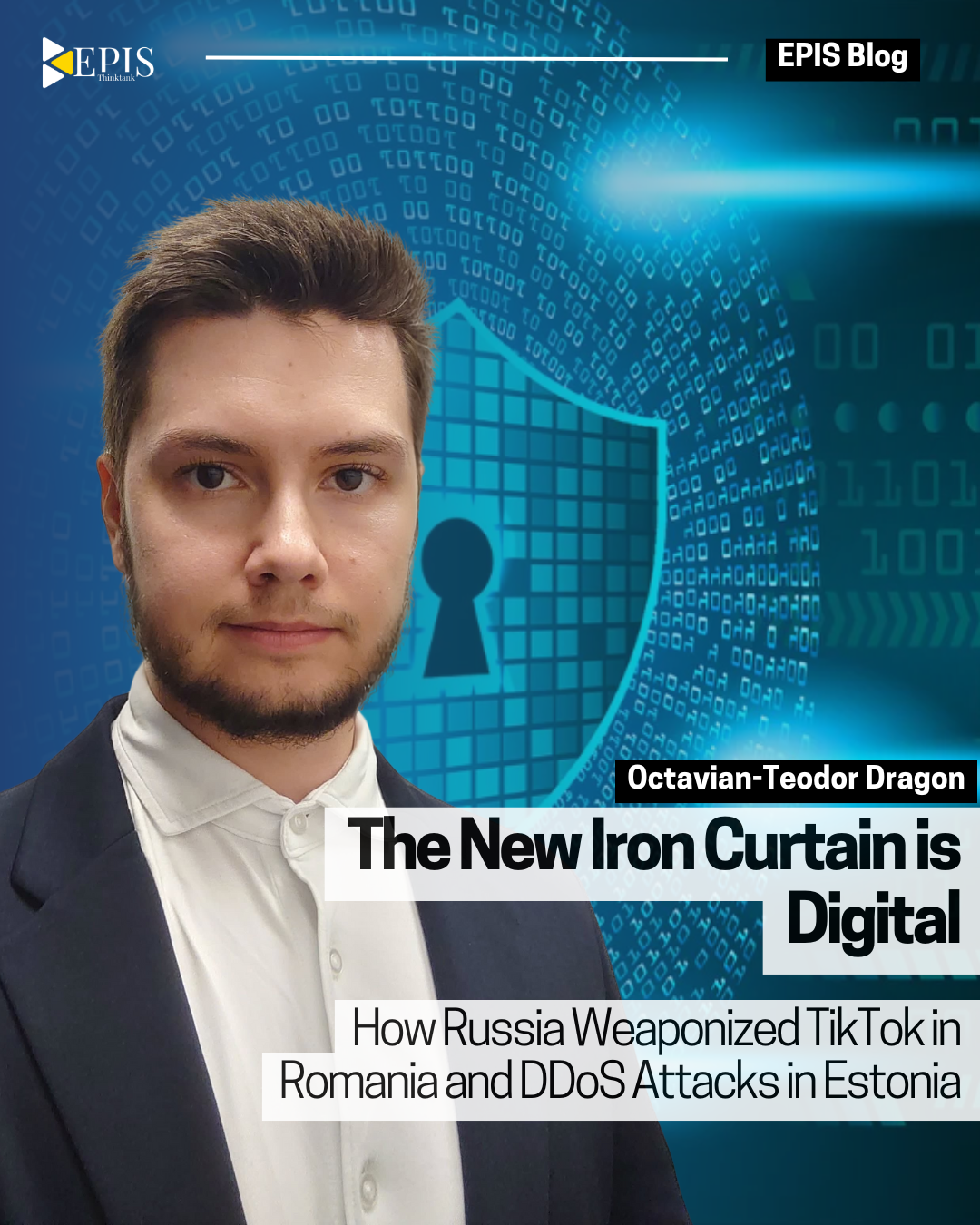
The New Iron Curtain is Digital
(1) How are Estonia and Romania countering Russian digital threats, and what lessons emerge from their responses? (2) Estonia built strong cyber defenses after past attacks; Romania faced election interference via TikTok and disinformation. (3) To protect democracy, the EU must boost cybersecurity, enforce strict protocols, and raise public awareness.
-
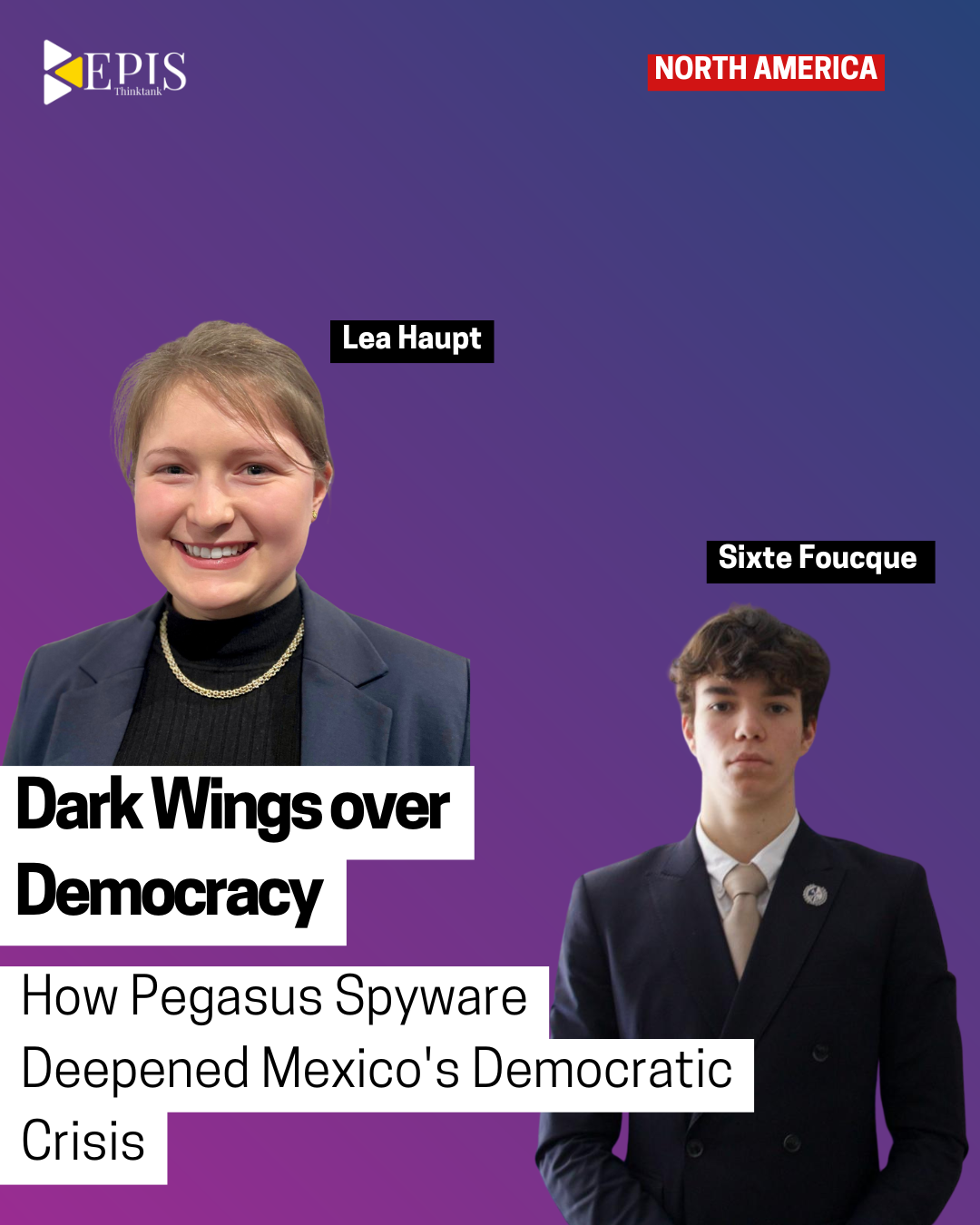
Dark Wings over Democracy
Mexico’s Attorney General is investigating former president Enrique Peña Nieto for accepting $25 million in bribes from Israeli businessmen for Pegasus spyware contracts. Originally intended for criminal surveillance, Pegasus was widely abused in Mexico: agencies like the army used it to spy on journalists, activists, lawyers, and political opponents across multiple administrations. Despite promises to…