Category: Peacekeeping & Conflict Prevention
-
Conflict-Related Sexual Violence
What are current discourses about conflict-related sexual violence? The world is currently experiencing the highest number of conflicts since the Second World War, exposing civilians to increased levels of conflict-related sexual violence (CRSV), exacerbated by arms proliferation, disregard for international law and increasing militarisation. CRSV is complex and multifaceted in nature, shaped by intersecting dynamics…
-
Peacekeeping After the Russia-Ukraine War
What impact does Russia’s war of aggression against Ukraine have on peacekeeping? Russia’s 2022 invasion of Ukraine as a permanent Security Council member lays bare the UN’s structural contradictions, eroding its legitimacy and paralyzing peacekeeping amid great-power conflicts. The future of global peacekeeping hinges on bold reforms to bridge the gap between the UN’s ideals…
-
AI in Conflict Prevention
What are the potentials and challenges of the use of AI in conflict prevention? The integration of AI demands inclusive governance frameworks, ethical reflection, and sustained interdisciplinary collaboration. To ensure that AI serves as a force for peace rather than an instrument of surveillance or control, future efforts must center on transparent, participatory, and context-sensitive…
-
The Link Between Migration And Terrorism
Main question: How do different forms of migration impact international terrorist incidents? Argument: Humanitarian migration, due to socio-economic vulnerabilities and integration challenges, is more linked to increased terrorism risk than non-humanitarian migration, which tends to reduce it. Conclusion: While humanitarian migration shows a small positive correlation with terrorism, its overall impact is minimal.
-
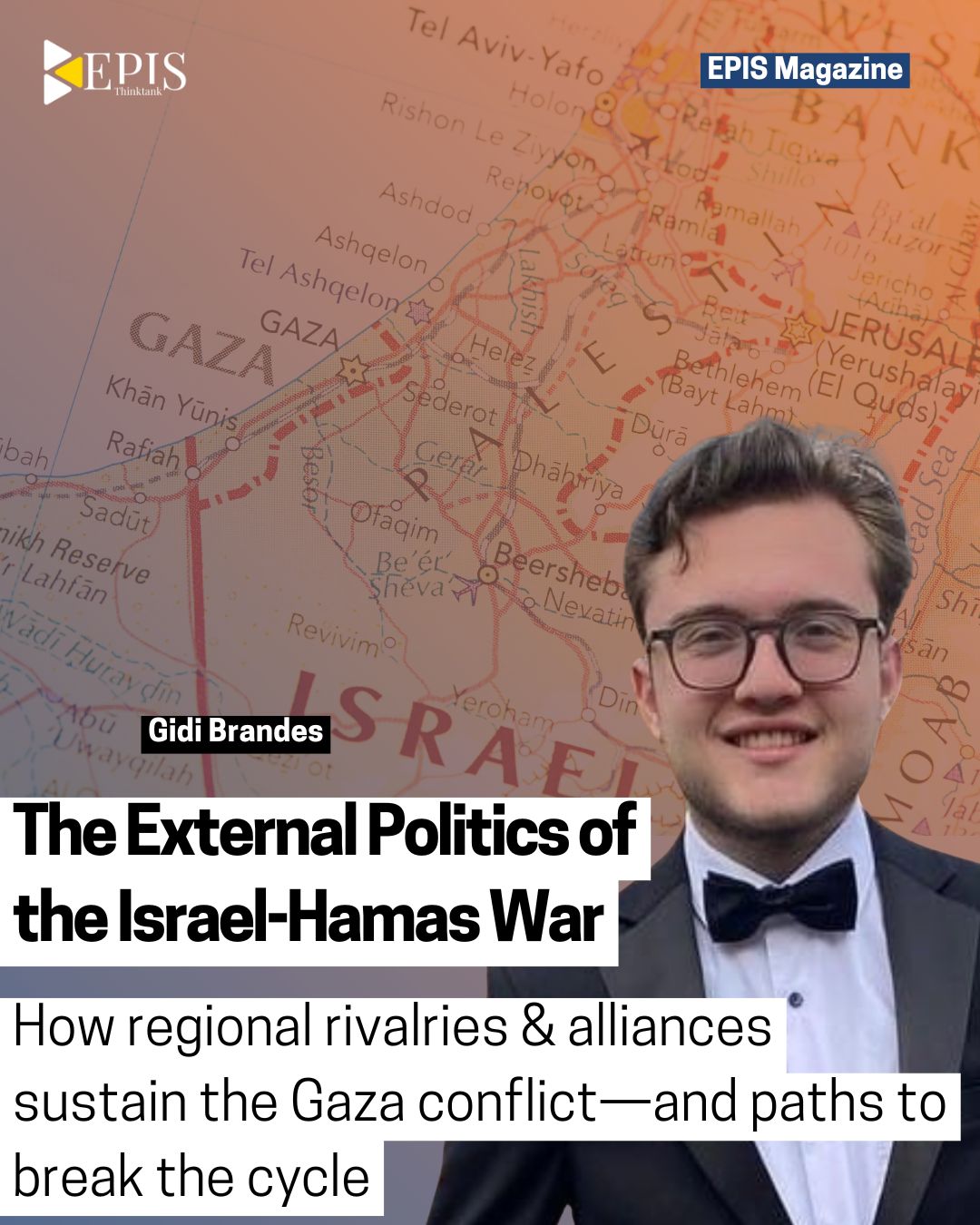
The External Politics of the Israel-Hamas War
Main Question: Why does the Gaza war persist despite international efforts to end it? Argument: Regional powers exploit the Gaza conflict to advance strategic interests, fueling its continuation. Conclusion: Only by reshaping regional incentives and fostering genuine cooperation can the cycle of violence be broken.
-

Lessons from the European Police Congress
1. Artificial intelligence, in conjunction with OSINT, is supercharging policework. 2. Drones, once primarily used by hobbyists and military personnel, are increasingly finding a role in police forces across the world. 3. Other more traditional technological advances (vehicles, armor, weaponry) remains important, and new innovations are being made.
-
Beyond the Massacre River
1. How has the Pittobert Canal project intensified long-standing border tensions between Haiti and the Dominican Republic?; 2. Despite the Canal being crucial for Haiti’s agriculture and sovereignty, the Dominican Republic sees is it as a violation of bilateral treaties of 1929 and a national security threat, leading to border closures, military responses, and mass…
-
Bukele’s El Salvador
How has President Bukele’s approach to violent crime affected regional crime (and his popularity)? Despite criticism from human rights groups, homicide continue dropping, and Bukele’s popularity is soaring. Bukele’s “mano dura” approach to violent crime, immigration, and democracy are an inspiration to conservatives across the Americas.
-
Rojava
How has Rojava become a unique governance model during Syria’s civil war, and what challenges does it face amid a changing regime? Rojava’s grassroots democracy emphasizes equality, sustainability, and inclusivity. Yet, shifting dynamics in Syria bring risks: tensions with HTS, threats from Turkey, and limited global support challenge its autonomy. Despite this, Rojava symbolizes hope…
-
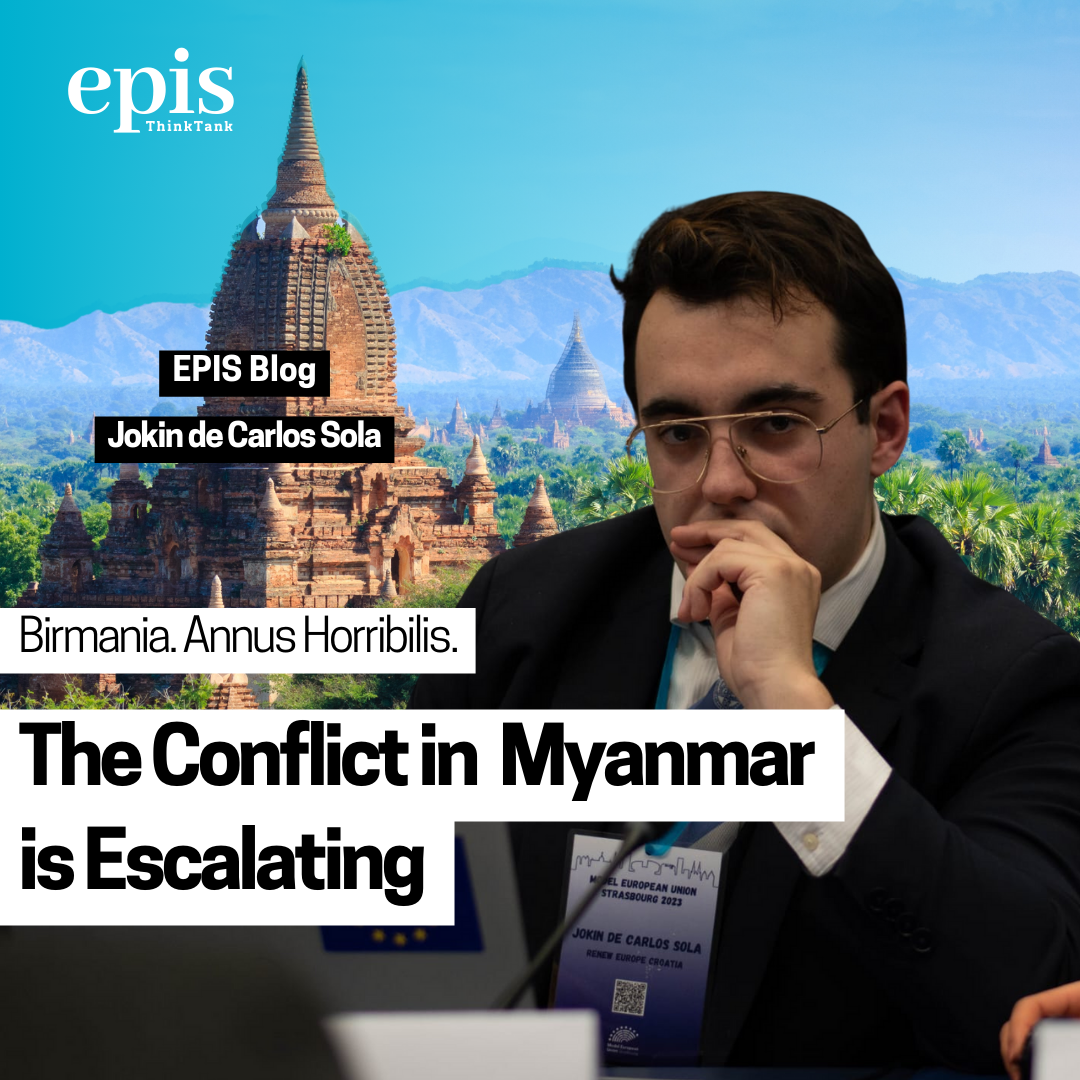
The Conflict in Myanmar is Escalating
The main question is what lies in the future ahead for Myanmar. For it I make a comparison with the conflict in the Congo back in the 90s as well as see the different position of foreign actors. My conclusion is that the military might lose power but that wont necearily bring peace to region.