Category: Peacekeeping & Conflict Prevention
-
South Sudan’s Potential Descent into Crisis
The main question is, how can history help us better understand and put the current 2025-2026 crisis into context. South Sudan’s stability is undermined by historic ethnic grievances, but also important to note but often left out in the discourse is by the extractive resources economic model that incentivizes leadership to use identity-based violence as…
-
When Mediation Becomes Power Politics
Under what political conditions does peace mediation contribute to genuine conflict transformation? The article argues that peace mediation loses its normative core and political effectiveness when it is instrumentalized as coercive, interest-driven diplomacy. Sustainable peace mediation requires clearly drawn normative boundaries that strictly separate facilitative process support from political control.
-
NATO-KFOR’s Deterrence in Northern Kosovo
Is NATO-KFOR effective enough in addressing the security threats Kosovo faces? KFOR either needs reform to better address the ongoing threats facing Kosovo and its institutions, or it should begin a transition to the Kosovo Security Forces (KSF). Urgent need for Kosovo’s Security Framework to evolve and become self-sufficient, ideally through modernising and transforming the…
-
All Theory, No Practice?
Ever since its genesis, impartiality has epitomised a core principle of UN peacekeeping. However, developments towards robust peacekeeping, like the implementation of MONUSCO’s Force Intervention Brigade, catalysed doubts about whether the UN would be able to uphold its self-imposed commitment to impartiality on the ground. While the changing nature of conflict requires peace operations to…
-

Water Diplomacy and River Basin Organisations
This article discusses how unilateral mega-infrastructure projects generate conditions of water stress and asks whether river basin organisations function as effective peacebuilding apparatus in the Eastern Nile Basin. This article considers the institutional design and technological mechanisms that support the trust-building and knowledge-sharing capacity of transboundary water governance.
-
Ending UNIFIL
What will happen when UNIFIL leaves Lebanon after years of peacekeeping? UNIFIL has been an important anchor of stability in the region. However, the mission failed to achieve its mission objective: The restoration of international peace and security. The Withdrawal will leave a power vacuum with and an uncertain future for an already fragile region.
-
How History Informs Ideas of Taiwanese Sovereignty
How have historical experiences shaped competing ideas of Taiwanese sovereignty, and why does this history continue to structure contemporary cross-Strait tensions? The article argues that Taiwanese sovereignty cannot be understood as a purely legal or contemporary political question. The persistence of the Taiwan question reflects the collision of historical memory, identity formation, and great-power rivalry…
-
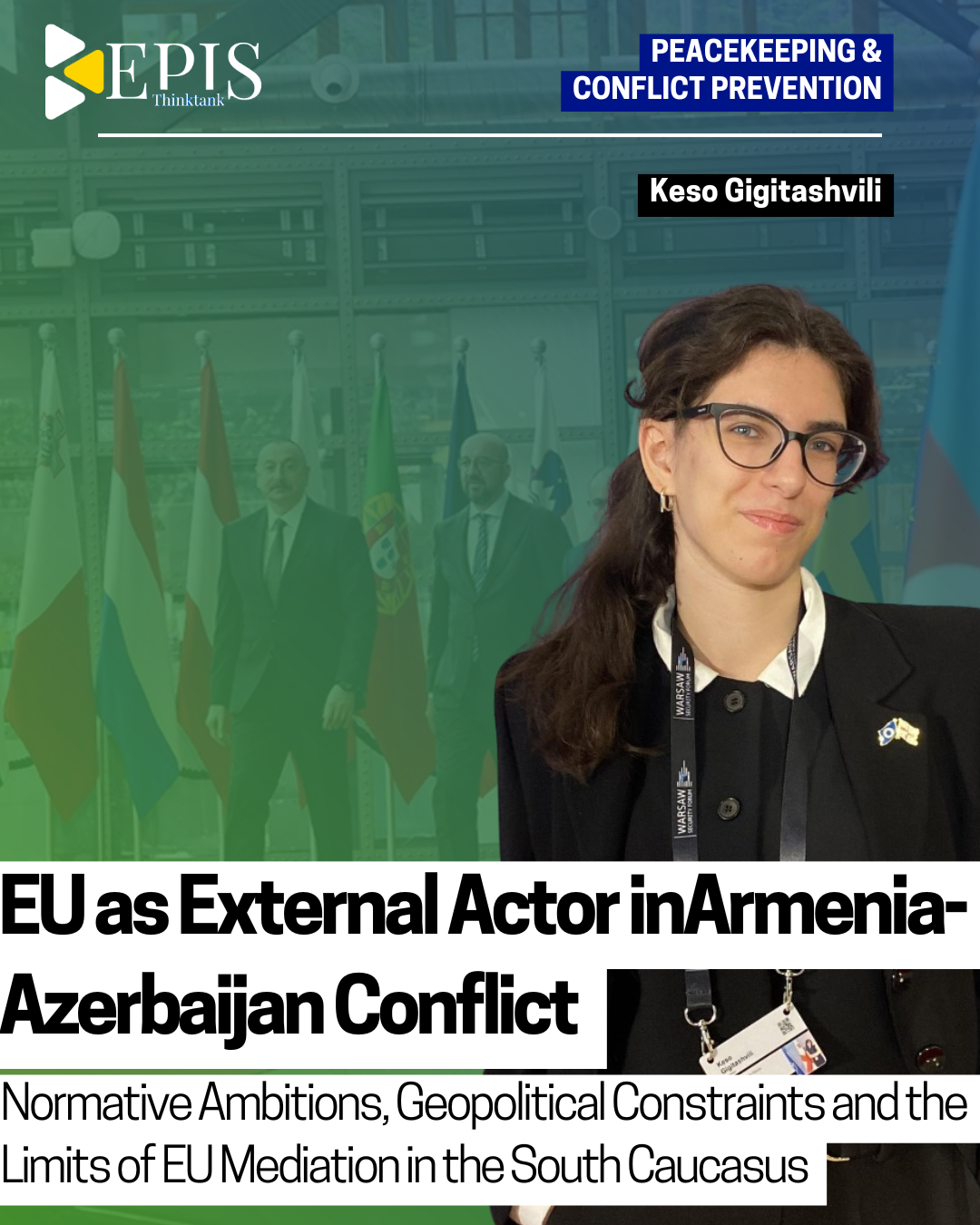
The EU as an External Actor in the Armenia-Azerbaijan Conflict
– How effective is the EU as an external actor in the Armenia-Azerbaijan conflict? -The EU’s normative ambitions and soft power engagement are constrained by political divisions, lack of hard security tools, and competition from Russia, Turkey, and the US. -While politically meaningful, EU efforts remain strategically limited; its credibility depends on unity, stronger security…
-
The Rohingya Crisis
Why has China blocked attempts to invoke the Responsibility to Protect doctrine in the Rohingya crisis in Myanmar? The failure to invoke R2P in response to the Rohingya crisis cannot be explained by humanitarian considerations alone, but must be understood through the lens of great-power politics and national interests. Humanitarian concerns are overshadowed by China’s…
-

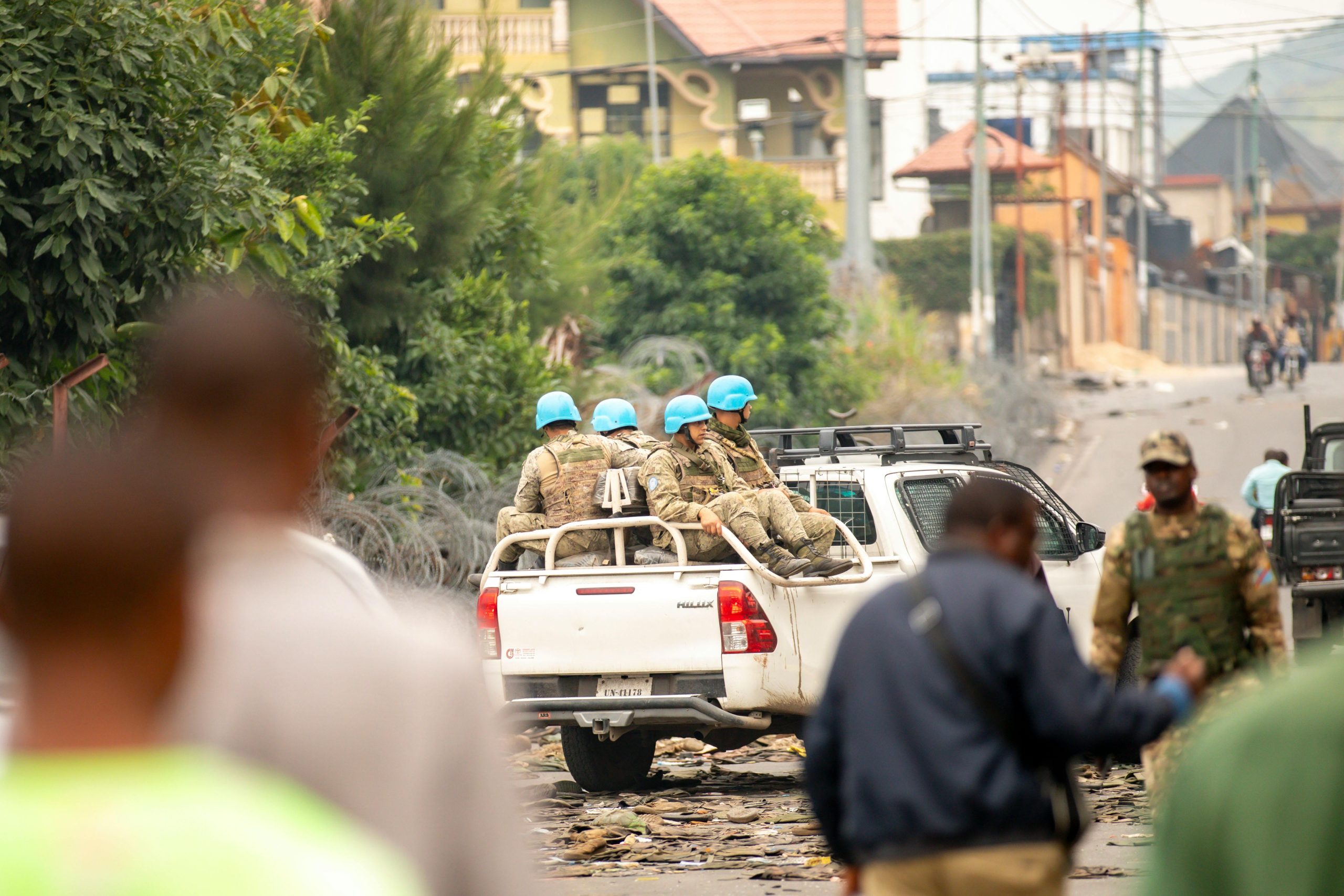
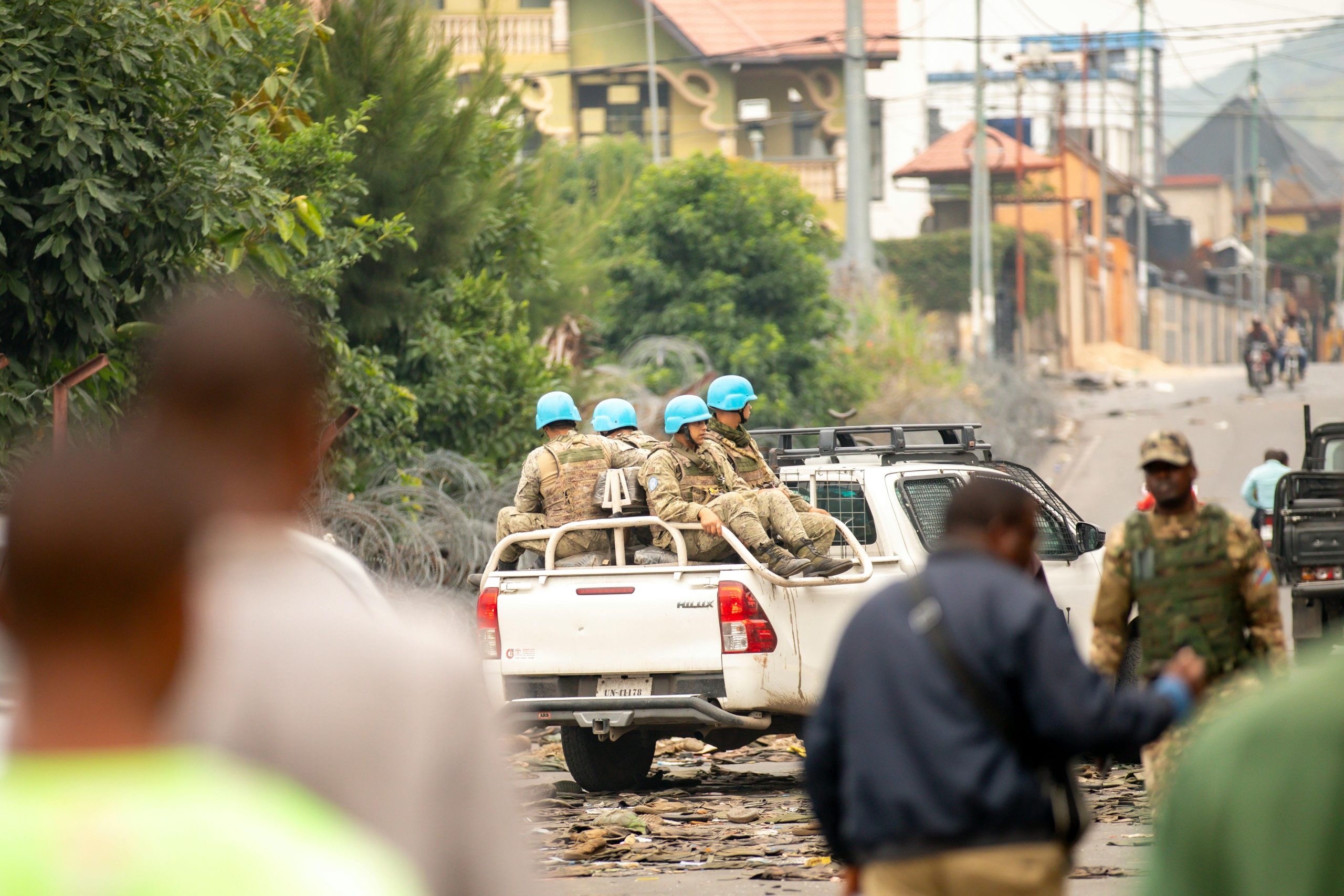
Blue Helmets, Yellow Tape
Who are the Blue Helmets and what do they do? The Blue Helmets are the military peacekeeping personnel of the United Nations and seek to facilitate third-party peacekeeping. There are strict conditions for their allocation and deployment, as they are a last resort for international peacekeeping efforts.