Category: Human Rights & Humanitarian Aid
-
Petro’s Challenge: Decolonising R2P in Gaza
This brief examines how Colombian President Petro’s call for R2P intervention in Gaza challenges Western selective enforcement of humanitarian norms. It argues that Petro exposes how imperial powers control intervention based on geopolitical interests, not humanitarian need. Drawing on Latin America’s shared colonial history with Palestine, Petro reclaims R2P as collective Global South responsibility, positioning…
-
Women of Afghanistan
Question: Why won’t the international community call the Taliban’s systematic oppression of women gender apartheid? Argument: The Taliban’s regime meets every condition of apartheid (systematic oppression, intent to dominate, state-enforced coercion) except it targets gender. This legal gap has become an alibi for global inaction. Conclusion: If Afghanistan’s erasure of women from public life isn’t…
-
International Humanitarian Law
To what extent does the Gaza case reveal the fragility of international law and the multilateral system in preventing and punishing mass atrocities? Despite clear legal norms under the Genocide Convention and ICJ rulings, Israel’s actions in Gaza show systematic violations, while global inaction and political pressure undermine accountability. Without enforcement, international law risks becoming…
-

Gas, Rubies and Jihad
Why has Mozambique’s Cabo Delgado province become the centre of a violent Islamist insurgency, and what factors are shaping the conflict? The insurgency grew out of deep local grievances – inequality, marginalisation, lack of governance, and resource exclusion – which the Mozambican state has failed to address. Despite immense natural wealth, Cabo Delgado remains one…
-
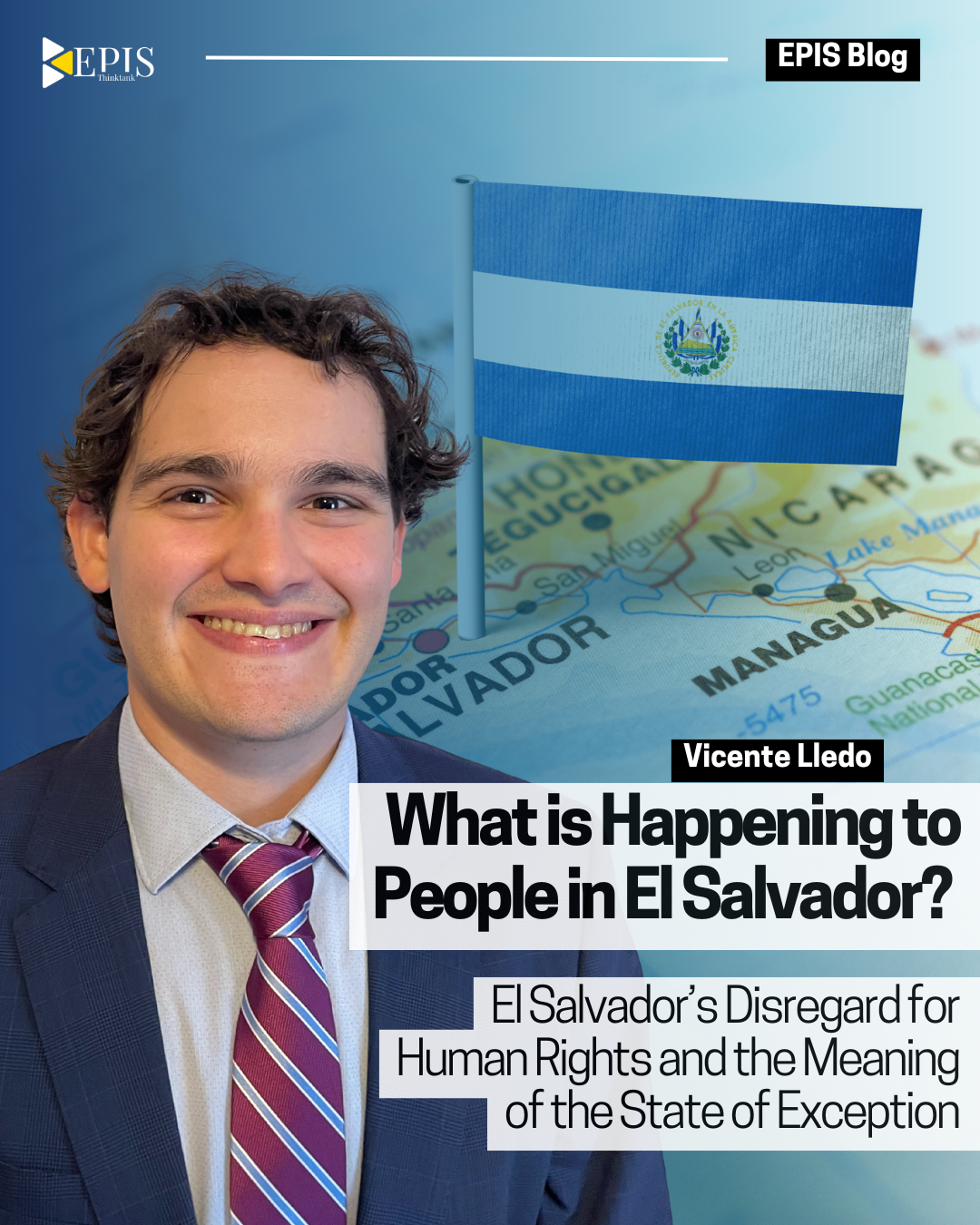
What is Happening to People in El Salvador?
Can El Salvador’s state of exception, declared to combat gang violence, justify suspending constitutional rights and widespread human rights abuses? While the government claims improved security, the emergency has led to arbitrary detentions, disappearances, torture, and overcrowded prisons under conditions resembling authoritarian regimes. The pursuit of security through repression undermines democracy, leaving El Salvador trapped…
-
Migrants as Weapons: The Belarus-EU Border Crises
How should democratic governments react when authoritarian powers weaponize migration? Democratic governments must counter authoritarian regimes’ weaponization of migration by reinforcing legal frameworks, enhancing border management, fostering international cooperation, and investing in public resilience. This multifaceted strategy ensures the protection of human rights while effectively addressing coercive tactics.
-
USAID freeze and its impact on South America
The main question is how the 90-day USAID freeze affects South America. The argument is that the suspension will disrupt critical programs in Colombia, Brazil, Venezuela, and Peru, impacting peacebuilding, environmental efforts, humanitarian aid, and economic growth. The conclusion is that while some countries plan to continue without U.S. support, the freeze risks slowing progress…
-
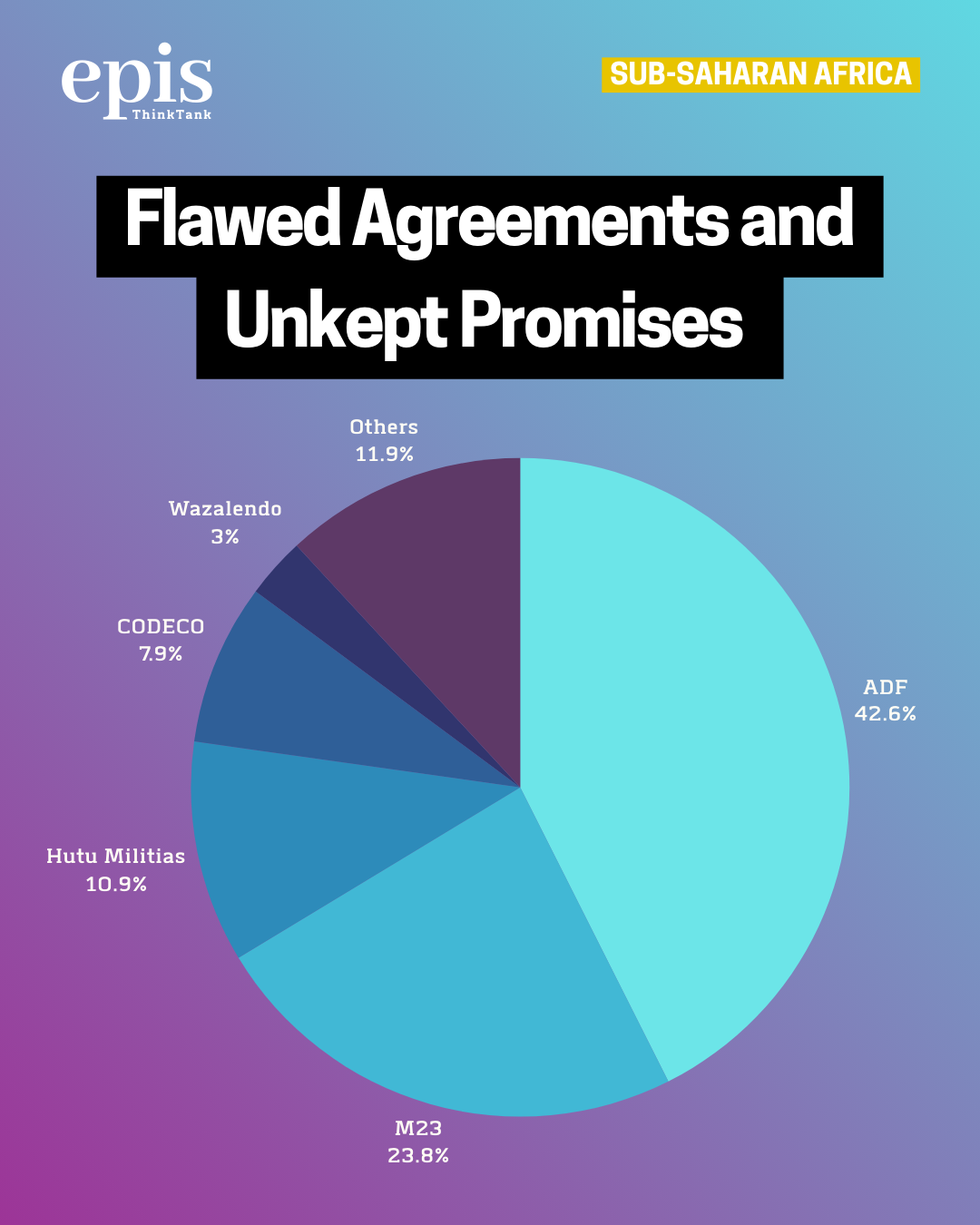
Flawed Agreements and Unkept Promises
1. Was the Rwanda-DRC ceasefire agreement effective in ending humanitarian struggles in the eastern DRC? 2. The ceasefire was not effective since it did not include non-state militias which are actively present in the region and are pursuing violence against civilians. 3. Civilians continue to die predominantly at the hands of non-state militias. Additionally, Rwanda…
-

Short Term Protection, Long Term Struggles
Can the European Union sustain long-term support for Ukrainian refugees? While the Temporary Protection Directive (TPD) offered swift relief, its temporary nature raises concerns for prolonged crises. This article examines the TPD’s limitations and explores the need for sustainable alternatives, such as the Long-Term Residents Directive. It further addresses challenges in funding, integration, and equal…
-
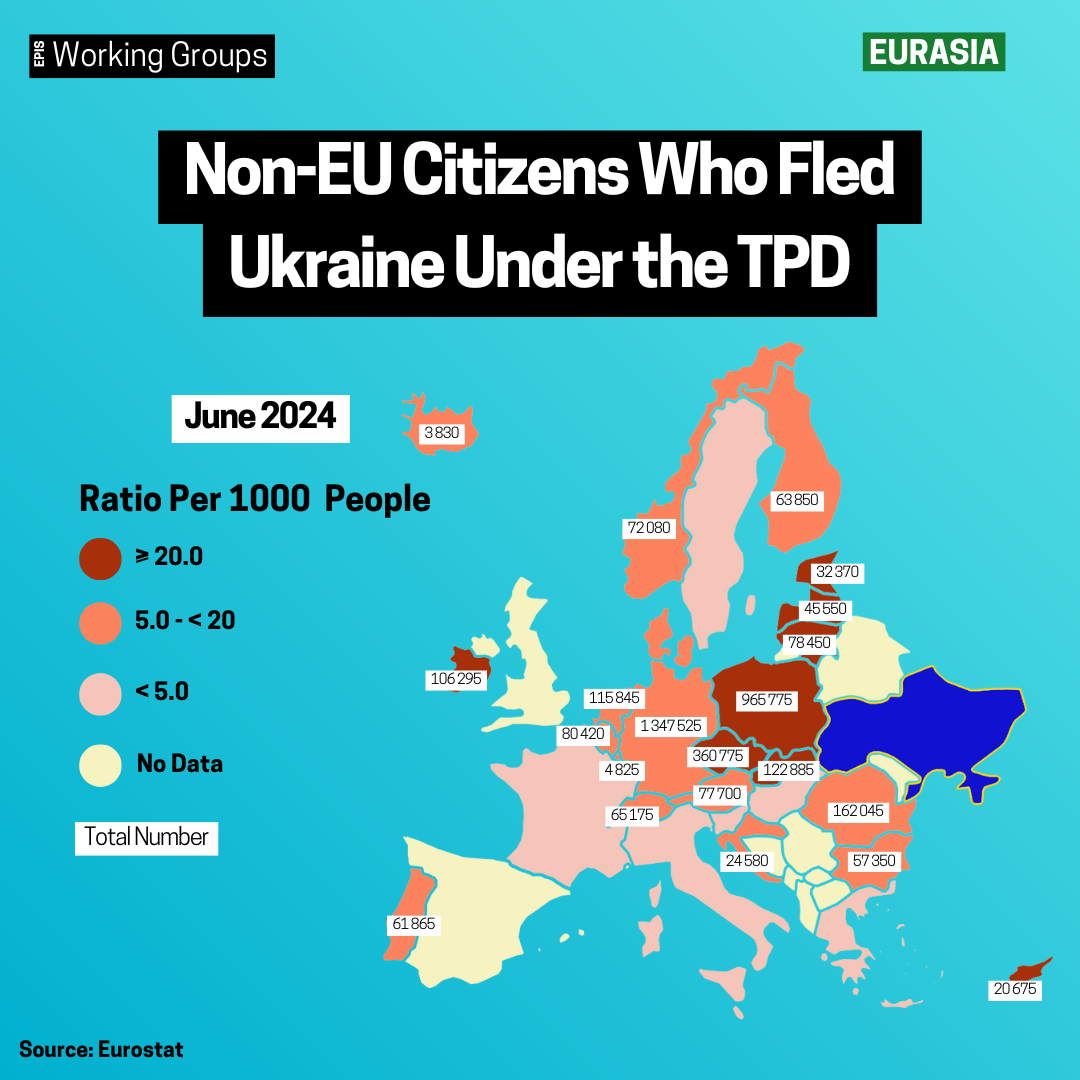
The Temporary Protection Directive vs. The Dublin Agreement
The Temporary Protection Directive (TPD) was activated for the first time in 2022 for Ukrainian refugees. While effective, its temporary nature raises concerns.