Category: Security Policy & Defence
-
Accelerating Innovation Through Defence Spending
How can we maximise the societal benefit of increasing defence expenditure? There is a positive correlation between higher defence expenditure and overall public R&D expenditure. The EU needs to strengthen the interconnectedness of the defence and civilian sectors to maximise innovative spillover effects that result from an increase in defence.
-
The Cybersecurity Capability Gap
1. What cyber capability gaps does the EU grapple with? 2. The EU lacks operational coherence, offensive capabilities, and personnel infrastructure to combat complex cyberthreats. Institutional fragmentation, national sovereignty concerns, and an overreliance on civilian regulation hinder cybersecurity policy and legal development. 3. To become a credible and effective cyberpower, the EU must improve coordination,…
-
Europe’s Quest for the Long Reach
This article compares asymmetries in European and Russian long-range missile arsenals and concludes that Europe has significant capability gaps in three main areas: range, platform diversity and redundancy, and, lastly, insufficient means to deliver nuclear payloads. Although important steps have been taken to tackle some of these challenges at an incredible pace, it remains to…
-
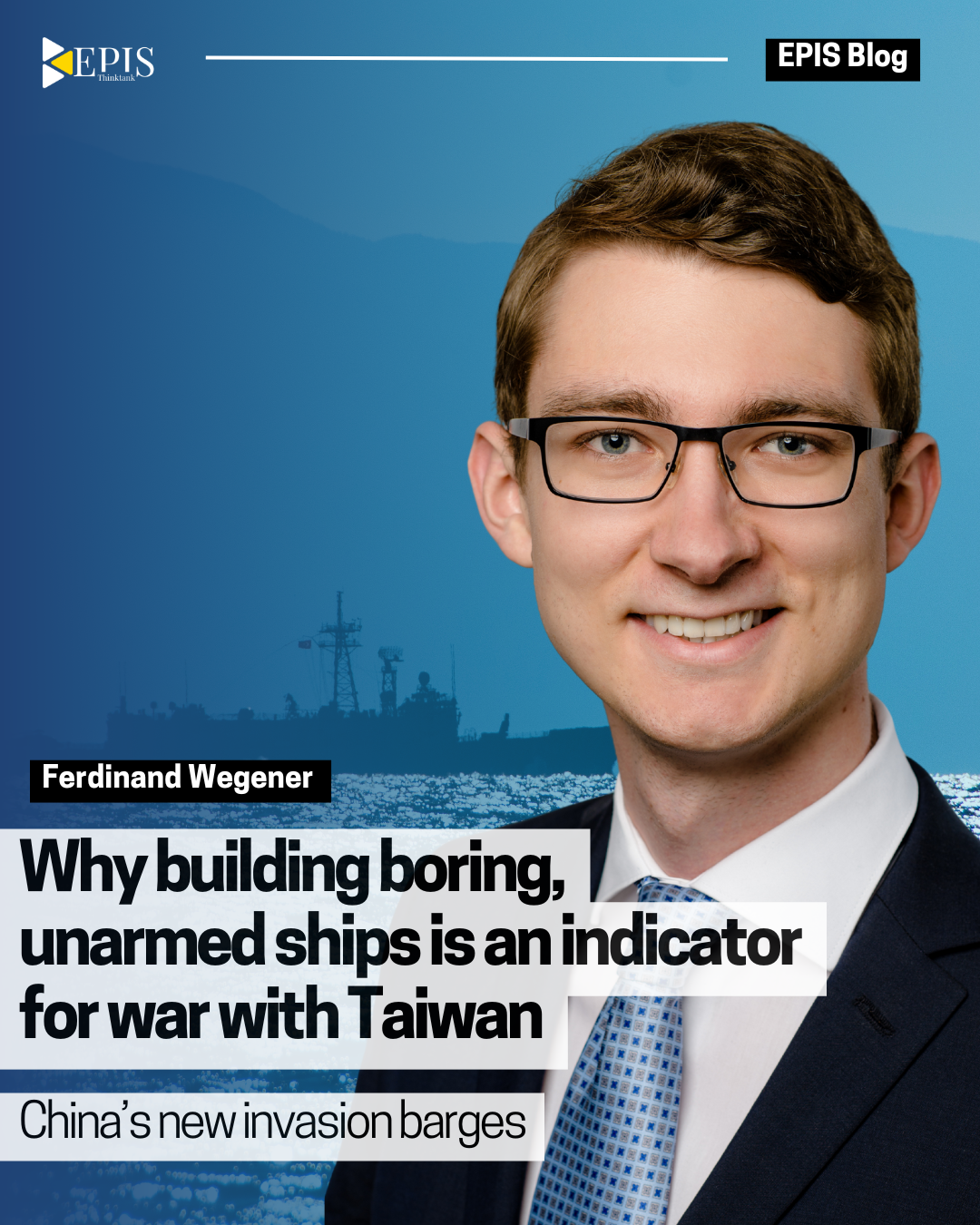
Why building boring, unarmed ships is an indicator for war with Taiwan
China is building a new type of landing ship, unarmed but the opposite of harmless. Constructing these ships seems to have only one explanation: concrete Chinese plans for an invasion of Taiwan. Or are these ships just part of a faint to divert resources into the defense of an attack that never comes? EPIS Senior…
-

Italian, German and French Cooperation in Aerospace
Technology is complex. European space launches have faced setbacks. But what does space really need to be successful?
-
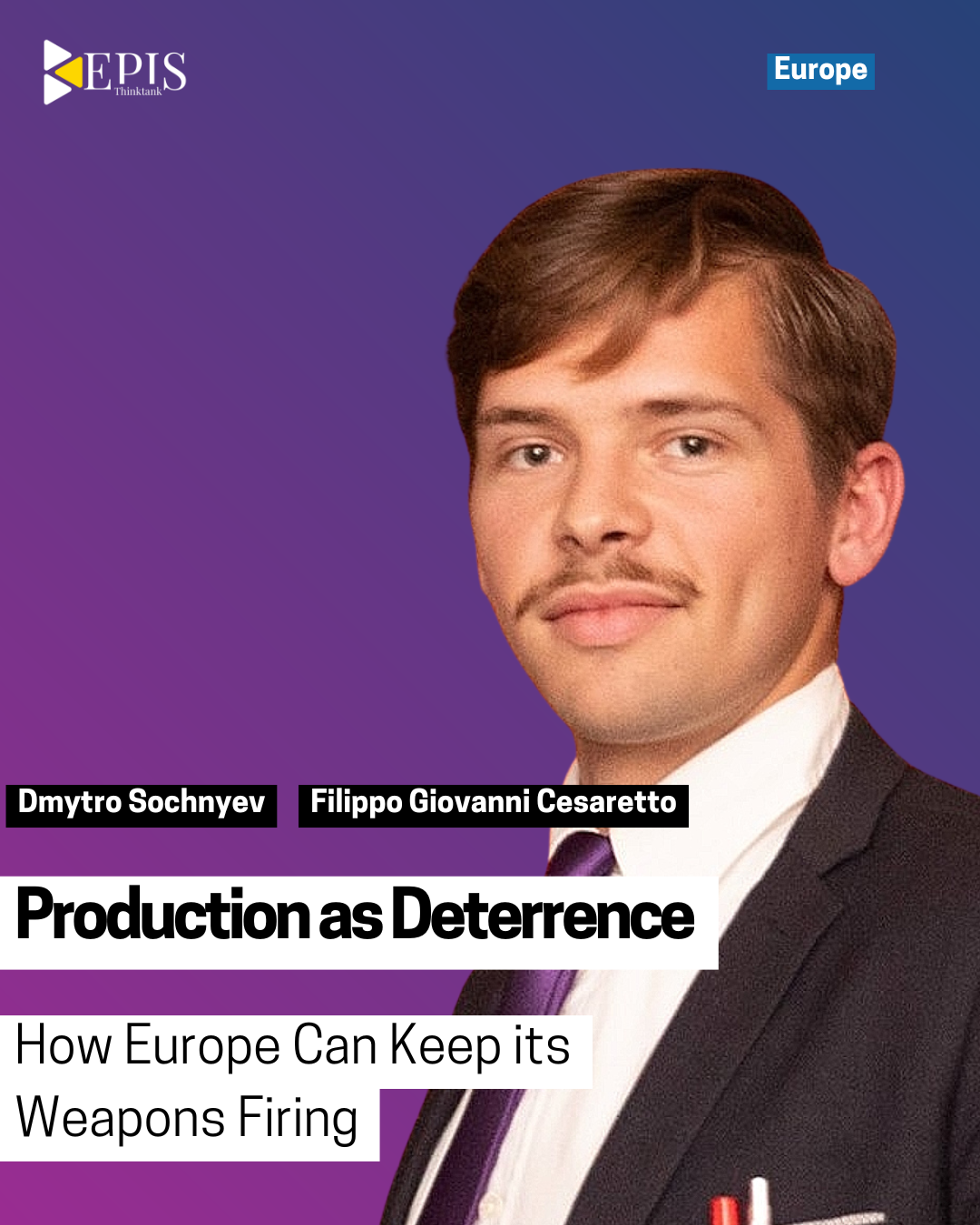
Production as Deterrence
Europe faces serious munitions shortages exposed by Ukraine’s high ammunition demands. Without legacy stockpiles, Europe must prioritise a large and diverse munitions output to ensure its defence operates at maximum capacity and thus help establish deterrence. Reducing cross-political bureaucracy, innovating cost-efficient approaches, and fostering continental cooperation will be critical.
-

California Girls in Space?
How is the commercialization of space affecting global space governance? The rise of private space actors has transformed space from a state-led domain to a commercial frontier, creating challenges in regulation, security, and sustainability. Effective transnational governance is thus imperative to manage space responsibly, balancing innovation with security and environmental protection.
-

Peru’s Crime Surge: Gangs and State Response
Main question: How is Peru addressing the rise in organized crime? Argument: The government’s militarized response and harsher laws for minors fail to tackle root causes like corruption, drug trafficking, and illegal mining. Conclusion: Without structural reforms and prevention programs, Peru’s current approach risks worsening insecurity rather than solving it.
-

How To Build A Credible Baltic Wall
1. How can the Baltic region build up credible deterrence? 2. Fragmented procurement and lack of interoperability undermine deterrence; only unified strategies, technological integration, and mass production can build real defence. 3. The Baltic region must urgently coordinate procurement, deploy interoperable systems, and scale production to form a credible defensive wall.
-

Exploring Franco-German Collaboration in Space & Defence Innovation
How can Germany and France strengthen their collaboration in space and defence? How can they ensure European sovereignty and competitiveness, especially in time of geopolitical crisis? Franco-German cooperation is vital for strengthening Europes independence and competitiveness in space and Defense, especially amid global tensions